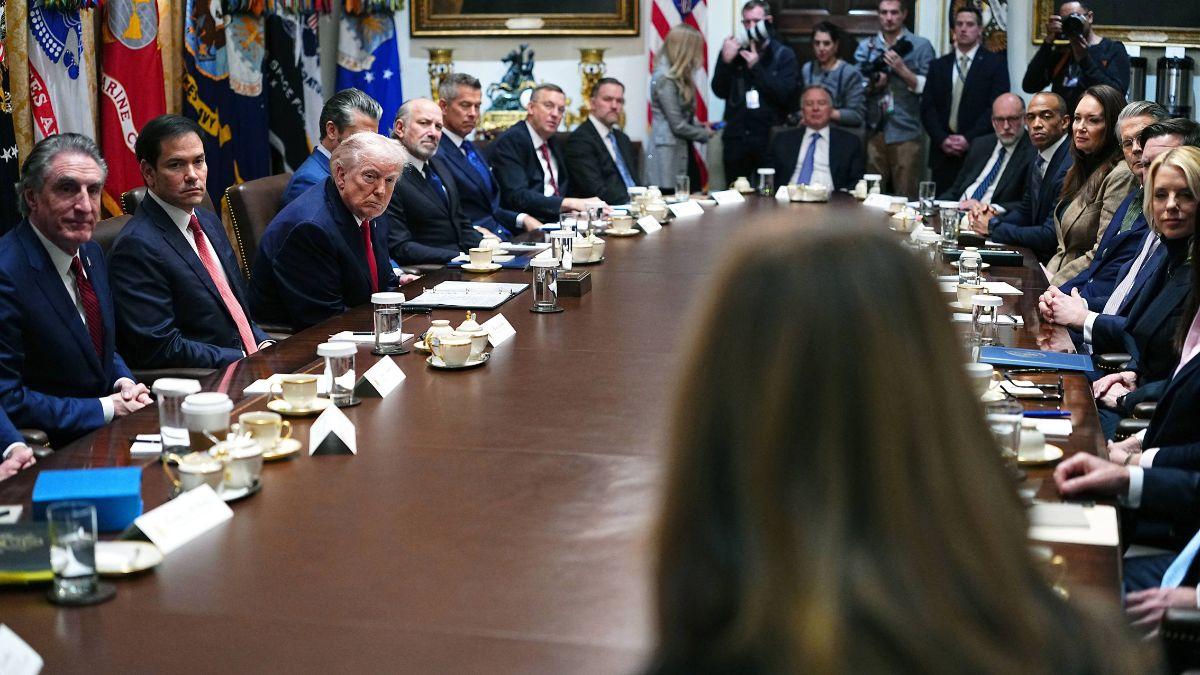
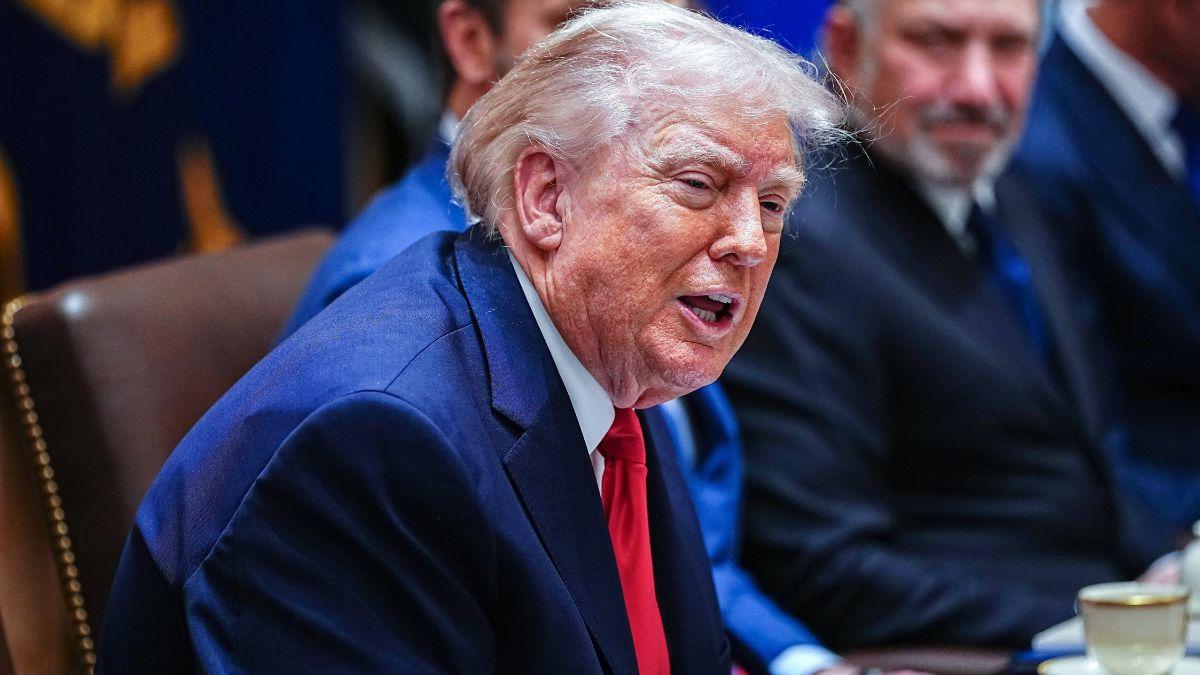
President Donald Trump convened a Cabinet meeting on Thursday, January 29, but notably opted against fielding inquiries from the assembled press corps, a decision that swiftly ignited significant online backlash and fueled accusations of strategic evasion. The half-hour session, intended to provide updates from various agency heads, instead became a focal point of controversy due to the President’s deliberate avoidance of questions and the conspicuous silence surrounding two high-profile Cabinet members embroiled in recent political firestorms.
The Cabinet Gathering and Unanswered Questions
The White House Cabinet Room was the scene for the brief gathering, where President Trump addressed his senior advisors. While the meeting offered an opportunity for the administration to project unity and competence, its tightly controlled format and the President’s refusal to engage with reporters instead highlighted a perceived lack of transparency. The move was widely interpreted as an attempt to steer clear of difficult questions regarding pressing national issues, particularly those implicating key figures present in the room.
The Silence Around Kristi Noem
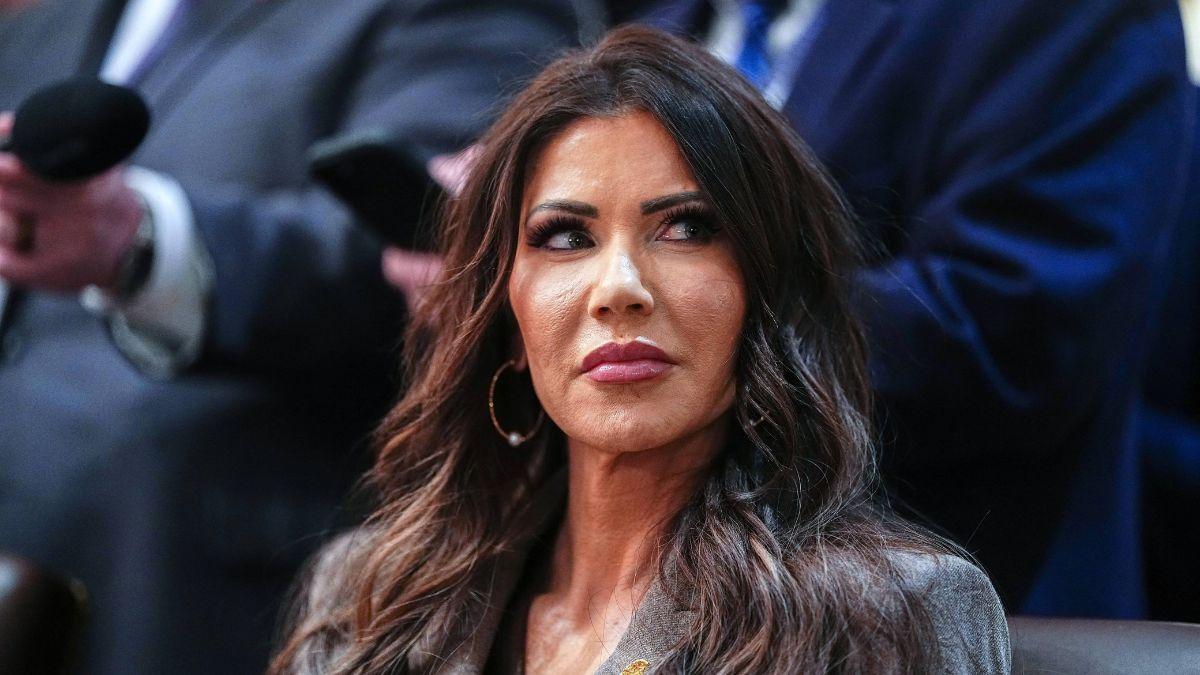
A central point of contention emerged when Kristi Noem, a prominent figure facing intense scrutiny, was present but not afforded an opportunity to speak or respond to media questions. Noem has been at the epicenter of a swirling controversy related to federal immigration operations in Minnesota. These operations have garnered significant negative attention following incidents that resulted in the tragic deaths of two U.S. citizens.
Immigration Operations and Fatalities
The specifics of the Minnesota immigration operations involve federal agents, reportedly under Noem’s purview, conducting enforcement actions that critics argue have been overly aggressive or poorly executed. The deaths of two U.S. citizens during these operations have amplified calls for accountability and sparked outrage from civil liberties groups and local communities. The precise circumstances surrounding these fatalities remain a subject of ongoing investigation and heated public debate, adding layers of complexity to Noem’s already challenging political position.
Calls for Resignation and Trump’s Stance
Amidst the growing public outcry, pressure has been steadily mounting for Noem’s resignation. Political opponents and some members of the public have argued that her leadership, or the policies implemented under her watch, bear responsibility for the tragic outcomes. In response to the escalating crisis, President Trump dispatched Border Czar Tom Homan to Minnesota, tasking him with overseeing Immigration and Customs Enforcement (ICE) operations in the region. This intervention, while presented as a move to stabilize the situation, also underscored the severity of the challenges Noem was facing. During the Cabinet meeting, Trump’s decision to bypass Noem entirely, preventing her from addressing the room or reporters, was widely seen as a calculated political maneuver. Commentators swiftly concluded that the President sought to distance himself from her embattled colleague, denying her a public platform during a period of intense controversy. This perceived strategic silence raised questions about the level of support Noem retained from the administration.
Attorney General Pam Bondi’s Quiet Presence
Equally notable was the silent presence of Attorney General Pam Bondi. Her attendance at the Cabinet meeting occurred just one day after federal agents from the FBI executed a search warrant at an election office in Georgia. This particular office has been central to a number of right-wing conspiracy theories concerning alleged widespread fraud in the 2020 presidential election, which Trump continues to assert was stolen.
Echoes of the 2020 Election
The FBI’s search in Georgia immediately reignited discussions surrounding election integrity and the lingering political tensions from the 2020 contest. For Bondi, as the nation’s chief law enforcement officer, the timing of the search placed her directly in the crosshairs of questions about federal investigations, potential legal ramifications, and the administration’s stance on election-related controversies. Her quiet demeanor during the Cabinet meeting, coupled with Trump’s general avoidance of questions, suggested a similar tactic of strategic silence. The administration appeared unwilling to delve into such a politically charged and potentially legally sensitive topic in an open forum, thereby sidestepping direct media scrutiny of Bondi’s role or the implications of the Georgia investigation.
A Meeting of Monologues, Not Dialogue
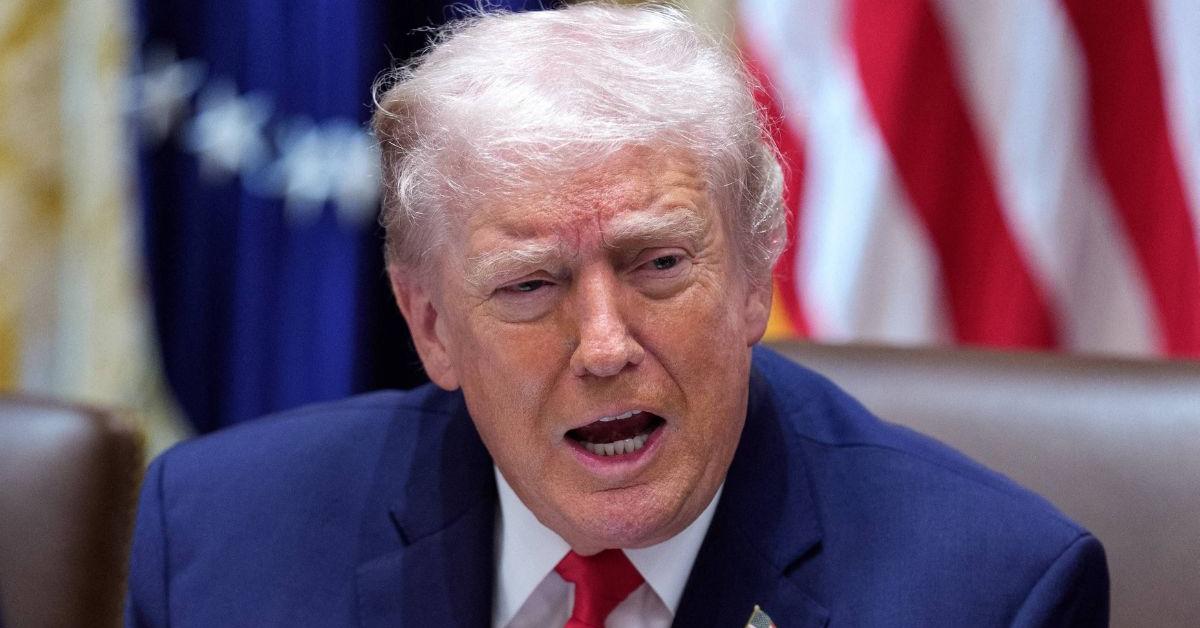
The Cabinet meeting itself was characterized by a distinct lack of open dialogue. President Trump initiated the proceedings with an extended opening statement, punctuated by characteristic remarks and even a joke about a previous meeting’s perceived dullness. He light-heartedly acknowledged having been observed closing his eyes during past discussions, quipping, "I didn’t sleep. I just closed them because I wanted to get the h— out of there," which drew laughter from those present.

Key Officials Denied a Platform
Despite the presence of other significant Cabinet members, including Transportation Secretary Sean Duffy, Interior Secretary Doug Burgum, and State Secretary Marco Rubio, none were given the chance to address the room directly or respond to media inquiries. While President Trump offered commendations for their work, he refrained from inviting them to elaborate on departmental initiatives, policy challenges, or the specific scrutiny surrounding their respective roles. This format effectively transformed the Cabinet meeting into a series of presidential pronouncements rather than a forum for collaborative discussion or public accountability. Many anticipated that these officials might have offered insights into key policy developments or addressed criticisms related to their portfolios, but the opportunity was withheld.
Vice President Vance’s Closing Remarks
Towards the conclusion of the meeting, President Trump briefly ceded the floor to Vice President J.D. Vance for closing remarks. Following Vance’s brief statement, the gathering was summarily dismissed. As reporters attempted to shout questions about the unaddressed issues, particularly the contentious situations in Minnesota and Georgia, President Trump offered no response, departing the room without engaging with the press. This abrupt end further solidified the perception that the administration was actively avoiding transparency on critical national matters.
Broader Implications for Press Access and Transparency
The President’s decision to hold a Cabinet meeting without allowing reporters to ask questions has broader implications for the principles of press access and government transparency in a democratic society. Open communication between the executive branch and the media is considered a cornerstone of American governance, enabling the public to stay informed and hold their leaders accountable.
The Erosion of White House Accountability
Critics argue that systematically avoiding press questions, especially during Cabinet meetings where key policy discussions might occur, contributes to an erosion of White House accountability. When elected officials, particularly the President, sidestep direct inquiries, it limits the media’s capacity to scrutinize policies, clarify administrative actions, and relay vital information to the public. This can create an environment where the administration controls the narrative without challenge, potentially obscuring important details or preventing a full understanding of complex issues. Such practices can undermine public trust and raise concerns about the democratic process.
Public’s Right to Know
The public’s right to know what their government is doing, why it’s doing it, and what the consequences are, is fundamental. Press conferences and opportunities for reporters to question officials serve as crucial conduits for this information. By curtailing these opportunities, the administration risks being perceived as deliberately withholding information or attempting to evade responsibility, particularly on sensitive or controversial topics. This can lead to increased speculation, distrust, and a less informed citizenry, all of which are detrimental to healthy public discourse.
Public and Online Reactions
The online response to President Trump’s refusal to engage with the press was immediate and overwhelmingly critical. Social media platforms quickly filled with commentary from citizens, journalists, and political observers, many of whom expressed frustration and concern over the lack of transparency.
One commenter remarked pointedly, "He doesn’t want to be held accountable, or have to answer questions about the violence in Minnesota, Kristi Noem or any of the many problems he has created." This sentiment encapsulated a widespread belief that the President was deliberately evading responsibility for controversial issues. Another user suggested that Trump’s avoidance of questions was a calculated move to prevent any discussion of sensitive topics that could further complicate his political standing or the public perception of his administration’s handling of crises. The consensus among many online users was that the President’s actions underscored a pattern of controlling information and limiting public scrutiny.
Unaddressed Issues and Future Scrutiny
As the Cabinet meeting concluded without any substantive engagement with the press, critical issues such as the ongoing federal immigration operations in Minnesota, the tragic citizen deaths, the calls for Kristi Noem’s resignation, and the FBI’s search of an election office in Georgia remained largely unaddressed by the administration in a public forum. The lack of direct responses from President Trump or his Cabinet members means these controversies will continue to fester under public and media scrutiny.
This strategic silence ensures that these unresolved issues will likely continue to dominate political headlines and fuel further debate. The administration’s approach may temporarily deflect direct questioning, but it simultaneously amplifies calls for greater transparency and accountability from external observers. The expectation remains that the President and his team will eventually be compelled to provide more comprehensive answers regarding these significant challenges and the policies underpinning them.