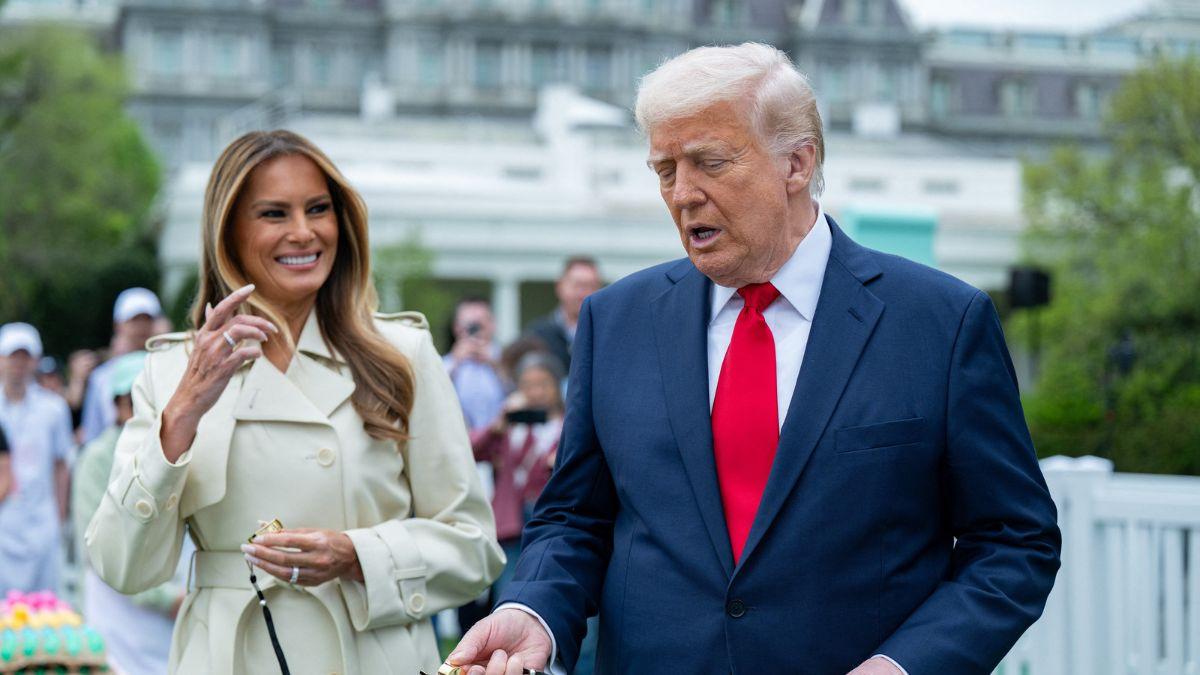
President Donald Trump has unequivocally stated he will not apologize for a controversial video shared on his Truth Social platform that depicted former President Barack Obama and former First Lady Michelle Obama as apes. The clip, which quickly garnered widespread condemnation, was later removed, but Trump maintained his innocence, asserting, "I didn’t make a mistake." His refusal to retract the post has intensified a national debate over the use of inflammatory racial imagery in political discourse.
Historical Context of Racist Caricature
This incident reignites long-standing debates about racial sensitivity in political discourse and the historical weaponization of derogatory imagery. The portrayal of Black individuals as apes has a deeply offensive history rooted in dehumanization and racist caricature. For centuries, such imagery has been a tool to diminish the humanity, intelligence, and dignity of Black people, often used to justify systemic discrimination, slavery, and violence.
The Obamas, as the first Black presidential couple, have frequently been targets of racist attacks throughout their public life, from birtherism conspiracies questioning Barack Obama’s American citizenship to various demeaning visual and textual caricatures. This latest video draws a direct, troubling line to that legacy, echoing historical tropes designed to marginalize and insult. The profound impact of such imagery on Black communities and the broader fabric of society cannot be overstated.
The Controversial Social Media Post
On February 6, 2026, a video appeared on President Donald Trump’s personal Truth Social account that rapidly went viral for its overtly racist content. The video, later described by Trump’s team as an "internet meme," featured a montage of political figures. Most controversially, it included images of former President Barack Obama and former First Lady Michelle Obama rendered as apes, juxtaposed against characters from Disney’s "The Lion King."
Within hours of its posting, the video sparked widespread outrage across social media platforms and among political commentators, civil rights advocates, and concerned citizens. Critics immediately labeled the imagery as a blatant racial slur, unacceptable in any political context, let alone from a sitting President. The swift and intense backlash underscored the deep offense caused by the video’s content.
President Trump’s Defiant Stance
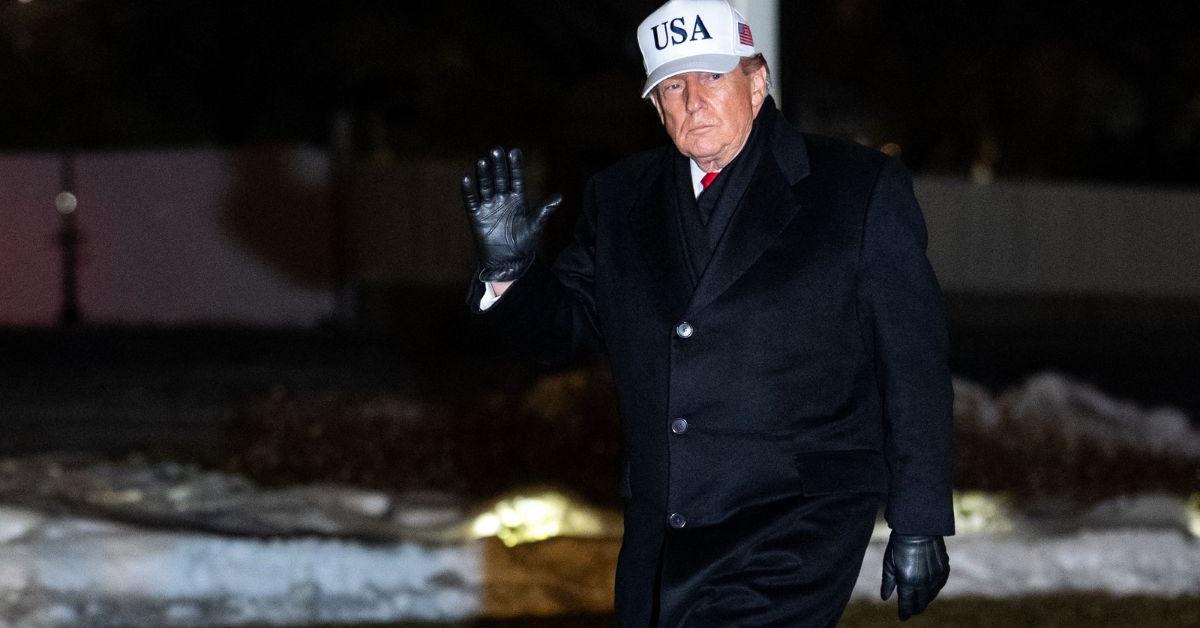
When questioned by reporters about the video, particularly whether he regretted the post or intended to issue an apology, President Donald Trump remained steadfastly defiant. He dismissed calls for an apology, stating emphatically, "No, I didn’t make a mistake." He elaborated on his process for reviewing content, noting he looks at "thousands of things" and had only seen "the beginning of it," which he deemed "fine."
Trump characterized the clip as "a take off on The Lion King" and asserted it was "a very strong post in terms of voter fraud." He further claimed, "Nobody knew that that was in the end. If they would have seen it and probably they would have had the sense to take it down." This explanation suggested either ignorance of the video’s full content or a deliberate attempt to distance himself from its most offensive elements while still defending the overall "strength" and message of the post.
Official Response and Video Deletion
The controversial video was swiftly deleted from Truth Social following the intense backlash. Shortly after, Karoline Leavitt, a White House Press Secretary, issued a statement defending the video’s initial posting. Leavitt asserted that the clip originated from "an internet meme video depicting President Trump as the King of the Jungle and Democrats as characters from The Lion King."
Leavitt urged the public and media to "stop the fake outrage" and focus on issues she deemed more relevant to the American public. This defense mirrored President Trump’s own explanation, attempting to frame the offensive imagery as part of a broader political satire rather than a targeted racial attack. Later, a White House representative claimed that a staffer had shared the video accidentally, an explanation that sparked further criticism and skepticism.
Linking the Post to Voter Fraud Claims
In his remarks, President Trump explicitly linked the contentious video to his long-standing and unsubstantiated claims of "voter fraud" in the 2020 election. He stated the video was "a very strong post in terms of voter fraud," attempting to connect the offensive imagery to his narrative that the election was "stolen" from him and given to his predecessor, Joe Biden. This connection suggests the video, regardless of its racist elements, was intended to reinforce a central theme of his political platform.
This tactic of conflating controversial content with political grievances is a hallmark of President Trump’s communication style, often used to rally his base and distract from criticism. The baseless accusations of widespread voter fraud have been repeatedly debunked by numerous investigations, audits, and court rulings across the country. Despite the lack of evidence, these claims remain a central and recurring theme in Trump’s public statements and social media activity.
Gavin Newsom’s Sharp Rebuke
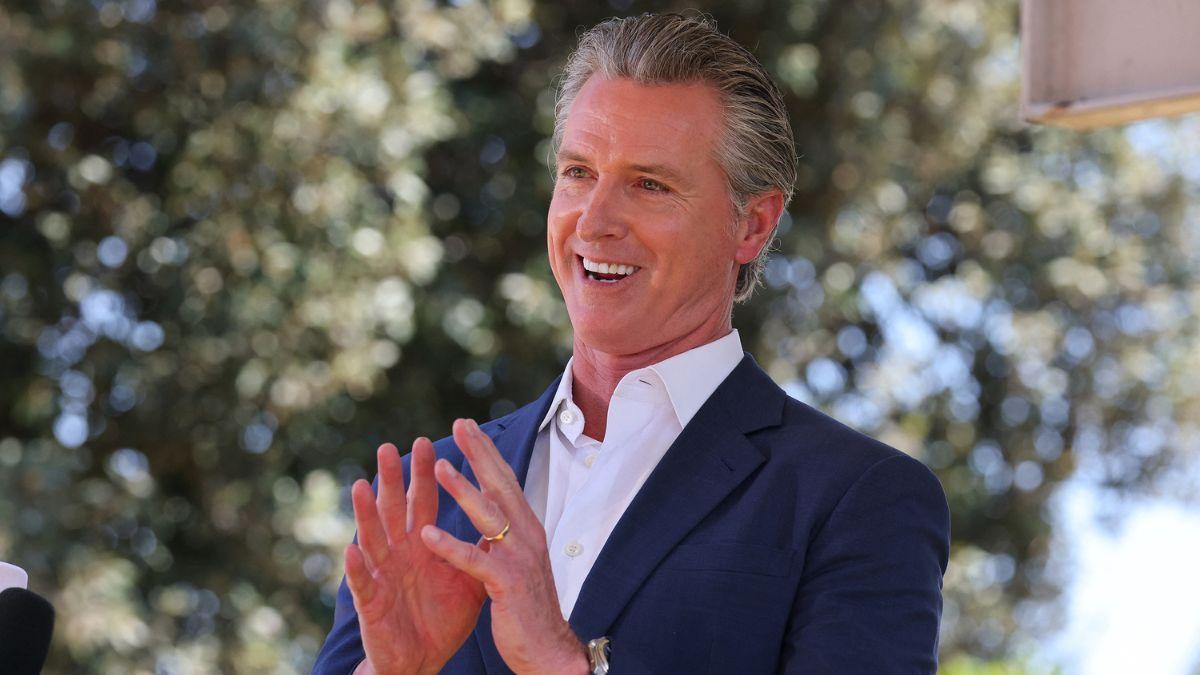
Among the most vocal critics of President Trump’s actions and his team’s subsequent explanations was California Governor Gavin Newsom, a prominent Democratic figure often at odds with the current administration. Newsom took to X (formerly Twitter) to publicly condemn the incident, specifically targeting the White House’s explanation that a staffer had accidentally shared the video.
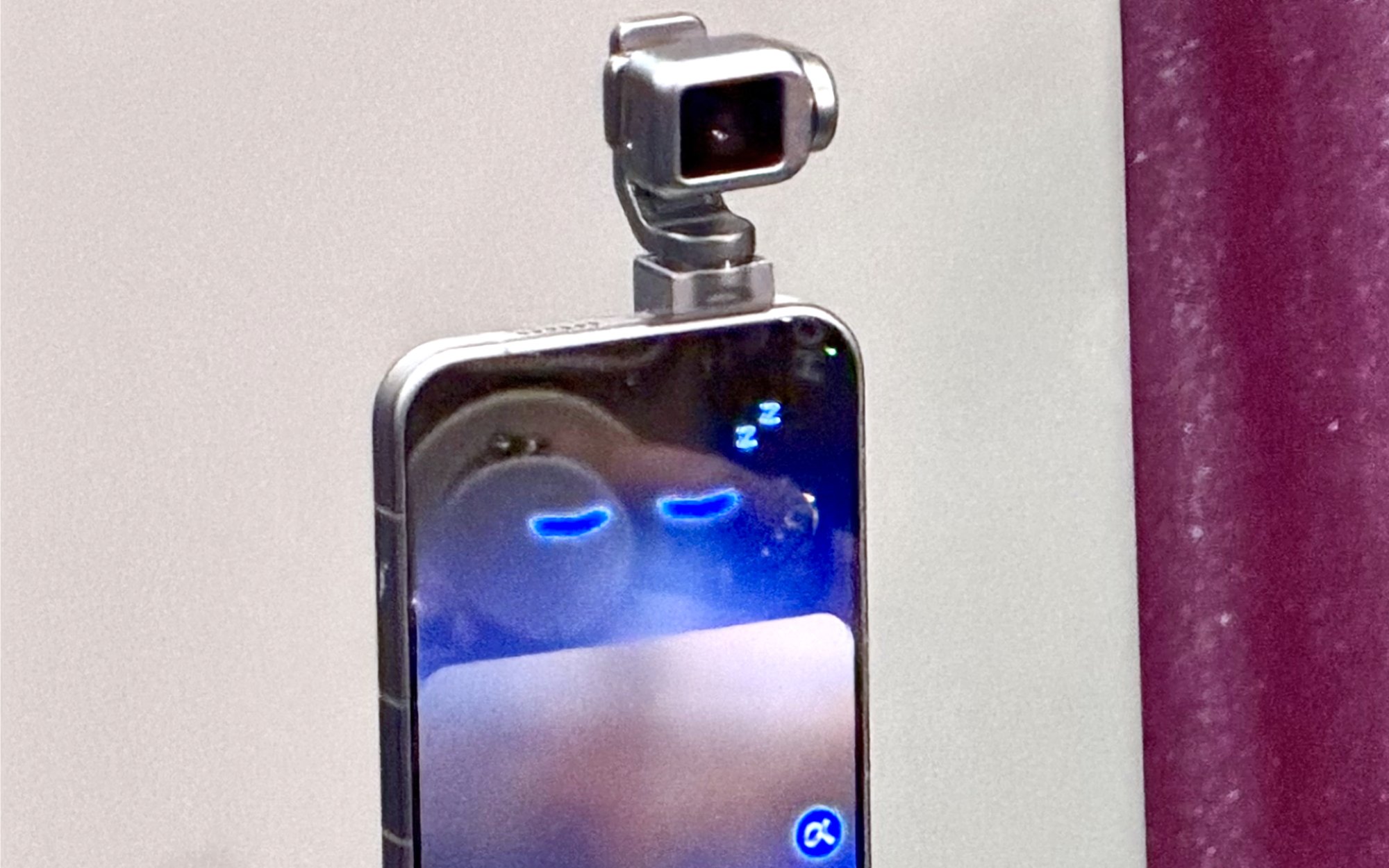
Newsom posted sarcastically, "WOW! WHITE HOUSE SAYS TRUMP DOESN’T WRITE HIS OWN TWEETS??? AUTOPEN!" He accompanied his tweet with a manipulated image depicting an "autopen" device attached to a smartphone, humorously suggesting that President Trump was attempting to deflect responsibility by blaming staff for content posted from his personal Truth Social account. Newsom’s critique highlighted the perceived hypocrisy of attributing a post on the President’s personal platform to an anonymous staff error, especially given Trump’s well-known history of direct and often provocative social media engagement.
An Ongoing Political Antagonism

The exchange between Governor Newsom and President Trump is merely the latest chapter in their frequently adversarial relationship. The two politicians represent opposing ends of the American political spectrum and have often engaged in public spats. Their rivalry underscores the deep partisan divisions within the U.S. and the readiness of prominent figures to seize on opportunities to criticize their opponents.
Just last month, Newsom notably mocked Trump for appearing to doze off during a Cabinet meeting. He quipped on X, "Grandpa Trump finds being President of the United States ‘boring.’ Good to know," alongside a video clip of the President seemingly dozing. This consistent back-and-forth highlights a broader political landscape where personal attacks and public shaming often overshadow substantive policy debates.
Broader Implications for Political Discourse and Race Relations
The controversy surrounding the Obama ape video transcends a single social media post, carrying significant implications for American political discourse and race relations. It underscores the persistent threat of overt racism in public life and the fragility of racial progress. Civil rights organizations and advocacy groups were swift and unanimous in their condemnation of the video, reiterating the profound damage such imagery inflicts.
These groups emphasized that regardless of the purported intent, the use of ape caricatures for Black individuals is a widely understood and historically potent racist trope that contributes to a climate of hostility, prejudice, and dehumanization. The incident also raises critical questions about the responsibility of political figures and social media platforms in moderating content that can incite hate or promote dehumanizing stereotypes. Critics argue that allowing such content, even temporarily, normalizes hate speech and encourages its proliferation, eroding trust and fostering division within society.
The Role of Social Media Platforms in the Current Climate
Truth Social, President Donald Trump’s own social media platform, became the initial vector for this controversial content. The platform, which positions itself as a bastion of "free speech" with less stringent content moderation than mainstream sites, now faces renewed scrutiny regarding its policies on hate speech and racist imagery. While the video was ultimately deleted, its initial posting and the subsequent defense from the President’s camp highlight the inherent challenges platforms face in balancing free expression with the prevention of harmful content.
The incident also reignites broader debates about accountability for content shared on platforms directly controlled by political figures, particularly those holding the highest office. It forces a discussion on whether platforms have a moral and ethical obligation to proactively remove content that is widely recognized as hate speech, irrespective of the political standing of the individual posting it.
Looking Ahead: The Political Landscape and Public Reaction
As the 2026 political cycle progresses, this incident is likely to remain a significant talking point, shaping public perception of President Donald Trump and the broader Republican Party. For Democrats and civil rights advocates, it provides further evidence of what they describe as Trump’s divisive and racially charged rhetoric, potentially galvanizing opposition. For Republicans, it presents a complex challenge: either defend the President’s actions, attempt to downplay the controversy, or distance themselves from it, each choice carrying its own political risks.
The episode serves as a stark reminder of the volatile nature of contemporary American politics, where social media controversies can quickly escalate into national debates with significant cultural and political ramifications. President Trump’s steadfast refusal to apologize further cements his image as an unyielding figure, often doubling down on controversial statements, a strategy that both alienates and energizes segments of the electorate, ensuring continued scrutiny and debate.