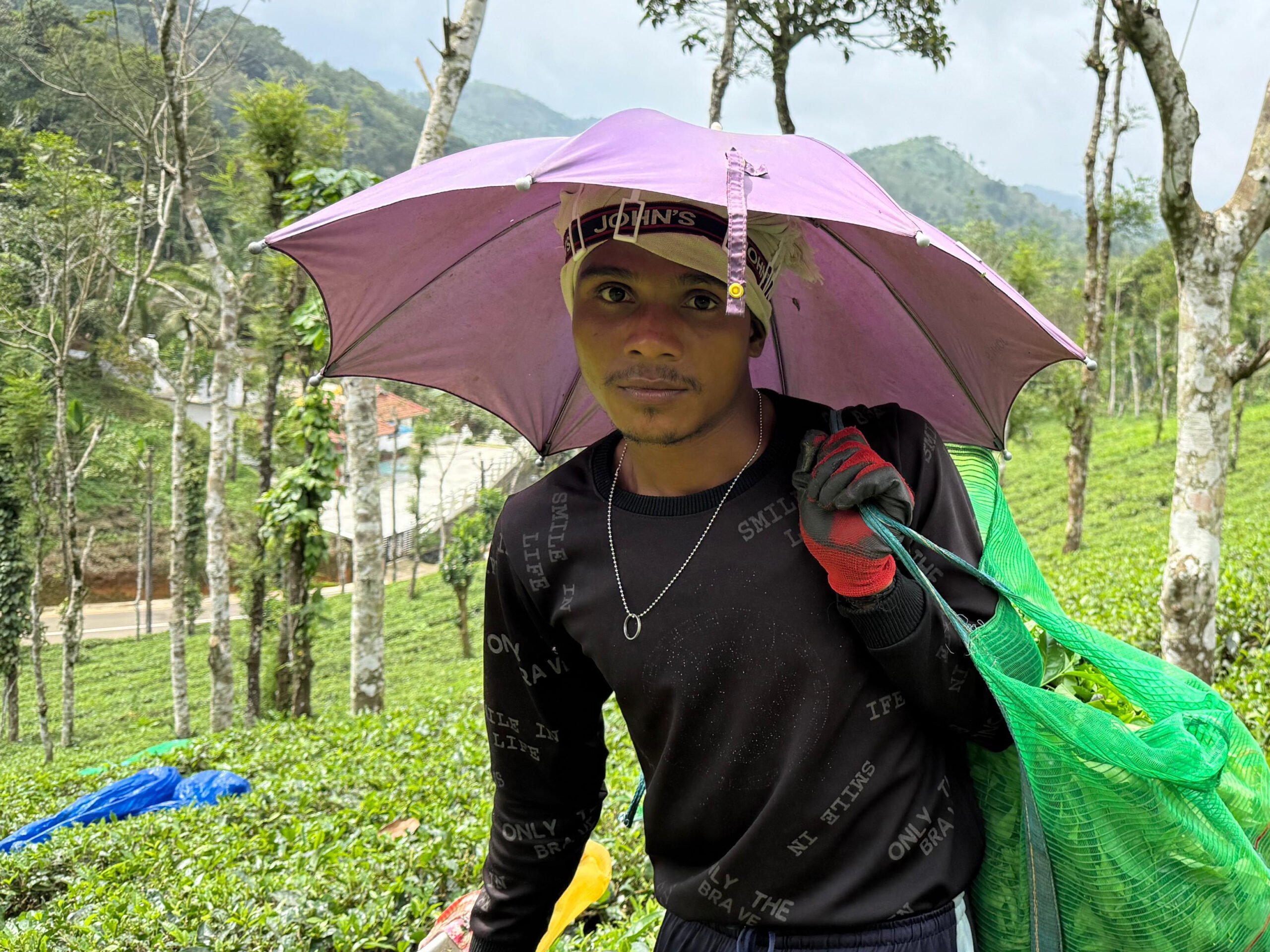
Wayanad, India – The rhythmic rustle of tea leaves being plucked in the verdant hills of Wayanad, Kerala, is the soundtrack to a vital, yet often unseen, labor force: migrant tea pickers from across India. These individuals, driven by economic necessity and a growing passion for their craft, form the backbone of Kerala’s lucrative plantation sector, a crucial component of the state’s economy. Their stories highlight the complex interplay of financial aspiration and personal fulfillment that fuels internal migration within the world’s most populous nation.
The Unseen Workforce Fueling Kerala’s Plantations
India, a nation grappling with significant internal migration, sees millions of its citizens move annually in search of better economic prospects. While international migration figures are more readily available, data on the sheer scale of internal movement remains elusive, with the last comprehensive census conducted in 2011. However, the pervasive presence of workers from other Indian states in sectors ranging from hospitality to construction, and particularly in agriculture, paints a clear picture of this internal demographic shift. Kerala, a state renowned for its high emigration rates, paradoxically relies heavily on an influx of workers from other regions to sustain its diverse industries, including its iconic tea, coffee, rubber, spice, and coconut plantations.
The primary sources of this migrant labor are states like Uttar Pradesh, Bihar, Jharkhand, and Odisha, regions often characterized by higher poverty rates and limited local employment opportunities. These workers undertake long and arduous journeys, often spanning over a thousand miles, to reach the lush landscapes of southern India. Their contributions are indispensable, particularly in the labor-intensive process of harvesting delicate tea leaves, a task that demands skill, precision, and endurance.
Rajkumar Jani’s Journey: From Botany Graduate to Tea Harvester
Among these migrant laborers is Rajkumar Jani, a 23-year-old botany graduate from Koraput, Odisha. Despite his academic background, Jani finds himself meticulously plucking tender tea leaves in the picturesque Wayanad district of Kerala. His motivation is straightforward: financial support for his family back home. "We don’t work for a salary. Our earnings depend on the quantity of tea leaves we collect. So, no work, no payment," Jani explained, his hands deftly maneuvering harvesting shears along the vibrant green canopy of tea plants. His focus remains on selecting only the freshest, most flavorful leaves, a testament to the quality demanded by the industry.
Jani’s relocation to Kerala, approximately 1,600 kilometers (1,000 miles) from his hometown, was facilitated by a friend and fellow worker, Shyam Kalpadia, also from Koraput. Kalpadia, 26, was an early entrant into Kerala’s plantation sector, having arrived six years prior. "I was the first to come here six years ago. I came here looking for opportunities as many people from my hometown were arriving here for jobs," Kalpadia recalled. He has since become a vital link for many others from his region seeking employment in Kerala’s tea industry, including Rutu Nandiwali and Lakshman Kumar, both in their late teens and early twenties, who were also actively engaged in harvesting alongside him.
Financial Realities and the Allure of "God’s Own Country"
For Kalpadia, the primary driver for migrating to Kerala was the prospect of a significantly higher income. He estimates earning between 1,500 to 2,000 rupees (approximately $17-$22) per day, a substantial improvement compared to what he could earn in Odisha, a state facing persistent challenges with poverty. Beyond the daily wages, employers in Kerala often provide additional benefits, such as arranged accommodation and essential provisions. These perks are crucial, enabling the migrant workers to save a portion of their earnings to send back to their families, providing a vital financial lifeline.
Beyond the economic incentives, the allure of Kerala, often dubbed "God’s Own Country," also plays a role. This moniker, popularized in the 1980s, reflects the state’s stunning natural beauty, characterized by serene backwaters, lush tropical forests, diverse flora and fauna, and extensive coastlines. These landscapes are deeply intertwined with local folklore, often depicting their divine creation. For Kalpadia, the aesthetic appeal of Kerala offered a welcome change of scenery and environment. "This place is so beautiful. Wherever you go, it’s so green. People are also nice here," he commented, reflecting a sentiment shared by many who find solace and a sense of peace in the region’s natural splendor.
Passion Ignited: The Intersection of Work and Interest
Interestingly, for individuals like Rajkumar Jani, the migrant experience can also foster a surprising level of job satisfaction, even in physically demanding roles. Jani’s background in botany has provided him with a unique perspective on his work. He finds the daily task of tea cultivation and harvesting to be intellectually stimulating and directly related to his academic interests. This connection has cultivated a genuine passion for his role as a tea picker.
The climatic conditions in Kerala, marked by significant rainfall, present unique challenges for tea cultivation, particularly on the state’s undulating slopes. Despite the arduous nature of working in such environments, these migrant workers often forgo days off. "We avoid taking days off. What would we do sitting at home? Work not only pays, but it also keeps us entertained," Jani stated, a smile gracing his face as he efficiently stacked sacks of freshly harvested tea leaves. This perspective underscores a broader understanding of work as not merely a means to an end, but also as a source of engagement and purpose, especially when removed from familiar surroundings and facing economic pressures.
The Economic Engine of Kerala’s Plantations
The plantation sector in Kerala is a significant contributor to the state’s economy, with tea being one of its most iconic exports. The cultivation and processing of tea require a substantial and consistent labor force, a demand that the local population alone cannot fully meet. This reliance on migrant workers has, over the years, become an integral part of the industry’s operational model. The influx of workers from less economically developed regions of India addresses this labor deficit, ensuring the continuous functioning of these vast estates.
The economic impact extends beyond the immediate earnings of the pickers. The money sent back to their home states contributes to rural economies, supporting families and fostering local development. Furthermore, the plantation industry itself generates substantial revenue through exports and domestic sales, bolstering Kerala’s overall economic standing. The efficiency and dedication of the migrant tea pickers are, therefore, directly linked to the economic vitality of both the state and the regions from which they originate.
Challenges and Opportunities in the Migrant Labor Landscape
Despite the mutual benefits, the lives of migrant tea pickers are not without their challenges. Issues such as precarious working conditions, fluctuating daily wages, and access to adequate healthcare and social security can be significant concerns. While many employers in Kerala strive to provide decent living conditions and fair compensation, the transient nature of migrant labor can sometimes leave workers vulnerable to exploitation.
However, the narrative is also one of opportunity and resilience. For many, the move to Kerala represents a significant step up from the limited prospects available in their home states. The skills acquired, the income earned, and the exposure to different environments contribute to their personal and economic growth. The establishment of informal networks among migrant communities, often facilitated by individuals like Shyam Kalpadia, provides a crucial support system, offering guidance, shared resources, and a sense of belonging in a new land.
The Future of Plantation Labor in Kerala
As India continues its trajectory of economic development, internal migration is likely to remain a defining feature of its demographic landscape. The story of the migrant tea pickers in Kerala is a microcosm of this larger phenomenon. Their dedication, fueled by both financial necessity and an emerging sense of pride in their work, highlights the human element behind the production of goods consumed globally.
The long-term sustainability of Kerala’s plantation sector will continue to depend on its ability to attract and retain a skilled and motivated workforce. This involves not only ensuring competitive wages and benefits but also fostering an environment that respects the rights and dignity of migrant workers. As the industry evolves, the stories of individuals like Rajkumar Jani and Shyam Kalpadia will remain central to understanding the intricate human tapestry that underpins India’s economic engine, a testament to the pursuit of livelihood and the quiet dignity found in honest labor.