High-stakes football matches, including crucial fixtures in Mexico’s premier professional league, were abruptly postponed Sunday following the dramatic killing of a powerful drug cartel leader by the Mexican army. The decision to halt games rippled through the nation’s sporting landscape, underscoring the volatile security situation in areas targeted by organized crime and its proximity to major international events.
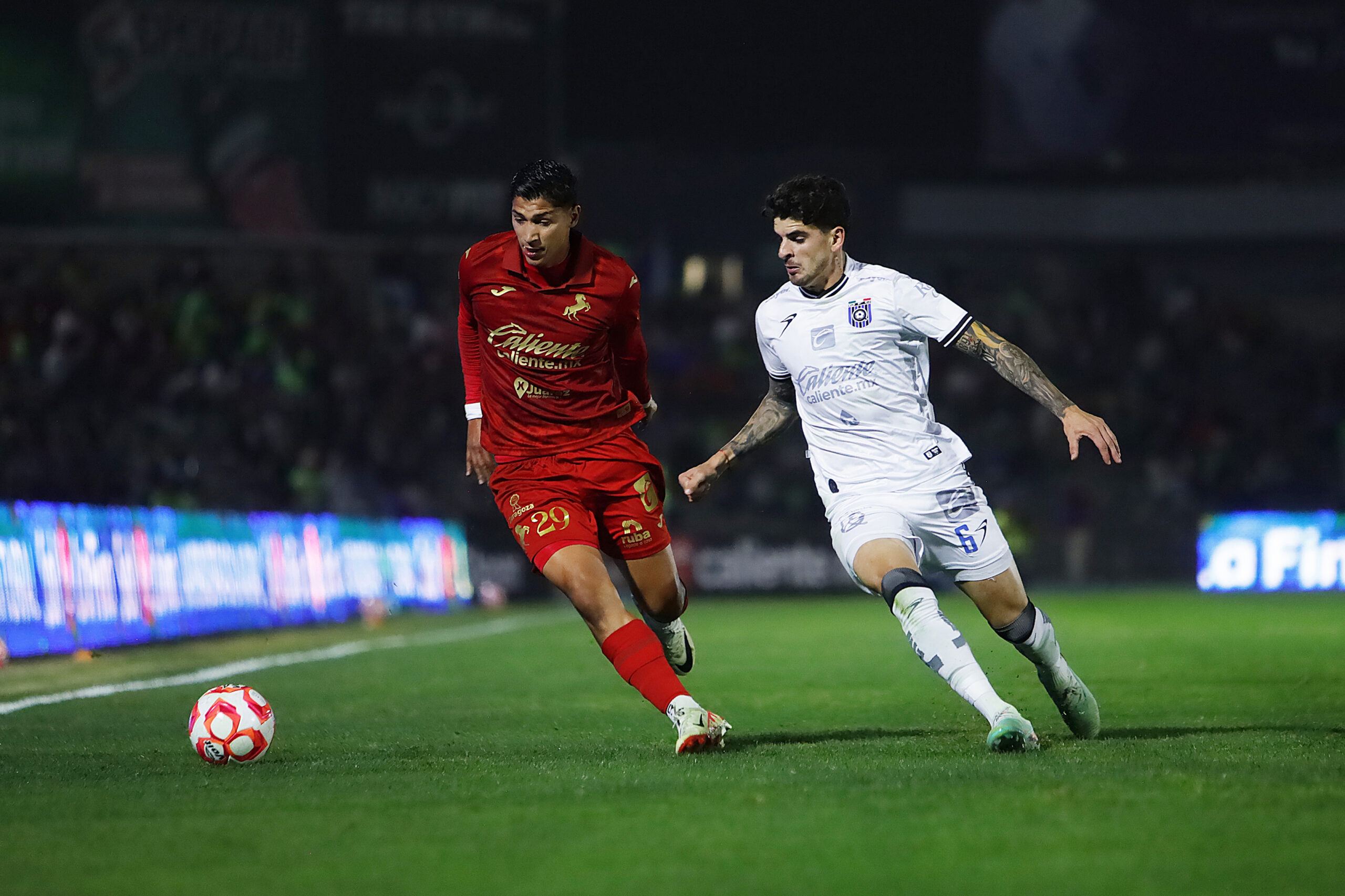
The cancellations encompassed the seventh round of the Clausura tournament in Liga MX, the nation’s top-tier men’s football league. Two significant matchups were immediately affected: Queretaro versus Juarez and the highly anticipated clash between Chivas and America in the women’s league. These postponements extended to two second-division games as well, highlighting the broad impact of the security developments. The Mexican Football Federation also confirmed the cancellation of an international friendly match slated for Wednesday between Mexico and Iceland, which was to be held at the Corregidora Stadium in Queretaro.
The operation that led to the death of Nemesio Ruben Oseguera Cervantes, universally known as "El Mencho," the elusive leader of the Jalisco New Generation Cartel (CJNG), took place in Tapalpa, Jalisco. This region is situated a considerable distance southwest of Guadalajara, a major metropolitan hub and a designated host city for the FIFA World Cup 2026. El Mencho was reportedly wounded during the confrontation and succumbed to his injuries while being transported to Mexico City, the nation’s capital.
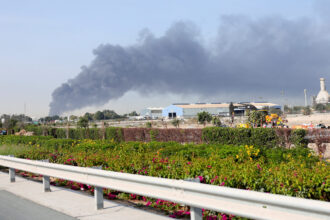
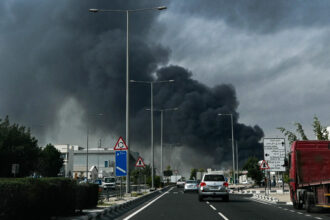
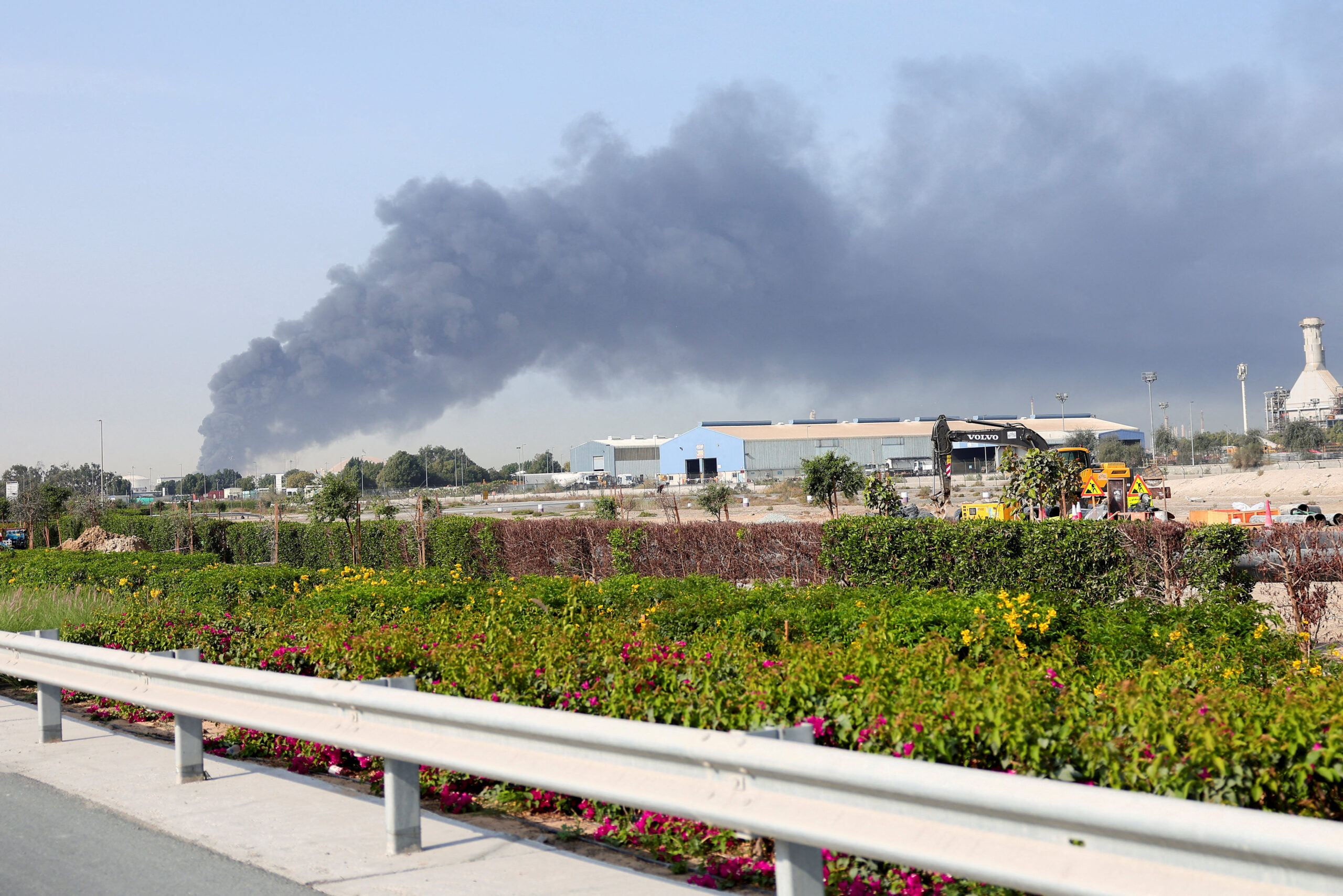
The immediate aftermath of El Mencho’s demise saw a swift and violent response from cartel affiliates across the country. In a coordinated show of force and intimidation, cartel members set ablaze vehicles and erected roadblocks in nearly a dozen Mexican states. This widespread disruption served as a stark reminder of the cartel’s extensive reach and its capacity to sow chaos and fear throughout the nation.
The strategic importance of Guadalajara to Mexico’s international profile cannot be overstated, particularly with its role in the upcoming FIFA World Cup. The city is slated to host four World Cup matches in June, including fixtures involving South Korea. Other participating nations, including co-hosts Mexico, along with Spain, Uruguay, and Colombia, are also scheduled to play at Guadalajara’s Akron Stadium. The decision to postpone football matches so close to this globally significant event raises concerns about security preparedness and the potential for further disruption.
The Jalisco New Generation Cartel, under El Mencho’s leadership, had risen to become one of the most formidable and violent criminal organizations in Mexico. Estimates place its membership at around 19,000 individuals, with operations extending across 21 of Mexico’s 32 states. The cartel’s brutality and extensive reach led to its designation as a "Foreign Terrorist Organization" by the administration of former U.S. President Donald Trump, a label underscoring the severity of its threat.
The ripple effects of the security situation extended beyond the football pitches. The Mexican Open, an ATP tennis tournament scheduled to commence Monday at the GNP Arena in Acapulco, Guerrero, issued a statement indicating that its operations would proceed as planned. Organizers assured the public that "the tournament’s operation continues as normal," a stark contrast to the sporting cancellations in Jalisco and other affected regions.
Security Concerns Cast Shadow Over World Cup Preparations

The killing of El Mencho and the subsequent cartel retaliations have amplified existing concerns regarding the security environment in Mexico, especially as the nation gears up to co-host the FIFA World Cup 2026. Guadalajara, a vibrant cultural and economic center, is set to be a focal point of the international tournament, with the Akron Stadium slated to host several high-profile matches. The cartel’s ability to disrupt public order and engage in widespread acts of violence in close proximity to this major sporting event casts a significant shadow over ongoing preparations.
The Jalisco New Generation Cartel’s influence is deeply entrenched, and its operations have long posed a substantial challenge to Mexican authorities. The organization is notorious for its sophisticated logistics, its willingness to employ extreme violence, and its ability to corrupt or intimidate officials. El Mencho’s death, while a significant blow to the cartel’s leadership, does not necessarily signify an end to its reign of terror. Analysts suggest that power vacuums within such organizations can often lead to internal power struggles and increased violence as factions vie for control.
The decision by the Mexican Football Federation and the league organizers to postpone matches reflects a pragmatic approach to ensuring public safety. The potential for retaliatory violence, especially in densely populated areas or during large public gatherings, necessitates extreme caution. The presence of cartel activity, even if not directly targeting sporting events, can create an atmosphere of fear and insecurity that is incompatible with the celebratory nature of professional sports.
Broader Implications for Public Safety and International Events
The security situation highlighted by these events has far-reaching implications beyond the immediate postponement of football games. It underscores the ongoing struggle between the Mexican government and powerful drug cartels, a conflict that has had a devastating impact on communities across the country. The cartel’s ability to coordinate widespread acts of disruption, such as burning vehicles and blocking roads, demonstrates its capacity to challenge state authority and create widespread public unease.
The international spotlight on Mexico for the 2026 World Cup amplifies the significance of these security challenges. While the cartel activity was not directly aimed at the World Cup venues or participants at this immediate juncture, the potential for spillover effects or opportunistic acts of violence remains a concern for international sporting bodies and security agencies. The U.S. State Department’s designation of the CJNG as a foreign terrorist organization underscores the international dimension of this threat.
The contrast with the Mexican Open in Acapulco, which proceeded as scheduled, suggests that the impact of security threats can be localized and dependent on the specific circumstances and the nature of the threat. However, the widespread nature of the cartel’s response following El Mencho’s death indicates a national security concern that transcends any single event or location.
The postponement of these football matches serves as a potent symbol of how organized crime can disrupt the fabric of daily life and impact major cultural and sporting events in Mexico. The coming weeks and months will be crucial in assessing the long-term consequences of El Mencho’s death and the Mexican government’s ability to maintain security, particularly in regions slated to host international visitors for the 2026 World Cup. The commitment of resources and the effectiveness of security strategies will be under intense scrutiny as Mexico navigates this complex and dangerous landscape. The ultimate success of hosting major international events hinges on the nation’s capacity to provide a safe and secure environment for athletes, fans, and visitors alike.