A recent incident at the British Academy Film Awards (BAFTAs), where an individual with Tourette Syndrome exhibited vocal tics including offensive language, has triggered a wave of "dread" and renewed calls for public understanding within the Tourette Syndrome community. Jess Thom, a prominent U.K.-based advocate living with Tourette Syndrome, described a familiar feeling of apprehension when news broke about John Davidson’s involuntary outbursts, highlighting the persistent misconceptions surrounding the neurological condition. The event has brought to the forefront long-standing challenges in public perception and the critical need for greater awareness, particularly in an environment perceived as increasingly hostile toward disabled individuals.
Understanding Tourette Syndrome and its Public Misconceptions
Tourette Syndrome (TS) is a neurological disorder characterized by involuntary, repetitive movements and vocalizations called tics. While often sensationalized in media, only a minority of individuals with TS experience coprolalia, the involuntary utterance of obscenities or socially inappropriate words. Approximately 10-15% of the 1% of young people worldwide believed to have TS also experience coprolalia. These tics are not intentional expressions of belief or character but rather neurological symptoms over which the individual has no conscious control.
One of the most profound misunderstandings highlighted by Thom and other advocates is the concept of "oppositional ticcing." This phenomenon involves an involuntary urge to utter the most inappropriate or damaging phrase possible in a given context, such as yelling "bomb" in an airport. Thom, who founded the advocacy group Tourettes Hero, emphasized that people often misinterpret these tics as reflecting a person’s hidden beliefs or a deliberate attempt to cause harm, rather than understanding their contextual and involuntary nature.
The BAFTA Incident and Its Aftermath
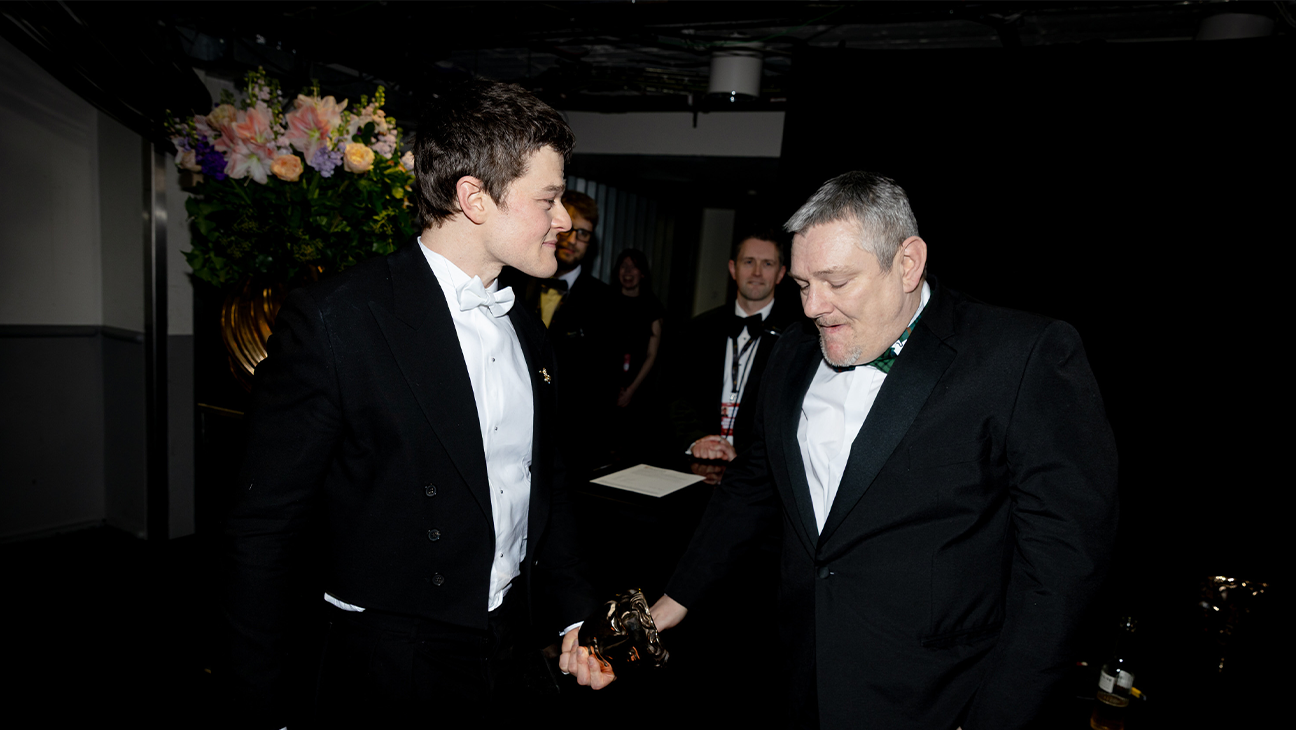
The incident in question occurred when John Davidson, an executive producer and the inspiration behind the Tourette’s-focused winning film I Swear, experienced a series of vocal tics during the BAFTA ceremony. These tics included curses, insults, and, critically, a racial slur uttered while Black presenters Delroy Lindo and Michael B. Jordan were on stage. The BBC, which broadcast the event on a tape delay, initially kept the segment in the airing and streaming replays, drawing widespread criticism before eventually editing the slur out of the streaming version and issuing an apology for the "strong and offensive language."
Davidson, a dedicated campaigner for Tourette Syndrome awareness, later released a statement expressing his deep mortification that his involuntary tics might be perceived as intentional or meaningful. He disclosed that he chose to leave the ceremony early due to his awareness of the distress his tics were causing. This experience, he noted, painfully mirrored the themes of isolation and misunderstanding explored in I Swear.
The Broader Implications for the Tourette Syndrome Community
The BAFTA incident swiftly amplified existing anxieties within the Tourette Syndrome community. U.K. charity Tourette’s Action issued a statement clarifying the involuntary nature of tics and expressing disappointment over the media’s reaction. The organization underscored that individuals with TS often experience profound distress after involuntarily uttering offensive words, stating that tics "are not a reflection of a person’s beliefs, intentions, or character." They also highlighted the severe mental health consequences of being misunderstood, including increased isolation, anxiety, depression, and even a heightened risk of suicide.
Jess Thom elaborated on the "emotional complexity" of living with a body and mind that behave in ways that are often shocking and do not reflect one’s true self. She stressed that people with Tourette Syndrome constantly manage their physical and social environments, battling symptoms long before and after public incidents. The challenge, she noted, is that even unintentional words can inflict real harm, placing society in a difficult position of balancing accountability with understanding neurological conditions.
Prominent Voices and Calls for Empathy
The incident quickly drew attention from other public figures with Tourette Syndrome. Grammy-winning artist Billie Eilish, who has openly discussed her TS diagnosis, previously shared her frustrations with how people react to her tics. In a 2022 interview with David Letterman, she described how laughter is a common, yet deeply offensive, reaction, emphasizing her hope that increased dialogue would lead to wider acceptance and a greater realization of how common the condition is. "So many people have it that you would never know," Eilish told Letterman.
New York City Public Advocate Jumaane Williams, an elected official who also lives with TS and coprolalia, announced his intention to share his lived experiences. Williams, who is Black and has experienced involuntary tics including racial slurs, recognized the particular sensitivity and trauma associated with such language, especially when uttered by someone with a neurological condition. His forthcoming perspective aims to further illuminate the complexities of TS from a uniquely intersectional viewpoint.
Media Representation and Industry Responsibility
Historically, Tourette Syndrome has often been portrayed in entertainment as a one-off novelty, rather than a deeply personal and ongoing challenge. While recent years have seen more nuanced representations, such as with Big Brother U.K. contestant Pete Bennett and TikTok personality Baylen Dupree, the BAFTA incident underscores the entertainment industry’s ongoing responsibility in shaping public understanding. Robert Aramayo, the actor who played John Davidson in I Swear and won an award, used his acceptance speech to advocate for greater sympathy, stating, "For people living with Tourette’s, it’s us around them who help them define what their experience is. So, to quote the film, they need support and understanding."
The BAFTAs, in their subsequent statement, attempted to navigate the delicate balance of acknowledging Davidson’s condition while also apologizing "unreservedly" for the "profoundly offensive term" heard by guests. They affirmed that Davidson "has devoted his life to educating and campaigning for better understanding of this condition," and that his tics "are in no way a reflection of an individual’s beliefs and are not intentional." However, they also recognized the "incomparable trauma and pain" caused by the language.
Moving Forward: Education and Preparedness
Jess Thom suggested that event organizers hold a crucial role in preventing such incidents from causing widespread distress. She recounted attending the BAFTAs herself years prior for a pilot she made about TS, noting that organizers had prepared attendees well, ensuring a smooth experience for all. She questioned whether similar preparatory measures were sufficiently implemented for the recent ceremony, given the public reaction.
Advocates hope that, despite the initial "dread" and widespread misunderstanding, the BAFTA incident can ultimately serve as a catalyst for deeper public education and empathy. The goal is to move beyond sensationalized portrayals and recognize that living with Tourette Syndrome is a constant, complex experience, not merely a series of shocking incidents. The ongoing effort aims to foster a society that provides genuine support and understanding, reducing the isolation and distress faced by those navigating this challenging neurological condition.