French President Emmanuel Macron has unveiled a significant expansion of France’s nuclear deterrent capabilities, including an increase in the number of nuclear warheads and the temporary deployment of nuclear-armed aircraft to eight European partner nations. This initiative, dubbed "advanced deterrence," aims to bolster continental security and represents a distinct nuclear security relationship with key allies, separate from but complementary to existing NATO arrangements. The announcement comes amid escalating global tensions and a perceived hardening of the international security environment.
France’s New Nuclear Doctrine: "Advanced Deterrence"
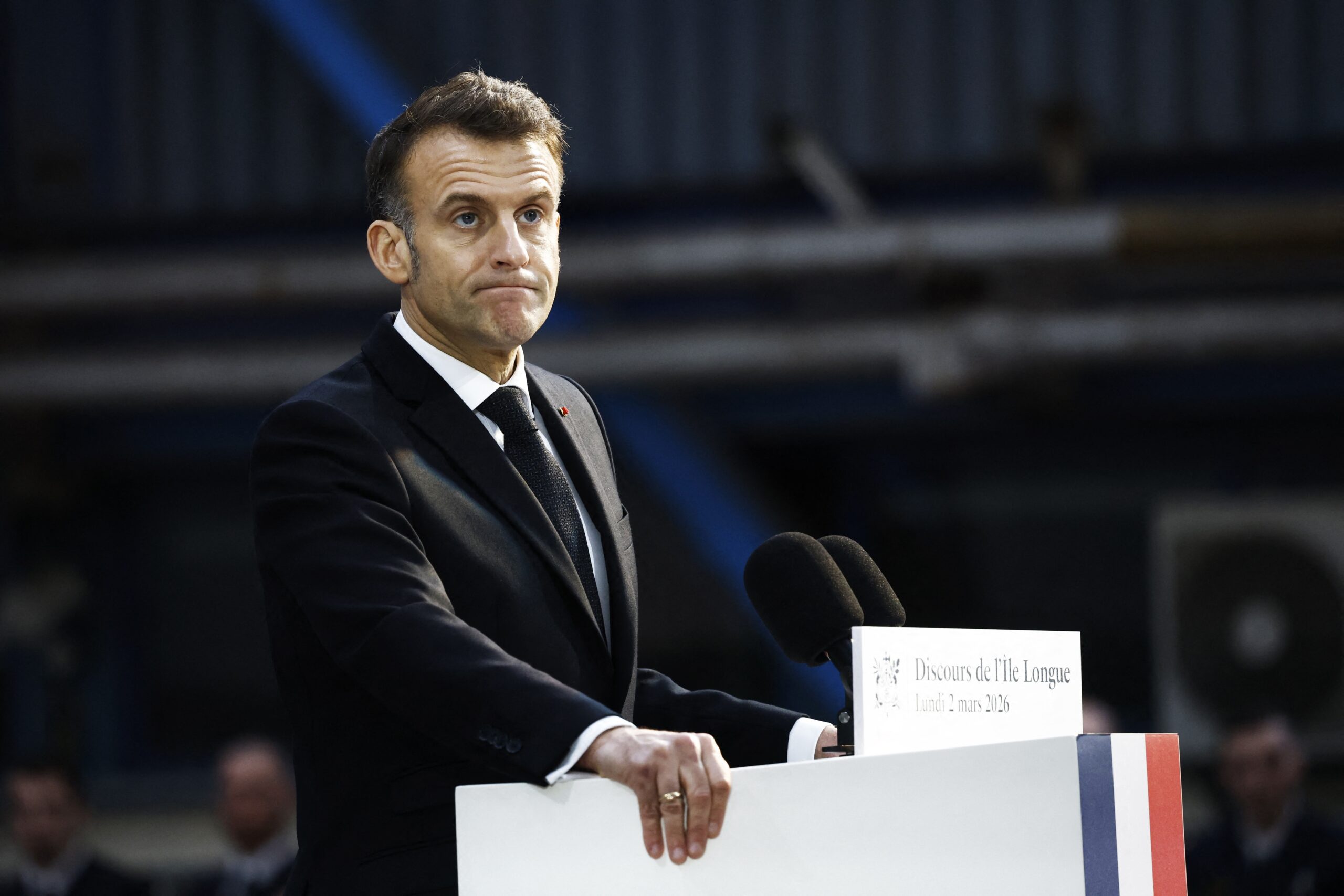
President Macron’s address from the Ile Longue nuclear submarine base marked a pivotal moment in French defense policy. The core of his announcement centers on the concept of "advanced deterrence," a framework designed to forge a deeper, more structured nuclear security relationship with a select group of European nations. This initiative is intended to provide a robust response to a multipolar world where threats are increasingly complex and unpredictable.
The president explicitly stated the need to strengthen France’s nuclear deterrent in the face of escalating global threats. He emphasized that this strategy must be considered "deep within the European continent," underscoring a commitment to collective security while maintaining French sovereignty. Macron’s remarks conveyed a stark assessment of the current geopolitical landscape, suggesting that a strong deterrent is essential for maintaining freedom and security.
The Eight European Partners
The eight European countries that have agreed to participate in this enhanced security framework are Germany, Britain, Poland, the Netherlands, Belgium, Greece, Sweden, and Denmark. These nations will have the capacity to host French "strategic air forces," which can be strategically dispersed across the continent. The deployment is intended to complicate the calculations of potential adversaries and project a unified European defense posture.
This expansion of French nuclear cooperation comes at a time of heightened concern within Europe regarding future security arrangements. The potential for shifts in political leadership in major European powers, such as the upcoming French presidential election and the possibility of a victory for the far-right National Rally party, has fueled anxieties about the stability of existing alliances and defense commitments.
Rationale Behind the Escalation
Macron’s announcement comes against a backdrop of increasingly volatile global dynamics. He characterized the current world as "hardening," with adversaries exhibiting greater boldness, alliances facing uncertainty, and nuclear risks elevated compared to previous eras. This assessment is informed by several key global developments.
The ongoing conflict in Ukraine, described by Macron as a "slow and cruel" war waged by Russia, has underscored the fragility of European security. Concurrently, China’s rapid military modernization and its position as the world’s largest weapons manufacturer are seen as significant shifts in the global balance of power. Furthermore, the expansion of nuclear arsenals by countries like India, Pakistan, and North Korea, alongside ongoing instability in the Middle East, contributes to this heightened sense of insecurity.
Macron specifically pointed to the widening conflict in the Middle East, warning that a potential escalation between the United States, Israel, and Iran could have spillover effects reaching Europe’s borders. This complex web of threats necessitates a reassessment of European defense strategies and France’s role within them.
A Strategic Shift: Increasing Warheads and Reducing Transparency
A key element of Macron’s announced strategy is the explicit order to increase the number of nuclear warheads within France’s arsenal. This marks a significant departure from France’s long-standing nuclear posture. For decades, France has maintained a relatively stable nuclear arsenal, estimated to be around 290 warheads, ranking it fourth globally behind the United States, Russia, and China. This increase is the first since at least 1992.
Adding to this strategic shift, France will also cease public disclosures regarding the exact figures of its nuclear arsenal. This reversal of past transparency practices signals a move towards a more opaque, and potentially more assertive, nuclear posture. The aim is to further enhance the uncertainty for any potential adversary contemplating aggression.
Macron sought to reassure that this is not an invitation to an arms race. Instead, he framed it as a necessary measure to ensure that no adversary or combination of adversaries could contemplate a strike against France without facing the certainty of unacceptable retaliatory damage. This doctrine of assured destruction remains a cornerstone of French nuclear strategy.
Implications for European Security and NATO
The "advanced deterrence" initiative is designed to be distinct from, yet complementary to, NATO’s existing nuclear arrangements. While NATO’s collective defense relies on the nuclear capabilities of the United States and, to a lesser extent, Britain and France, Macron’s proposal carves out a specific, more intimate nuclear security relationship with a subset of European powers.
This could lead to a more layered and complex European nuclear architecture. While the United States remains the cornerstone of NATO’s nuclear umbrella, France’s willingness to share its nuclear capabilities, albeit in a limited and temporary fashion, could offer European allies a greater sense of security and autonomy. This is particularly relevant in light of potential shifts in U.S. foreign policy and its commitment to European defense.
The inclusion of Britain, a non-EU member, in the eight-nation group is also noteworthy. It suggests a pragmatic approach to security that transcends current political alignments, prioritizing shared strategic interests in the face of common threats.
Public Impact and Geopolitical Repercussions
The announcement of an increased nuclear arsenal and enhanced deployment capabilities will inevitably spark debate both domestically within France and among its European partners and global observers. For the participating eight nations, the agreement offers a tangible increase in their perceived security guarantees. However, it also raises questions about the practicalities of hosting and managing such deployments and the potential implications for their own non-proliferation commitments.
Globally, France’s move could be interpreted in various ways. Some may view it as a responsible step to maintain stability in a volatile world, while others might see it as a destabilizing escalation that could provoke countermeasures from other nuclear powers. The shift away from transparency regarding its arsenal size could also fuel suspicion and complicate arms control efforts.
The timing of the announcement, preceding significant political events and amidst ongoing international crises, suggests a calculated strategy to proactively address perceived security deficits. The long-term consequences of this "advanced deterrence" strategy will depend on how it is implemented, how adversaries respond, and whether it ultimately contributes to a more stable or a more precarious European security environment.
A World of Growing Nuclear Ambitions
Macron’s assessment of a "hardening" world is supported by global trends in nuclear modernization and proliferation. Russia’s ongoing war in Ukraine has brought nuclear rhetoric to the forefront of international discourse, raising concerns about the potential for escalation. China’s rapid military expansion, including its nuclear capabilities, is a significant factor in the Indo-Pacific and increasingly influences global strategic calculations.
The nuclear programs of India, Pakistan, and North Korea continue to evolve, adding further complexity to the global security landscape. These developments, combined with the persistent instability in the Middle East, create a challenging environment for nuclear powers and non-nuclear states alike.
France’s decision to bolster its nuclear deterrent and extend its strategic reach within Europe reflects a broader trend among major powers to adapt their nuclear strategies in response to these evolving threats. Whether this leads to a more secure continent or inadvertently fuels a new era of nuclear competition remains to be seen.