Ian Maxwell, brother of convicted sex trafficker Ghislaine Maxwell, publicly refuted claims that his sister sought a pardon from former President Donald Trump, simultaneously asserting that she is not attempting to shield any high-profile individuals from the fallout of the Jeffrey Epstein scandal. The British businessman, speaking in an interview published Wednesday, February 18, 2026, also defended Trump against allegations of wrongdoing in connection with the recently released Epstein files, dismissing the ongoing political use of the scandal as partisan maneuvering.
The Lingering Shadow of Jeffrey Epstein and Ghislaine Maxwell
Ghislaine Maxwell, 64, a prominent socialite and daughter of the late media mogul Robert Maxwell, was convicted in December 2021 for her role in facilitating the sexual abuse of underage girls by her former associate, financier Jeffrey Epstein. Her conviction cemented her status as a central figure in one of the most sensational and disturbing criminal cases of recent decades. Currently serving a 20-year sentence in federal prison, Maxwell remains a subject of intense public and legal scrutiny, particularly as new details and documents related to Epstein’s network continue to emerge. The intricate web of powerful figures associated with Epstein, including politicians, celebrities, and business magnates, has fueled persistent speculation about who else might be implicated and what information Maxwell might possess. The release of previously sealed court documents, often referred to as the "Epstein files," by the Justice Department has reignited public interest and intensified calls for accountability for all individuals connected to the disgraced financier.
Denying Pardon Requests and Political Allegations
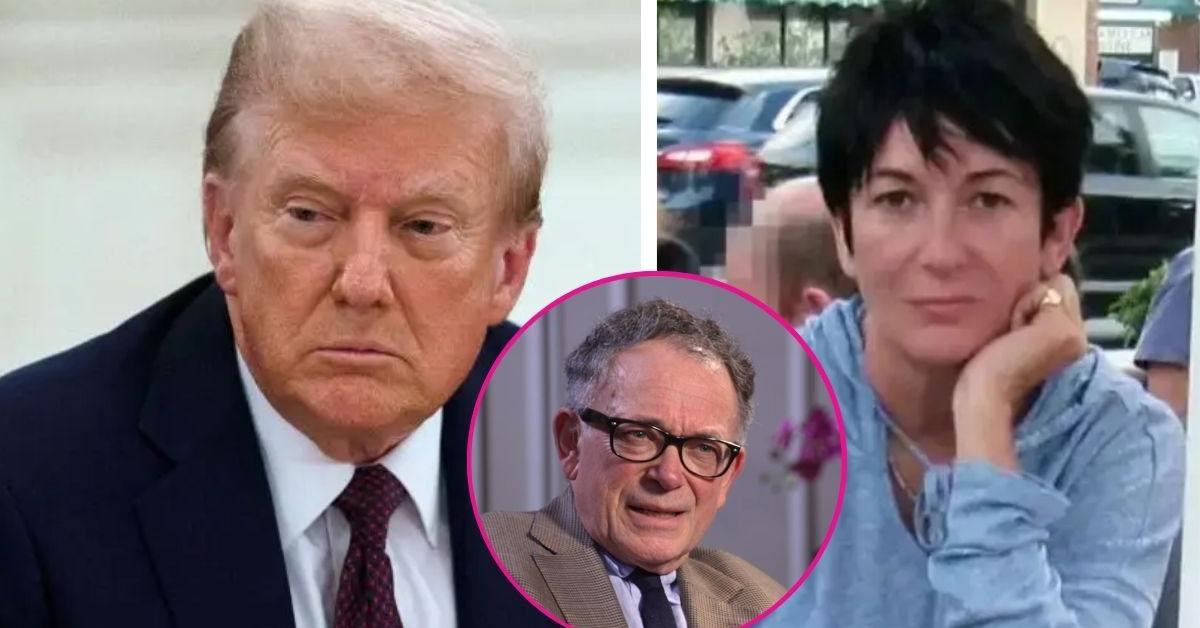
During his interview, Ian Maxwell directly addressed the swirling rumors regarding his sister’s alleged pursuit of a presidential pardon. He unequivocally stated, "Ghislaine has not asked President Trump for a pardon." He attributed the origin of such assertions to her former legal counsel, suggesting that the narrative was not driven by his sister herself. These rumors had gained traction amid speculation that Maxwell might offer testimony or information that could exonerate certain high-profile individuals, including Donald Trump and former President Bill Clinton, in exchange for clemency. The notion of a quid pro quo involving a pardon for silence or exculpatory testimony has been a persistent undercurrent in public discussions surrounding Maxwell’s incarceration.
Ian Maxwell further characterized the broader Epstein scandal as a political football, stating, "The fact of the matter is that the Epstein scandal is being used by both sides of the aisle to beat the present president and the former president." This perspective suggests a belief that the pursuit of justice in the Epstein case has become intertwined with political opportunism, with both Republican and Democratic factions allegedly leveraging the scandal to discredit opponents. He went on to defend Donald Trump directly, asserting, "President Trump has not done anything wrong. You tell me, have you found anything wrong in the papers yet? I haven’t seen anything there," referring to the recently unsealed Epstein files. This defense aims to counter any implications that Trump, who was known to socialize with Epstein, had any culpable involvement in the sex trafficking operation.
Pleading the Fifth Amendment: A Legal Imperative
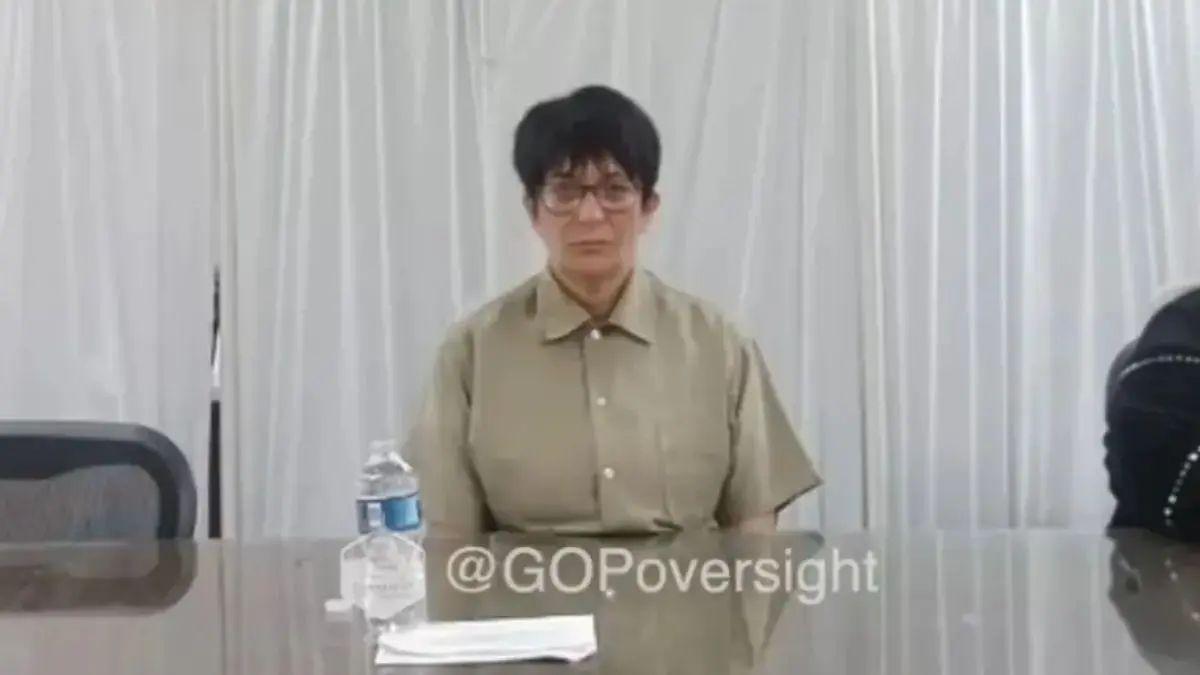
A significant development preceding Ian Maxwell’s interview was Ghislaine Maxwell’s appearance before a virtual House Oversight Committee deposition on Monday, February 9, 2026. During this highly anticipated session, Maxwell notably refused to answer questions, invoking her Fifth Amendment right to remain silent. This legal maneuver, which protects individuals from self-incrimination, drew immediate attention and renewed public debate about the extent of her cooperation, or lack thereof, with ongoing investigations.
Ian Maxwell explained his sister’s decision to plead the Fifth as a direct consequence of legal counsel. He clarified that "the legal advice was absolutely clear" that she should invoke her constitutional right to avoid inadvertently providing information that could be used against her in future legal proceedings or appeals. This strategic silence, while frustrating for those seeking answers, is a common practice in complex criminal cases, particularly when an individual is already incarcerated and facing potential additional charges or extended sentences. It underscores the careful legal navigation involved in such high-stakes situations, where every statement can have profound consequences.
Extensive Cooperation with the Justice Department
Despite her recent silence before the House Oversight Committee, Ian Maxwell revealed that his sister had previously engaged in extensive cooperation with federal authorities. He highlighted a significant meeting that took place in July 2025, approximately seven months prior to her congressional deposition. During this period, Ghislaine Maxwell reportedly met with U.S. Deputy Attorney General Todd Blanche for two days of questioning. "He asked her over two days of questioning several hundred questions. She didn’t fail to answer a single one of those," Ian Maxwell stated. This revelation suggests a bifurcated approach to cooperation, where Maxwell’s legal team may have advised her to engage with the executive branch’s investigative arm while maintaining silence before a legislative body.
The scope and nature of the questions posed by Deputy Attorney General Blanche remain undisclosed, but the fact that Maxwell answered "several hundred questions" indicates a detailed engagement with federal prosecutors. This level of cooperation with the Justice Department could potentially provide investigators with crucial insights into Epstein’s network, his associates, and the inner workings of his criminal enterprise. The distinction between cooperating with the Department of Justice, which holds prosecutorial power, and a congressional committee, which primarily focuses on oversight and public inquiry, is a key element in understanding Maxwell’s legal strategy.
Prison Relocation and Safety Concerns
Adding another layer of complexity to Ghislaine Maxwell’s situation is her relocation to a minimum-security prison facility in Texas during the summer of 2025, shortly after her meetings with Deputy Attorney General Todd Blanche. She was transferred from the Federal Correctional Institution (FCI) Tallahassee in Florida to Federal Prison Camp Bryan (FPC Bryan) in Texas. This move sparked public and congressional questions, with some speculating about whether it was a reward for cooperation or a measure taken to protect her.
Ian Maxwell defended the transfer, emphasizing his sister’s precarious position within the federal prison system. "Ghislaine is possibly the most notorious prisoner in the U.S. federal system today," he asserted. He detailed the threats she faced at FCI Tallahassee, drawing a stark parallel to the mysterious death of Jeffrey Epstein in federal custody. "We know that prison is a very violent place. Jeffrey Epstein died. Ghislaine did have many threats in Tallahassee where she was," he explained. He characterized Tallahassee as "a notoriously violent and dangerous place for her own safety," concluding that "She had to be moved." This explanation posits that the relocation was a necessary measure to ensure her personal safety, given her high-profile status and the inherent dangers of the prison environment, particularly in the context of Epstein’s own demise.
Broader Implications and Public Reactions
The ongoing saga surrounding Ghislaine Maxwell and the Jeffrey Epstein scandal continues to have far-reaching implications across political, social, and legal spheres. The persistent demand for transparency and accountability for all individuals connected to Epstein’s sex trafficking ring remains strong, fueled by public outrage and the unwavering pursuit of justice for victims. The political weaponization of the scandal, as described by Ian Maxwell, highlights the difficulty in separating the pursuit of justice from partisan agendas, particularly in a highly polarized political climate.
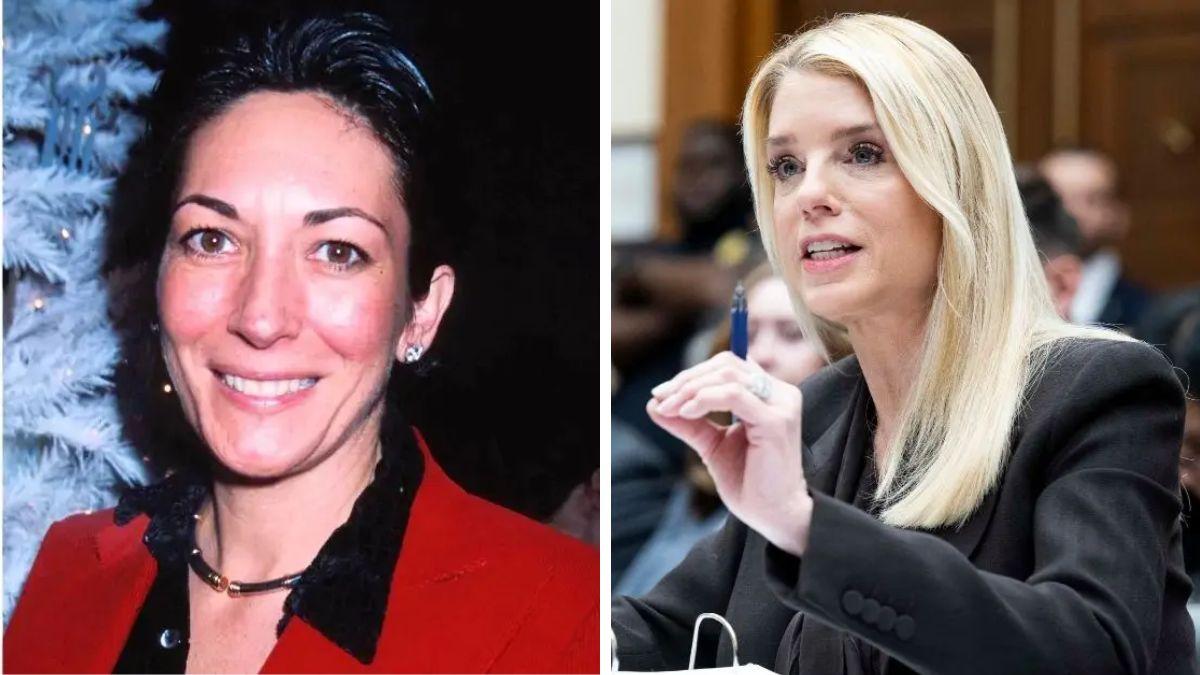
Public figures have not shied away from expressing strong opinions regarding Maxwell’s fate. For instance, former Florida Attorney General Pam Bondi notably stated her hope that Ghislaine Maxwell would "hopefully die in prison" during a hearing discussing the government’s handling of the Epstein files. Such comments reflect the deep-seated public anger and desire for severe punishment for Maxwell’s crimes, even as her brother seeks to contextualize her actions and present a narrative of self-preservation and political targeting. The continuous release of Epstein-related documents, whether by court order or Justice Department action, ensures that the scrutiny of the network and its players will persist, keeping the pressure on for further revelations and accountability.
Ongoing Investigations and Future Developments
As Ghislaine Maxwell serves her sentence, the legal and political repercussions of the Jeffrey Epstein scandal are far from over. Congressional committees, including the House Oversight Committee, continue their inquiries, seeking to uncover the full extent of Epstein’s operations and identify any failures in the justice system. The Justice Department, through its ongoing investigations and the gradual unsealing of documents, signals a continued commitment to addressing the complex web of crimes associated with Epstein and his co-conspirators. The conflicting narratives presented by Ian Maxwell—denying a pardon request while confirming extensive cooperation with federal prosecutors and citing safety as the reason for her prison transfer—underscore the intricate and often contradictory nature of this high-profile case. The public and various oversight bodies will continue to monitor developments closely, demanding clarity and justice in a scandal that has profoundly shaken trust in powerful institutions and individuals.