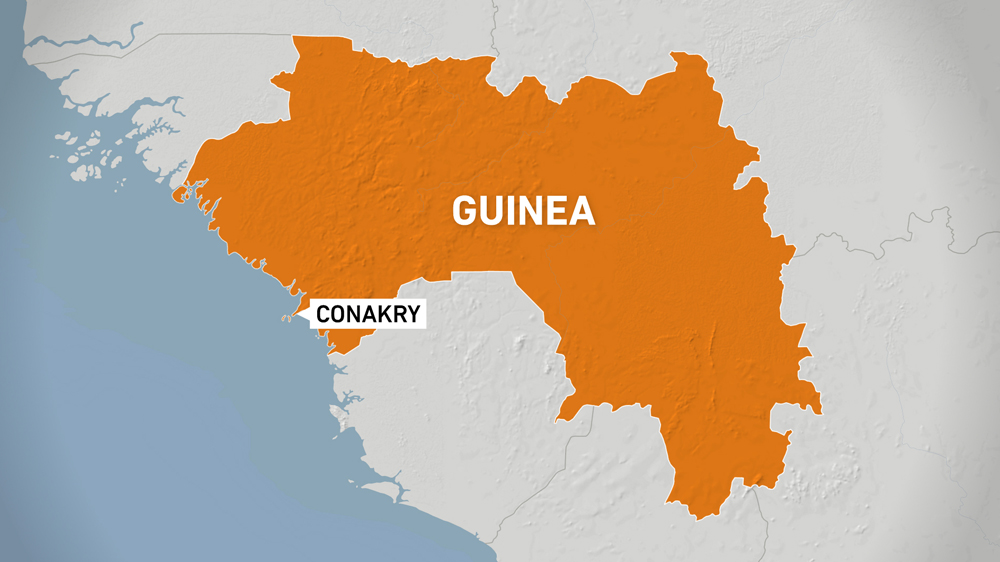
Conakry, Guinea – Sustained and intense gunfire erupted Tuesday morning in the vicinity of the central prison in Guinea’s capital, Conakry, sending shockwaves through the city and prompting a swift security response. The precise cause of the shooting and the identities of the perpetrators remain unknown, with authorities yet to issue an official statement regarding the alarming incident. The sounds of automatic weapons shattered the relative calm of the morning, raising immediate concerns about security and stability in a nation that has experienced significant political upheaval in recent years.
Security Forces Mobilize Amidst Gunfire
Eyewitness accounts paint a vivid picture of a rapid security mobilization. Shortly after the gunfire began, military vehicles, including pickup trucks laden with armed security personnel and an armored carrier equipped with a machine gun, were observed converging on the Kaloum administrative district. This district is not only home to the central prison but also houses key government institutions, including the presidential palace, amplifying the potential significance of the security deployment. The presence of heavily armed forces and armored vehicles in such a sensitive area underscored the gravity of the unfolding situation.
A journalist from Agence France-Presse reported that a security cordon, comprising police officers and elite special forces, was established, effectively blocking access to the road leading to the prison. An armored vehicle belonging to the special forces was conspicuously positioned in front of the correctional facility, a clear indication of the heightened security posture. These measures were implemented rapidly, suggesting a pre-existing readiness to respond to security threats in the capital.
Eyewitness Accounts Detail Alarming Scene
Residents in the vicinity of the prison described a chaotic and frightening scene. Thierno Balde, an accountant working in the neighborhood, recounted hearing the distinct sound of vehicles speeding past, followed by the unmistakable rattle of automatic gunfire. His immediate reaction was to seek safety, a sentiment echoed by many others who found themselves caught in the crossfire of this sudden outbreak of violence.
The shooting reportedly commenced shortly before 9:00 AM local time (09:00 GMT) and persisted for just over thirty minutes. The rapid succession of shots indicated the use of automatic weapons, contributing to the palpable sense of alarm among those who heard it. The duration of the intense firing, while relatively brief, was sufficient to cause significant apprehension and disrupt normal daily activities.
Abdouramane Doukoure, a retired civil servant, was in his vehicle passing near the prison when the gunfire erupted. He described being caught in a traffic jam as the shooting began. The ensuing panic led to vehicles and individuals scattering in various directions in an attempt to escape the immediate vicinity. This account highlights the spontaneous and disorienting nature of the event for those caught in its path.
One resident, whose home is situated adjacent to the prison, reported hearing sounds consistent with gunfire originating from within the facility itself. While this individual noted that the situation had seemingly calmed down by the time of their statement, a pervasive sense of uncertainty lingered. The resident expressed apprehension about the duration of this apparent tranquility, underscoring the fragile nature of the restored calm. The lingering question of "for how long" speaks to the deep-seated anxieties that such incidents can ignite.
Context of Guinea’s Political Landscape
The events in Conakry unfold against a backdrop of persistent political instability in Guinea. The nation has experienced a series of coups and attempted coups in recent decades, creating an environment where sudden security breaches can be particularly concerning. The military seized power in September 2021, ousting President Alpha Condé, and has since been navigating a complex transition period. The current ruling junta, led by Colonel Mamady Doumbouya, has pledged to restore constitutional order and return the country to civilian rule, but progress has been slow, leading to public frustration and international scrutiny.
The presence of the presidential palace in the Kaloum district, the same area where the gunfire occurred, adds another layer of sensitivity to the incident. Any threat to this seat of power would have immediate and far-reaching implications for the nation’s governance and security. The central prison itself is a key component of the state’s correctional and security apparatus, and any disruption within its walls or in its immediate vicinity could signal a more significant breakdown in order.
Potential Triggers and Implications
While the exact trigger for the gunfire remains unconfirmed, several possibilities could be considered. Security incidents at prisons can stem from a variety of causes, including attempted escapes, riots by inmates, or external attacks aimed at freeing prisoners. Given the heightened security presence, it is also plausible that the incident involved security forces themselves, perhaps in response to an internal threat or a coordinated breach. The involvement of military pickup trucks and armored carriers suggests a significant security operation was underway or being initiated.
The immediate implication of such an event is a heightened sense of insecurity among the population of Conakry. Residents are likely to be on edge, concerned about their safety and the potential for further unrest. The incident could also have significant repercussions for the transitional government, potentially undermining its efforts to project an image of stability and control. International partners, who have been closely monitoring Guinea’s political trajectory, will undoubtedly be seeking clarity on the situation and assurances that the government is capable of maintaining order.
Economic and Social Ramifications
Beyond the immediate security concerns, prolonged periods of instability can have detrimental effects on Guinea’s economy and social fabric. The nation is rich in natural resources, particularly bauxite, and relies heavily on mining for its economic growth. Disruptions to security can deter foreign investment and impact the operations of mining companies, leading to economic losses and reduced opportunities for the population. Furthermore, such incidents can exacerbate existing social tensions and erode public trust in institutions.
The fear generated by gunfire near a central prison can disrupt daily life, affecting businesses, transportation, and access to essential services. The psychological impact on residents, particularly those living in close proximity to the affected area, can be significant, leading to increased anxiety and a diminished sense of security. Rebuilding public confidence in the government’s ability to ensure safety and security is paramount following such an event.
Official Response and Future Outlook
As of now, official statements from Guinean authorities have been absent. This silence, while not uncommon in the initial stages of developing security incidents, can contribute to speculation and anxiety. The government’s ability to provide timely and transparent information will be crucial in managing public perception and mitigating the potential fallout from this event. A clear explanation of what transpired, along with demonstrable steps to address the root causes and prevent future occurrences, will be vital for restoring confidence.
The incident serves as a stark reminder of the challenges facing Guinea as it attempts to transition towards a more stable and democratic future. The security forces’ rapid response, while potentially effective in containing an immediate threat, also highlights the underlying security vulnerabilities within the capital. The coming days will likely see increased scrutiny of the government’s actions and pronouncements, as both domestic and international observers seek to understand the full scope and implications of the gunfire near the Conakry central prison. The ability of the transitional government to navigate this crisis effectively will be a critical test of its leadership and its commitment to national security and stability.