Honor unveiled its highly anticipated "Robot Phone" concept at the Mobile World Congress in Barcelona, showcasing a device that integrates a motorized robotic arm with advanced artificial intelligence. The device represents a significant departure from traditional smartphone design, moving toward what the company describes as a "new species" of mobile technology.
The announcement occurred during a high-profile keynote where Honor executives detailed their vision for the future of the mobile ecosystem. By combining robotic motion with high-resolution imaging, the company aims to redefine how users interact with their handheld devices.
Industry analysts and tech enthusiasts gathered in Barcelona to witness the first public demonstration of the hardware. While the device remains a concept, the functional prototypes displayed a level of mechanical sophistication rarely seen in the consumer electronics sector.
The Engineering Behind the Honor Robot Phone
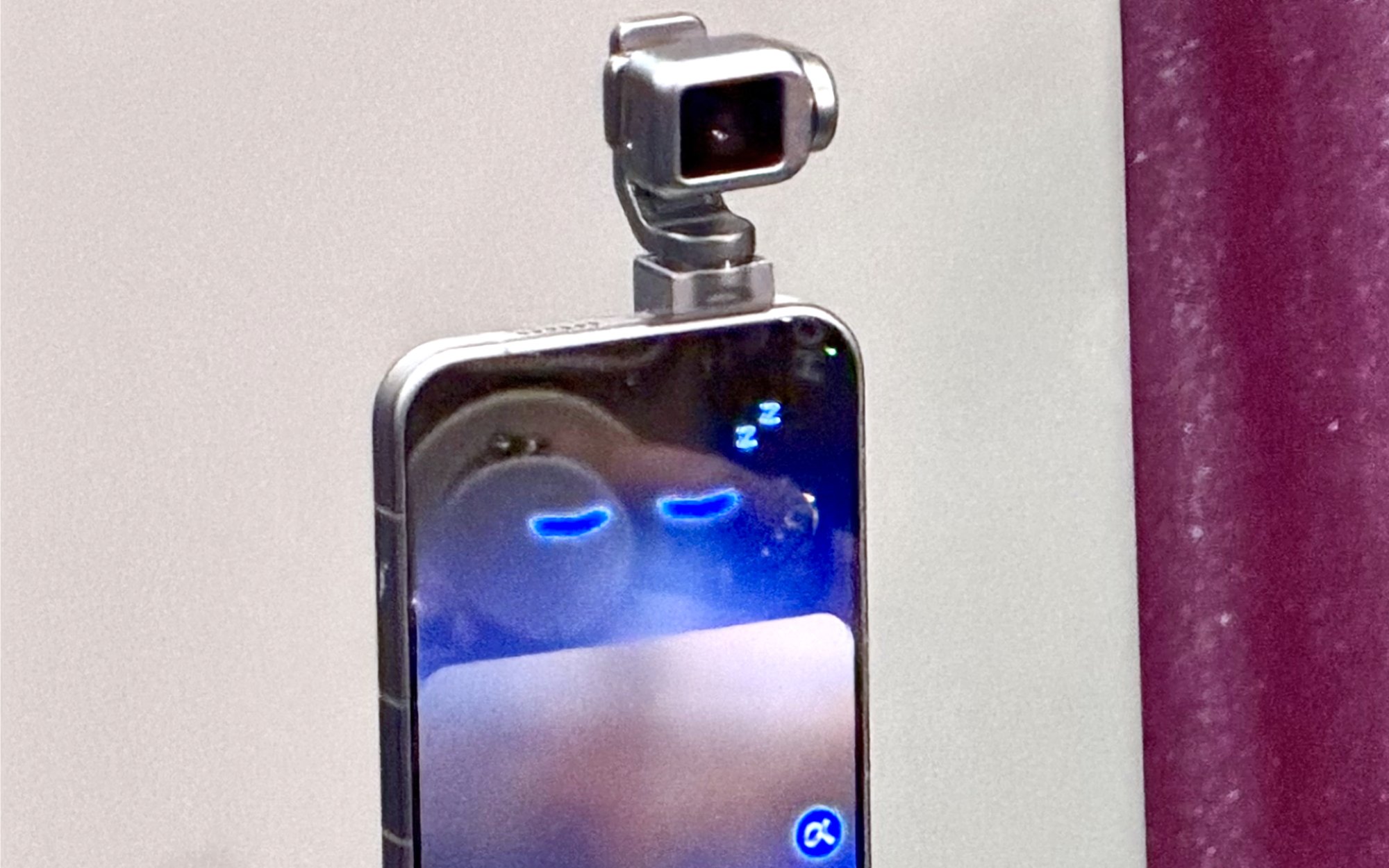
The centerpiece of the Honor Robot Phone is a specialized robotic arm that emerges from the rear of the device. This arm houses a 200-megapixel camera sensor, which serves as both a high-fidelity imaging tool and a visual sensor for the phone’s onboard artificial intelligence.
To achieve this level of mechanical movement within the slim constraints of a smartphone, Honor developed what it claims is the world’s smallest micro motor. This motor allows the camera arm to function as a three-axis gimbal, providing stabilization and movement that exceeds current internal optical image stabilization systems.
The robotic arm can move independently of the phone’s body, allowing the camera to track subjects across a room or adjust its angle for the perfect shot. This mechanical flexibility opens new possibilities for professional-grade videography without the need for external stabilizing equipment or tripods.
Understanding Embodied AI in the Honor Robot Phone
Honor has introduced the concept of "embodied AI" to describe the intelligence driving the Robot Phone. Unlike traditional AI, which exists solely as software or voice assistants, embodied AI utilizes physical movement to communicate and interact with the physical world.
The Honor Robot Phone uses its camera arm to exhibit what engineers call "personality gestures." During demonstrations, the device was observed "nodding" to confirm commands or "shaking its head" to indicate it could not perform a task. These subtle movements are designed to make the technology feel more intuitive and responsive to human presence.
When the device is in a standby state, the robotic arm can perform rhythmic movements that mimic breathing. This design choice is intended to create a sense of life within the gadget, moving the smartphone from a static tool to an interactive companion.
Practical Applications and Real-World Use Cases
While the mechanical nature of the Honor Robot Phone is visually striking, the company emphasized several practical applications for the technology. One of the primary use cases is advanced subject tracking during video calls and content creation.
The camera eye can automatically follow a speaker as they move around a room, ensuring they remain centered in the frame. This functionality is particularly useful for remote workers, educators, and vloggers who require a dynamic camera presence without a dedicated camera operator.
Beyond communication, the device is positioned as a sophisticated home monitoring tool. Its ability to pan and tilt the camera allows it to act as a mobile security hub or a baby monitor that can actively scan an environment rather than remaining fixed on a single point.
In more casual settings, the Honor Robot Phone can synchronize its movements with music, essentially "dancing" to the beat. While this feature is largely demonstrative, it highlights the precision and speed of the micro-motor technology used in the arm’s construction.
The Role of the Honor Robot Phone in a Connected Ecosystem
During the Mobile World Congress presentation, Honor demonstrated how the Robot Phone fits into a broader vision of interconnected hardware. The device was shown interacting with a full-sized humanoid robot, illustrating a seamless link between different tiers of robotic technology.

This integration is powered by Honor’s proprietary AI architecture, which seeks to unify smartphones, tablets, wearables, and robotics. By sharing data and processing power, these devices can work in tandem to assist users with complex tasks or manage smart home environments more effectively.
The Honor Robot Phone serves as the primary interface for this ecosystem, acting as the "brain" and the primary sensor for other connected machines. This strategy suggests that Honor is looking beyond the smartphone market to become a leader in the burgeoning field of domestic and personal robotics.
Technical Challenges and Hardware Durability
The introduction of complex moving parts into a smartphone raises significant questions regarding durability and longevity. Smartphones are subject to extreme conditions, including drops, dust exposure, and frequent pocketing, all of which could potentially damage a delicate robotic arm.
Honor engineers noted that the micro motor and the arm mechanism have undergone rigorous testing to ensure they can withstand the rigors of daily use. However, the company has not yet provided specific data on the "mean time between failures" for the mechanical components.
Battery life is another critical concern for a device that uses physical motors. Moving a camera arm requires more power than processing pixels on a screen, and how Honor manages this power consumption will be vital to the success of any future commercial version of the Honor Robot Phone.
Market Impact and Competition in Mobile Innovation
The reveal of the Honor Robot Phone comes at a time when the smartphone industry is searching for the next major hardware breakthrough. With the market for foldable phones maturing, manufacturers are looking for new ways to differentiate their products in a crowded field.
Competitors like Samsung, Apple, and Xiaomi have focused heavily on software-based AI and camera sensor size. Honor’s move toward physical robotics represents a distinct path that could either create a new market niche or remain a specialized tool for high-end enthusiasts.
Industry experts suggest that if Honor can successfully commercialize the Robot Phone, it could force other manufacturers to reconsider the physical limitations of current smartphone designs. The integration of robotics could lead to a new era of "kinetic" hardware that changes shape or function based on the user’s needs.
Public Perception and the Future of AI Interaction
The reaction to the Honor Robot Phone has been a mix of fascination and skepticism. While many praise the engineering feat required to shrink a robotic gimbal into a phone, others question whether the added complexity provides enough value to the average consumer.
The concept of a phone that "breathes" or "nods" also touches on the "uncanny valley," where human-like movements in machines can feel unsettling to some users. Honor will need to balance the device’s robotic personality with utility to ensure it is perceived as a helpful tool rather than a gimmick.
As AI continues to integrate into daily life, the physical form that AI takes will become increasingly important. The Honor Robot Phone is one of the first major attempts to give AI a physical body that people carry in their pockets every day.
Conclusion and Expected Development Timeline
As of the current reports from the Mobile World Congress, the Honor Robot Phone remains a concept and does not have an official release date or pricing structure. Honor has used the event to gauge interest and demonstrate its technical prowess to the global market.
The company’s focus on developing the world’s smallest micro motor suggests that even if this specific phone does not reach mass production, the underlying technology will likely appear in future Magic series devices. The miniaturization of robotics is a trend that extends far beyond the smartphone industry, with implications for medical devices and aerospace engineering.
For now, the Honor Robot Phone stands as a bold statement of intent. It challenges the established norms of mobile design and offers a glimpse into a future where our devices are not just passive screens, but active, moving participants in our digital lives. The tech community will be watching closely to see if this "new species" of smartphone can survive the transition from the showroom floor to the retail shelf.