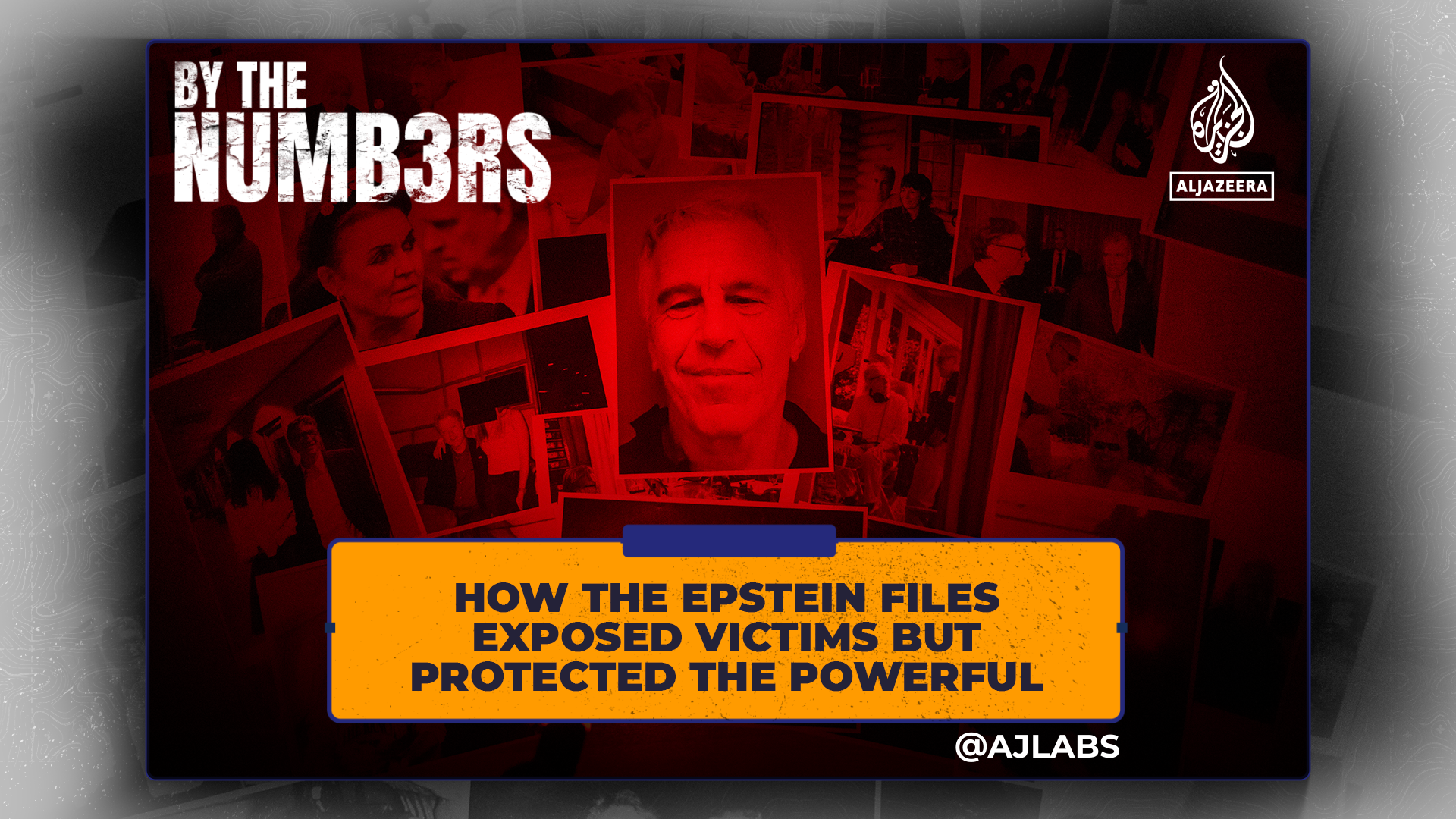
The unsealing of previously confidential documents related to Jeffrey Epstein’s sex trafficking network has brought a new wave of revelations, shedding light on the breadth of his criminal enterprise and the alleged complicity of numerous high-profile individuals. While these files have undeniably amplified the voices of victims and provided crucial details about the abuse they endured, critics argue that the process has simultaneously served to shield many powerful figures from full accountability, leaving a lingering sense of injustice.
The sheer volume of information released, comprising thousands of pages of court documents, deposition transcripts, and witness statements, offers an unprecedented look into the inner workings of Epstein’s operations. These documents detail allegations of sex trafficking, sexual abuse, and exploitation that spanned decades and involved victims, many of whom were minors, from various backgrounds. The systematic nature of the abuse, as described within the files, underscores the deeply entrenched criminal activity that Epstein orchestrated.
Epstein’s Network and Alleged Accomplices
For years, Jeffrey Epstein cultivated a network that extended far beyond his immediate circle, reaching into the highest echelons of society. The newly released files name a significant number of individuals, including prominent business figures, politicians, scientists, and royalty, who allegedly interacted with Epstein and, in some cases, were aware of or participated in his illicit activities. These connections paint a disturbing picture of how wealth and influence can be used to facilitate and conceal egregious crimes.
The documents reveal patterns of behavior and alleged involvement that have shocked many, but also confirmed suspicions that had long circulated in whispers. Victims’ testimonies, now made public, provide harrowing accounts of their experiences, detailing the psychological and physical trauma inflicted upon them. The courage of these individuals in coming forward, even years later, is a central theme that emerges from the newly unsealed records.
The Paradox of Transparency: Victims’ Voices vs. Elite Protection
The primary impact of the Epstein files’ release is the amplification of victims’ stories. For too long, many survivors of Epstein’s abuse felt silenced and disbelieved. The unsealing of these documents provides a platform for their accounts to be heard by a wider audience, validating their experiences and bringing renewed attention to the systemic failures that allowed Epstein’s crimes to persist.
However, a significant criticism leveled against the unfolding of this legal and public reckoning is that it has disproportionately benefited the powerful while leaving victims still seeking full justice. While many names have surfaced, and some have faced scrutiny, the extent to which those with significant influence have been held truly accountable remains a point of contention. The legal landscape surrounding these revelations has been complex, with some individuals facing civil suits, while others have managed to avoid criminal charges or have had their alleged roles downplayed in public discourse.
Navigating the Legal and Public Response
The process of unsealing these documents was itself a lengthy legal battle, initiated by victims and their advocates seeking greater transparency and accountability. The court’s decision to release the files was a victory for those who believed that the truth about Epstein’s network and its enablers needed to be exposed. The redactions that were initially present, and the subsequent efforts to remove them, highlighted the ongoing tension between public interest and the desire of some to protect reputations.
The legal ramifications of the unsealed documents are still unfolding. While Epstein himself died by suicide in jail in 2019 while awaiting trial on sex trafficking charges, the fallout from his crimes continues to ripple through society. Some individuals named in the files have faced renewed public condemnation, while others have issued denials or remained silent. The legal system’s response, including civil lawsuits and potential future criminal investigations, will be crucial in determining the ultimate outcome of this chapter.
Examining the Role of Elite Networks
The Epstein files offer a stark case study in the corrosive influence of elite networks. The ability of Epstein, a convicted sex offender, to maintain relationships with powerful individuals suggests a willingness within certain circles to overlook or rationalize abhorrent behavior for social or professional gain. This phenomenon raises broader questions about complicity, power dynamics, and the ethical responsibilities of those in positions of influence.
The documents detail how Epstein allegedly leveraged his connections to facilitate his crimes, including providing access to victims and allegedly creating an environment where such abuse could occur with minimal risk of detection. This aspect of the revelations underscores the need for a deeper examination of how power structures can be manipulated to shield perpetrators and perpetuate harm.
Public Impact and the Demand for Justice
The public reaction to the Epstein files has been a mixture of outrage, disbelief, and a renewed demand for justice. The widespread dissemination of information has fueled conversations about sex trafficking, consent, and the legal system’s effectiveness in prosecuting such crimes. Social media and traditional news outlets have played a significant role in disseminating these revelations, bringing them to the forefront of public consciousness.
Many observers are calling for a more robust response from law enforcement and judicial bodies. The perceived lack of accountability for some of the most powerful individuals named in the files has led to frustration and a sense that the scales of justice are not balanced. This sentiment is particularly strong among victims’ advocates and those who have been following the case closely.
The Long Road to Accountability
The unsealing of the Epstein files represents a critical juncture in the ongoing reckoning with his legacy. While these documents have undoubtedly advanced the cause of victims by bringing their stories into the light, the question of whether they have achieved full justice for all remains a pressing concern. The exposure of Epstein’s network has been a painful but necessary step, but the path toward comprehensive accountability for all involved, especially those who wield significant power, is likely to be long and complex.
The revelations continue to prompt critical questions about the responsibility of institutions and individuals to prevent and address sexual abuse and exploitation. As more information comes to light, the focus will undoubtedly remain on ensuring that victims receive the justice they deserve and that those who enabled or participated in such horrific acts are held to account, regardless of their social standing. The enduring impact of the Epstein files will be measured not only by the names revealed but by the tangible changes they inspire in our pursuit of a more just and equitable society.