Netflix has officially released Lisa McGee’s highly anticipated dark comedy-thriller, "How to Get to Heaven From Belfast," marking a significant tonal shift for the creator behind the global phenomenon "Derry Girls." The eight-part series, which debuted globally on Feb. 12, moves away from the pure coming-of-age comedy of McGee’s previous work, instead weaving a complex narrative of adult friendship, unresolved trauma, and a central mystery that spans decades across Northern Ireland and the Republic of Ireland. Starring Roisin Gallagher, Sinéad Keenan, and Caoilfhionn Dunne, the production is being positioned by industry analysts as a cornerstone of Netflix’s 2026 European content slate, blending the sharp-witted regional humor McGee is known for with a gritty, "bizarre noir" aesthetic.
The series serves as a spiritual successor to "Derry Girls" in its exploration of female bonds, but it adopts a significantly darker lens, reflecting the maturity of both its creator and its target audience. While McGee’s earlier work focused on the innocence and absurdity of adolescence during the Troubles, "How to Get to Heaven From Belfast" examines the long-term psychological effects of secrets kept since youth. The narrative follows three childhood friends in their late 30s who are brought back together by the sudden, enigmatic death of a fourth friend, Greta, played by Natasha O’Keeffe. This inciting incident forces the trio to return to the fictional village of Knockdara in County Donegal—a location McGee fans will recognize from her 2020 psychological thriller "The Deceived."

The Evolution of Lisa McGee’s Narrative Style in How to Get to Heaven From Belfast
Lisa McGee has built a reputation for her unparalleled ability to capture the specific cadence of Northern Irish dialogue, a skill that remains the backbone of this new venture. However, "How to Get to Heaven From Belfast" demonstrates a clear evolution in her writing, moving into the realm of the "dead girl" mystery trope while simultaneously subverting it. The show does not merely function as a police procedural; it is an interrogation of memory and the way individuals edit their own histories to survive. Industry critics have noted that the series refuses to be categorized, oscillating between slapstick comedy and genuine psychological horror.
The production was filmed primarily in Carnlough, Northern Ireland, which provides the atmospheric backdrop for the fictional Knockdara. The setting is characterized by its isolation—featuring a single hotel, a solitary Garda station, and a landscape frequently obstructed by livestock—which heightens the claustrophobia of the small-town mystery. By utilizing these rural settings, the production highlights the stark contrast between the characters’ current adult lives and the wild, untamed environment of their youth where the central "terrible secret" originated.
Character Dynamics and the Central Mystery of How to Get to Heaven From Belfast
At the heart of the series is a "divine trio" of performers whose chemistry anchors the show’s more surreal elements. Roisin Gallagher portrays Saoirse, a successful but jaded crime show writer who finds herself unable to separate her professional fascination with the macabre from her personal life. Saoirse is the catalyst for the group’s amateur sleuthing, driven by a suspicion that Greta’s death was far from accidental. Her character provides a meta-commentary on the television industry itself, as she frequently clashes with her show’s diva lead actor and navigates the pressures of the awards circuit.

Sinéad Keenan plays Robyn, a high-strung mother of three who serves as the group’s pragmatic but volatile anchor. Robyn’s character represents the "sandwich generation," balancing the demands of parenthood with the sudden re-emergence of her past. Caoilfhionn Dunne rounds out the trio as Dara, a pious woman caring for her aging mother. Dunne’s performance has been singled out for its physical comedy, providing a silent, expressive counterpoint to the more dialogue-heavy scenes. Together, the three women represent a realistic, if chaotic, portrayal of long-term friendship—marked by brutal honesty and a fierce, unspoken loyalty that is tested as the mystery of Greta’s death unfolds.
Technical Execution and the Bizarre Noir Aesthetic
Director Michael Lennox and Director of Photography Ashley Barron have crafted a visual identity for "How to Get to Heaven From Belfast" that departs from the traditional muted tones of Irish drama. Instead, the series utilizes what production designer Tom Conroy calls a "surrealist hyper-colour" palette. The use of extreme Dutch angles, fish-eye lenses, and soaring landscape shots creates a sense of disorientation, reflecting the characters’ deteriorating mental states as they dig into the past. Neon-hued lighting—specifically flickering pinks, deep purples, and reds—is used to illuminate the dark, stormy nights of Belfast and Donegal, giving the series a distinct noir feel that feels both modern and nostalgic.
This visual flair is complemented by a soundtrack curated by music supervisor Catherine Grimes. Much like "Derry Girls," the series leans heavily on nostalgia, but shifts the focus to the late 1990s and early 2000s. The inclusion of tracks from Girls Aloud, the Vengaboys, and Atomic Kitten serves as more than just background music; these "needle drops" act as emotional triggers for both the characters and the audience, effectively bridging the gap between the show’s two timelines. The music highlights the specific cultural moment of the characters’ adolescence, making the revelation of their shared trauma feel more immediate.

Cultural Impact and the Global Reach of Northern Irish Television
The release of "How to Get to Heaven From Belfast" comes at a time when Northern Ireland’s film and television industry is experiencing unprecedented growth. Following the global success of "Game of Thrones" and "Derry Girls," the region has become a hub for international co-productions. Netflix’s investment in McGee’s new series is seen as a vote of confidence in regional storytelling that possesses global appeal. The show’s ability to balance local specificities—such as the nuances of the Northern Irish accent and local social hierarchies—with universal themes of grief and friendship is expected to resonate with a broad international audience.
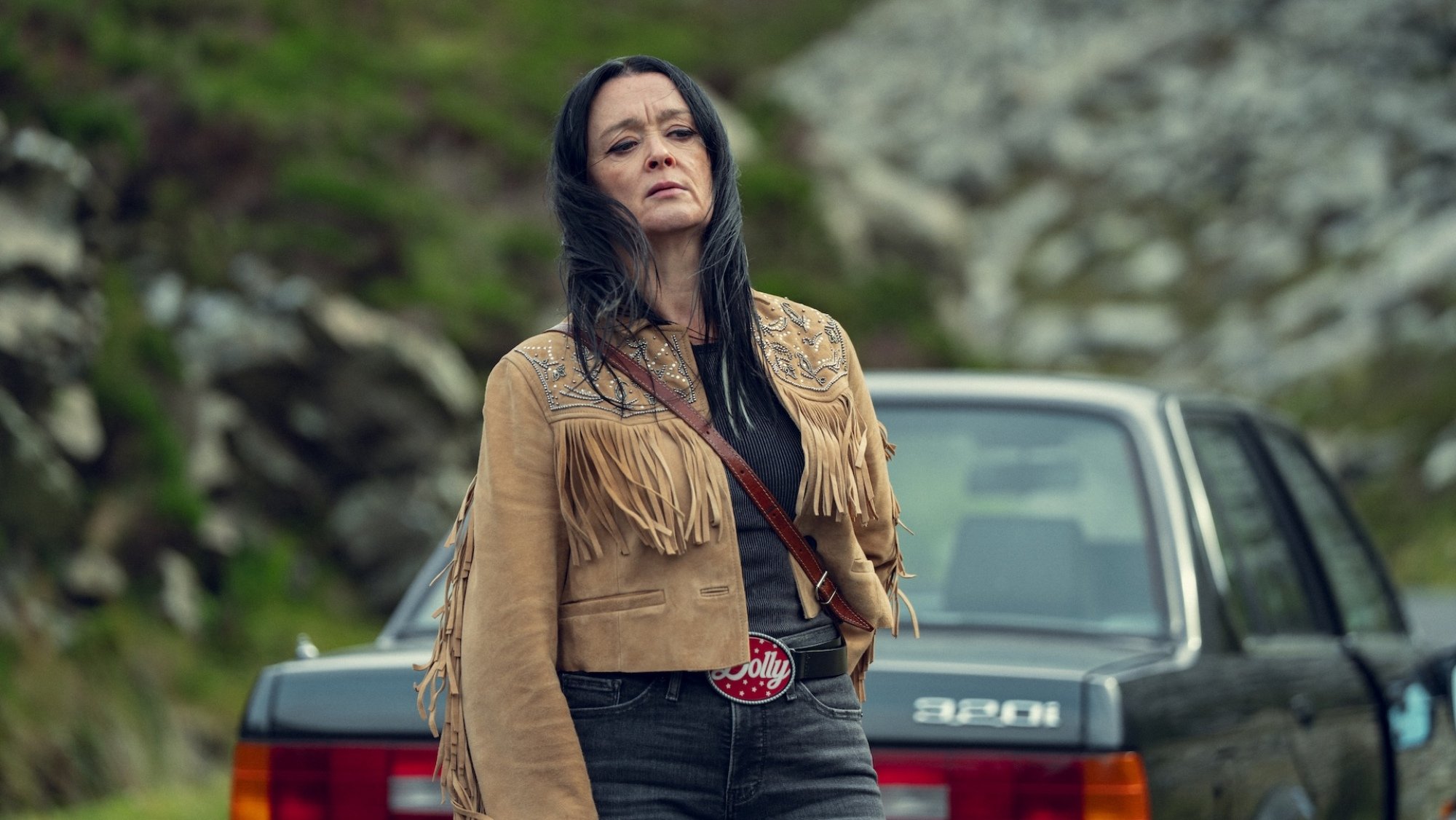
Furthermore, the series features a robust supporting cast that highlights the depth of acting talent in the region. Bronagh Gallagher delivers a standout performance as Booker, a formidable fixer and Dolly Parton enthusiast who introduces a "No Country for Old Men" energy to the proceedings. The inclusion of James Martin, known for his role in the Oscar-winning "An Irish Goodbye," and "Starstruck" actor Nikesh Patel, further bolsters the show’s credentials. Even Saoirse-Monica Jackson, a fan favorite from "Derry Girls," makes a surprising appearance in a role that is described as "delightfully unhinged," signaling a departure from her previous comedic persona.
Broader Implications for the Mystery Genre on Streaming Platforms
"How to Get to Heaven From Belfast" enters a crowded marketplace of mystery thrillers, yet it distinguishes itself through its refusal to adhere to genre conventions. By centering the narrative on the emotional lives of women in their late 30s, McGee avoids the clichés often associated with "dead girl" stories. The mystery is not merely about who killed Greta, but about why these women drifted apart and what the cost of their silence has been. This focus on "repressed trauma and edited memories" aligns the show with other successful prestige dramas that prioritize character development over plot twists.

The series also addresses the concept of "homecoming anxiety," a feeling common among those who have left small, tight-knit communities only to be pulled back by tragedy. The fictional village of Knockdara serves as a character in itself—a place where the past is never truly buried and where every resident is a potential witness or suspect. As the trio navigates the traffic jams caused by cows and the strange theme nights at the local hotel, the show highlights the absurdity that often exists alongside tragedy.
Final Perspectives on the Netflix Launch
As "How to Get to Heaven From Belfast" begins its streaming run, it is poised to become a significant cultural touchstone for 2026. The series manages to honor the comedic roots that made Lisa McGee a household name while proving her capability as a writer of high-stakes, atmospheric thrillers. For fans of "Derry Girls," the show offers a more mature, but no less chaotic, exploration of the themes of girlhood and identity.
The production’s success will likely influence how streaming platforms approach regional content in the future, favoring creators who can provide an authentic voice to specific locales while maintaining high production values. With its blend of "proper mystery craic," golden casting, and a neon-soaked visual style, "How to Get to Heaven From Belfast" stands as a testament to the enduring power of female friendship and the complicated nature of returning home. The series is currently available for streaming in its entirety on Netflix.