The feature directorial debut from acclaimed choreographer and filmmaker Elle Sofe Sara, Árru, plunges audiences into the stark Arctic landscapes of Sápmi, where a reindeer herder faces an agonizing choice between protecting her ancestral lands from a looming mining project and confronting deeply buried family trauma. This profound dilemma, central to the film’s narrative, highlights the multifaceted challenges confronting indigenous communities in the European Union.
The Sápmi People and Their Ancestral Lands
The Sápmi, Europe’s only indigenous people, inhabit Sápmi, a region spanning the northern parts of Norway, Sweden, Finland, and Russia’s Kola Peninsula. For millennia, their lives have been inextricably linked to the land, traditionally sustained by reindeer herding and fishing. This deep-rooted connection to their ancestral lands is not merely economic; it is the bedrock of their cultural identity, spirituality, and unique worldview. The Sápmi have cultivated a profound understanding of their environment, developing sustainable practices that have allowed their culture to thrive amidst harsh conditions. However, their traditional ways of life are increasingly threatened by external pressures, including industrial development, resource extraction, and the escalating impacts of climate change. The narrative of Árru brings these contemporary struggles to the forefront, contextualizing Maia’s personal battle within a broader fight for cultural survival.
The Core Dilemma: Ancestral Lands Versus Family Trauma
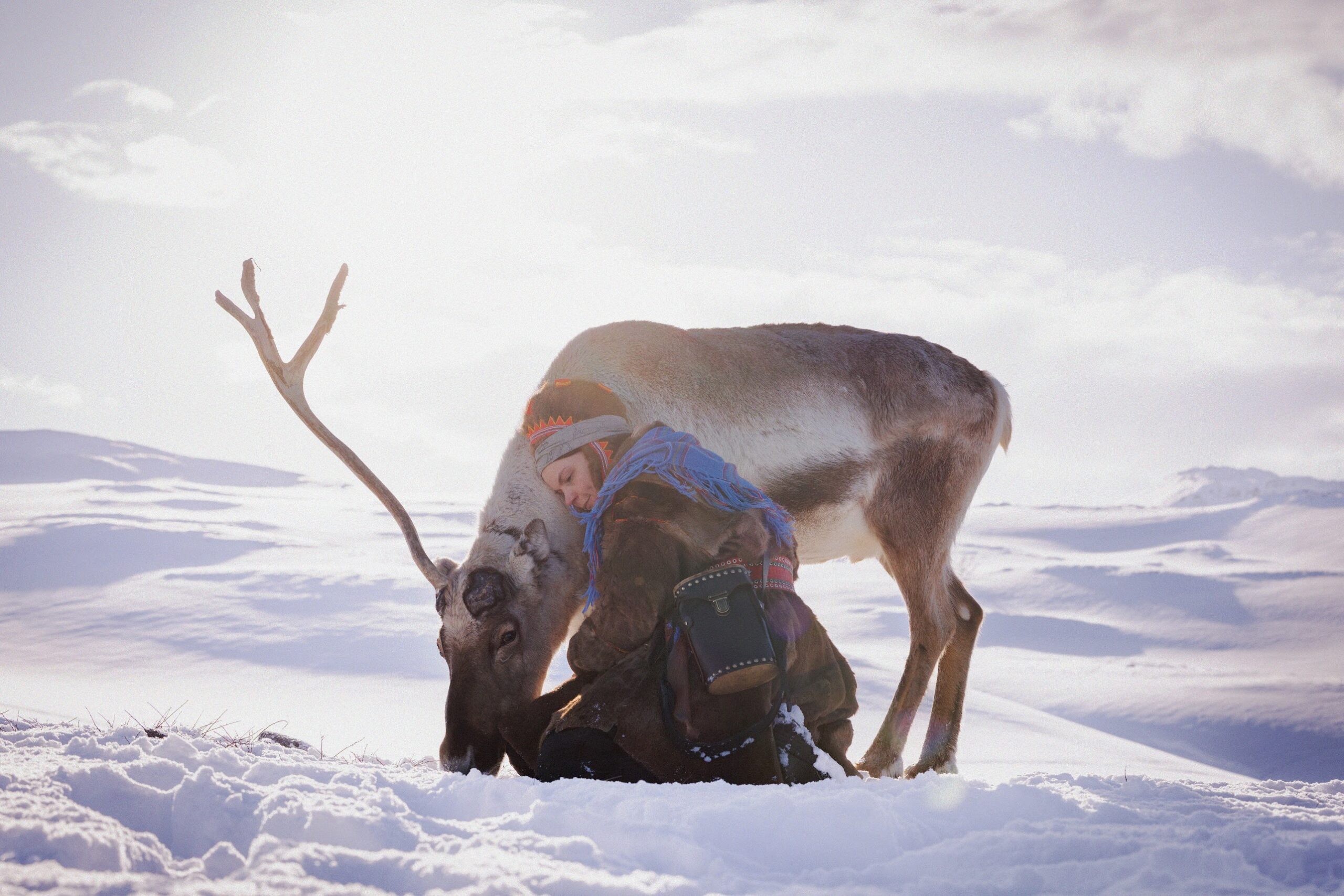
At the heart of Árru is Maia, portrayed by Sara Marielle Gaup Beaska, a determined reindeer herder whose resolve to protect her ancestral lands is tested by a complex web of family secrets. The film introduces a mining project threatening the pristine snowy landscapes that define the Sápmi way of life. As Maia mobilizes against this encroachment, seeking assistance from her charismatic uncle Lemme, played by Mikkel Gaup, the protests inadvertently stir dormant family traumas. This creates a powerful internal conflict for Maia, forcing her to navigate a path where the preservation of her heritage seems to clash with the healing of her own kin.
Maia’s Unenviable Choice
A synopsis for Árru starkly encapsulates Maia’s predicament: "Maia must choose: save the land at the cost of her family or surrender it to break the silence." This choice is more than a simple binary; it represents the intricate and often painful decisions indigenous individuals must make when their personal histories are intertwined with the collective fate of their people and their land. The film explores the profound burden carried by those who stand at the crossroads of tradition and modernity, land rights and personal well-being. Supporting performances from Simon Issát Marainen and Ayla Gáren Nutti further enrich the tapestry of relationships and community dynamics that inform Maia’s journey.
Árru’s Journey to Berlin and Global Stage
Árru is set to make its world premiere in the prestigious Panorama section of the Berlin International Film Festival on February 16. The Berlin Film Festival, one of the "Big Three" international film festivals alongside Cannes and Venice, provides a vital platform for showcasing diverse cinematic voices and urgent global narratives. The Panorama section, specifically, is known for presenting films with strong artistic visions and social relevance, making it an ideal venue for Árru to debut its potent story. Its inclusion underscores the growing international interest in indigenous storytelling and the critical issues they address. The film was produced by Stær Films and It’s Alive Films, with co-production from Garagefilm International, and The Yellow Affair is managing world sales, indicating a strategic effort to ensure its global reach.
Elle Sofe Sara’s Artistic Vision and the Power of Joik
Elle Sofe Sara’s unique background as a choreographer and filmmaker profoundly influences the aesthetic and thematic depth of Árru. Her work consistently blends Sápmi physicality, spirituality, and joik—a traditional form of Sápmi song—to explore universal themes of heritage, connection, and resilience. Joik is not merely a song; it is a deep, personal expression, often without words, that evokes a person, animal, or place, connecting the singer to their environment and ancestors. This artistic philosophy positions Sara as a natural storyteller, capable of conveying complex emotions and cultural nuances through movement and sound. She co-wrote the screenplay for Árru with Johan Fasting, ensuring a narrative deeply rooted in Sápmi cultural understanding while resonating with broader audiences.
Silence, Song, and Generational Healing
In her director’s statement, Sara articulates the genesis of her creative process and the core message of Árru. "I come from Guovdageaidnu, a Sápmi village where the wind carries memory, and silence is its own kind of language," she explains. This intimate connection to her homeland informs the film’s exploration of unspoken histories and their lingering impact. Sara describes her personal journey from a child who "barely spoke," finding her first language in movement and her second in joik. She highlights how "dance and joik come from deep within, bypassing logic and speaking straight to the intuitive being." This perspective is central to Árru, which she characterizes as "a film about silence, and the cost of keeping it. About the women who carry everything without being asked. And what happens when a daughter dares to speak, and a mother finally sings." This powerful description suggests a narrative arc focused on breaking cycles of quiet suffering and reclaiming voice through cultural expression.
Árru as a Catalyst for Indigenous Rights and Environmental Dialogue
Árru arrives at a critical juncture for indigenous communities worldwide, particularly those in the Arctic. The film serves as a potent cultural statement on the ongoing struggle for indigenous rights, environmental protection, and cultural preservation against the pressures of industrial development. Mining projects, often driven by global demand for minerals, frequently encroach upon indigenous territories, leading to irreversible environmental damage and the disruption of traditional livelihoods. By centering the narrative on a reindeer herder’s fight to save her ancestral lands, Árru directly engages with these pressing issues, offering an intimate human perspective on complex geopolitical and environmental conflicts. The film has the potential to amplify indigenous voices in global dialogues about sustainable development and the recognition of land rights.
Reindeer Herding in a Modern World
Reindeer herding, as depicted in Árru, is more than an occupation; it is a cultural cornerstone for many Sápmi. It embodies a holistic relationship with nature, a deep understanding of ecological cycles, and a way of life passed down through generations. The threats posed by mining projects are not just economic; they are existential, jeopardizing the very fabric of Sápmi identity. The film subtly illustrates the challenges faced by reindeer herders today, from climate change altering migration patterns and pasture availability to the constant encroachment of infrastructure and industry. Through Maia’s struggle, the film sheds light on the resilience required to maintain such a heritage in the face of relentless modern pressures.
Universal Resonance and the Path Forward for Árru
Despite its specific cultural context, the heartbeat of Árru is undeniably universal. As Elle Sofe Sara concludes, the story resonates with "the longing to be recognized, the courage to speak the truth, and the possibility of healing — through song, and through the voices of the next generation." This universality allows audiences from diverse backgrounds to connect with Maia’s struggle, recognizing themes of identity, sacrifice, and the enduring power of human connection. The film’s exclusive clip, premiered by THR, offers an early glimpse into its evocative cinematography and the vibrant cultural tapestry, including the distinctive colorful Sápmi clothes, that define its world. Following its Berlin premiere, Árru is poised to spark important conversations globally, contributing to the growing recognition of indigenous cinema as a vital force in contemporary storytelling and social commentary.