Princess Margaret, the younger sister of Queen Elizabeth II, dramatically defied royal custom on her wedding day in May 1960 by opting for a diamond tiara she had purchased herself, a move that symbolized her fiercely independent spirit and carved a unique path within the House of Windsor. This glittering statement, the Poltimore Tiara, now valued at approximately $1.2 million, has since vanished from public view, acquired by an anonymous private buyer and believed to be permanently stashed away, potentially lost to history.
The Weight of Royal Tradition
For centuries, royal brides have adhered to an unspoken protocol: for their weddings, they would borrow a tiara from the vast and historic royal collection. These heirloom pieces, often passed down through generations, served as potent symbols of continuity, status, and the enduring legacy of the monarchy. Each diamond and pearl was imbued with the weight of history, linking the wearer directly to the Crown and its lineage. The act of borrowing underscored a bride’s integration into the royal family and her acceptance of its rich traditions.
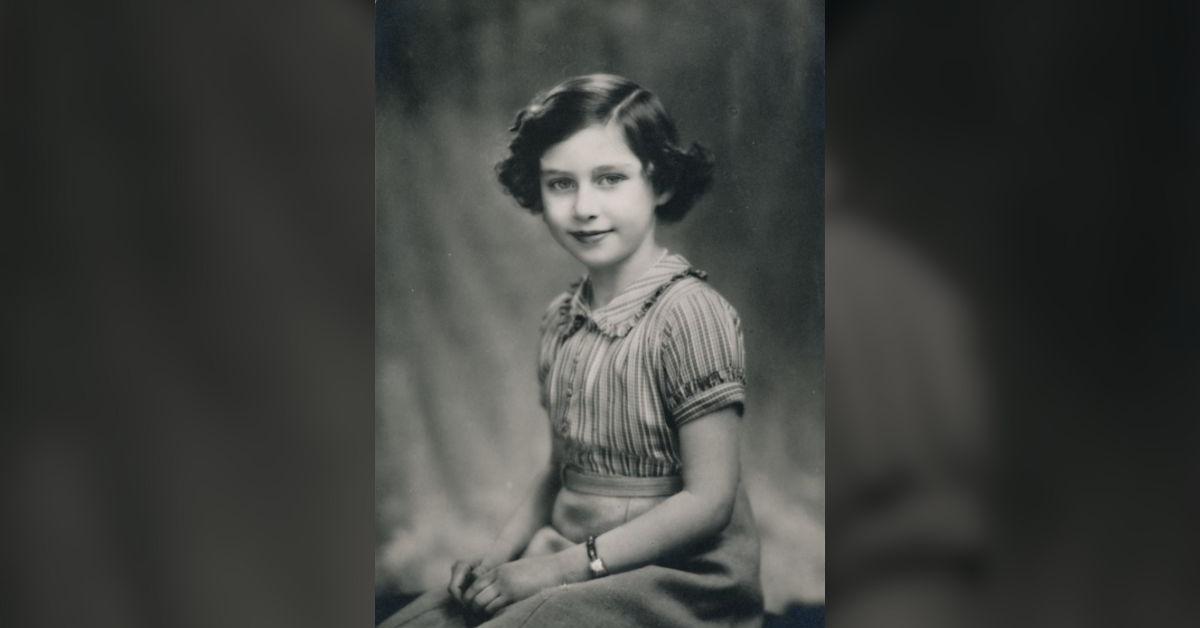
However, Princess Margaret, known for her vivacious personality and occasional rebelliousness, chose a different path. At 29 years old, she was not in the direct line of succession, affording her a degree of freedom rarely extended to more senior royals. This allowed her to express a personal style and independence that would come to define her public image throughout her life. Her decision regarding her wedding tiara was an early, powerful manifestation of this desire to forge her own identity.
A Daring Acquisition: The Poltimore Tiara
In a radical departure from established norms, Princess Margaret personally acquired the Poltimore Tiara at auction in 1959. She reportedly paid more than $7,500 for the piece at the time, an amount equivalent to approximately $1.2 million in today’s terms. This purchase was a quiet but profound act of defiance, signaling her intent to define her public image on her own terms, free from the obligations and expectations associated with the Crown’s vaults.
The history of the Poltimore Tiara itself predates its royal connection by nearly a century. Commissioned in 1870 by Rundell & Bridge, then crown jewelers, the dramatic diamond piece was originally created for Lady Florence Poltimore. Her husband, Baron Poltimore, held a prominent position within the royal household, serving as treasurer to Queen Victoria. The tiara was a fixture in aristocratic circles, notably worn publicly during the coronation of King George V in 1911. Nearly 90 years later, this aristocratic treasure entered royal hands not through inheritance or loan, but through Margaret’s personal bid, making its acquisition a unique moment in royal jewelry history.
A Symbol of Self-Definition
Margaret’s choice of the Poltimore Tiara was more than a mere fashion statement; it was a powerful assertion of individuality. By purchasing her own diamond tiara, she sidestepped the royal collection and its inherent symbolism of belonging to the institution. This act placed her firmly outside tradition, predating similar protocol-bucking decisions by decades. For instance, Princess Diana would later choose to wear her family’s Spencer Tiara for her 1981 wedding, a significant deviation from borrowing a piece from the Crown’s official collection, much like Margaret’s earlier move.
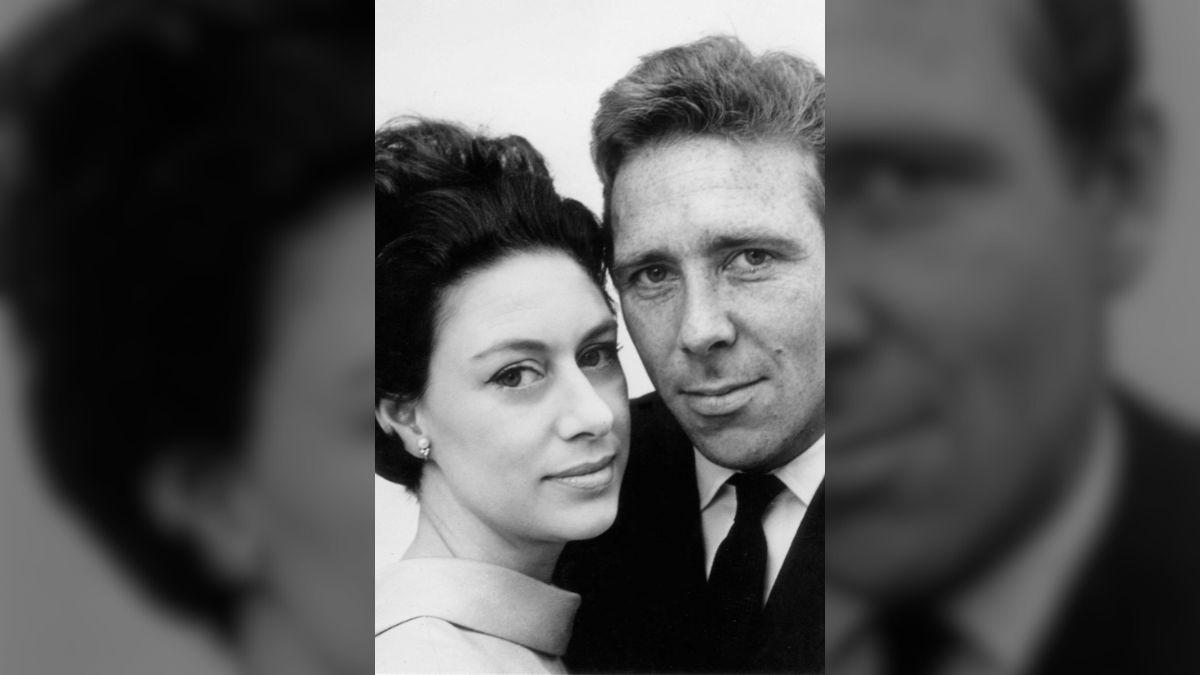
Her marriage to photographer Antony Armstrong-Jones in May 1960 was itself a departure from typical royal unions, marrying a commoner with an artistic background. The 1960s were a period of burgeoning social and cultural change, and Margaret, often seen as a more modern royal, embodied some of these shifts. Her televised wedding, the first of its kind for a British royal, drew an estimated 300 million viewers worldwide, turning her choice of the Poltimore Tiara into a globally recognized symbol of her unique position within the monarchy. The tiara became intrinsically linked with Margaret’s image as a glamorous and independent royal figure, celebrated for her distinctive flair.
The Tiara’s Versatility and Enduring Image
The Poltimore Tiara, a remarkable example of Victorian craftsmanship, was designed with versatility in mind. Its tall scrollwork frame, adorned with clusters of cushion-shaped and old-cut diamonds mounted in silver and gold, could be dismantled. This allowed it to be worn not only as a traditional tiara but also as a fringe necklace and even as 11 individual brooches. Princess Margaret delighted in exploiting this feature, famously debuting the piece as a necklace during a visit to the Royal Opera House prior to her wedding. It was only on May 6, 1960, at Westminster Abbey, that the world witnessed the full, towering splendor of her chosen wedding tiara.
The tiara’s association with Margaret’s rebellious spirit was further cemented by an iconic portrait taken in 1962 by her husband, Antony Armstrong-Jones, who became Lord Snowdon upon their marriage. The intimate photograph captured Princess Margaret wearing the Poltimore Tiara while seated in a bathtub, playfully disregarding royal stiffness and protocol. This striking image, initially withdrawn from public display, later resurfaced during Kensington Palace’s 2022 exhibition, "Life Through a Royal Lens," reminding a new generation of Margaret’s unconventional charm and the tiara’s role in her personal narrative. Though few photographs exist of her wearing the tiara in later years, its early public appearances and the famous bathtub portrait ensured its place in the annals of royal fashion and defiance.
The Tiara’s Vanishing Act
Following Princess Margaret’s death in 2002 at the age of 71, her private jewelry collection, including the celebrated Poltimore Tiara, was inherited by her children. In 2006, they made the decision to consign the historically significant piece to auction at Christie’s, a move that stirred considerable interest among collectors and royal enthusiasts. The tiara ultimately sold for an astonishing £926,400, a sum equivalent to approximately $1.2 million in today’s currency, mirroring its current estimated worth.
The sale marked the tiara’s departure from the immediate royal orbit. Unlike the many priceless jewels locked behind palace glass, forever part of the Crown’s public display, the Poltimore Tiara now resides in private hands. The identity of its purchaser remains unknown, shrouded in secrecy, leading to speculation that this unique piece of royal history may never again grace a public event or exhibition. A source close to the matter stated, "It seems it is stashed in a vault somewhere and will be something the world may never gaze on again."
A Legacy Beyond the Vault
The journey of the Poltimore Tiara — from an aristocratic commission to a royal bride’s statement of independence, and finally into the anonymity of a private collection — encapsulates Princess Margaret’s unique and often challenging relationship with the monarchy. Her decision to purchase her own Princess Margaret wedding tiara was a bold act, one that underscored her determination to carve out her own space within the rigid confines of royal life. It served as a powerful symbol of her individuality, a glittering declaration of self-possession that resonated far beyond the confines of Westminster Abbey.
Though the tiara itself may no longer be visible to the public, its story endures as a testament to Margaret’s lasting legacy as a modern royal. It remains a potent symbol of a princess who dared to break tradition, reminding the world that even within the most structured institutions, there is always room for personal expression and a touch of defiant glamour. The disappearance of the Poltimore Tiara from public view only adds to its mystique, cementing its place as a legendary, albeit unseen, artifact of royal history.