Tehran, Iran – Iran’s government is demanding concrete evidence to refute its claims regarding the thousands killed during nationwide protests last month, a stance that comes as U.S. President Donald Trump and United Nations human rights experts have intensified scrutiny of the deadly crackdown. Foreign Minister Abbas Araghchi stated Saturday that Tehran has released a comprehensive list of 3,117 individuals identified as "victims of recent terrorist operations," a figure that reportedly includes approximately 200 security personnel.
Araghchi, speaking on the social media platform X, challenged any party to present verifiable proof that contradicts the government’s presented data. He previously asserted that 690 individuals on this list were "terrorists" allegedly armed and funded by the United States and Israel. This assertion by Iran’s top diplomat follows closely behind statements made by President Trump, who informed reporters that an estimated 32,000 people perished during the protests, lamenting that the "people of Iran have lived in hell" under the current theocratic leadership.
The Iranian foreign minister has also been actively engaging with various U.S. media outlets, ostensibly to champion a "fair" agreement with Washington concerning Iran’s contentious nuclear program. This diplomatic outreach occurs against a backdrop of escalating regional tensions, with the threat of wider conflict looming over Iran and its neighbors. Serbia, on Saturday, became the latest nation to issue an urgent travel advisory, urging all its citizens to depart Iran immediately.
Disputed Death Tolls and International Condemnation
The scale of casualties during the protests remains a deeply contentious issue, with starkly differing figures emerging from official Iranian sources and independent human rights monitors. Mai Sato, the United Nations Special Rapporteur on human rights in Iran, has indicated that the number of civilian deaths could exceed 20,000. However, obtaining precise information has been severely hampered by extensive internet filtering and a prolonged state-imposed communications blackout, which was implemented six weeks ago following the initial unrest.
In the United States, the human rights group HRANA has meticulously documented over 7,000 fatalities during the nationwide demonstrations and is actively investigating nearly 12,000 additional cases. This discrepancy in reported numbers highlights the challenges in independently verifying the extent of the violence.
Sato was among a group of 30 UN Special Rapporteurs and international human rights experts who issued a joint statement on Friday. They collectively urged Iranian authorities to provide full disclosure regarding the fate and whereabouts of tens of thousands of individuals arrested, forcibly disappeared, or reported missing in the aftermath of the protests. The experts also called for an immediate cessation of all related death sentences and executions.
"The true scale of the violent crackdown on Iranian protesters remains impossible to determine at this point," the international experts stated in their communique. They further emphasized, "The discrepancy between official figures and grassroots estimates only deepens the anguish of families searching for their loved ones and displays a profound disregard for human rights and accountability."
Victims of the Crackdown: A Broad Spectrum of Society
The international experts underscored that "the vast majority of those detained or killed are ordinary people, including children, from all provinces and diverse ethnic and religious backgrounds, as well as Afghan nationals." Their statement also pointed to the targeting of lawyers representing protesters, medical professionals who provided care to the wounded, journalists, writers, artists, and human rights defenders. This indicates a systematic effort to suppress dissent across various segments of Iranian society.
Iranian state media has been accused of regularly broadcasting what human rights experts widely regard as "forced confessions." A recent instance of this occurred on Saturday, when the official Mizan news agency, affiliated with Iran’s judiciary, released footage from a court session featuring three men who claimed regret for setting fire to motorcycles, a mosque, and copies of the Quran in Tehran during the period of unrest.
Return to Campuses Amid Lingering Tensions
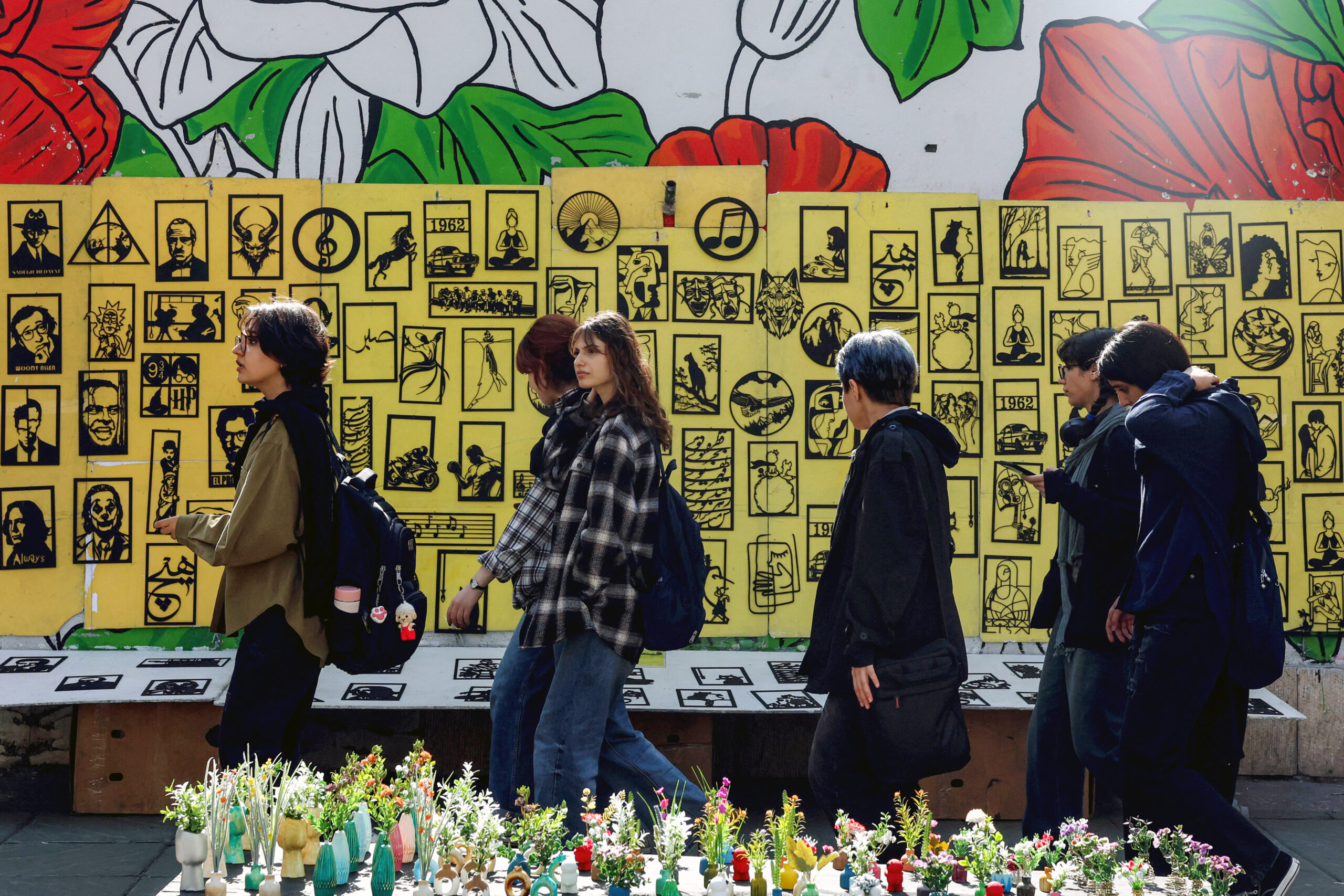
The return of students to university campuses across Iran, including Tehran, marked a significant development on Saturday, signaling a tentative return to normalcy. This comes after authorities had kept educational institutions closed and shifted some classes and examinations online in the wake of the protests. However, the atmosphere on campuses remains charged with tension.
At Sharif University of Technology in Tehran, one of the nation’s most prestigious institutions, students engaged in clashes following two separate demonstrations. Videos circulating online depicted students shouting derogatory remarks at a group of paramilitary Basij students, who are affiliated with the Islamic Revolutionary Guard Corps (IRGC). These Basij students responded with chants in support of the government.
These confrontations occur against a backdrop of heightened security measures implemented in Iranian schools and university dormitories. Last week, teachers and schools in several cities near the capital initiated strikes to protest the reported killing of at least 230 children and teenagers, as well as the increased presence of security forces within classrooms. This indicates a pervasive climate of fear and repression extending into educational environments.
Defiant Grief and Commemoration
While the Iranian government organized mourning events on Tuesday and Wednesday in Tehran, attended by some officials, a different narrative of remembrance is unfolding among the populace. Culture Minister Reza Salehi-Amiri announced Saturday that the government intends to brand upcoming ceremonies surrounding Nowruz, the Persian New Year beginning in late March, as exercises in "unity and empathy" aimed at "getting past the grief" of those lost.
However, numerous families have been independently holding defiant commemoration events over the past week to mark the 40th day since the deaths of their loved ones during the anti-establishment protests. Footage emerging from various ceremonies across the country has shown family members and large supportive crowds proudly displaying images of the deceased and celebrating their lives.
In a powerful display of resistance, many chose to mark these solemn occasions with clapping, playing traditional drums and cymbals, and even dancing. These acts of defiance stand in stark contrast to the somber religious rituals favored by the theocratic state, representing a profound assertion of personal grief and a rejection of official narratives.
One particularly poignant moment captured at a ceremony on Thursday in the city of Gorgan, northern Golestan province, featured the father of Abolfazl MirAeez, a 33-year-old who was killed. Addressing the gathered crowd, he declared, "May your pen break, O fate, if you do not write about that which befell us." He continued, "My son was neither a rioter, nor an embezzler nor an aghazadeh [child of an elite]. He was the son of a farmer." His words encapsulate the sentiment of many ordinary Iranians who feel their loved ones were unjustly targeted and their lives devalued by the state’s brutal suppression of dissent.
The ongoing tension between the government’s official narrative and the testimonies of victims’ families, amplified by international condemnation, underscores the deep divisions and unresolved grievances within Iran. The demand for evidence by Iranian officials, set against the backdrop of mounting international pressure and the palpable grief and defiance of ordinary citizens, suggests a protracted struggle for accountability and truth in the wake of the devastating protests. The implications for Iran’s domestic stability and its international relations remain significant as the country grapples with the aftermath of this violent suppression.