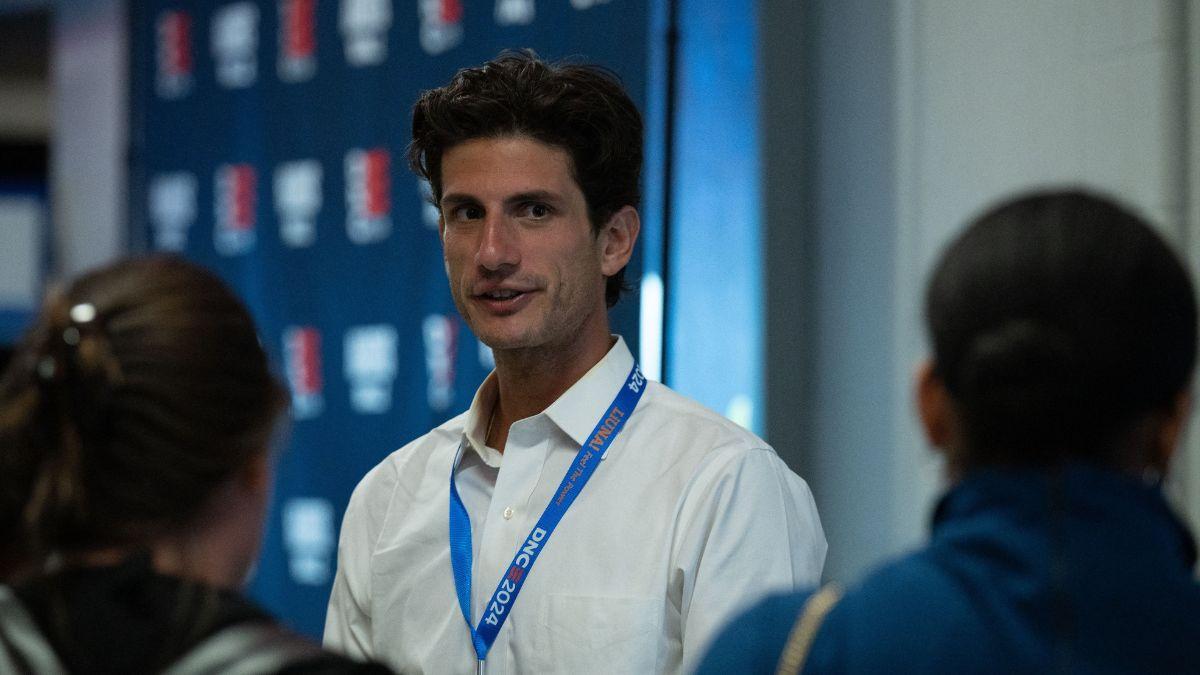
Jack Schlossberg, grandson of former President John F. Kennedy, has vocally defended his controversial online remarks and memes targeting Usha Vance, wife of Ohio Senator J.D. Vance, characterizing his actions as a necessary "aggressive" response to political "propaganda." Schlossberg, a prominent Democratic political commentator, articulated his stance by stating that such confrontational tactics are essential for Democrats to effectively communicate their message in what he describes as a new and increasingly hostile political landscape. His defense comes amidst widespread criticism labeling his social media activity as "creepy" and an undue targeting of a political spouse.
The Genesis of the Online Controversy
The contentious online behavior from Schlossberg dates back to at least November 2025, when he initiated a poll on social media, provocatively asking his followers if "Usha Vance is way hotter than" his iconic grandmother, Jackie Kennedy Onassis. This particular post immediately drew scrutiny for its personal nature and for directly comparing a sitting senator’s wife to a revered historical figure. The incident was not isolated; prior to this, Schlossberg had shared a manipulated image featuring his own face superimposed onto one of Usha Vance’s children, a move that many critics deemed a significant overstep into the private lives of political families.
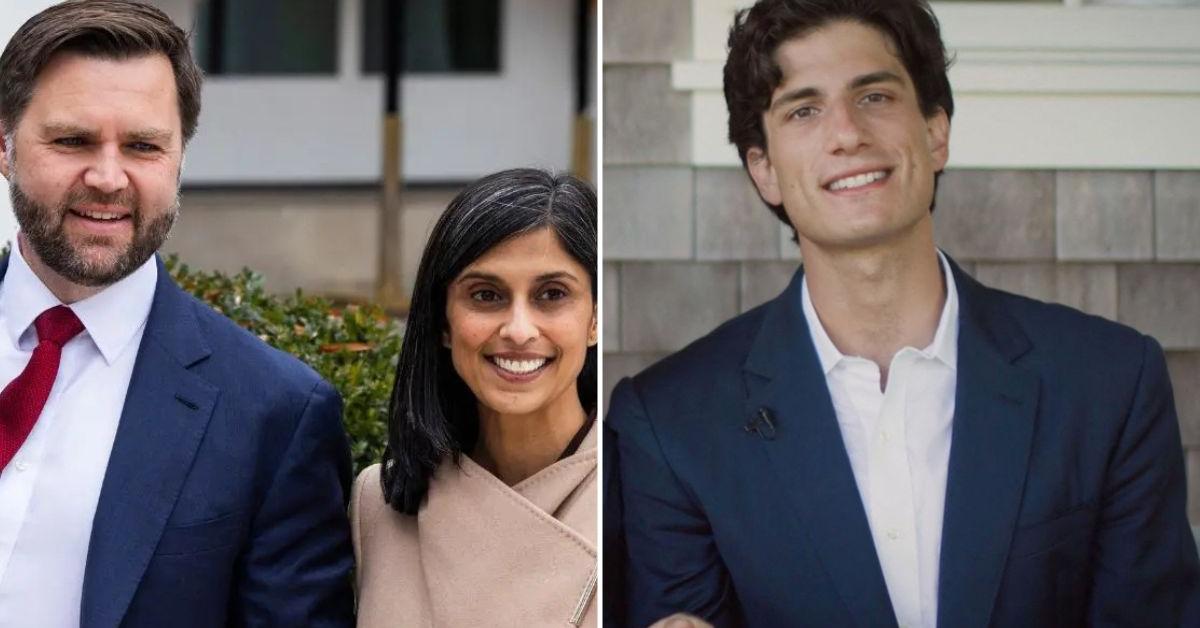
Further fueling the controversy, Schlossberg posted a tweet in April 2025, facetiously announcing he was "having a son" with Usha Vance. "So excited about this," the tweet read. "Cannot wait for the birth of my next child because today was the best day of my life. Out of wedlock, yes. But we might get married." This highly personal and fictional claim added another layer to the public’s perception of his online conduct, especially given that Usha Vance and Senator J.D. Vance publicly announced in January 2026 that they are expecting their fourth child together. These posts collectively formed a pattern of direct and often personal targeting that diverged sharply from conventional political discourse.
Schlossberg’s Rationale: An Aggressive Strategy for a "New Era"
In his defense, Jack Schlossberg framed his actions not as personal attacks but as a deliberate and necessary component of a broader political strategy. He argued that the "propaganda that we see issued every single day by the White House and Vance" necessitates an equally robust, even "aggressive," counter-response. "So, what are we going to do," he questioned, "hold back? Hold back on our sense of humor and not tease them, make fun of them back?" This rhetoric suggests a belief that traditional political decorum is no longer viable in the current climate, requiring a more combative approach to cut through perceived misinformation.
Schlossberg emphasized the need for directness and forcefulness, asserting, "You need to be aggressive right now to get your message through." He dismissed any literal interpretation of his more provocative posts, stating, "First of all, I don’t think anyone was seriously thinking that I meant that we did actually have a love child!" His argument pivots on the idea that the political stakes are too high for civility to take precedence over effective messaging, even if that messaging is perceived as provocative or personal by outsiders.
Broader Implications for Political Discourse and Decorum
Schlossberg’s defense touches upon a contentious debate within contemporary American politics: the acceptable boundaries of political rhetoric, particularly in the age of social media. He urged fellow Democrats to "take the gloves off," suggesting that a more confrontational stance is required to combat the opposition effectively. He cited what he called a "new era" where political figures, including former presidents, engage in highly inflammatory rhetoric, thereby setting a precedent for a less constrained public discourse. "You can point at anything I posted," Schlossberg contended, "I will point you back at a president who shares pictures of himself bombing U.S. citizens with fecal matter. This is a new era we’re living in."
This perspective highlights a growing sentiment among some political actors that the traditional norms of political engagement have eroded, making more aggressive tactics not just permissible but strategically vital. The argument suggests a tit-for-tat approach, where the perceived transgressions of one side justify similar actions from the other. This reciprocal escalation often leads to a further degradation of public discourse, blurring the lines between policy debate and personal attacks.
Public and Media Reaction to the Controversial Comments
The nature of Schlossberg’s posts and his subsequent defense have drawn significant attention and mixed reactions from both the public and media commentators. Former White House Press Secretary Jen Psaki, on her podcast "The Blueprint," explicitly described Schlossberg’s posts as "weird" and "creepy," reflecting a segment of public opinion that views such targeting of family members as beyond the pale. This criticism often centers on the principle that while political figures are fair game, their spouses and children, especially those not actively involved in public policy, should be afforded a degree of privacy and protection from personal attacks.

The use of memes, polls, and fabricated personal narratives in political communication also raises questions about journalistic standards and the overall tone of public debate. While social media platforms have democratized access to public figures, they have also become fertile ground for highly personalized and often unsubstantiated attacks. Schlossberg’s comments underscore the ongoing struggle to define acceptable political engagement in an environment where virality often trumps veracity, and outrage can be a more potent tool than reasoned argument.
The Kennedy Legacy and Modern Political Commentary
As a member of the prominent Kennedy family, Jack Schlossberg’s actions carry an additional layer of scrutiny. The Kennedy name is historically associated with a certain decorum and public service, and his aggressive online posture represents a departure from that traditional image. Schlossberg, however, used his family’s public profile to underscore his point, noting that "people feel absolute free rein to say whatever they want about" the Kennedy family. This comment suggests a belief that if his family is subjected to unbridled criticism, he is equally justified in retaliating with provocative commentary against others.
His stance implies a conscious decision to leverage his public platform and lineage to push the boundaries of political communication. This approach, while generating significant controversy, also ensures that his messages gain considerable traction, forcing a discussion about the evolving nature of political discourse and the role of public figures, regardless of their background, in shaping that narrative.
Looking Ahead: The Future of Aggressive Political Tactics
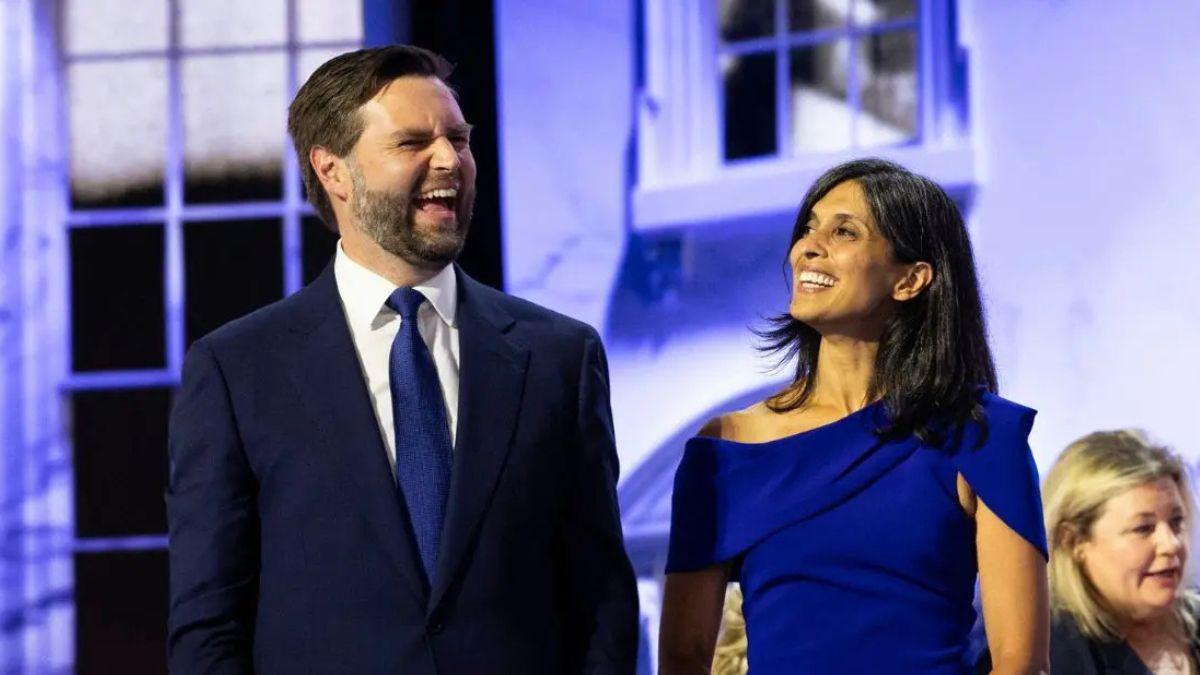
Schlossberg’s unyielding defense of his "creepy" and "aggressive" comments signals a continued willingness to employ unconventional and confrontational tactics in the political arena. "So, I’m gonna throw it right back at you," he asserted. "Because you know what? The time is not now to hold back, sit on your hands and say, ‘Hmm, okay. Well, why don’t we just play it safe?’ Absolutely not! We’re gonna get these people out of here." This declaration firmly positions him as an advocate for a no-holds-barred approach, suggesting that the current political climate demands an abandonment of traditional restraints.
The ongoing debate surrounding Schlossberg’s actions reflects a deeper societal tension regarding the balance between free expression, political efficacy, and personal respect. As politicians and commentators continue to navigate the complexities of social media and increasingly polarized public opinion, incidents like these serve as crucial case studies in defining the future contours of political engagement and the expectations placed upon those who participate in it. The question remains whether such aggressive tactics ultimately achieve their intended political goals or merely contribute to a further erosion of civil discourse.