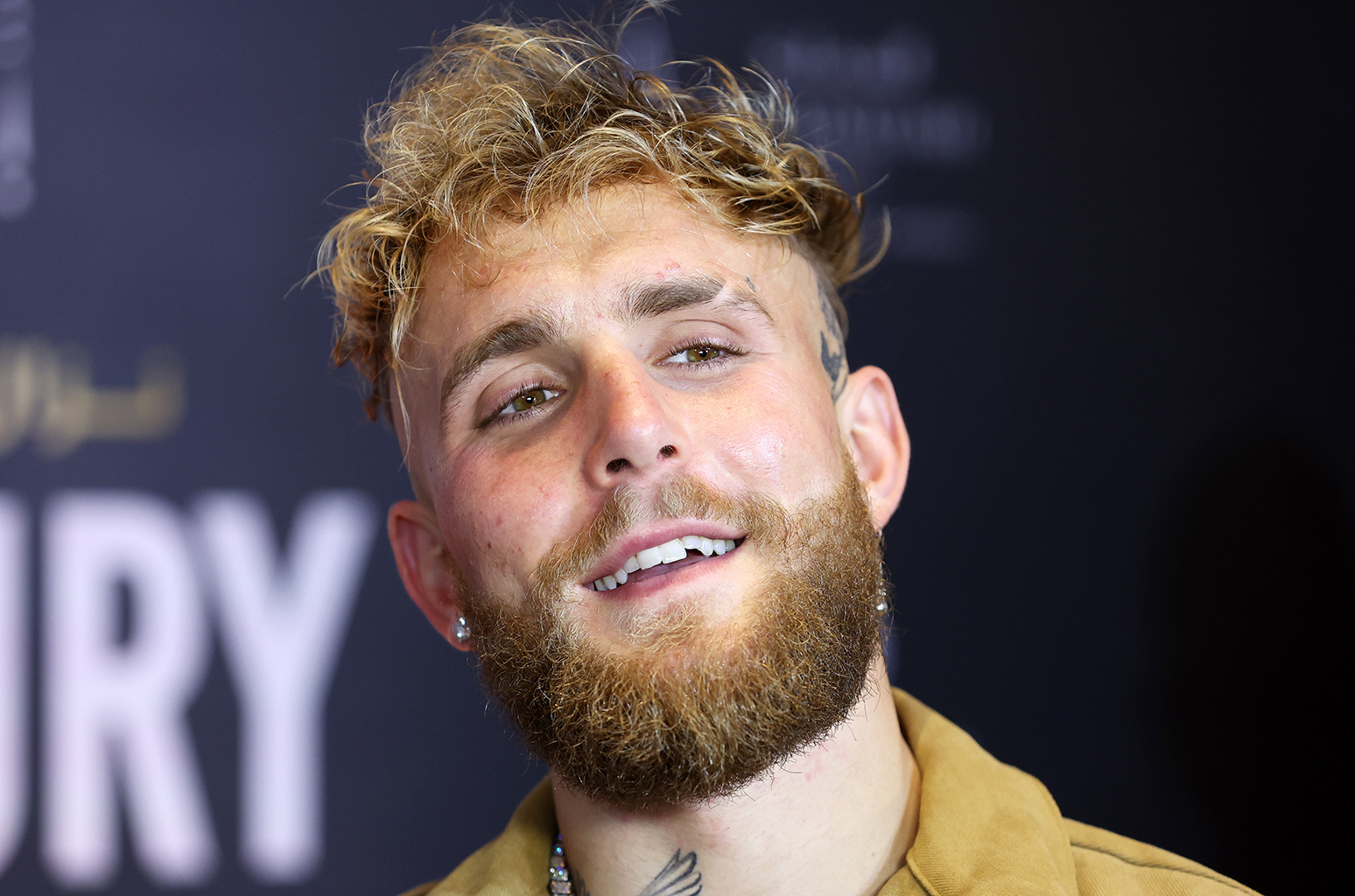
The Paul brothers ignited a social media firestorm with their starkly contrasting reactions to Bad Bunny’s highly anticipated Super Bowl halftime performance, revealing a public rift between the influential online personalities over the Puerto Rican superstar’s cultural and political statements. The disagreement, which unfolded in real-time on X (formerly Twitter) on Sunday night, quickly escalated, drawing in fans and observers of both the NFL spectacle and the burgeoning online influencer scene.
Bad Bunny, a global music phenomenon, delivered a powerful 13-minute set at Levi’s Stadium in Santa Clara, California, weaving a tapestry of his chart-topping hits with vibrant choreography and poignant imagery that paid homage to Puerto Rican identity. The performance, intended as a celebration of Latin culture and a platform for artistic expression, inevitably became a focal point for broader discussions, resonating far beyond the realm of sports and music.
Jake Paul, known for his provocative online persona and boxing career, was among the first to voice his dissent, urging viewers to actively disengage from the halftime show. He framed his call to action as a protest against what he perceived as corporate overreach and a lack of respect for American values, encouraging his followers to demonstrate their collective power by withholding viewership.
"Purposefully turning off the halftime show," Paul wrote on X. "Let’s rally together and show big corporations they can’t just do whatever they want without consequences (which equals viewership for them). You are their benefit. Realize you have power." He elaborated on his stance, stating, "Turn off this halftime. A fake American citizen performing who publicly hates America. I cannot support that."
This declaration immediately ignited a wave of backlash from a segment of the online community who felt his comments were divisive and misinformed. The criticism was amplified by the fact that Bad Bunny, while not a U.S. citizen, is a celebrated artist whose work often highlights his Puerto Rican heritage, a U.S. territory.
Logan Paul Defends Bad Bunny’s Super Bowl Showcase
In a public display of familial disagreement, Logan Paul, Jake’s elder brother and a fellow internet mogul, directly countered Jake’s sentiments. He expressed his respect for his brother but firmly stated his opposition to Jake’s call for protest, emphasizing the importance of cultural representation.
"I love my brother but I don’t agree with this," Logan Paul posted on X, sharing a link to Jake’s initial statement. He continued, "Puerto Ricans are Americans & I’m happy they were given the opportunity to showcase the talent that comes from the island." His response highlighted a more inclusive perspective, celebrating the opportunity for a Puerto Rican artist to command such a prominent global stage.
Logan Paul’s intervention underscored the complex layers of identity, nationality, and artistic expression that Bad Bunny’s performance brought to the forefront. His statement also implicitly addressed the broader political discourse surrounding Puerto Rico’s status and the contributions of its people to American culture.
Bad Bunny’s Performance: A Cultural and Political Touchstone
Bad Bunny’s Super Bowl halftime show was more than just a musical interlude; it was a carefully curated artistic statement. The performance featured a dynamic interplay of music, dance, and visual elements, all designed to celebrate Puerto Rican heritage and address contemporary issues. His choice to feature traditional music, imagery, and symbols resonated deeply with many viewers, particularly those from Puerto Rican and Latin American communities.
The setlist included a medley of his biggest hits, such as "Tití Me Preguntó" and "El Apagón," the latter of which has become an anthem for those advocating for Puerto Rico’s independence and economic justice. The visual elements of the performance, including references to the island’s history and ongoing struggles, further cemented its cultural significance.
The artist’s decision to use such a prominent platform to express his identity and potentially convey political messages was met with a spectrum of reactions. While many lauded his courage and artistry, others, like Jake Paul, expressed strong disapproval, fueling a polarized debate that quickly spilled onto social media.

Broader Implications and Political Undercurrents
The controversy surrounding Bad Bunny’s halftime show at the Super Bowl is symptomatic of a larger cultural moment where entertainment, politics, and identity are increasingly intertwined. The Super Bowl, as one of the most-watched events in the United States, often serves as a stage for cultural dialogues, whether intentional or not.
Adding to the discourse, former President Donald Trump also weighed in on the halftime performance earlier on Sunday, criticizing it as "absolutely terrible" in a social media post. This comment further amplified the online conversation, drawing attention from a different political demographic and underscoring how cultural moments can become politicized.
The differing reactions from the Paul brothers, and the broader public commentary, highlight the diverse perspectives within the United States regarding national identity, cultural representation, and artistic freedom. Bad Bunny’s performance served as a catalyst, bringing these complex issues into sharp relief for millions of viewers.
The Power of Online Influence and Cultural Dialogue
The exchange between Jake and Logan Paul serves as a compelling case study in the influence of digital personalities on public discourse. As prominent figures with massive followings, their opinions carry significant weight, shaping conversations and potentially influencing the views of their fans.
Jake Paul’s call to boycott the halftime show, framed as a patriotic stance, tapped into a sentiment of cultural conservatism held by some. Conversely, Logan Paul’s defense of the performance, emphasizing inclusivity and the celebration of heritage, appealed to a more progressive viewpoint. Their public disagreement showcased the generational and ideological divides that can exist even within a single family, amplified by the immediate and widespread reach of social media.
The debate also underscored the evolving role of celebrities and influencers in addressing social and political issues. Bad Bunny, through his art and public platform, has consistently engaged with themes of identity and social justice, making his Super Bowl performance a natural extension of his established public persona.
As of publication, Bad Bunny had not publicly addressed the comments made by the Paul brothers. Representatives for the artist did not immediately respond to requests for comment from Billboard. The lack of direct response from Bad Bunny allowed the narrative to be shaped by the reactions of others, further emphasizing the power of interpretation and commentary in the digital age.
Beyond the Halftime Show: A Lingering Debate
The fallout from Bad Bunny’s Super Bowl halftime performance and the subsequent public disagreement between the Paul brothers extends beyond a single event. It highlights the ongoing cultural negotiations surrounding representation, national identity, and the role of art in public life.
The incident serves as a reminder that major cultural moments can spark intense debate, revealing deeply held beliefs and societal divisions. For fans of the Paul brothers, the split offered a glimpse into their differing perspectives and values. For observers of pop culture and politics, it underscored the ever-increasing intersectionality of entertainment and societal discourse.
The Super Bowl halftime show, intended as a unifying spectacle, instead became a flashpoint for a multifaceted conversation about Puerto Rican identity, patriotism, and the power of artistic expression on a global stage. The digital echoes of this debate are likely to resonate for some time, continuing to fuel discussions about who gets to represent, and how, on the world’s biggest stages.