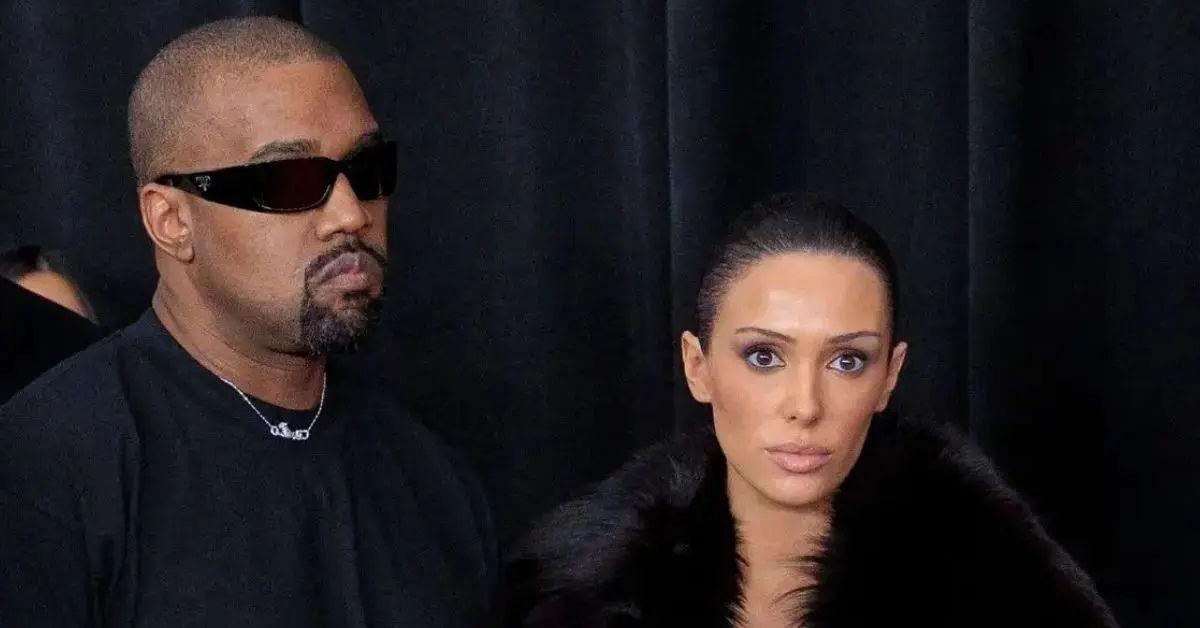
Bianca Censori, wife of recording artist and designer Kanye West, has publicly addressed the ongoing speculation surrounding her increasingly revealing attire, asserting that her controversial fashion choices are a deliberate "collaboration" with her husband and not the result of his control. Her statements, made in a recent interview, directly counter widespread rumors and public concern that West dictates her often minimal and attention-grabbing wardrobe. Censori, 31, firmly stated, "I wouldn’t be doing something I didn’t want to do," emphasizing her autonomy in crafting the distinctive looks that have frequently gone viral.
The Genesis of Bianca Censori’s Style and Public Scrutiny
Since marrying Kanye West in December 2022, just one month after his divorce from Kim Kardashian was finalized, Bianca Censori has rapidly become a fixture in the global media landscape. An Australian architect and designer for West’s Yeezy brand, Censori’s public profile has soared, largely due to her audacious and often provocative fashion statements. These ensembles, frequently characterized by their skin-baring nature and unconventional materials, have sparked intense public debate, with many observers questioning the extent of West’s influence over her personal style. The discussion frequently veered into concerns about Censori’s agency, fueled by West’s history of exerting significant creative control over his collaborators and partners.
West, 48, has long been a polarizing figure in fashion, music, and culture. His Yeezy brand, known for its minimalist yet impactful aesthetic, and his past endeavors, including his "Donda" performance art series, consistently push boundaries. His relationships, particularly his high-profile marriage to Kim Kardashian, often saw his partners adopting styles heavily influenced by his creative vision. This history contributed to the immediate public assumption that Censori’s radical transformation in appearance was solely orchestrated by West, leading to a narrative of control rather than collaboration.
Censori Breaks Silence on Outfit Controversy
In a rare direct address to the media, Censori unequivocally shut down claims of being controlled by her husband. "Me and my husband would work on my outfits together," she clarified, positioning their approach to her public image as a joint creative endeavor. She likened the dynamic to a hypothetical scenario involving a renowned fashion designer, stating, "If you were married to Gianni Versace, wouldn’t he give you a dress or something?" This analogy aimed to frame West’s involvement not as manipulative, but as a natural extension of his creative profession and their marital partnership.
Censori further underscored her independence, rejecting the notion that her marriage to West was a strategic move for personal gain. "I didn’t marry my husband because I wanted some sort of platform," she affirmed, adding, "I married him because I love him. Is that like the corniest thing ever?" While acknowledging her increased visibility, she openly recognized her status as "famous by association." This candid admission, however, was quickly followed by a critique of the media’s relentless dissection of her image: "Your image is replicated without your consent all the time. It’s replicated, it’s brought down, it’s picked apart, all those kind of things." Her remarks highlighted the double-edged sword of celebrity, where personal expression is often subjected to intense public scrutiny and interpretation.

Deconstructing Bianca Censori’s Fashion Statements
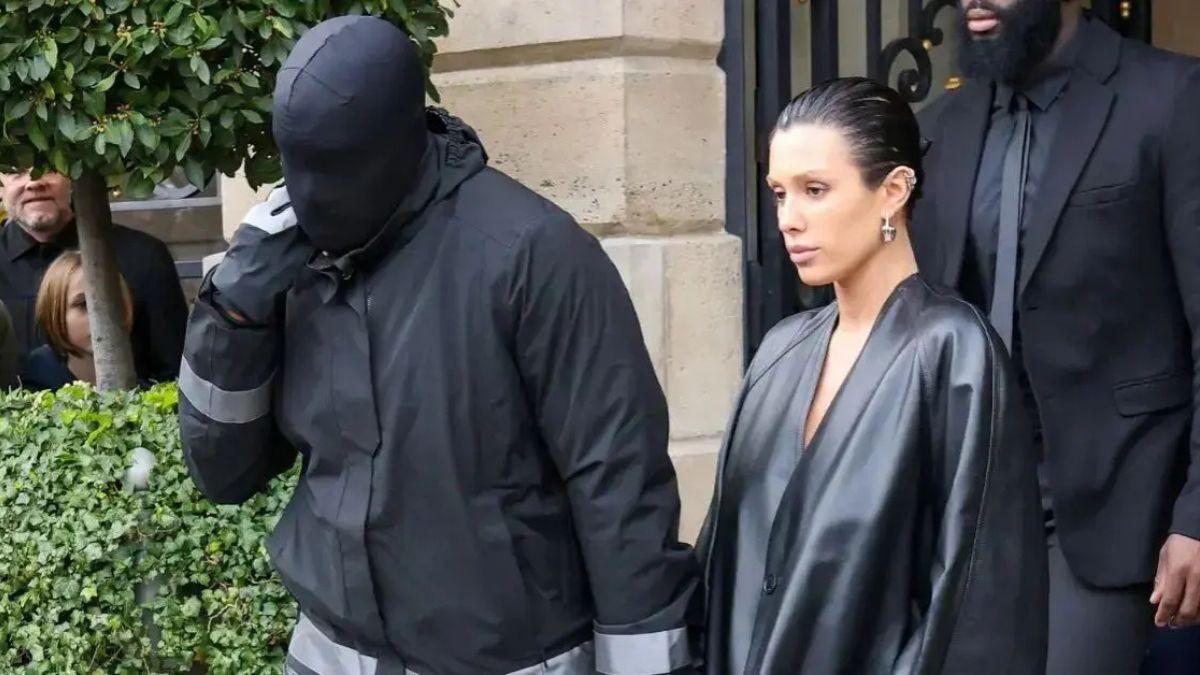
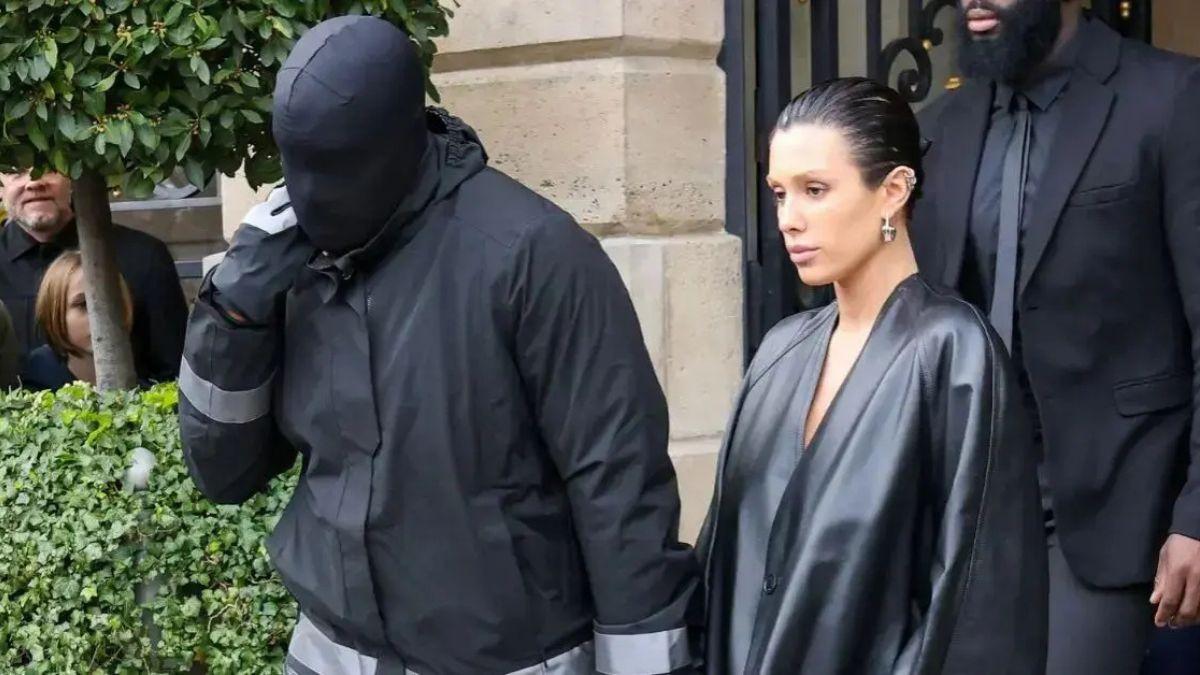
Censori’s fashion choices, often blurring the lines between clothing and body art, have consistently dominated headlines. Her ensembles typically feature sheer fabrics, strategically placed coverings, and deconstructed garments that challenge traditional notions of modesty and public dress. These "shocking nude outfits" are not merely garments but appear to be deliberate artistic statements, prompting conversations about female liberation, societal norms, and the power dynamics within high-profile relationships. The public’s fascination is rooted in the provocative nature of her attire, which frequently pushes the boundaries of what is considered acceptable in mainstream public spaces.
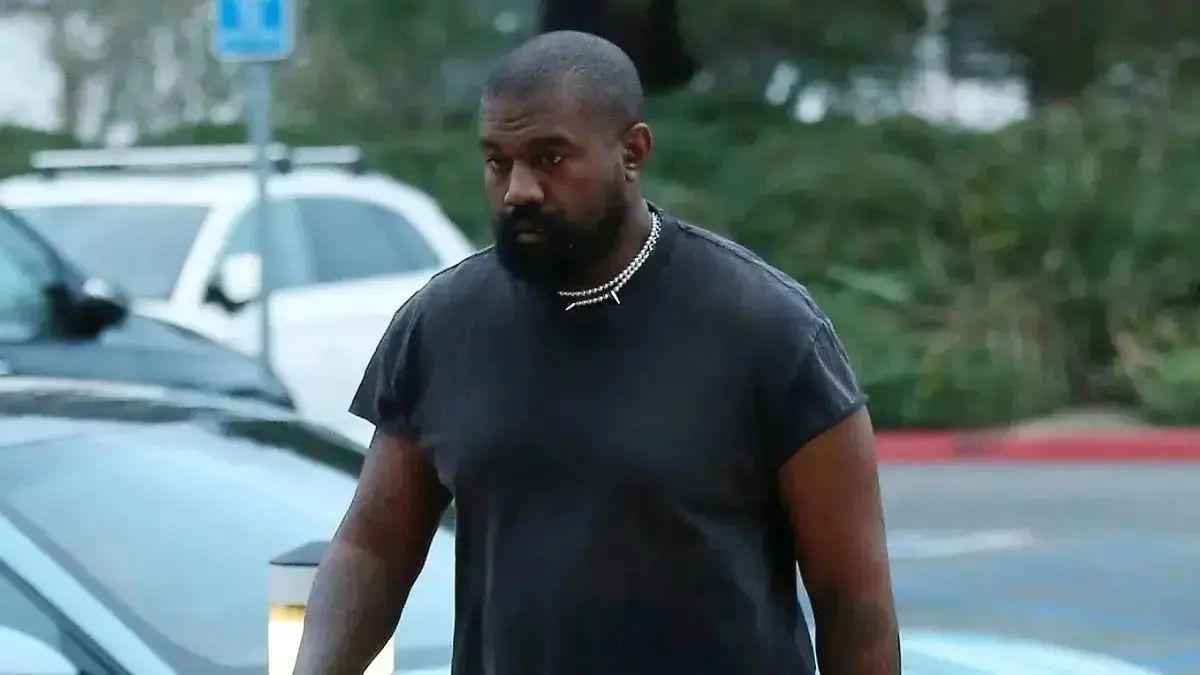
The couple’s appearances, particularly during high-visibility events, have become performative spectacles. Their joint aesthetic often involves West in more subdued, often all-black attire, while Censori takes center stage with her avant-garde looks. This dynamic further fuels the perception of West as the creative director and Censori as his muse, even as she now asserts her active participation in the design process. Her statements suggest that these aren’t just outfits, but a form of artistic expression that she actively "lives for."
The Grammys 2025 Incident: A Cultural Moment
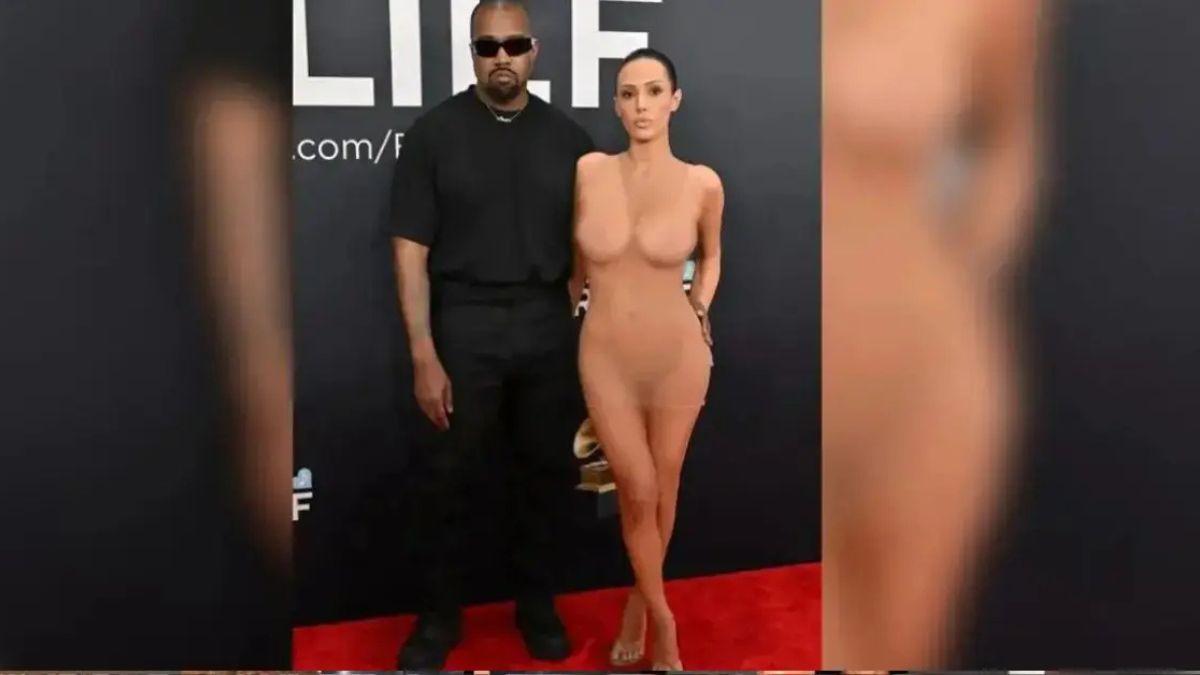
A pivotal moment in solidifying Censori’s viral status occurred at the 2025 Grammys. Arriving in an oversized fur coat, she dramatically shed the garment on the red carpet to reveal a flesh-colored mini dress that gave the illusion of nudity. This bold display instantly ignited a media firestorm, becoming one of the most talked-about moments of the awards show. Kanye West publicly lauded her impact, proudly boasting that she was the "most Googled person" on Earth following the event. "We beat the Grammys," he declared, framing her outfit as a triumph of cultural disruption over conventional awards show narratives.
Censori embraced the ensuing attention with a notable composure. She articulated a profound understanding of the power inherent in her public image, particularly in an era saturated with visual content. "I’m trying not to sound like I’m bragging, but it is not a position that anybody in time has ever had that much visibility without speech," she explained. "If it was just nudity, a lot of people would have that. But it also proves in a time that was so overexposed and vulnerable, that mystery still has power." This statement suggests a deliberate strategy behind her appearances, leveraging visual impact to communicate without words, a form of silent rebellion against conventional celebrity engagement.
Broader Implications and Public Discourse
Censori’s clarification sheds new light on the interplay between personal agency, celebrity influence, and public perception. Her assertion of "collaboration" challenges the simplistic narrative of a controlling partner and a passive muse, inviting a more nuanced understanding of artistic and personal partnership in the public eye. This dialogue resonates with broader cultural conversations about female autonomy, particularly for women associated with powerful male figures. The "nepo wife" label, which she openly acknowledged, is often accompanied by assumptions of diminished agency, making her defiant stance all the more significant.
Her "obvious obsession with nudity" and consistent portrayal of "the same imagery over and over and over again" can be interpreted as a form of performance art, using her body and fashion as a canvas for expression. This approach, while controversial, forces a reconsideration of public space, artistic freedom, and the societal gaze on the female form. By repeatedly presenting herself in these ways, Censori arguably reclaims the narrative, transforming what might be perceived as vulnerability into a demonstration of power and self-possession.
Continuing the Conversation
Bianca Censori’s statements offer a direct challenge to the prevailing assumptions about her relationship and her fashion choices. By framing her provocative "nude outfits" as a product of mutual artistic collaboration and personal conviction, she reasserts her role as an active participant in crafting her public identity. The ongoing public fascination, debate, and media coverage surrounding her appearances are unlikely to wane, as her unique approach to celebrity and self-expression continues to provoke and intrigue. Her declared autonomy ensures that her future fashion statements will be viewed through the lens of individual choice, even as they remain inextricably linked to her high-profile marriage to Kanye West.