Reality television personality Kyle Cooke recently shed light on a significant shift in his relationship with Amanda Batula, revealing her decision to cease co-viewing their hit Bravo series, ‘Summer House,’ a habit that ultimately strained their personal dynamic. This disclosure came shortly before the couple publicly announced their separation, underscoring the profound impact of on-screen drama on their off-screen lives.
The Genesis of a Reality TV Relationship
Kyle Cooke, 43, and Amanda Batula, 34, became household names through their participation in ‘Summer House,’ a reality series that chronicles the lives of a group of friends sharing a summer house in Montauk, New York. Their relationship, which blossomed on camera, evolved from casual dating to marriage, culminating in their wedding in September 2021 after being together since 2016. The show meticulously documented their highs and lows, often positioning their romance at the center of the series’ narrative.

In the initial seasons of their relationship, Cooke recounted that he and Batula shared a common ritual: watching episodes of ‘Summer House’ together. This shared experience was, for a time, a way for them to relive their summer adventures and navigate the complex social dynamics of their housemates. However, as the show progressed and their relationship matured, this viewing habit began to evolve from a bonding activity into a source of considerable conflict within their home.
When On-Screen Drama Became Off-Screen Reality
The unique premise of ‘Summer House,’ which thrives on interpersonal drama, relationship struggles, and party culture, started to mirror their own domestic life too closely. Cooke candidly explained that the arguments and tensions depicted on screen often triggered identical disputes between him and Batula. “Sometimes that led to us literally having the same exact fight we just watched,” he stated, highlighting the blurring lines between their televised personas and their private reality. This phenomenon is not uncommon for reality television stars, who often find themselves reliving, and sometimes re-enacting, their on-screen conflicts in their personal lives, exacerbated by the public’s scrutiny and their own emotional responses to seeing themselves portrayed.
The constant exposure to their relationship’s most vulnerable moments, often amplified for entertainment, created an untenable situation. The inherent nature of reality television production, which involves extensive filming, editing, and then public broadcast, means participants are forced to revisit intensely personal experiences months after they occurred. For Cooke and Batula, this meant their relationship was continuously put under a microscope, both by viewers and by themselves, making it difficult to move past past disagreements.
Amanda Batula’s Decision to Stop Watching
The turning point came around Seasons 6 and 7 of ‘Summer House.’ Recognizing the detrimental effect these joint viewing sessions were having on their peace and relationship stability, Amanda Batula made the difficult decision to disengage from watching the show with her husband. Cooke revealed her explicit preference: “Amanda was like, ‘I’d rather not watch with you,’” indicating a clear boundary set to protect their home environment from the show’s pervasive influence.
This decision reflects a broader struggle many reality TV couples face: how to maintain a healthy relationship when its most intimate and challenging moments are broadcast for millions to consume and dissect. For Batula, the emotional toll of reliving arguments and seeing their relationship struggles play out on a public platform, only to then re-experience them at home, became too heavy. Her choice underscored a desire to separate her private life from her professional obligations, a necessary step for many in the high-pressure world of reality television.
Kyle Cooke’s Continued Engagement with the Series
Despite Batula’s withdrawal from shared viewership, Kyle Cooke maintained his interest in watching the episodes independently. He expressed a desire to see aspects of the show he wasn’t privy to during filming, even when the content involved negative commentary about him. “I love seeing for the first time things I wasn’t a part of, even when people are literally talking s— about me,” he remarked. This stance suggests a certain professional detachment or perhaps a need to understand the full narrative being presented to the audience, regardless of personal discomfort.

His solo viewing habits also highlight the differing coping mechanisms within a couple subjected to such unique professional circumstances. While Batula sought distance for emotional well-being, Cooke continued his engagement, perhaps viewing it as a professional responsibility or a way to stay informed about the unfolding story of his life on screen. This divergence in how they processed their shared reality TV experience may have inadvertently contributed to the growing distance between them.
Broader Implications for Reality TV Relationships
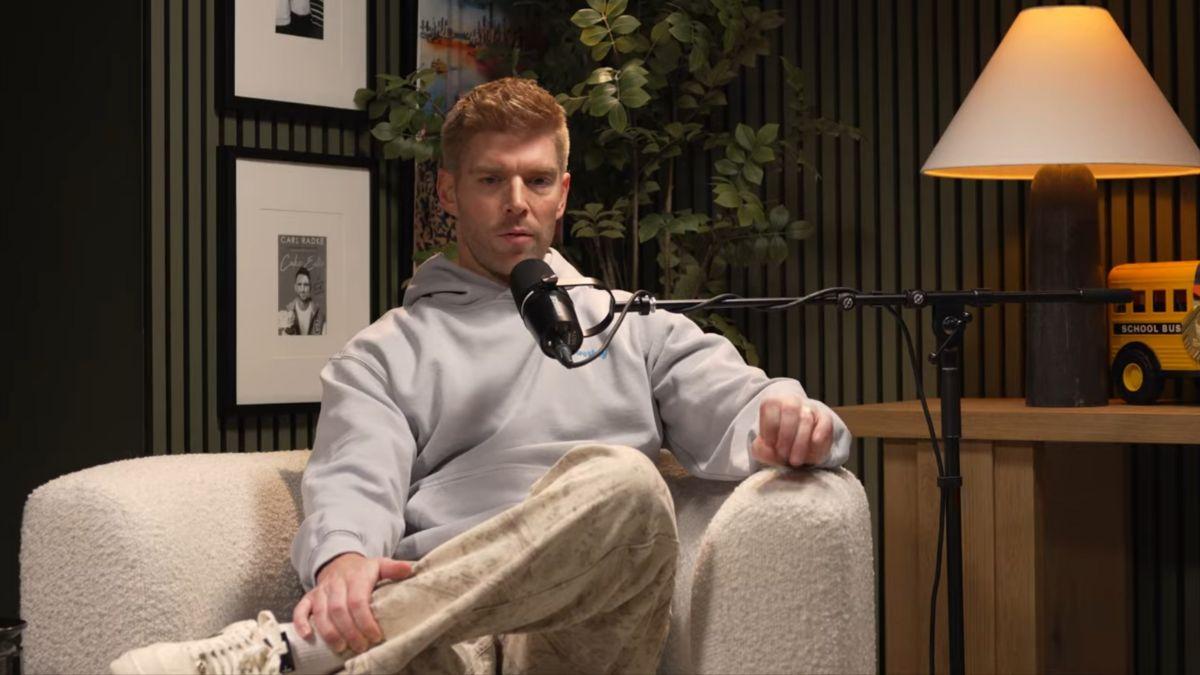
The struggles faced by Kyle Cooke and Amanda Batula are not isolated incidents within the reality television landscape. Carl Radke, Cooke’s ‘Summer House’ co-star and host of the podcast where these revelations were made, echoed similar sentiments regarding his own past relationship. Radke shared his understanding of the difficulties couples encounter when watching reality TV together, referencing his experiences with his ex-fiancée, Lindsay Hubbard, another prominent figure on the show. Their relationship, too, was heavily featured and scrutinized, ultimately leading to their recent public breakup.
These narratives collectively paint a picture of the immense pressure and unique challenges inherent in reality TV relationships. The constant performance, the blurred lines between personal and public, and the unavoidable revisiting of conflict can erode even the strongest foundations. For many cast members, the show becomes an omnipresent third party in their relationship, influencing discussions, magnifying insecurities, and often dictating public perception.

The Unveiling of a New Chapter: Separation
The podcast episode featuring Kyle Cooke’s candid discussion was recorded on January 3, a date that now holds significant weight given subsequent events. Shortly after its recording, Cooke and Batula made a joint announcement via Instagram, informing their followers and the public of their decision to separate. Their statement, “After much reflection, we have mutually and amicably decided to part ways as a couple,” marked the official end of their public relationship journey. They requested privacy as they embarked on individual paths of personal growth, a common refrain in celebrity separation announcements.
Cooke’s comments during the podcast hinted at this impending change, even if obliquely. He spoke of anticipating a “new chapter” in his life, emphasizing the paramount importance of happiness. “Sometimes it’s not so obvious,” he mused, suggesting that the journey towards individual fulfillment might require difficult decisions and separate trajectories for both him and Batula. His description of the past year as his “toughest” yet, fraught with various pressures and challenges, now takes on a poignant new meaning in the context of their marital dissolution.
Looking Ahead: Individual Paths and ‘Summer House’ Future
The separation of Kyle Cooke and Amanda Batula, once a central romantic storyline on ‘Summer House,’ raises questions about their individual futures, both on and off the show. Their long-standing presence on the series, intertwined with their relationship, means their personal lives will likely remain a topic of public interest and potential on-screen exploration. For Batula, her decision to stop watching the show with Cooke was an early indicator of the strain the reality TV spotlight placed on their union. Her continued absence from shared viewing, even if Cooke continues to watch, signifies a clear boundary she established to safeguard her emotional well-being.
As both individuals navigate this new chapter, their journey will undoubtedly be observed by fans who have followed their story for years. The amicable nature of their split, as stated in their announcement, suggests a mutual respect that may allow them to maintain a professional relationship, especially if they continue to be part of the ‘Summer House’ ensemble. However, the emotional complexities of such a public separation, particularly within the confines of a shared reality TV environment, present a unique set of challenges as they move forward independently.