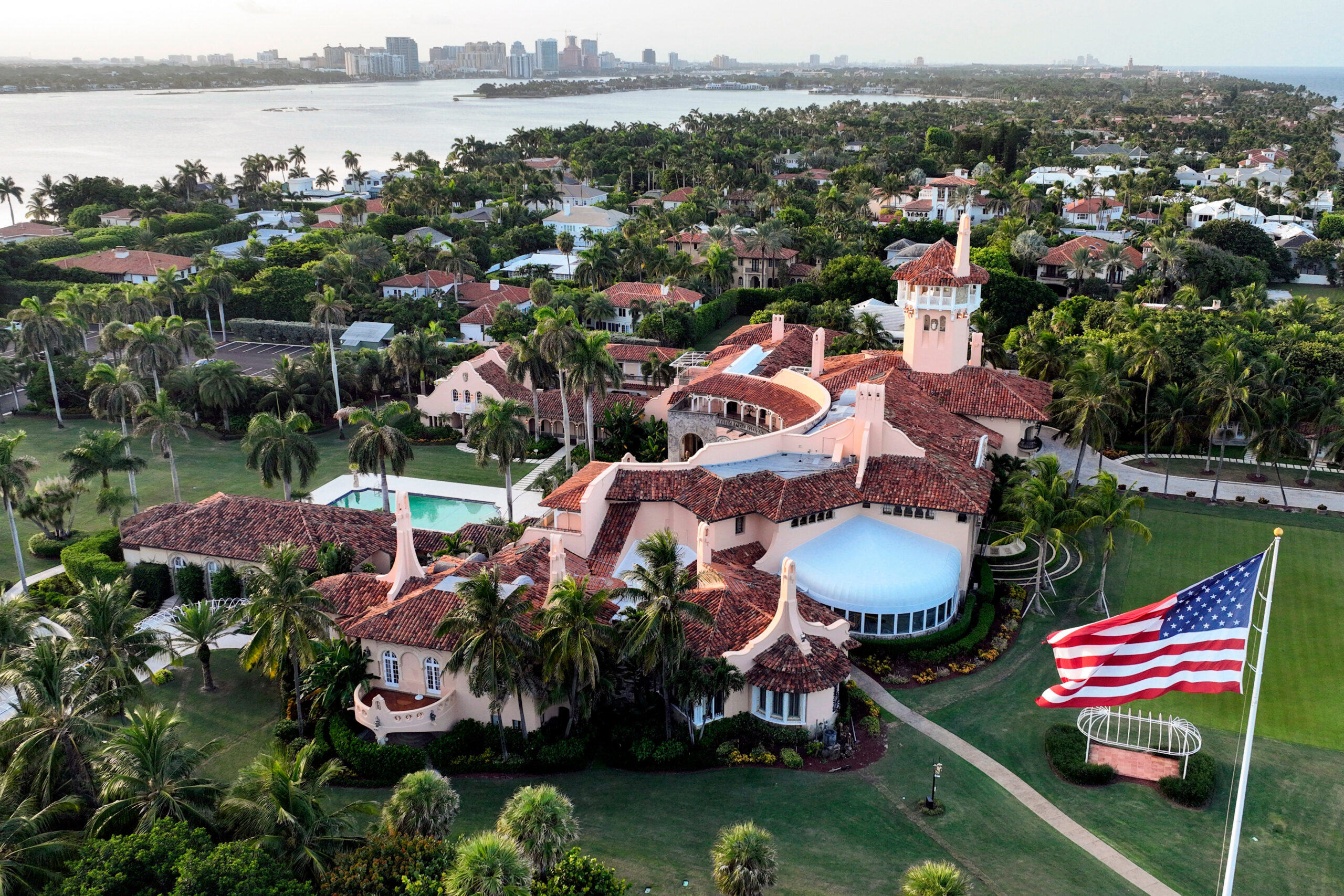
A man in his 20s was fatally shot by Secret Service agents Sunday morning after he attempted to breach a secure perimeter at former President Donald Trump’s Mar-a-Lago resort in Palm Beach, Florida, authorities confirmed. The incident occurred around 1:30 a.m. local time, as the former president was not present at the property, having been in Washington D.C. at the time. The individual was reportedly armed with a shotgun and a fuel can, prompting a lethal response from law enforcement.
Security Breach at Mar-a-Lago
The United States Secret Service, responsible for the protection of former presidents and their residences, stated that its agents engaged the armed individual after he approached the north gate of the Mar-a-Lago property. The suspect, whose identity has not yet been officially released, was pronounced dead at the scene following the shooting. Officials are currently investigating the full circumstances surrounding the breach and the fatal encounter.
Investigation Underway
A multi-agency investigation has been launched to thoroughly examine the incident. The Federal Bureau of Investigation (FBI), the U.S. Secret Service, and the Palm Beach County Sheriff’s Office are collaborating to determine the suspect’s background, actions leading up to the breach, potential motive, and the precise use of force by the agents.
Anthony Guglielmi, the Secret Service’s communications chief, provided initial details, noting that the suspect is believed to be from North Carolina. Family members had reportedly reported him missing a few days prior to the incident. Investigators are working to trace his movements south from North Carolina and ascertain how he acquired the firearm.
Context of Presidential Security
The breach at Mar-a-Lago, while an isolated incident, brings renewed attention to the security protocols surrounding former President Trump and his properties. Mar-a-Lago, a private club and residence, is a frequent destination for Trump and has been the subject of heightened security measures since he took office.
Previous Threats and Incidents
This event also occurs against a backdrop of documented threats and attempts against Donald Trump. In recent years, several individuals have been apprehended or prosecuted for plotting or attempting to harm the former president. These incidents underscore the persistent security challenges faced by high-profile political figures.
Earlier this month, Ryan Routh, 59, was sentenced to life in prison for plotting to assassinate Trump at a Florida golf course in September 2024. This planned attack was slated to occur just two months before the U.S. presidential election. Routh’s conviction highlighted the ongoing concerns about politically motivated violence.
Prior to Routh’s sentencing, another significant incident involved Matthew Crooks, 20, who fired several shots during a campaign rally in Butler, Pennsylvania. One of those shots grazed Trump’s right ear. This attack, which tragically resulted in the death of a rally attendee, was widely viewed as a critical moment in the political landscape of the time.
Mar-a-Lago as a Security Focal Point
Mar-a-Lago has consistently been a focal point for security operations due to its status as a private residence of a former president and a significant social and business hub. The property’s extensive grounds and its role in hosting numerous events and visitors necessitate robust and constant security vigilance. The Secret Service maintains a continuous presence to safeguard the former president and the premises.
Operational Details of the Breach
The confrontation occurred at the north gate, a critical access point to the sprawling estate. The suspect’s approach, armed with a shotgun and a fuel can, presented an immediate and severe threat that law enforcement was compelled to address directly. The rapid response from Secret Service agents and a deputy from the Palm Beach County Sheriff’s Office was crucial in preventing further escalation.
The presence of a fuel can also raises questions about the suspect’s intentions, potentially suggesting an intent to cause further damage or disruption beyond a simple intrusion. Investigators are meticulously examining all items found with the suspect and the sequence of events leading to the deadly encounter.
Broader Implications for Security Protocols
Incidents like the one at Mar-a-Lago prompt ongoing reviews and potential enhancements of security protocols for former presidents and other high-profile individuals. The ability of an individual, even one reportedly in distress, to reach a secure perimeter with weapons raises questions about intelligence gathering, surveillance, and the effectiveness of physical barriers.
The strain on security resources is also a significant consideration. Protecting multiple residences, including Mar-a-Lago, as well as former presidents during their travels, requires a substantial commitment of personnel and technology. The Secret Service operates under a mandate to protect individuals from threats, both foreign and domestic.
The Role of Mental Health and Background Checks
The detail that the suspect was reported missing by his family suggests a potential underlying mental health crisis. This aspect of the case, if confirmed, could reignite discussions about the intersection of mental well-being and security threats. While law enforcement’s primary objective is immediate threat neutralization, the broader societal context of mental health support remains a critical concern.
Investigators will be delving into the suspect’s digital footprint, any known associates, and his recent activities to piece together a comprehensive profile. The goal is to understand not only how this breach occurred but also why.
Public Reaction and Political Discourse
While details are still emerging, any security breach involving a former president’s residence invariably draws public attention and can become a subject of political discourse. The incident at Mar-a-Lago is likely to be scrutinized by media, political analysts, and the public, particularly concerning the effectiveness of security measures and the broader landscape of threats against public figures.
The timing of such an event, occurring while the nation is often engaged in political campaigns or debates, can amplify its impact. Security concerns are a perennial theme in American politics, and incidents that appear to challenge established security frameworks often fuel these discussions.
The Nature of Threats in the Digital Age
In an era where information and misinformation can spread rapidly, the investigation into this incident will also consider the role of online activity and potential radicalization. The FBI and other intelligence agencies continuously monitor various platforms for signs of individuals planning or inciting violence. Understanding the suspect’s online presence will be a critical component of the investigation.
The investigation is expected to be thorough and protracted, aiming to provide a complete accounting of the events that transpired at the secure perimeter of Mar-a-Lago. The outcome of this inquiry will not only shed light on this specific incident but may also inform future security strategies for protecting those under the purview of the U.S. Secret Service. The focus remains on ensuring the safety and security of individuals entrusted with national leadership roles.