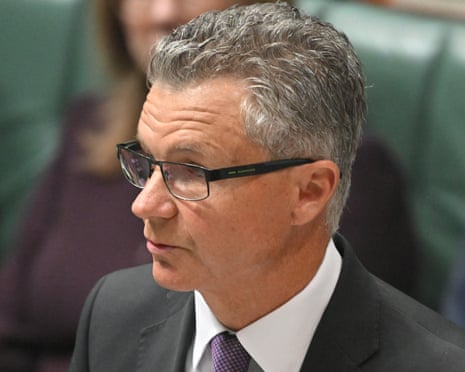
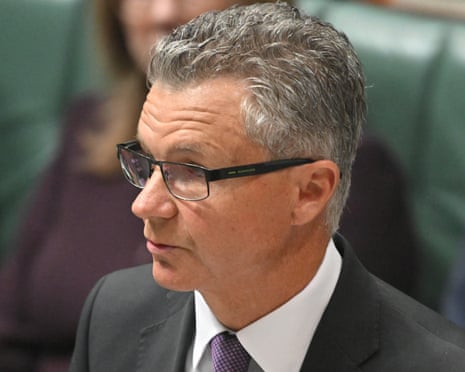
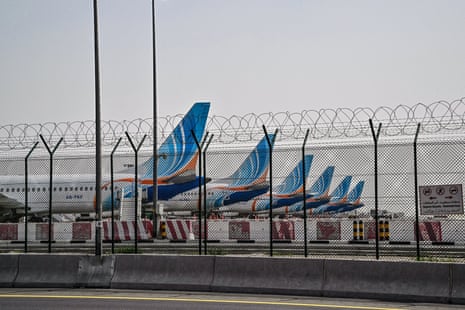
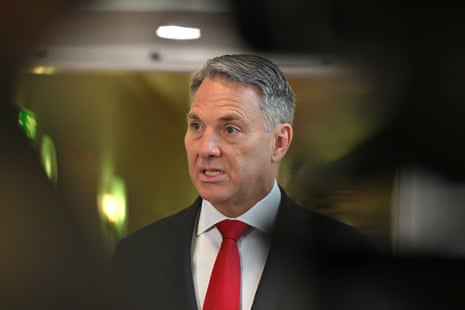
Australian Deputy Prime Minister and Minister for Defense Richard Marles defended the government’s consular response on Tuesday as thousands of citizens remain stranded in the Middle East following a major escalation in regional hostilities. Reports have surfaced of Australians waiting upwards of 24 hours to reach consular officials as they attempt to navigate a rapidly closing window for evacuation. Marles acknowledged the delays but cited an unprecedented volume of requests, noting that the government is currently developing secret contingency arrangements to ensure the safety of its nationals.

The crisis follows a weekend of high-intensity military action, including targeted strikes by the United States and Israel against Iranian assets. These strikes reportedly resulted in the death of Iran’s Supreme Leader, Ayatollah Ali Khamenei, and have led to the widespread disruption of international airspace and shipping lanes. The Australian government estimates there are currently more than 115,000 Australians in the region, with approximately 11,000 travelers moving between Australia and the Middle East on any given day.
Marles Defends Consular Response Amid Middle East Crisis
In a series of media appearances on Tuesday morning, Marles urged patience, explaining that the sheer number of Australians seeking assistance has placed a "significant load" on Department of Foreign Affairs and Trade (DFAT) personnel. He emphasized that while consular waits have been lengthy, staff are working around the clock to process inquiries and provide the most up-to-date travel intelligence. The government’s primary advice remains for citizens to register with the Smartraveller portal and maintain contact with commercial airlines.

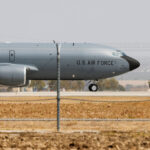
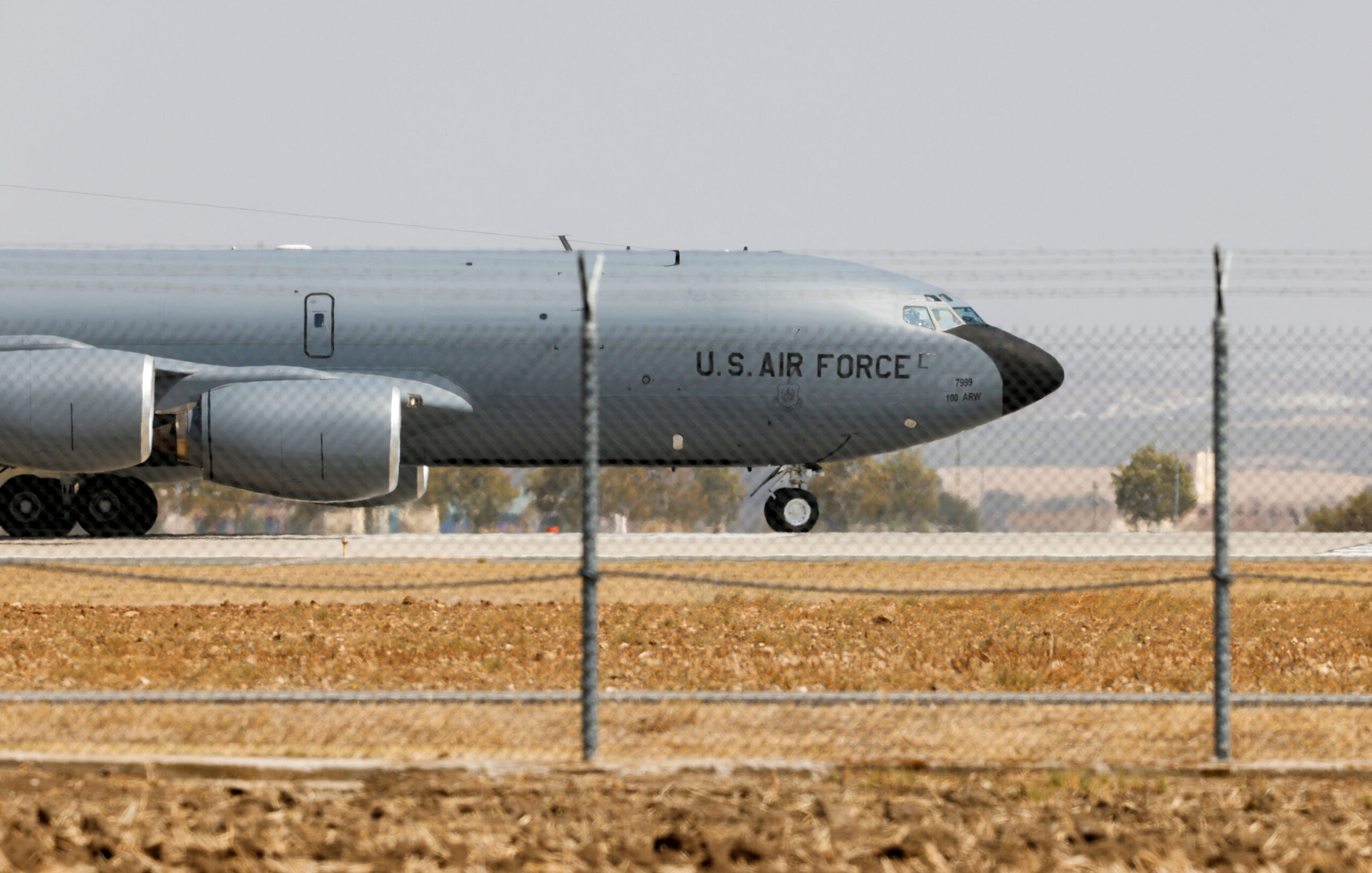
Despite the backlog, Marles revealed that the government is actively preparing contingency arrangements to assist those unable to secure passage on commercial flights. While he declined to provide specific details regarding these plans—citing security concerns—such measures typically involve the deployment of Royal Australian Air Force (RAAF) transport aircraft or the chartering of private vessels. For now, however, the administration maintains that commercial aviation remains the most "expeditious" route out of the conflict zone, provided limited airspace openings continue to occur.
The defense minister’s comments come as the government faces mounting pressure from the federal opposition to expedite the evacuation process. Critics have questioned whether the administration acted quickly enough to warn travelers of the potential for a total airspace shutdown. Marles countered these critiques by stating the situation must be managed "a day at a time," as the fluidity of the conflict makes long-term speculation difficult and potentially misleading for the public.

Geopolitical Tensions and the Australian Military Stance
The assassination of Ayatollah Ali Khamenei has fundamentally shifted the geopolitical landscape, prompting concerns of a broader regional war. Prime Minister Anthony Albanese confirmed that while the United States and Israel led the strikes against Iran’s ballistic missile program, Australia was not a participant in the operation. Albanese stated that the U.S. has not requested military assistance from Canberra and signaled that he does not expect such a request to be made in the near future.
"It is a long way from Australia," Albanese said during an interview with the ABC, noting that the nation is not a "central player" in Middle Eastern military dynamics. This distance has informed the government’s cautious approach, focusing on diplomatic pressure and consular support rather than direct military involvement. The Prime Minister reiterated that Australia’s interests lie in the de-escalation of the conflict and the protection of international law, though his ministers have largely avoided commenting on the specific legality of the U.S.-Israeli strikes.
Assistant Foreign Affairs Minister Matt Thistlethwaite echoed this sentiment, stating he was "not aware" of any formal legal advice sought by the government regarding the strikes. He argued that Australia’s position is consistent with other "middle power" nations, including the United Kingdom and Canada. The focus remains on a unified international front that prioritizes the stability of global energy markets and the prevention of further civilian casualties.
Domestic Security Concerns and Potential Legal Breaches
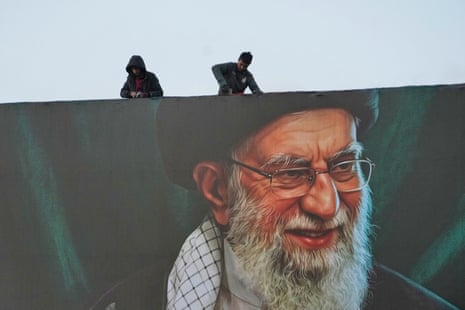
The international conflict has sparked significant domestic friction within Australia, particularly regarding public displays of mourning for the late Iranian leader. Several mosques and Islamic centers in Sydney and Melbourne reportedly held memorial services for the Ayatollah, a move that Prime Minister Albanese labeled "inappropriate." The controversy has deepened with calls for police intervention from the opposition’s shadow defense minister, James Paterson.
Paterson suggested that these mourning events might constitute a breach of Australia’s newly strengthened antisemitism and hate speech laws, which were passed following recent domestic terror incidents. He specifically pointed to the status of the Islamic Revolutionary Guard Corps (IRGC) as a listed terrorist organization in Australia. Under federal law, it is a criminal offense to praise or glorify a listed terrorist entity in a manner that could incite others to commit acts of violence.
"No one should be holding a mourning for the head of a regime which sponsored terror attacks," Paterson said, calling on the Australian Federal Police (AFP) to investigate whether the display of symbols or logos during these memorials violated national security statutes. While Marles stated he would not personally direct the police on how to handle these cases, he made it clear that the government’s "thoughts are with the thousands of Iranians who have died at the hands of the Supreme Leader" over his decades-long rule.
Economic Uncertainty and RBA Inflation Warnings
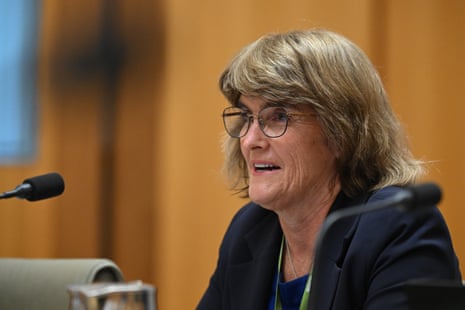
Beyond the immediate security and consular concerns, the Middle East crisis is casting a long shadow over the Australian economy. Reserve Bank of Australia (RBA) Governor Michele Bullock warned on Tuesday that it is "too early to tell" what the conflict will mean for domestic inflation and interest rates. Financial markets had previously anticipated a potential rate hike in May, but the sudden surge in global oil prices has introduced a new layer of volatility.
Bullock noted that the closure of crucial waterways adjacent to Iran has already impacted shipping and energy costs. While a supply shock typically drives inflation higher, a prolonged conflict could also dampen global economic activity, eventually leading to downward pressure on prices. "Events in the Middle East are a timely reminder that in this world of geopolitical uncertainty, things can change quickly," Bullock said, adding that the RBA remains "very alert" to how these shifts might influence consumer inflation expectations.
Motorists across Australia are already bracing for higher fuel costs at the pump, a development that could further strain household budgets already impacted by a high cost of living. The RBA’s cautious stance suggests that the path of future interest rate movements remains highly dependent on the duration and intensity of the hostilities. The central bank has indicated it will take time to analyze the data before making any definitive shifts in monetary policy.
Strengthening Middle Power Alliances
Amid the regional instability, Canadian Prime Minister Mark Carney arrived in Australia on Tuesday for a high-level diplomatic visit. Carney is scheduled to address the federal parliament later this week, a rare honor that underscores the strengthening ties between Ottawa and Canberra. The two leaders are expected to discuss a range of issues, including climate change, economic security, and the ongoing crisis in Iran.
A central theme of the visit is the role of "middle powers" in a world dominated by superpower rivalry. Carney has previously advocated for countries like Canada and Australia to act as a coordinated bloc to influence global policy and maintain the rules-based international order. The discussions are also expected to focus on critical minerals, with both nations looking to upgrade existing agreements to ensure a stable supply chain for the transition to renewable energy.
This diplomatic engagement serves as a backdrop to the domestic challenges facing the Albanese administration. Even as the government manages the fallout from the Middle East, it is also contending with new data from the Workplace Gender Equality Agency (WGEA) showing that men in Australia are still nearly twice as likely as women to earn high salaries. The report, which found that men are 1.8 times more likely to earn over $220,000 annually, highlights the persistent structural inequalities that remain a focus of domestic policy.

The convergence of international warfare, domestic legal debates, and economic instability has created a complex environment for the Australian government. As Richard Marles and his colleagues monitor the "marginal" opening of airspace in the Middle East, the focus remains on a dual-track strategy: maintaining a calm domestic front while preparing for the possibility that the secret contingency arrangements currently under discussion may soon become a necessity for thousands of citizens waiting for a way home.