Authorities have discovered two mass graves containing at least 171 bodies on the outskirts of Uvira, a key city in the Democratic Republic of Congo’s eastern region, according to local officials and a civil society group. The grim discovery comes as fighting intensifies in the mineral-rich eastern DRC, despite ongoing international efforts to broker peace. The M23 rebel group, which recently withdrew from Uvira after seizing it in December, has been accused of carrying out the killings.
Eerie Discovery in Eastern DRC
The grim findings were announced Thursday by Jean-Jacques Purusi, the governor of South Kivu province. He detailed the discovery of two sites in the neighborhoods of Kiromoni and Kavimvira, located on the periphery of Uvira. One mass grave in Kiromoni, situated near the Burundian border, reportedly held approximately 30 bodies. The second, larger grave in Kavimvira, contained an estimated 141 bodies, bringing the total to at least 171.
A local civil society organization, the Executive Secretariat of the Local Network for the Protection of Civilians, has corroborated the governor’s account. However, the group stated that its members were denied access to the mass grave sites by the Congolese military. This prevented them from conducting their own immediate assessment and investigation.
Yves Ramadhani, vice president of the civil society group, indicated that information gathered thus far points to the M23 rebels as the perpetrators of these killings. The governor and the civil society group allege that the victims were targeted by the rebels under suspicion of collaborating with the Congolese army or pro-government militias.
M23 Rebel Group’s Role and Accusations
The M23 movement is currently the most significant armed group among more than a hundred operating in eastern DRC, a region notorious for its abundant mineral wealth and proximity to the Rwandan border. The conflict between the DRC government and M23 has been protracted and violent, spanning over a decade.
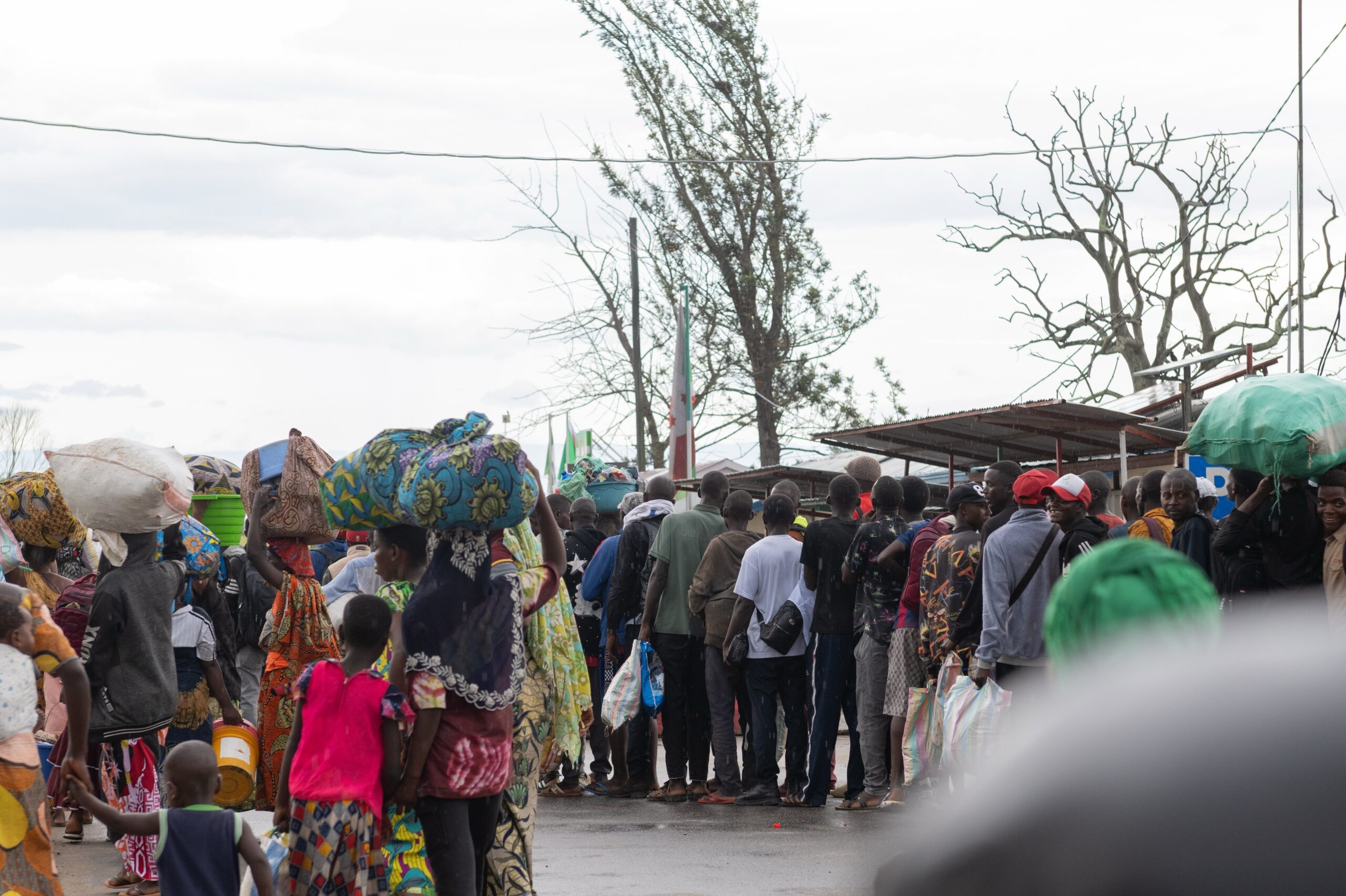
Initial fighting erupted in 2012, with a period of de-escalation the following year, only for hostilities to resume in 2021. The rebels gained considerable ground in early 2025, capturing Goma, the capital of North Kivu province, and subsequently Bukavu, the capital of neighboring South Kivu, in the month that followed. Their capture of Uvira in December of that year resulted in significant casualties, with over 1,500 reported deaths and an estimated 300,000 people displaced, according to regional authorities.
Following the capture of Uvira, the M23 group announced a withdrawal from the city. They described this move as a "unilateral trust-building measure" requested by the United States to facilitate the peace process. The M23 claims to champion the rights of the minority Tutsi community, asserting that this group has been marginalized by the Congolese state. The DRC government, however, has condemned the rebels and accused neighboring Rwanda of providing them with support to seize territory and resources.
Both the DRC military and the M23 rebel group have faced accusations of committing extrajudicial killings and other human rights abuses from various international rights organizations. Al Jazeera has not independently verified the claims made by Governor Purusi or the civil society group.
Escalating Violence Amid Peace Efforts
The discovery of the mass graves underscores the persistent instability and brutality plaguing eastern DRC, even as diplomatic efforts to achieve peace continue. The United States has been actively involved in mediating peace talks between the DRC and M23, as well as facilitating separate discussions between Kinshasa and Kigali, Rwanda’s capital.
Last year saw two distinct negotiation processes aimed at resolving the conflict. One was a framework deal between the DRC and M23, mediated by Qatar. The other was a peace accord between the DRC and Rwanda, facilitated by the U.S. Despite these agreements and declared ceasefires, armed conflict has persisted relentlessly in the eastern part of the country.
The ongoing violence has created one of the world’s most severe humanitarian crises. The United Nations refugee agency reports that over seven million people have been displaced, and thousands have lost their lives. The conflict’s intricate web of ethnic grievances, resource competition, and regional power struggles continues to fuel cycles of violence, making lasting peace an elusive goal.
Humanitarian Catastrophe and Wider Implications
The humanitarian consequences of the prolonged conflict in eastern DRC are devastating. Beyond the direct casualties of fighting and alleged massacres, the displacement of millions has placed an immense strain on resources and aid organizations. Access to food, shelter, and medical care is severely limited for many of those forced to flee their homes, often multiple times.
The region’s rich mineral deposits, including coltan, gold, and diamonds, are a significant driver of the conflict. Various armed groups, including M23, vie for control of these resources, often exploiting local populations and fueling corruption. This illicit trade in minerals not only funds the armed groups but also perpetuates instability, making it difficult for legitimate governance to take root.
The discovery of mass graves is a stark reminder of the atrocities that have become a grim hallmark of the conflict. These findings often trigger renewed calls for accountability and justice for victims. However, the complex nature of the conflict, with multiple armed actors and alleged state complicity, makes thorough investigations and prosecutions exceptionally challenging.
Furthermore, the regional dimension of the conflict cannot be overstated. Accusations of external support for armed groups, particularly from Rwanda concerning M23, have strained relations between DRC and its neighbors. These geopolitical tensions complicate diplomatic solutions and can exacerbate the violence on the ground.
The Path Forward: Challenges to Peace and Justice
The recent discoveries in Uvira present a critical juncture for the ongoing peace process. The evidence of mass killings, if substantiated through independent investigations, would demand a robust international response. It could also put further pressure on the M23 group and its alleged backers to engage in good-faith negotiations and cease hostilities.
However, the path to justice and lasting peace in eastern DRC remains fraught with obstacles. The Congolese military’s alleged obstruction of civil society access to the graves raises concerns about transparency and potential cover-ups. Independent, impartial investigations are crucial to establish the facts and ensure that those responsible for the killings are held accountable.
The international community faces the dual challenge of addressing the immediate humanitarian crisis while also working towards a sustainable political solution. This requires not only diplomatic engagement but also sustained pressure on all parties to respect human rights and international humanitarian law. The involvement of regional powers and the resolution of underlying grievances, including land rights and ethnic tensions, are also critical components of any lasting peace strategy.
The discovery of these mass graves serves as a somber testament to the immense human cost of the conflict in eastern DRC. It highlights the urgent need for renewed international attention and commitment to finding a durable solution that prioritizes the safety and well-being of the Congolese people and brings an end to the pervasive violence and suffering. The international community’s response to these findings will be a crucial indicator of its dedication to achieving justice and peace in a region long plagued by conflict and humanitarian catastrophe. The collapse at the Rubaya coltan mine last month, which killed over 200 people, is another grim reminder of the perilous conditions faced by those living and working in this volatile region.