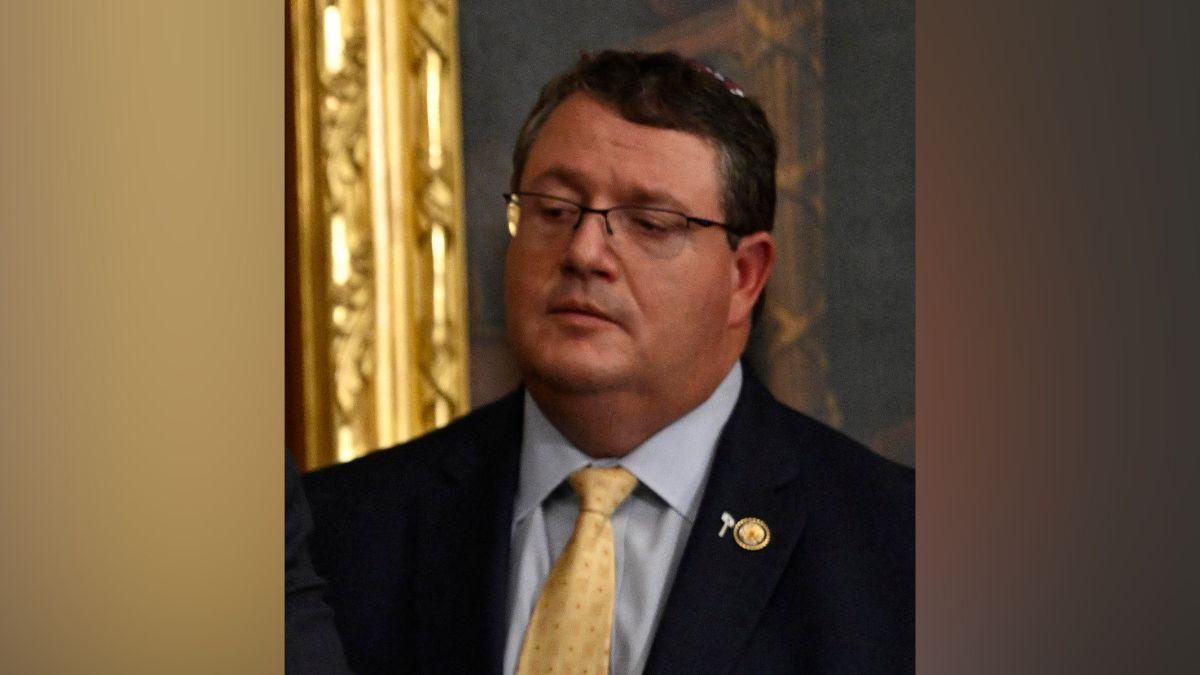
Podcaster Megyn Kelly launched a scathing attack against Florida State Representative Randy Fine (R), publicly accusing him of exhibiting "full bigot" behavior following a highly controversial social media post where he drew a derogatory comparison between Muslims and dogs. The incident ignited a firestorm of criticism across the political spectrum, leading to widespread calls for Fine’s censure, resignation, and removal from office.
The incendiary post, shared by Fine on X (formerly Twitter), stated, "If they force us to choose, the choice between dogs and Muslims is not a difficult one." This remark immediately provoked intense backlash, with critics from both Democratic and Republican parties condemning the statement as hateful and Islamophobic. The comment appeared to be a reaction to an ongoing, separate debate concerning dog ownership policies in New York City, which Fine controversially and offensively linked to an entire religious group.
Kelly’s Fiery Retort
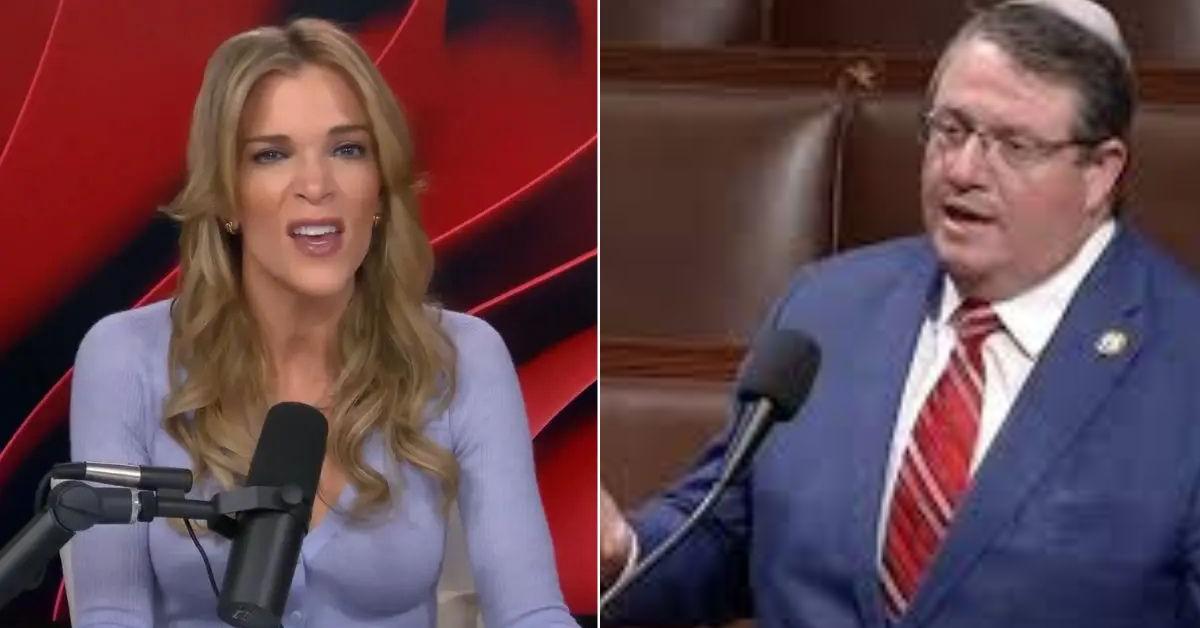
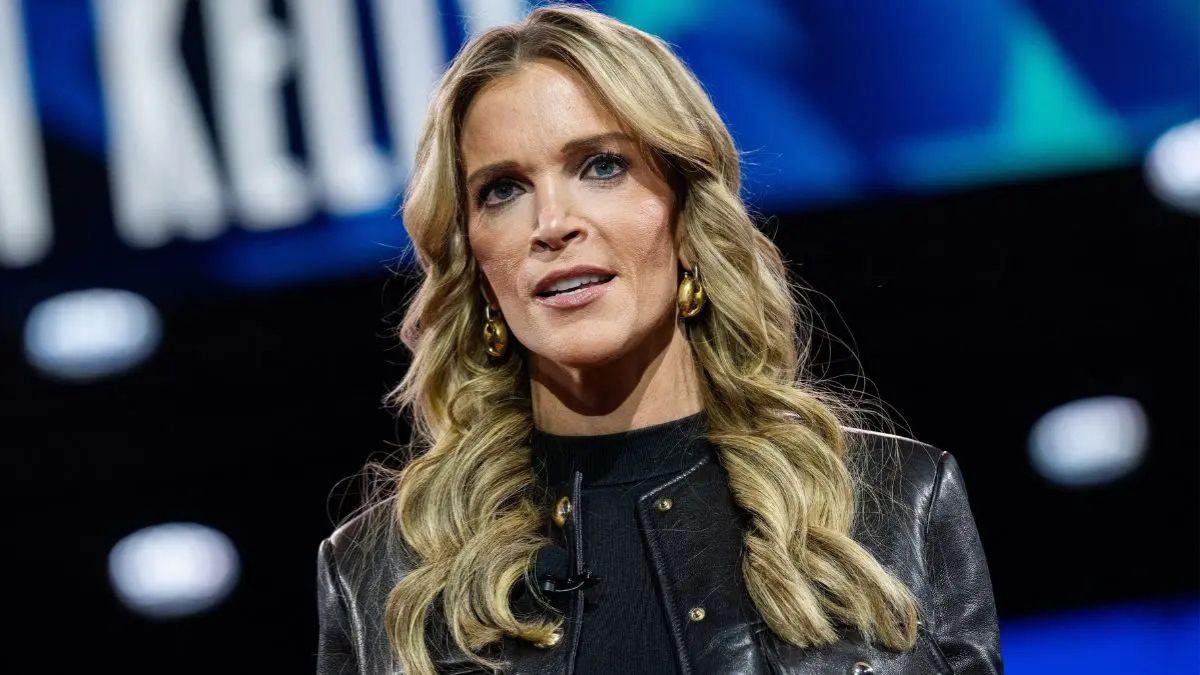
Megyn Kelly, a prominent media personality known for her sharp commentary and a complex political history that includes a famously rocky past with former President Donald Trump before becoming one of his vocal allies, was among the first to react. Her initial response to Fine’s post was a concise and incredulous, "WT- is this?" This direct challenge quickly escalated into a heated exchange.
When Representative Fine retorted with a dismissive question, "Have you figured it out yet?", Kelly doubled down on her condemnation. She fired back, branding him a "pathetic sweaty man" and delivering an unequivocal "F— off." Kelly further elaborated on her rebuke, emphasizing that while Fine might have been reacting to specific, unrelated comments regarding dogs in New York City, his decision to target an entire religion rather than address the particular individual or policy in question was a clear act of bigotry.
Widespread Condemnation and Calls for Accountability
The outrage over Randy Fine’s remarks extended far beyond Megyn Kelly’s platform, drawing widespread condemnation from influential political figures and media personalities. California Governor Gavin Newsom (D) did not mince words, labeling Fine a "racist slob" and vocally urging him to step down from his position. The Democratic governor’s strong statement underscored the severity with which such rhetoric is viewed in national politics.
House Minority Leader Hakeem Jeffries (D-N.Y.) also weighed in, characterizing Fine as an "Islamophobic, disgusting and unrepentant bigot." Jeffries went a step further, calling upon Republican leadership to hold their colleague accountable for his offensive statements, highlighting the responsibility of party leaders to address hate speech within their ranks. Similarly, CNN anchor Jake Tapper described the post as "disgusting bigotry," reflecting the sentiment across mainstream media. Democratic Representative Ro Khanna (Calif.) joined the chorus, specifically calling for Fine to face formal censure by the House, an official reprimand for misconduct.
A Pattern of Inflammatory Rhetoric from Fine
The controversial social media post is not an isolated incident but rather fits into a well-documented pattern of inflammatory and offensive remarks by Representative Randy Fine. Fine, who is Jewish, has frequently attracted criticism for a long history of anti-Muslim and anti-Palestinian statements. His past comments reveal a troubling tendency to employ divisive and dehumanizing language against minority groups.
Among his most egregious previous statements, Fine has repeatedly referred to Muslim members of Congress, including Representatives Ilhan Omar (D-Minn.) and Rashida Tlaib (D-Mich.), as "Muslim terrorists." Such accusations are widely condemned as baseless and Islamophobic, contributing to an environment of hostility and distrust towards Muslim Americans in politics. He extended this line of attack to Muslim New York City Mayor Zohran Mamdani (D), not only calling for his citizenship to be revoked but also demanding his deportation to a "Ugandan s—hole," a comment widely denounced for its xenophobic and racist undertones.
Further demonstrating his extreme views, Fine suggested in a May 2025 interview that the United States should "nuke" Gaza’s population to achieve "unconditional surrender," explicitly invoking the atomic bombings of Japan as a precedent. This statement provoked international outrage, drawing parallels to calls for genocide and highlighting a profound disregard for human life and international humanitarian law. His rhetoric has not been confined to religious or ethnic groups; he once notoriously called a Florida female school board member a "w—-." Moreover, Fine has targeted Jewish community leaders who disagree with his political stances, controversially labeling one man a "judenrat," a deeply offensive historical term referring to Jewish councils that were forced to collaborate with the Nazis during the Holocaust.
Broader Implications for Political Discourse
Randy Fine’s latest outburst, and the strong reactions from figures like Megyn Kelly, underscore the escalating tensions and increasingly vitriolic nature of contemporary political discourse. The use of social media platforms by elected officials to disseminate hateful or dehumanizing messages raises serious questions about public trust, accountability, and the erosion of civility in public life. Such rhetoric not only damages interfaith relations but also legitimizes prejudice, potentially inciting real-world harm against targeted communities.
The bipartisan condemnation of Fine’s post indicates a recognition among some political leaders that certain lines of decency and respect must be maintained, regardless of political affiliation. However, the recurring nature of Fine’s controversial statements also highlights the challenges political parties face in policing the speech of their members and the internal debates that often arise regarding freedom of expression versus the ethical responsibilities of public office. The incident forces a critical examination of the standards expected from elected representatives and the mechanisms available to address instances of bigotry and hate speech.
Calls for Censure and Future Consequences
The widespread calls for Representative Fine’s censure and resignation reflect a growing demand for accountability for public officials who engage in hate speech. While the immediate consequences for Fine remain to be seen, such incidents often lead to investigations, potential removal from committee assignments, or formal reprimands. The political fallout could significantly impact his career and standing within the Republican party, particularly as leaders face pressure to distance themselves from extreme rhetoric that alienates broader segments of the electorate.
This controversy serves as a stark reminder of the ongoing struggle to balance free speech with the imperative to combat bigotry and promote inclusive public discourse. The public reaction, led by figures like Megyn Kelly and prominent politicians from both major parties, demonstrates that while inflammatory rhetoric may gain momentary attention, it often comes at the cost of credibility and fuels deeper societal divisions. The debate surrounding Randy Fine’s remarks is a microcosm of the larger national conversation about the boundaries of acceptable political speech and the moral obligations of those who hold public office.