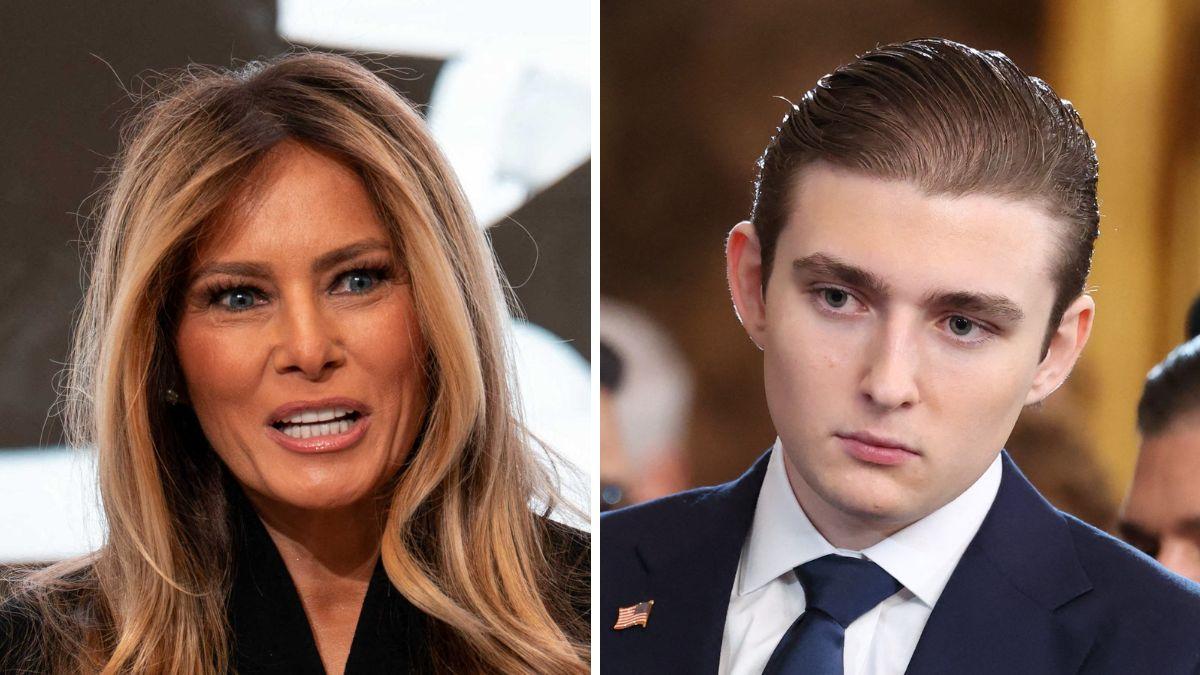
Melania Trump’s recently released documentary, Melania, has offered an unprecedented glimpse into the intense security concerns that prompted her son, Barron, to make the somber decision to remain in the car during public engagements involving his father, former President Donald Trump. The film, directed by Brett Ratner and premiering on Friday, January 30, brought to light the profound anxieties that gripped the First Family as they navigated a period marked by repeated threats and violent attempts on Donald Trump’s life, particularly in the lead-up to his anticipated return to the White House. This revelation underscores the immense psychological and practical burdens placed upon political families, especially their children, amidst an increasingly volatile political landscape.
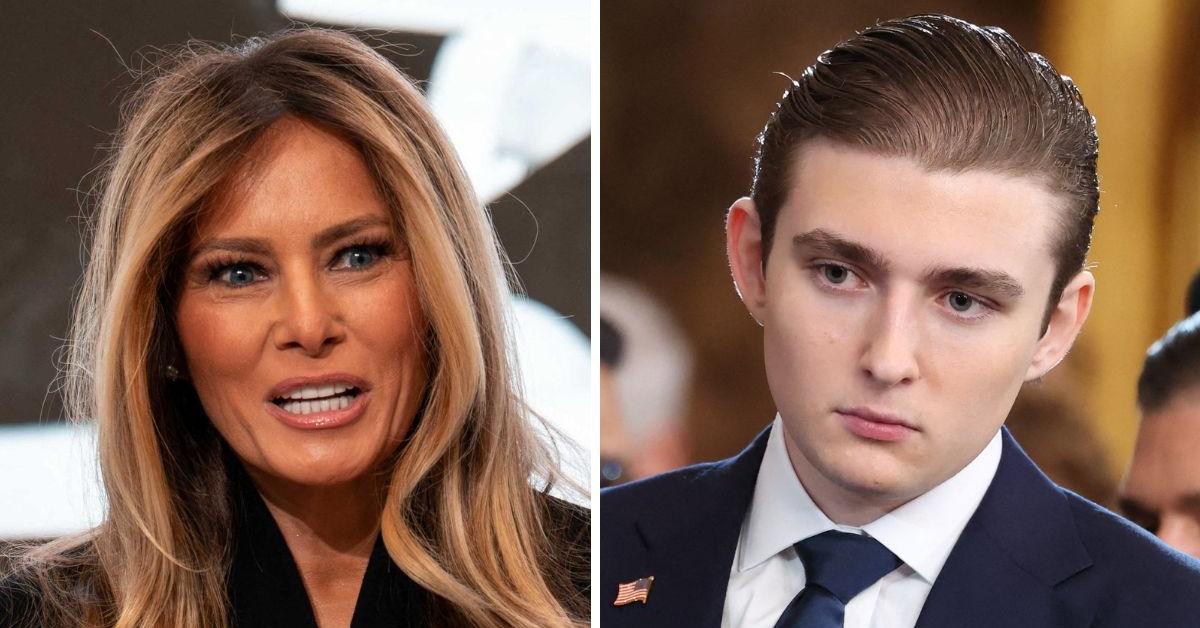
The documentary frames Melania Trump’s narrative around her steadfast commitment to her family’s safety. As planning commenced for the elaborate inaugural parade, her focus was acutely on the practicalities of security rather than ceremonial grandeur. She posed pointed questions to security personnel, reflecting a deep-seated apprehension: "How did this area get secured? Does everybody get screened? Are we getting out of the car?" These inquiries were not merely procedural; they were born from a mother’s instinct to shield her family from the very real dangers that had manifested in multiple, alarming assassination attempts against her husband. The candid recounting of these moments in Melania highlights the stark reality behind the public facade of political life, revealing the constant vigilance required to protect those at the highest echelons of power.
The political climate surrounding Donald Trump’s potential return to the White House was notably charged, characterized by intense polarization and heightened rhetoric. This environment, experts suggest, often correlates with an increase in threats against public figures. Presidential security, managed primarily by the U.S. Secret Service, is a complex and demanding undertaking, requiring constant threat assessment, intelligence gathering, and meticulous planning for every public appearance. Historically, presidents and their families have always faced threats, but the digital age and the speed of information dissemination have introduced new dimensions of vulnerability, making the task of ensuring their safety more intricate than ever before.
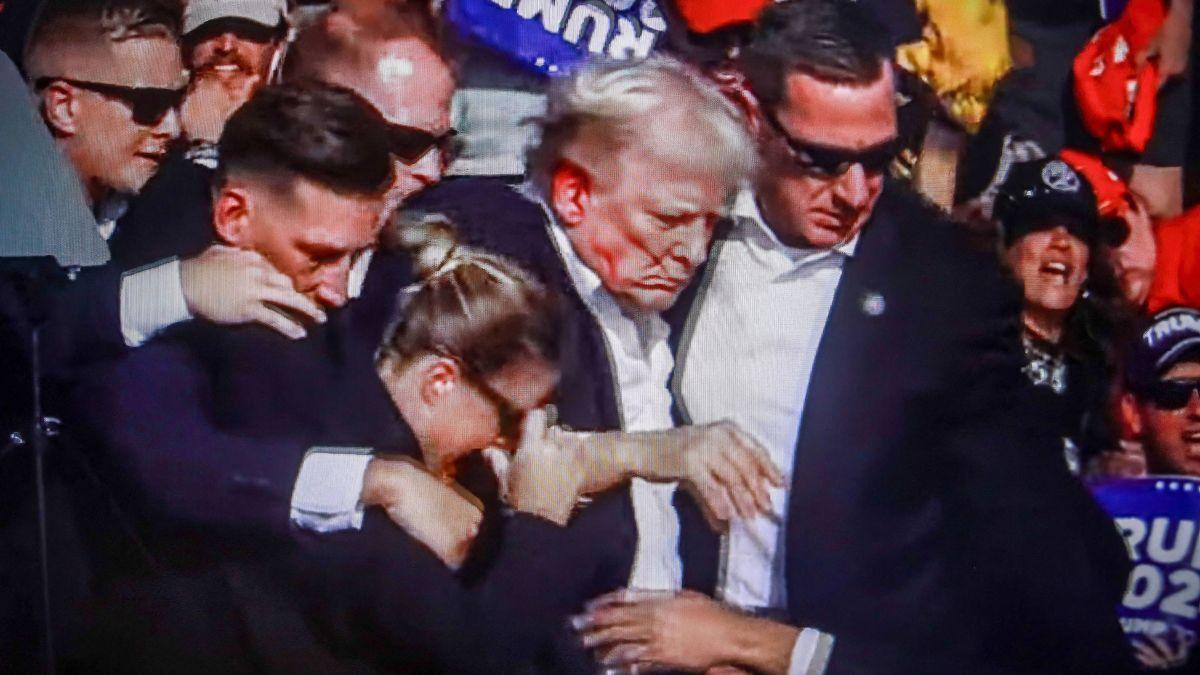
One of the most vivid and traumatic incidents detailed in the documentary, and still fresh in public memory, occurred in July 2024. During a public appearance by Donald Trump in Butler, Pennsylvania, a gunman identified as Thomas Matthew Crooks opened fire from a rooftop, targeting the former president. The attack sent shockwaves across the nation, exposing the vulnerability of political figures even under the most stringent security protocols. The rally, a quintessential outdoor political event designed for public engagement, instantly transformed into a scene of chaos and fear. While Donald Trump emerged physically unharmed, the psychological impact on his family, particularly his wife and son, was immense. Melania later described witnessing the attack as a moment that "forced her to confront the fragility of their lives," a sentiment that resonates deeply with any parent facing such extreme circumstances. The quick actions of the Secret Service in neutralizing the threat were widely lauded, yet the incident served as a stark reminder of the ever-present danger.
The string of security concerns did not abate with the Pennsylvania incident. Just two months later, in September 2024, another alarming event unfolded during Donald Trump’s golf outing in West Palm Beach, Florida. A man was arrested after a rifle barrel was spotted protruding from a fence line bordering the golf course. While this incident did not involve direct gunfire, the discovery of a potential weapon in close proximity to the former president during a recreational activity underscored the relentless nature of the threats. It further fueled Melania Trump’s growing apprehension about the effectiveness of existing security measures. Her reaction, questioning, "How could that be safe?" articulated a genuine and understandable doubt regarding the impenetrable nature of the protective bubble around her family. These repeated close calls inevitably shaped the First Family’s approach to public life, leading to difficult decisions aimed at mitigating risks.

It was against this backdrop of persistent and escalating threats that Barron Trump, then a teenager, made the difficult personal choice that his mother revealed in the documentary. His decision to remain in the car during public events with his father was not a casual preference but a conscious choice born from a desire for personal safety and a recognition of the severe dangers faced by his family. For a young man growing up under the intense scrutiny and peril of presidential politics, the assassination attempts against his father were undoubtedly formative and deeply unsettling experiences. This private decision, now public through Melania, offers a poignant illustration of the unseen burdens carried by children of high-profile political figures, whose lives are irrevocably altered by their parents’ public service and the accompanying risks.
The documentary also sheds light on Melania Trump’s feelings regarding the change in plans for the inaugural parade. Originally slated to be an outdoor event, bad weather ultimately forced the ceremony indoors. In an introspective moment captured in the film, Melania admitted, "In truth, I was relieved." This candid admission speaks volumes about the constant state of anxiety she endured. For her, the shift to an indoor, presumably more controlled and secured environment, offered a rare moment of comfort amidst the relentless security concerns. It underscored her deep-seated conviction that physical proximity to large, unscreened crowds posed an unacceptable risk, especially after the recent attempts on her husband’s life. This sentiment reveals the heavy psychological toll that constant vigilance and fear can exact on those living under the shadow of political threats.
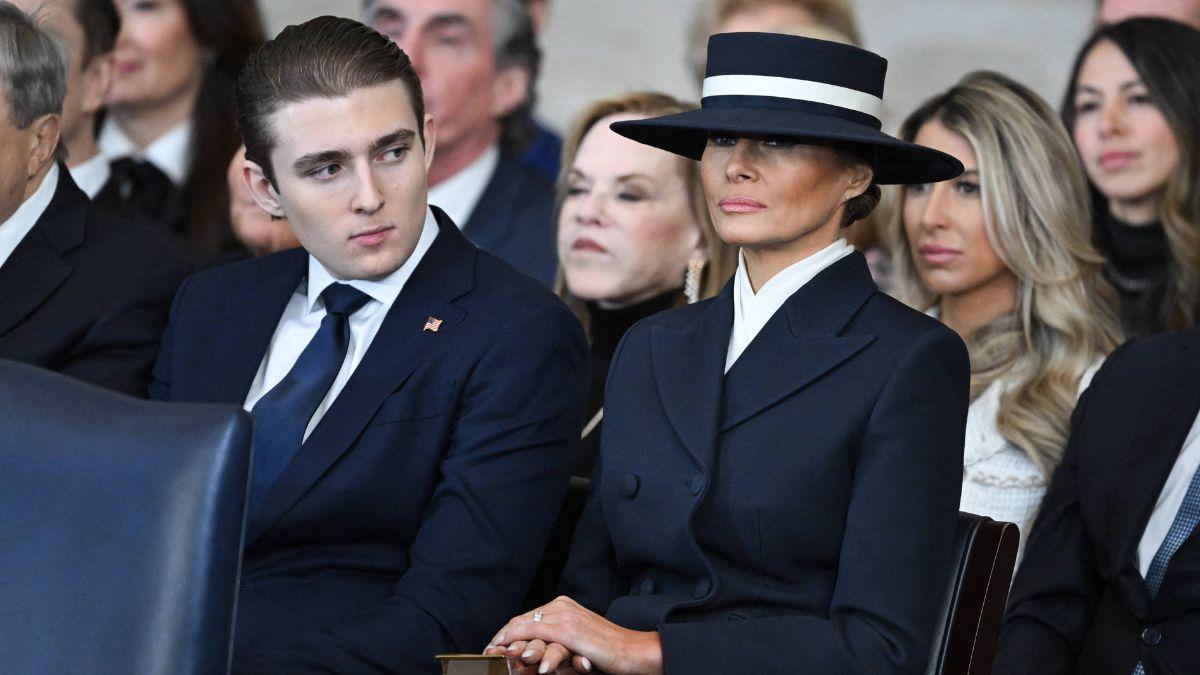
The revelations within Melania carry broader implications for political security and the public’s understanding of the challenges faced by presidential families. The detailed accounts of the assassination attempts and the First Lady’s subsequent concerns prompt a re-evaluation of security protocols for high-profile political figures, particularly in an era where political discourse often spills into real-world violence. The Secret Service constantly adapts its strategies, but the incidents highlighted in the documentary underscore the inherent difficulties in guaranteeing absolute safety in open, democratic societies where public engagement is a cornerstone of political life. These events contribute to an ongoing national conversation about the state of political rhetoric, its potential consequences, and the imperative to safeguard individuals who step into the public arena.
The significant investment by Amazon in the documentary, reportedly $75 million for rights and marketing, signals the substantial public and cultural interest in Melania Trump’s personal story and the unique challenges faced by presidential families. The film serves not only as a personal memoir but also as a powerful commentary on the realities of political life in contemporary America. It invites viewers to consider the human cost of political polarization and the extraordinary measures taken to protect those in the public eye. The documentary’s release ensures that these security concerns and Barron’s decision will remain part of the public discourse, fostering a deeper understanding of the sacrifices and dangers inherent in high-level public service.
As the nation continues to grapple with political divisions, the insights offered by Melania serve as a stark reminder of the enduring vulnerabilities faced by political leaders and their families. The difficult decisions made by the Trump family, particularly Barron’s choice to prioritize his safety, underscore the evolving landscape of threats and the critical importance of robust, adaptable security measures. Navigating a new era of political vulnerability requires not only enhanced protective strategies but also a collective societal reflection on the rhetoric and actions that contribute to such an environment. The documentary ensures that the profound impact of these assassination attempts on Donald Trump and his family, especially Barron’s decision, will resonate as a significant chapter in the ongoing narrative of presidential security.