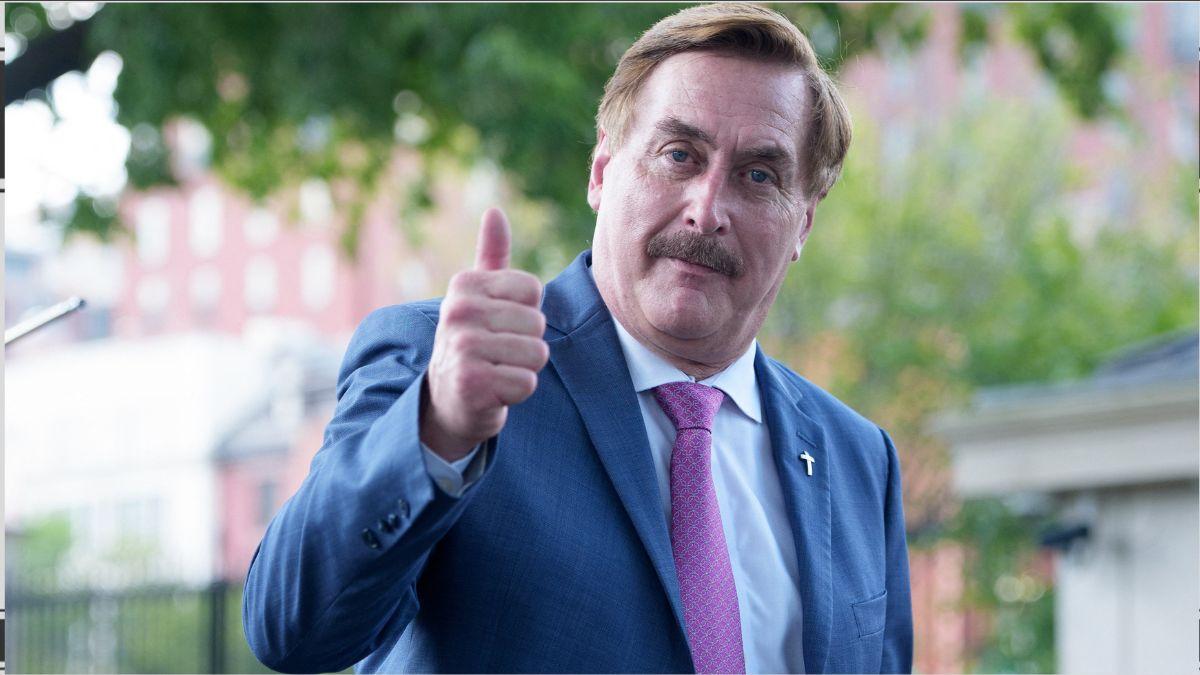
MyPillow CEO Mike Lindell, a prominent Republican figure and aspiring gubernatorial candidate for Minnesota, recently faced intense questioning during a NewsNation Prime interview regarding his campaign’s controversial decision to allocate a significant portion of its early fundraising — over $187,000 — towards purchasing bulk copies of his own self-published autobiography. This expenditure, which accounts for more than half of the $356,000 the campaign reportedly raised in its initial two weeks, has drawn sharp criticism and raised ethical concerns about the use of donor funds.
The financial records underpinning the controversy reveal that Lindell’s campaign acquired these books, titled What Are The Odds? From Crack Addict to CEO, directly from a company owned by Lindell himself. The memoir, originally published in 2019, details his personal journey through severe crack cocaine and gambling addictions while simultaneously building his entrepreneurial empire, culminating in the creation of MyPillow.
Scrutiny Over Campaign Expenditure Practices
During the NewsNation Prime segment, anchor Natasha Zouves directly confronted Lindell about the financial allocation. "Your campaign took in more than $350,000 contributions in just under a month, but filings show your campaign spent more than half of that money on your own self-published memoir," Zouves stated. She pressed him further, asking, "Explain to people why buy all those books. Is that a wise use of campaign spending?"
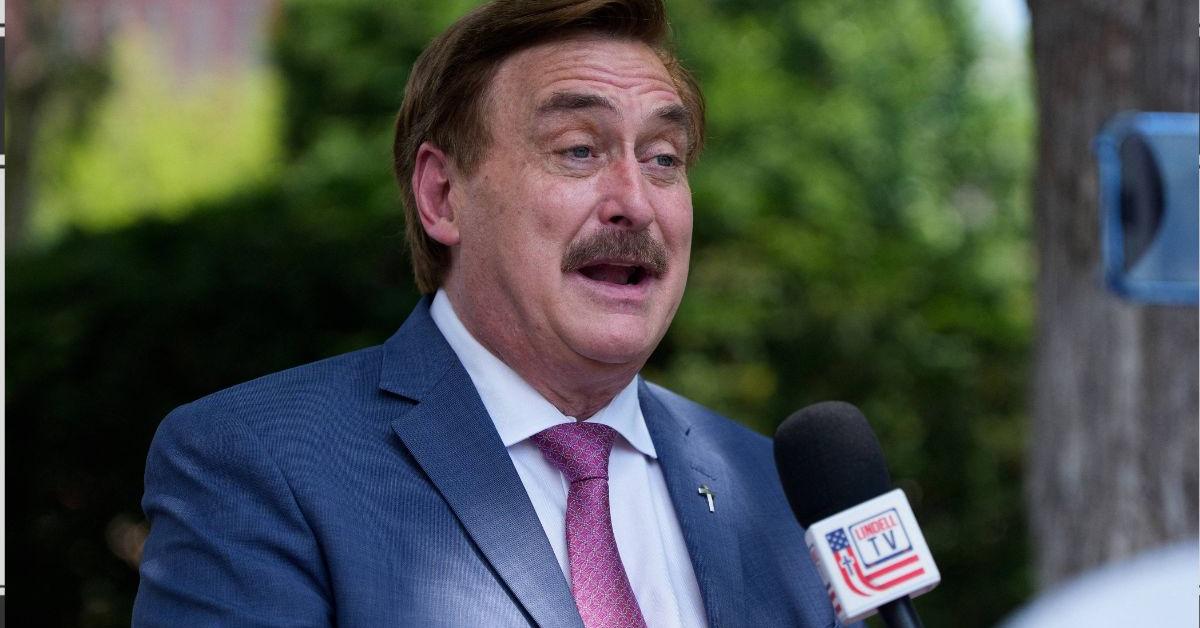
Lindell defended the transaction, asserting that the campaign secured the books at a "very good price." He framed the memoir purchases as a strategic campaign material decision, arguing that distributing his full autobiography allows voters to gain a deeper understanding of his personal history and character, rather than merely handing out traditional campaign flyers. His defense emphasized a desire for transparency about his past struggles and his subsequent pivot to political activism.
Lindell’s Defense of Memoir Purchases Amid Financial Woes
Lindell elaborated on his rationale during the interview, stating, "Yeah, we got them for a very good price. What you can do is instead of paying for flyers and stuff, we have to go around and do debates for about a month-and-a-half, these debates, and we gave out the books instead of giving them a little flyer about me. This is my memoir, this is my autobiography, and showing these people who I am." He further connected the book’s narrative to his public persona, adding, "I want people to know who I was before I went out and fought these voting machine companies and fought to secure our elections in our country, which by the way is all coming to fruition."
This explanation, however, does little to quell the ethical questions surrounding a candidate using campaign funds to purchase products from their own enterprise. Campaign finance regulations typically require expenditures to be solely for legitimate campaign purposes and to be transacted at fair market value. The appearance of self-dealing, where a candidate or their affiliated businesses directly benefit from donor contributions, can erode public trust and invite scrutiny from election oversight bodies. Critics often argue that such practices blur the lines between campaign activities and personal enrichment or brand promotion.
Background: Mike Lindell’s Journey from Entrepreneur to Political Activist
Mike Lindell rose to national prominence as the founder and CEO of MyPillow, a company built on his patented pillow design. His rags-to-riches story, often highlighted in his memoir, resonated with many. However, in recent years, Lindell has become equally, if not more, known for his fervent support of former President Donald Trump and his propagation of unsubstantiated claims regarding widespread fraud in the 2020 presidential election.
This political activism has had significant financial repercussions for Lindell and MyPillow. His relentless pursuit of election fraud theories led to multiple defamation lawsuits filed by voting machine companies such as Dominion Voting Systems and Smartmatic. These legal battles have resulted in substantial financial judgments and settlements, with Lindell repeatedly stating publicly that he is "millions of dollars in debt." His widely publicized financial distress adds another layer of complexity to the campaign’s decision to spend such a large sum on his own book, prompting questions about whether the transaction served to alleviate personal or corporate financial burdens rather than solely advancing his gubernatorial bid.
Ethical Quandaries in Campaign Finance
The controversy surrounding Lindell’s campaign expenditure on his memoir highlights a persistent ethical dilemma in political campaigning: the potential for self-dealing. While it is not uncommon for candidates to own businesses or properties that interact with their campaigns, such transactions are typically subject to strict rules to prevent abuse. Campaigns are generally expected to pay fair market value for goods and services, and any arrangement that appears to funnel donor money directly into a candidate’s personal coffers or struggling businesses is usually met with skepticism and potential legal challenges.
Campaign finance watchdogs often emphasize that contributions are intended to support a candidate’s political platform and outreach, not to subsidize their personal ventures. The optics of a candidate’s campaign buying products from their own company, especially when that candidate has openly discussed significant personal debt, can create an impression of impropriety, regardless of the stated intent. This situation could lead to investigations by state election commissions to determine if the spending adhered to Minnesota’s campaign finance laws, particularly regarding the commercial nature of the transaction and the true market value of the books.

Impact on the Minnesota Gubernatorial Race
Lindell is currently vying for the Republican nomination in the 2026 Minnesota gubernatorial election. His campaign expenditure practices could significantly impact his standing with voters, especially those who prioritize fiscal responsibility and ethical conduct in public office. Recent polling data indicates a challenging path for Lindell. He currently lags in third place among potential Republican candidates, trailing behind Lisa Demuth and Kendall Qualls.
In a hypothetical general election matchup, Lindell faces an even steeper uphill battle. Against Democratic candidate Senator Amy Klobuchar, who entered the race after incumbent Governor Tim Walz announced he would not seek a third term, Lindell trails by a substantial margin of 53 percent to 31 percent. This significant deficit suggests that the current controversy could further complicate his efforts to gain traction and build a broad coalition of support, potentially alienating both independent voters and conservative donors wary of financial irregularities.
Broader Implications for Voter Trust and Campaign Integrity
The scrutiny over Mike Lindell’s campaign spending extends beyond the immediate political contest, touching upon broader issues of voter trust and campaign integrity. In an era where public confidence in political institutions is often fragile, instances of alleged self-dealing can deepen cynicism and reinforce perceptions that politics is driven by personal gain rather than public service. Donors, whether large or small, contribute to campaigns with the expectation that their money will be used effectively and ethically to advance a candidate’s political goals. When those funds appear to benefit the candidate’s personal business, it can deter future contributions and diminish the perceived legitimacy of the campaign.
The incident also highlights the ongoing debate about the role of personal narratives in political campaigns. While sharing a compelling life story can connect a candidate with voters, the financial mechanism through which that story is disseminated becomes critical. The question arises whether the books were indeed the most cost-effective and appropriate "campaign material" or if the purchase primarily served as a mechanism to inject campaign funds into Lindell’s own business, which has been under significant financial pressure.
As the 2026 Minnesota gubernatorial race continues to unfold, Mike Lindell’s campaign will likely face sustained questions about its financial transparency and adherence to ethical spending guidelines. The outcome of this controversy could not only shape his political future but also influence how future campaigns are scrutinized for potential conflicts of interest and self-benefiting expenditures. The balancing act between promoting a candidate’s personal brand and maintaining the integrity of campaign finance remains a critical challenge for all political aspirants.