NASA is preparing to launch four astronauts on a historic journey around the moon, but they will not be traveling alone; alongside the crew, four miniature biological proxies known as "avatars" will undergo the same rigors of deep-space travel to provide critical data on human survival in the cosmos. These avatars, developed through the A Virtual Astronaut Tissue Analog Response (AVATAR) investigation, consist of organ-on-a-chip devices populated with the living cells of the crew members themselves. As NASA shifts its focus from low-Earth orbit to the lunar environment and eventually Mars, this biomedical research represents a fundamental change in how the agency protects its explorers from the invisible dangers of radiation and microgravity.
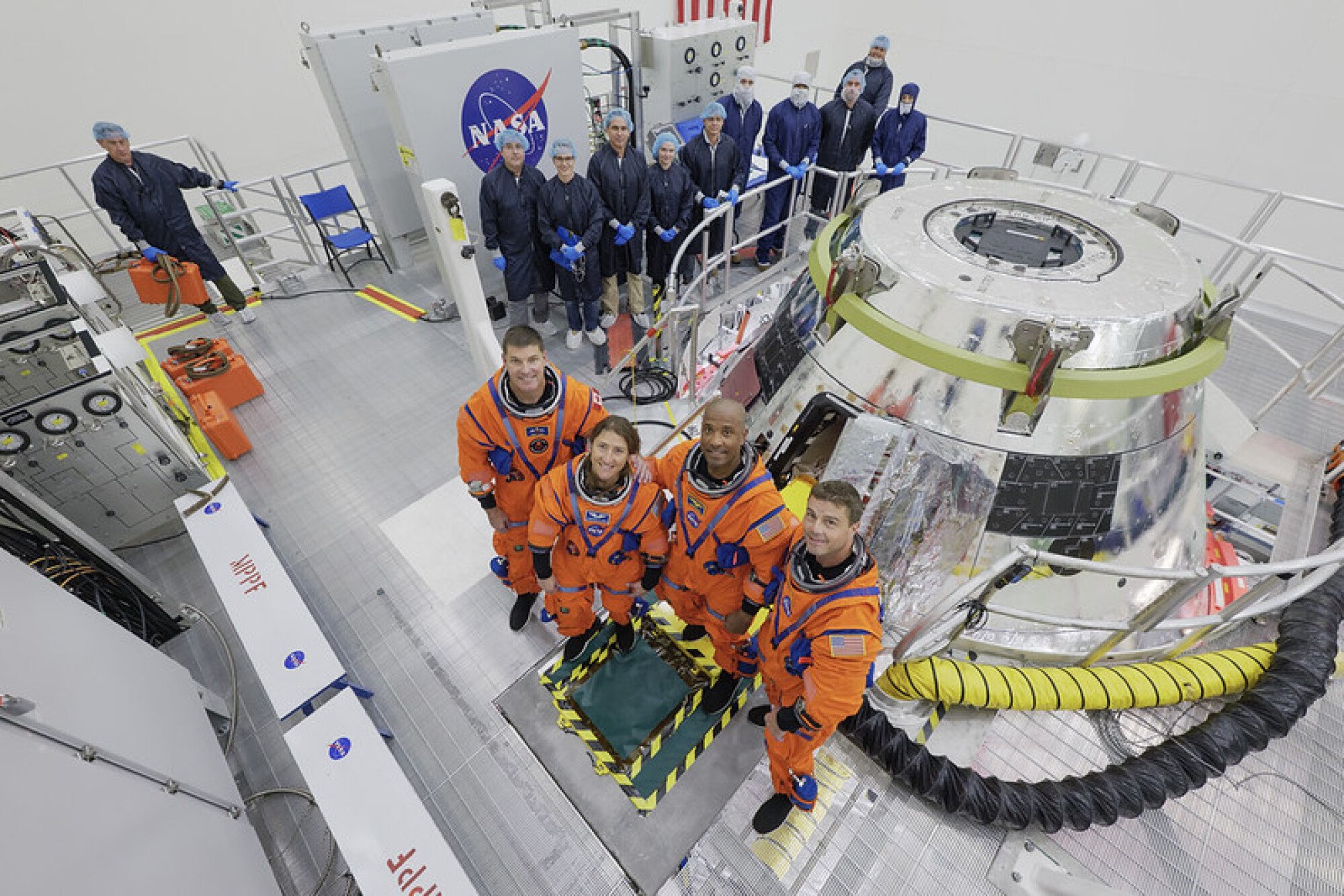
The Artemis II mission, scheduled for launch as early as March 2026, marks the first time since the Apollo era that humans will travel beyond the Earth’s protective magnetic field. Commander Reid Wiseman, Pilot Victor Glover, and Mission Specialists Christina Koch and Jeremy Hansen will pilot the Orion spacecraft, named Integrity, on a 10-day flight that will take them around the far side of the moon. While the astronauts perform manual flight maneuvers and test life-support systems, their cellular counterparts will be quietly recording the biological toll of the journey at a molecular level.
The AVATAR study is the centerpiece of a suite of biomedical experiments designed to solve the most pressing challenges of long-duration spaceflight. By using the astronauts’ own cells, scientists can observe personalized physiological responses to the unique stressors of deep space. This approach moves beyond general data collection, offering a glimpse into how specific individuals might respond to the harsh environment of interplanetary travel.
The Science Behind the AVATAR Study and Cellular Proxies
To create these biological avatars, NASA medical teams will draw blood from each of the four astronauts in the weeks leading up to the launch. Scientists will then isolate specific stem cells from these samples and cultivate them into specialized tissue types, with a primary focus on bone marrow. Bone marrow is a critical component of the human immune system and is known to be particularly sensitive to radiation and the absence of gravity. These lab-grown tissues are then integrated into "organ chips"—clear, flexible polymers about the size of a computer thumb drive that contain microfluidic channels lined with living human cells.

During the mission, these chips will be housed in a specialized, battery-powered container designed to regulate temperature and provide a steady flow of nutrients, effectively acting as a life-support system for the cells. The chips will be positioned within the Orion capsule to ensure they are exposed to the exact same levels of high-energy radiation and microgravity as the astronauts. This allows for a direct comparison between the health of the crew and the state of their cellular proxies.
Upon the mission’s return to Earth, researchers will perform high-resolution genetic sequencing on the cells within the chips. By comparing the "flight" cells to "ground" control samples—identical chips kept in a laboratory on Earth—scientists can identify changes in gene expression, DNA damage, and cellular signaling. This data will help NASA understand why the immune system often weakens during spaceflight and how deep-space radiation specifically alters human biology.
Navigating the Dangers of Deep Space Radiation
One of the primary motivations for the AVATAR study is the increased radiation risk associated with traveling beyond low-Earth orbit. The International Space Station (ISS) orbits within the Van Allen radiation belts, which provide a significant degree of protection from solar flares and galactic cosmic rays. Artemis II, however, will venture far beyond these natural shields. The Orion spacecraft will be exposed to a barrage of high-energy particles that can penetrate the hull of the ship and strike human tissue, potentially causing long-term health issues such as cancer, cardiovascular disease, and central nervous system damage.
To quantify this risk, NASA is outfitting the Integrity capsule with a variety of radiation detectors. In addition to the AVATAR chips, the astronauts will carry personal dosimeters in their flight suit pockets. The cabin will also be equipped with sensors developed in collaboration with the German Space Agency (DLR) to measure the impact of high-energy neutrons and other heavy ions. These particles are of particular concern because they possess enough energy to shatter DNA strands, leading to mutations that the body’s natural repair mechanisms may struggle to fix.
By pairing the physical radiation data with the biological results from the organ chips, NASA hopes to create a "personalized health kit" for future missions. This would allow mission planners to predict which astronauts might be more susceptible to certain types of radiation and develop tailored countermeasures, such as specific nutritional supplements or pharmaceutical interventions, to mitigate the risk.

Monitoring Human Performance in Confined Quarters
The biomedical research on Artemis II extends beyond the cellular level to include the behavioral and physical performance of the crew. Unlike the ISS, which offers roughly the volume of a six-bedroom house, the Orion capsule provides a habitable area comparable to a small studio apartment. This confined environment creates unique challenges for exercise, hygiene, and mental health.
The Artemis Research for Crew Health and Readiness (Archer) study will utilize wearable technology to track the astronauts’ vital signs and activity levels. Similar to high-end fitness trackers, these wrist-worn devices will monitor sleep patterns, heart rate variability, and physical exertion. Researchers are particularly interested in how the crew’s circadian rhythms—the internal body clock—adjust to the environment of deep space, where the traditional 24-hour cycle of day and night is absent.
The Archer study also addresses the logistical realities of exercising in a small spacecraft. Physical activity is essential to prevent muscle atrophy and bone density loss in microgravity, but heavy exercise in Orion increases the production of carbon dioxide. Because the ship’s scrubbing systems must work harder during these periods, NASA needs to understand the precise balance between maintaining astronaut fitness and managing the ship’s internal atmosphere.
Immune Biomarkers and the Challenge of Sample Storage
Another significant hurdle for deep-space research is the lack of traditional laboratory infrastructure on the spacecraft. The Orion capsule is not equipped with a refrigerator or freezer, which makes the preservation of biological samples like blood or urine difficult. To overcome this, NASA has developed the Immune Biomarkers study, which uses a low-tech but effective method for data collection.
Astronauts will provide saliva samples by licking treated paper booklets, similar to how one might moisten a postage stamp. These samples will be dried and stored at room temperature for the duration of the 10-day mission. Saliva contains a wealth of information regarding the body’s immune response and can reveal the presence of dormant viruses, such as those that cause shingles or cold sores, which often reactivate under the stress of spaceflight.

Once the capsule splashes down in the Pacific Ocean, these samples will be rehydrated and analyzed in a laboratory. This study will help scientists determine how the combined stressors of radiation, microgravity, and isolation affect the body’s ability to ward off infection, providing essential data for the months-long journeys required to reach Mars.
Preparing for the Physical Toll of Planetary Arrival
The final phase of the biomedical research occurs immediately after the crew returns to Earth. The Spaceflight Standard Measures study aims to quantify the "recovery curve" of astronauts after they have been exposed to microgravity. Even a 10-day mission can cause significant changes in balance, coordination, and muscle strength.
Shortly after being recovered from the ocean, the Artemis II crew will undergo a series of physical tests while still in their flight suits. These tests include a simulated spacewalk and an obstacle course designed to measure their ability to perform manual labor after landing. This research is vital for future Mars missions, where astronauts will be expected to transition from months of weightlessness to working in the partial gravity of the Red Planet without the luxury of a long recovery period or professional medical assistance.
The data gathered from the AVATAR chips, the Archer wearables, and the post-flight physical assessments will form the foundation of NASA’s long-term exploration strategy. By treating the astronauts and their cellular "avatars" as a single integrated system, the agency is moving toward a new era of precision medicine in space.
A Sustained Human Presence Beyond Earth
The Artemis II mission is more than a flight around the moon; it is a test of the human body’s limits and the technology designed to protect it. As NASA prepares for Artemis III, which aims to land the first woman and person of color on the lunar surface, the lessons learned from the AVATAR study and its companion experiments will be instrumental in ensuring the safety of future crews.

The transition from the "Earth-reliant" phase of the International Space Station to the "Moon-to-Mars" strategy requires a fundamental shift in medical philosophy. In low-Earth orbit, an injured or ill astronaut can be returned to Earth in a matter of hours. In deep space, that safety net disappears. The development of organ-on-a-chip technology and personalized biological monitoring represents the first step toward creating an autonomous healthcare system for interplanetary explorers.
By the end of the decade, NASA hopes to have a sustained presence on the moon, including the Gateway space station in lunar orbit and a base camp at the lunar South Pole. The "avatars" flying on Artemis II are the pioneers of this new frontier, providing the biological blueprint that will eventually allow humanity to leave its home planet and venture into the solar system. The success of these miniature proxies will determine how safely and how far the next generation of explorers can go.