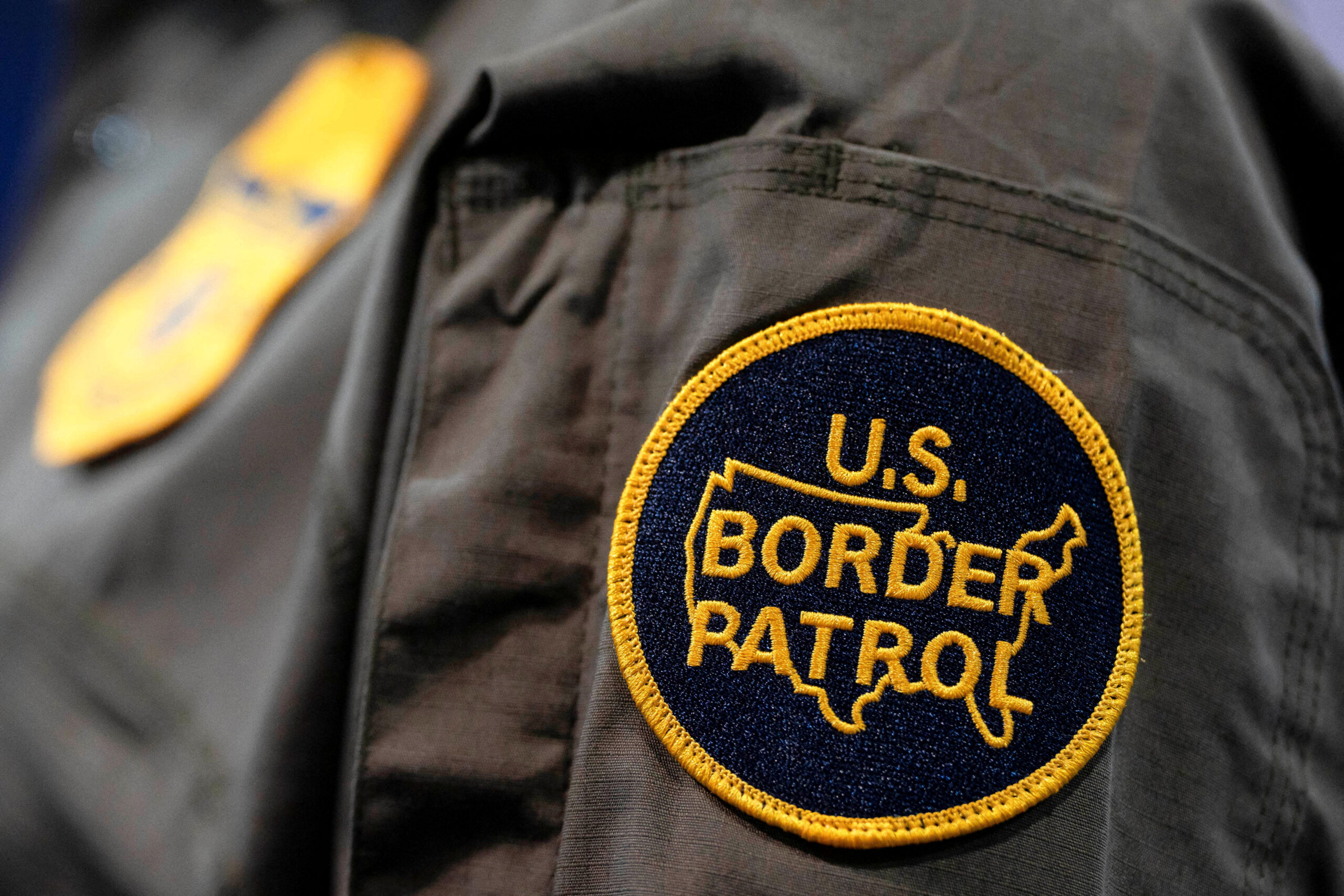
A nearly blind Rohingya refugee from Myanmar has been found dead in Buffalo, New York, days after U.S. Border Patrol agents allegedly left him miles from his temporary residence following his release from a county jail, authorities confirmed. The discovery of Nurul Amin Shah Alam, 56, by police officers in the upstate New York city on Tuesday evening has ignited a firestorm of criticism directed at federal immigration authorities, with local officials and representatives calling the circumstances of his death preventable and inhumane.
Shah Alam had been reported missing since February 19, the day U.S. Border Patrol agents reportedly dropped him off at a coffee shop. This location was miles away from any known support network or his intended destination after his release from Erie County Holding Center. His family and local advocates contend that he was abandoned in a vulnerable state, ill-equipped to navigate unfamiliar surroundings, especially given his severe visual impairment and inability to communicate in English.
Tragic Circumstances Emerge in Buffalo
The body of Nurul Amin Shah Alam was discovered by Buffalo Police Department officers in the city. The spokesperson for the department confirmed the finding on Wednesday, initiating a homicide investigation into the circumstances surrounding his death. The timeline of events leading to the discovery paints a grim picture of a man left to fend for himself in harsh winter conditions.
The nearly blind refugee had been in the custody of U.S. immigration authorities for nearly a year. His initial arrest stemmed from an incident where he wandered onto private property, reportedly mistaking it for a public space due to his limited vision. Carrying a curtain rod he intended to use as a walking aid, he was unable to comprehend commands from English-speaking police officers, leading to his detention.
"Inhumane" Decision-Making Under Scrutiny
Buffalo Mayor Byron W. Brown, a Democrat, did not mince words in his condemnation of the federal agents’ actions. In a statement released Wednesday, Mayor Brown declared Shah Alam’s death to be a preventable tragedy, directly attributing it to "inhumane" decision-making by federal immigration authorities.
"A vulnerable man – nearly blind and unable to speak English – was left alone on a cold winter night with no known attempt to leave him in a safe, secure location," Mayor Brown stated. He characterized the decision by U.S. Customs and Border Protection (CBP) as "unprofessional and inhumane," emphasizing the profound lack of care for an individual in a precarious situation.
The mayor’s strong rebuke underscores a growing concern among local leaders regarding the federal government’s handling of vulnerable asylum seekers and refugees within their communities. The incident has brought into sharp focus the challenges faced by individuals who lack language proficiency and essential support systems upon release from detention.
Calls for Investigation and Accountability
The tragic death of Nurul Amin Shah Alam has prompted immediate calls for a thorough investigation from several U.S. representatives. Congresswoman Grace Meng, a Democrat representing parts of New York City, voiced her outrage, describing the situation as a "shocking breach of responsibility and basic humanity by federal enforcement."
Other federal lawmakers have echoed these sentiments, demanding transparency and accountability from the Department of Homeland Security and its constituent agencies, including CBP and Immigration and Customs Enforcement (ICE). The focus is on understanding the protocols in place for releasing individuals from custody and whether those protocols were adequately followed in Shah Alam’s case.
Mohamad Faisal, one of Shah Alam’s children, informed Reuters that neither his family nor their legal counsel had been informed about where their father was being taken after his release from jail. This lack of communication has compounded the family’s distress and highlighted a critical breakdown in the process of transferring individuals from correctional facilities to their intended destinations or support networks.
The Rohingya Refugee Crisis and Shah Alam’s Journey
The family’s refugee status sheds light on the broader context of the Rohingya crisis. The Rohingya, an ethnic Muslim minority group, have faced systematic persecution in Myanmar’s Rakhine state for decades. Many have fled violence and discrimination, seeking refuge in neighboring countries and, increasingly, in the United States.
Shah Alam’s journey to the U.S. was driven by a desire for safety and reunification. His son, Mohamad Faisal, explained that his father was unable to read, write, or operate electronic devices, making his reliance on others for guidance even more critical. The family’s roots in Rakhine state, officially known as Arakan state in Myanmar, underscore the deep-seated historical injustices that have displaced countless individuals like Shah Alam.
Faisal recounted that his father’s initial arrest a year prior was a consequence of his impaired vision. He had purchased a curtain rod to serve as a walking stick, and when police arrived after he had inadvertently wandered onto private property, he could not understand their English commands to drop it. This misunderstanding led to his year-long detention, culminating in a misdemeanor plea deal that resulted in his release.
His son shared his father’s simple aspirations: to "eat home-cooked food" and "be united with the rest of [his] family." These profound desires, tragically unfulfilled, serve as a poignant reminder of the human cost of complex immigration systems and the imperative for compassionate treatment of vulnerable individuals.
Border Patrol’s Account and Contradictions
In response to inquiries, a spokesperson for U.S. Customs and Border Protection provided a statement to Investigative Post, a Buffalo-based news outlet. The agency stated that Border Patrol agents dropped Shah Alam off at a coffee shop after determining he had entered the country as a refugee and could not be deported.
"Border Patrol agents offered him a courtesy ride, which he chose to accept to a coffee shop, determined to be a warm, safe location near his last known address, rather than be released directly from the Border Patrol station," the agency’s statement read. The spokesperson further asserted that Shah Alam "showed no signs of distress, mobility issues or disabilities requiring special assistance."
This account, however, starkly contrasts with the narrative provided by local officials and the family. The assertion that Shah Alam showed no signs of distress or mobility issues is directly challenged by his documented near-blindness and the family’s description of his limitations. Furthermore, the claim that he "chose to accept" a ride to a coffee shop, presented as a deliberate preference over direct release, raises questions about the nature of the interaction and the options truly available to him.
The temperatures in Buffalo during the weekend of his disappearance were reported to be below freezing, underscoring the perilous conditions he may have faced had he been left without shelter or assistance. The proximity to the Canadian border also raises concerns about potential disorientation and the risks associated with being dropped off in an unfamiliar area.
Broader Implications for Immigration Policy
Nurul Amin Shah Alam’s death occurs against a backdrop of increased scrutiny on the Trump administration’s immigration policies, particularly its enforcement measures and their impact on asylum seekers and refugees. Reports of immigrant deaths in the custody of federal agencies have become increasingly frequent, raising alarm bells among human rights organizations and immigration advocates.
Since the beginning of the current year, at least six immigrants have reportedly died in Immigration and Customs Enforcement (ICE) agency custody. These incidents, when viewed collectively, suggest a pattern of systemic issues within the immigration detention and release process that require urgent attention and reform.
The case of Shah Alam highlights critical questions about the duty of care owed to individuals in federal custody, especially those with known vulnerabilities. The decision to release such individuals without adequate provisions for their safety, communication needs, or connection to support systems is not only ethically questionable but potentially life-threatening.
Next Steps and Ongoing Investigations
The homicide detectives in the Buffalo Police Department are actively investigating the circumstances surrounding Shah Alam’s death. The findings of this investigation are expected to shed further light on the actions of the U.S. Border Patrol agents and the role of federal authorities in the events leading up to his demise.
The U.S. Customs and Border Protection has stated its cooperation with the local investigation. However, the broader implications of this incident are likely to fuel ongoing debates about immigration enforcement, refugee processing, and the humanitarian responsibilities of the federal government. Advocacy groups are calling for policy changes that prioritize the well-being and safety of vulnerable individuals navigating the complexities of the U.S. immigration system.
The death of Nurul Amin Shah Alam serves as a somber reminder of the human consequences of immigration policies and the critical need for compassion, clarity, and accountability in their implementation. The tragedy underscores the urgent necessity for robust oversight and a renewed commitment to humane treatment for all individuals seeking safety and opportunity within the United States.