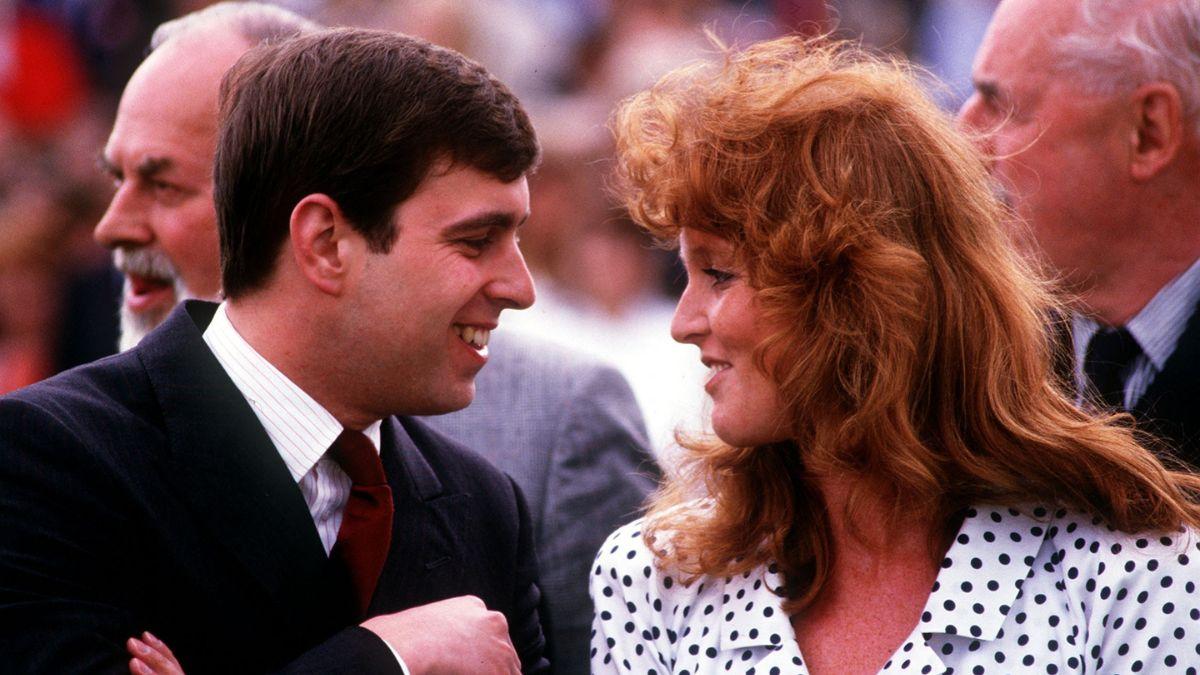
An exclusive report reveals that Prince Andrew, Duke of York, and his then-wife Sarah Ferguson, the Duchess of York, developed a "disgusting habit" during the early years of their marriage, reportedly refusing to vacate their marital bed for days, thus preventing palace staff from performing their duties and fostering widespread resentment among their household "flunkies." This behavior, detailed in former royal butler Paul Burrell’s memoir, allegedly included a pattern of lavish, unscheduled entertaining that severely disrupted the meticulously organized palace routine, culminating in a rare intervention by Queen Elizabeth II herself. The resurfacing of these claims casts a further shadow on Prince Andrew, who is currently facing intensifying scrutiny following his recent arrest on February 19 and ongoing legal challenges related to the Jeffrey Epstein s– trafficking scandal.
Unveiling a Royal Disruption: The Early Years of Andrew and Fergie
The marriage of Prince Andrew and Sarah Ferguson, which began in 1986, was initially met with public enthusiasm. Ferguson, known for her vivacious personality, was seen as a refreshing addition to the often-staid royal family. However, behind the gilded doors of their residences, a different narrative was unfolding, according to those closest to the royal couple. Paul Burrell, a former butler to Diana, Princess of Wales, and a long-serving royal aide, painted a picture of domestic chaos and perceived entitlement within Andrew and Ferguson’s household. His memoir details how the Duke was "besotted" with his new wife, believing she "could do no wrong," a sentiment that allegedly contributed to a permissive environment for their unconventional habits.
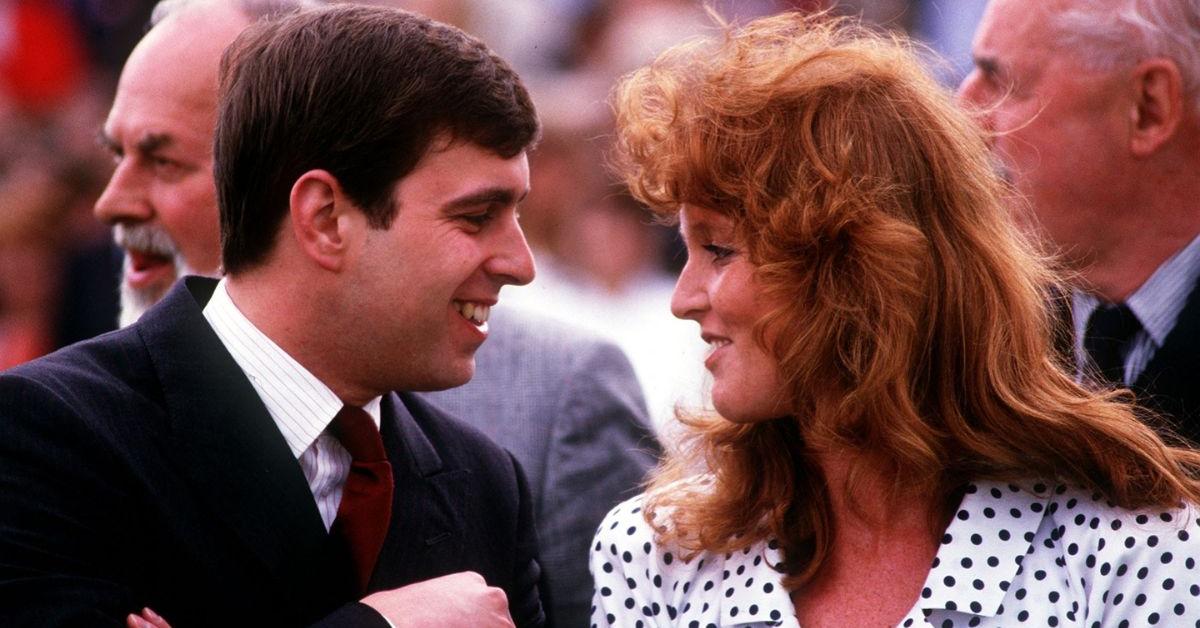
The most egregious of these alleged habits, as described by Burrell, involved the couple’s prolonged stays in their marital bed. For days on end, maids were reportedly barred from entering the bedroom to perform essential tasks such as making the bed and cleaning. This defiance of basic household protocol was a significant departure from the strictures typically observed within royal residences, where every aspect of daily life, from meal times to room maintenance, was governed by an established, immutable schedule.
Palace Protocol and Staff Discontent
Life within the royal household operates on a foundation of rigid protocols and long-standing traditions, designed to ensure efficiency, decorum, and the seamless functioning of a complex institution. Royal staff, including butlers, maids, and chefs, are accustomed to a highly structured environment where their roles are clearly defined, and deviations from routine are rare and often unwelcome. The alleged behavior of Prince Andrew and Sarah Ferguson represented a direct challenge to this established order, creating significant friction and discontent among their dedicated team.
The refusal to allow maids into their bedroom for extended periods was not merely an inconvenience; it was perceived as a profound disrespect for the staff’s duties and the underlying principles of palace management. Such actions disrupted the daily rhythm of the household, forcing other staff members to adjust their own schedules or leave tasks unfinished, leading to a ripple effect of inefficiency and frustration. The staff’s "fury" stemmed from a culture where adherence to duty and respect for the royal establishment were paramount, and the couple’s actions were seen as a direct affront to these values.
Lavish Entertaining and Culinary Clashes
Beyond their bedroom habits, Andrew and Ferguson’s social life further exacerbated tensions within the palace. Burrell recounted that when the couple eventually emerged, they would host "lavish dinner, lunch and tea parties with all their friends." These events, unlike the carefully planned and formal entertainments of other royals, were frequent and often spontaneously organized. The kitchen staff, who were accustomed to preparing meals for the Queen and other members of the Royal Family at predetermined times and with specific menus, found themselves perpetually "run off their feet."
The royal chefs, highly skilled professionals accustomed to the prestige of their positions, expressed "fury" at being forced to operate "like it was an à la carte restaurant." This unexpected demand for impromptu, high-volume catering clashed directly with the traditional royal dining system, which emphasized planning, consistency, and a certain degree of frugality, especially as practiced by Queen Elizabeth II herself. The relentless pace and lack of foresight in the couple’s entertaining habits placed immense strain on the culinary teams, leading to widespread complaints.
Queen Elizabeth II’s Intervention
The growing unrest among the staff eventually reached a critical point, prompting a rare and direct intervention from the highest authority. According to Burrell, "The staff rebelled and protests were made to the Master of the Household who informed the Queen of her staff’s unhappiness." Queen Elizabeth II, renowned for her unwavering adherence to duty, her meticulous attention to detail, and her personal aversion to waste, reportedly found the couple’s conduct unacceptable.
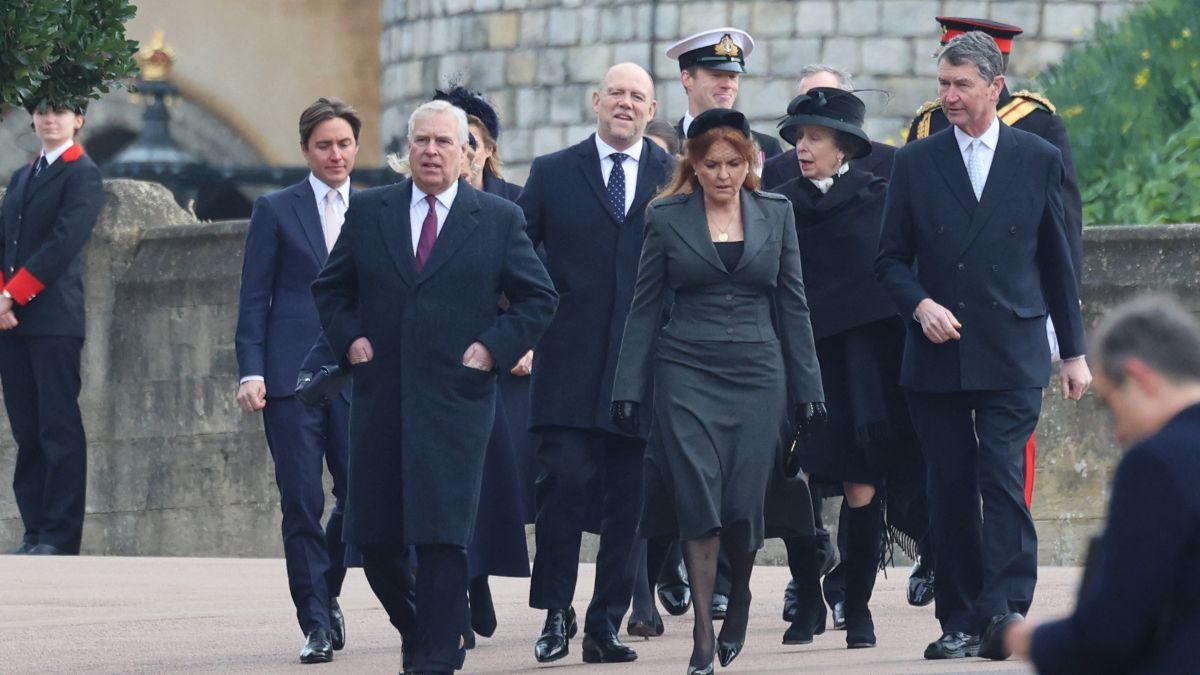
Her Majesty’s decision to "intervene and put a stop to the lavish gluttony" underscored the severity of the situation. The Queen’s own daily routine, including her dining habits, was characterized by simplicity and foresight; she would decide her meals in advance, reflecting a disciplined approach to household management. The implication was clear: if the monarch herself maintained such standards, her son and daughter-in-law should be no exception. This royal reprimand highlighted not only the couple’s perceived excesses but also the Queen’s steadfast commitment to upholding the traditions and dignity of the monarchy, even within her own family.
A Portrait of Entitlement and Public Perception
A former palace aide further corroborated the pervasive negative sentiment among staff, describing the couple’s behavior as "indulgent, disgusting and tone-deaf." The aide articulated the deep-seated frustration: "There was a sense that rules applied to everyone else but not to them. Staff felt exhausted and disrespected. It created resentment very quickly." This perception of exceptionalism and disregard for others’ well-being painted a damaging portrait of the Duke and Duchess, suggesting a profound disconnect between their privileged lives and the realities faced by those serving them.
Burrell also characterized Prince Andrew as "never easy" to work with, indicating that these specific incidents were part of a broader pattern of challenging behavior. His memoirs also touched upon a "drinking culture" within Buckingham Palace, humorously nicknamed "Gin Palace," where Gordon’s gin was the favored spirit flowing freely, adding another layer to the narrative of aristocratic indulgence that characterized certain segments of royal life. These historical revelations contribute to an enduring public image of Prince Andrew as a figure prone to privilege and a perceived lack of accountability, a narrative that has only intensified in recent years.
Intensifying Scrutiny: Connecting Past to Present
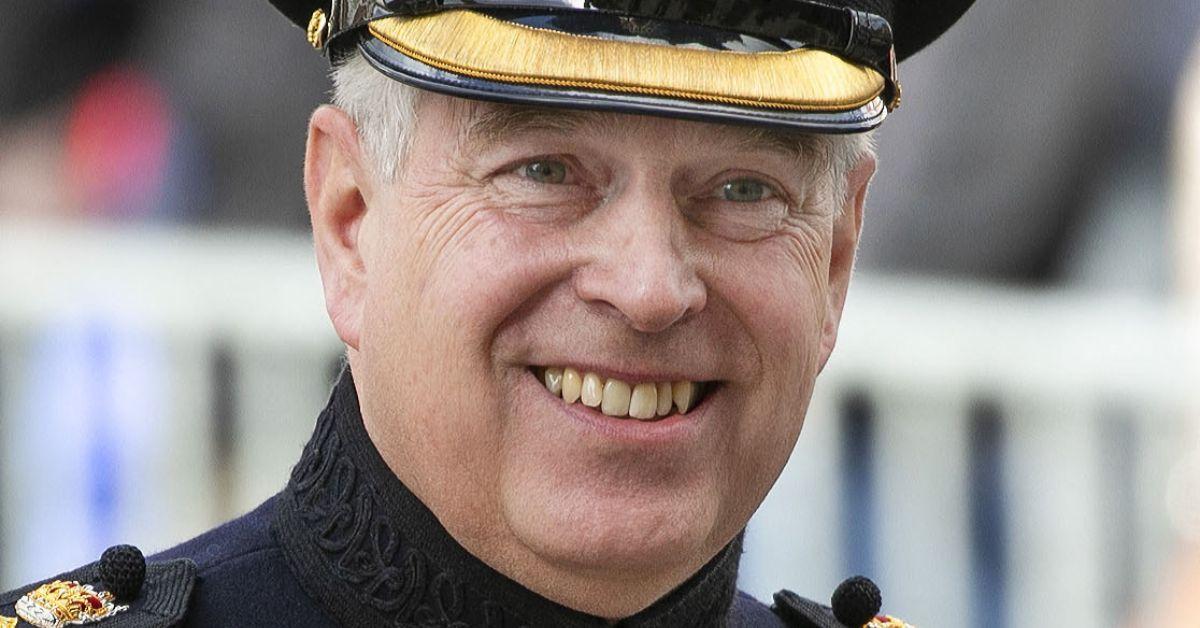
The resurfacing of these decades-old claims comes at a particularly fraught time for Prince Andrew, as he grapples with the severe repercussions of his association with convicted s– offender Jeffrey Epstein. On February 19, Andrew was reportedly arrested, a development that has reignited widespread public and legal scrutiny. The family of Virginia Giuffre, a key accuser in the Epstein s– trafficking network, swiftly responded to the news, stating unequivocally that "no one is above the law." This statement reflects a broader societal demand for accountability, regardless of status or influence.
Maria Farmer, another of Epstein’s accusers, emphasized the significance of Giuffre’s courage: "Today is just the beginning of accountability and justice brought forth by Virginia Roberts Giuffre — a young mother who adored her daughter so deeply, she fought the most powerful on earth to protect her. She did this for everyone’s daughters." Her words underscore the profound human impact of the Epstein scandal and the ongoing fight for justice for its victims.
Royal and Political Reactions
The implications of Prince Andrew’s ongoing legal issues have reverberated through the highest echelons of power. King Charles, 77, Andrew’s elder brother, reportedly expressed his "deepest concern" over the case, asserting that "the law must take its course." This statement from the reigning monarch signifies a commitment to legal process and potentially a subtle distancing from his brother’s predicament, prioritizing the integrity of the justice system over familial ties.
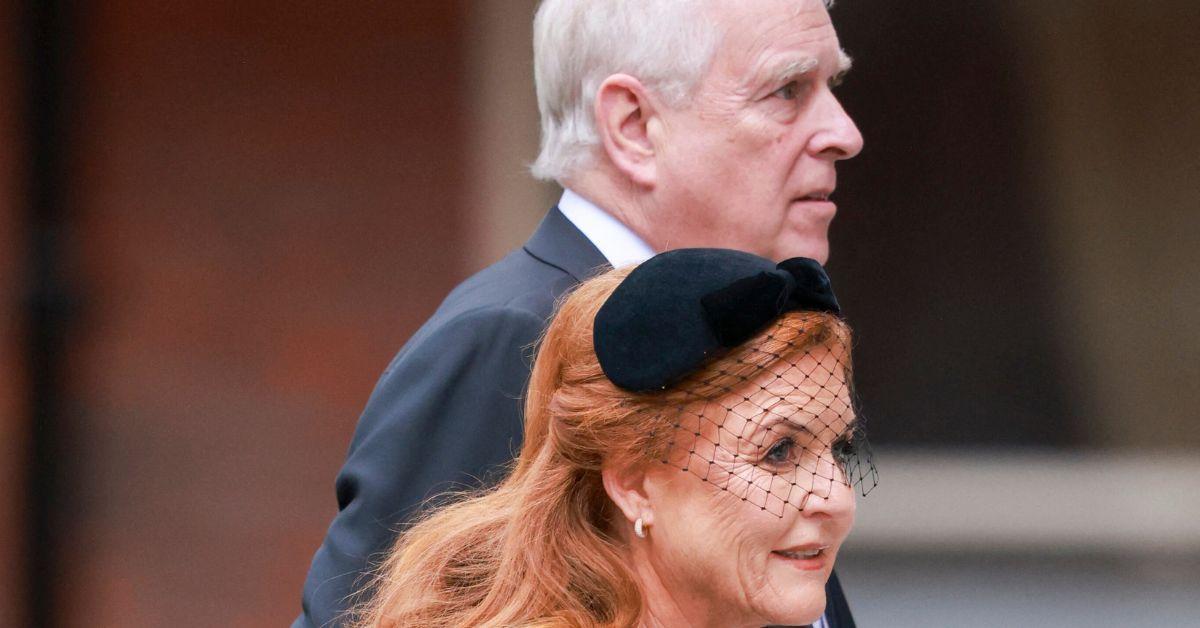
Former U.S. President Donald Trump, 79, also weighed in on Andrew’s arrest, calling it "a shame" and "a very sad thing." Trump’s comments, while offering a degree of sympathy, reflect the high-profile nature of the case and its international implications. The fact that such a diverse range of prominent figures are commenting on Andrew’s situation highlights the global interest and the serious nature of the allegations he faces.
The Enduring Shadow of Entitlement
As the police probe into Prince Andrew continues, Burrell’s recollections serve as a stark reminder of a perceived pattern of behavior that has long plagued the former Duke of York. The claims of his "disgusting habit" and the subsequent staff rebellion contribute to a public perception of entitlement and excess, which critics argue has characterized much of his public life. This historical context now intertwines with the "gravest allegations" he faces, creating a cumulative narrative of a royal figure struggling with accountability and the erosion of public trust.
The intersection of past revelations and current legal challenges presents a formidable obstacle for Prince Andrew and the monarchy. The scrutiny he endures reflects a contemporary demand for transparency and justice, suggesting that traditional notions of royal privilege may no longer shield individuals from the consequences of their actions. The lasting impact of these combined narratives will undoubtedly continue to shape public discourse around the Duke of York and the future standing of the Royal Family.