A singular hairstyle choice made by Princess Diana in 1984 reportedly provoked significant fury from Queen Elizabeth II, fundamentally reshaping how the young royal presented herself within the strictures of the British monarchy for the remainder of her life. The incident, now brought to light by Diana’s long-time hairstylist, Richard Dalton, underscores the constant tension between personal expression and entrenched royal protocol that defined much of Diana’s public existence.
The Fateful 1984 Appearance
The contentious event occurred during the State Opening of Parliament in 1984. This annual ceremony is a cornerstone of British constitutional tradition, marking the formal start of the parliamentary year and involving elaborate pomp and circumstance. As the then-23-year-old Princess of Wales attended alongside her husband, Prince Charles, her appearance was, as always, under intense scrutiny. However, it was her hair that unexpectedly commanded the spotlight.
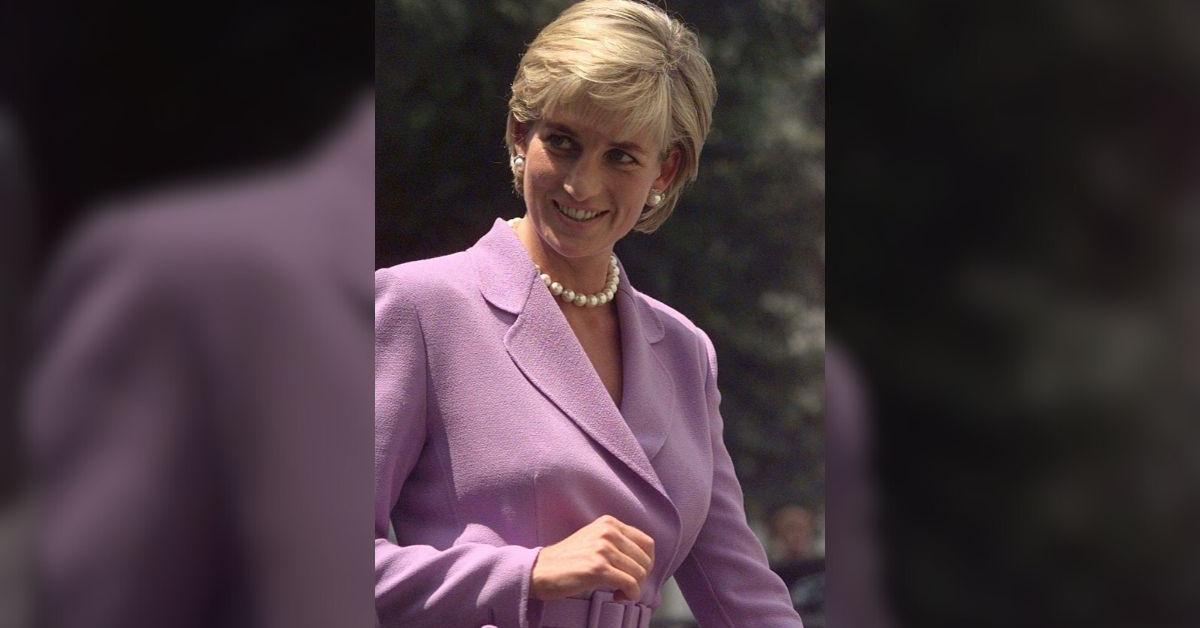
Richard Dalton, Diana’s trusted hairstylist throughout the 1980s, had crafted an elaborate chignon, a sophisticated updo that swept her typically short hair into a striking, elegant form. This particular Princess Diana hairstyle was designed to beautifully frame her revered Spencer family tiara, a significant heirloom that had been worn by generations of her aristocratic family. While the look garnered widespread praise from the media, it inadvertently crossed an unspoken boundary within the royal household, particularly in the eyes of the reigning monarch.
A Stylist’s Revelation and the Queen’s Displeasure
Dalton’s account of the incident, detailed in promotional materials for the new book "It’s All About the Hair: My Decade With Diana" by royal expert Renae Plant, reveals the swift and severe fallout. The day after the State Opening of Parliament, newspapers were not leading with reports on the legislative agenda or the Queen’s speech. Instead, the front pages were dominated by images and commentary on Princess Diana’s glamorous new hairdo. This media frenzy, according to Dalton, "totally eclipsed the solemnity of the occasion."
Queen Elizabeth II, then 58 years old, viewed this as an egregious misstep. Sources close to the royal household from that period indicate the monarch was left "enraged" by Diana’s style choice. For the Queen, who had dedicated her life to upholding the dignity and constitutional importance of the monarchy, the focus on a royal’s personal appearance over the gravitas of a national event was unacceptable. The Queen’s perspective centered on the belief that nothing, especially not a hairstyle, should detract from the solemnity and constitutional weight of Parliament. This reaction highlighted a fundamental clash in values: Diana’s burgeoning celebrity appeal versus the Queen’s unwavering commitment to tradition and the institution’s gravitas.
Royal Protocol and the Weight of Image
The British monarchy operates under a complex web of unwritten rules and long-held traditions, where every public appearance by a senior royal is meticulously curated and carries symbolic weight. The Queen, as the embodiment of this institution, adhered strictly to the principle that royal engagements were about duty, service, and the continuity of the Crown, not personal glorification. Her disapproval stemmed from a deep-seated understanding of how the monarchy’s image was perceived both domestically and internationally.
This incident concerning a Princess Diana hairstyle serves as a potent illustration of the intense pressure placed on members of the Royal Family to conform. Public presentation is not merely a matter of personal taste; it is a crucial component of their role, meticulously managed to project stability, decorum, and an appropriate reverence for their position. For Queen Elizabeth, any action that veered into sensationalism or overshadowed the primary purpose of a royal engagement was seen as a threat to the institution’s perceived seriousness and relevance. The Queen believed that the "balance had tipped too far toward celebrity," a phenomenon she instinctively resisted.
A Lasting Impact on Diana’s Style
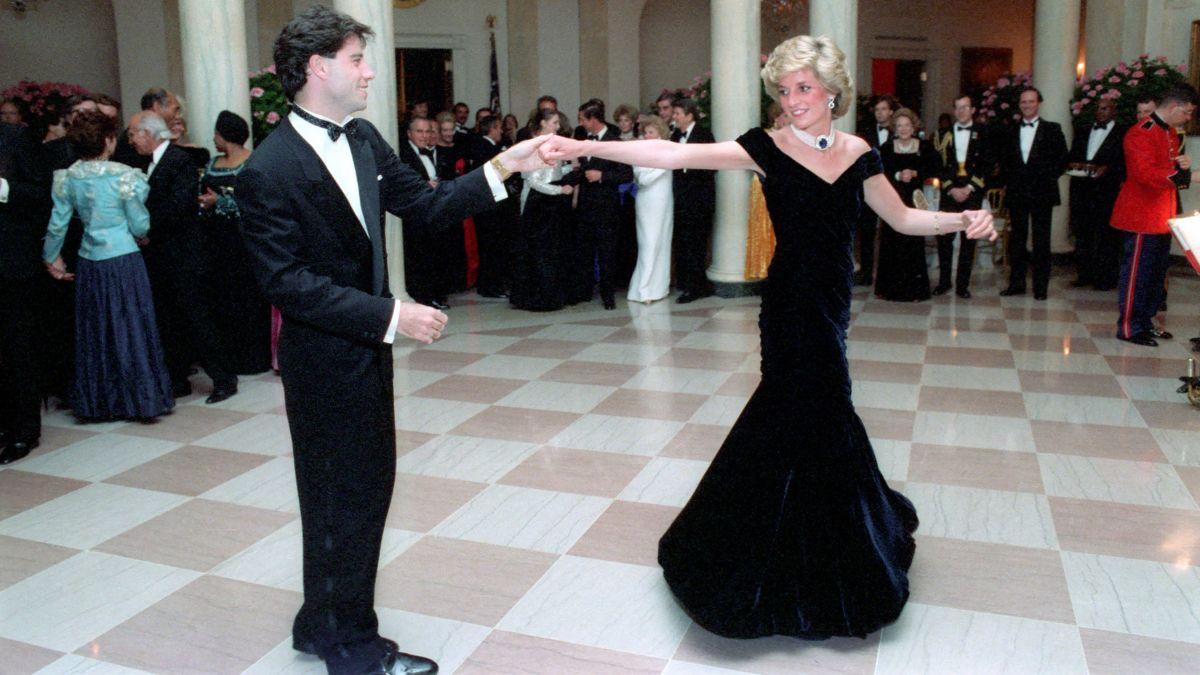
The repercussions of the Queen’s displeasure were immediate and profound for Princess Diana. Dalton confirmed that Diana quickly assimilated the lesson, vowing that her hair would "never again be the center of attention and distract people away from the work of the royals." From that day forward, her approach to styling became notably more restrained. Dalton noted, "From that point on, I only ever cut her hair a quarter of an inch at most. Her style was simple and flattering. Because it was short I could have her ready in 15 minutes."
This significant shift in her personal presentation was not just a practical adjustment; it reflected Diana’s sensitivity to criticism, especially from the highest authority within the Royal Family. According to other sources close to the royal household, Diana was "deeply affected" by Elizabeth’s response. She was acutely aware of the need to be seen as respectful and dedicated to her royal duties, rather than "frivolous or disrespectful." The moment left an indelible mark, influencing her public image for years to come.
Beyond the Hair: A Confidante’s Role
Despite the constraints imposed by royal expectations, Richard Dalton’s role transcended mere hairstyling. As is often the case with personal attendants, he became a trusted confidante to the Princess. "Every woman confides in her hairdresser and she was no different," Dalton revealed, highlighting the intimate bond they shared. He was privy to Diana’s private struggles, at times feeling "sick with stress" from the weight of her confessions.
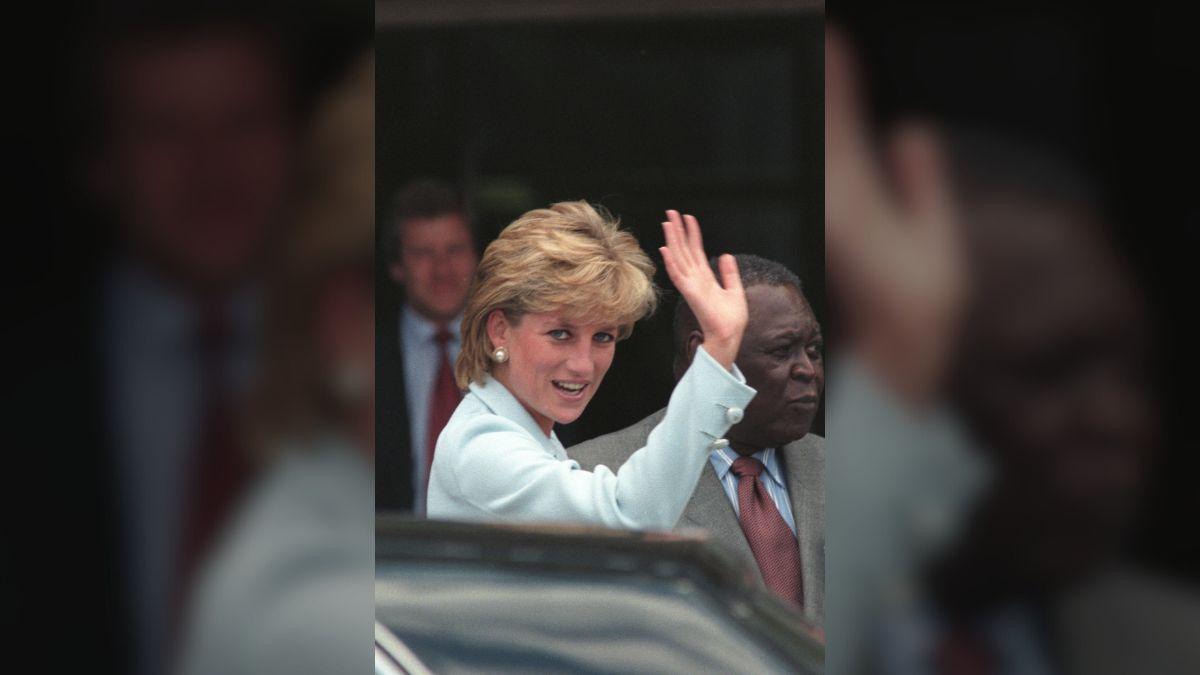
Dalton described his job as multifaceted: "to listen, help her feel beautiful and confident and bring a little of the real world into her world." This insight into their relationship underscores the isolation Diana often experienced within the royal bubble. Even when physically absent, her reliance on his counsel was evident. Dalton recounted an anecdote from 1984, the year Prince Harry was born, when he was in Spain. Diana called him for hair advice, admitting she had kept hot rollers in too long, resulting in "big, big hair." This small detail paints a picture of Diana’s ongoing, sometimes defiant, desire for a degree of personal control and expression, even within the confines of her royal life.
Individuality Versus Institution
The incident with the Princess Diana hairstyle serves as a microcosm of the larger struggle Diana faced throughout her time in the monarchy: the relentless tension between her vibrant individuality and the rigid expectations of the institution she had married into. Her arrival brought a new kind of celebrity glamour to the Royal Family, one that captivated the public but often clashed with the Queen’s more traditional view of royal duty. Diana’s innate charisma and magnetic appeal meant that she naturally drew attention, often overshadowing others, whether intentionally or not.
This dynamic became a recurring theme in her royal life. She sought to modernize the monarchy’s image, connecting directly with the public in ways that were unprecedented for a royal of her stature. This approach, while endearing her to millions worldwide, was sometimes perceived as a challenge to the established order, which valued discreet service and quiet dignity above all else. The media, ever hungry for sensational stories, amplified Diana’s every move, often placing her at odds with the very institution she represented.
The Evolution of a Style Icon
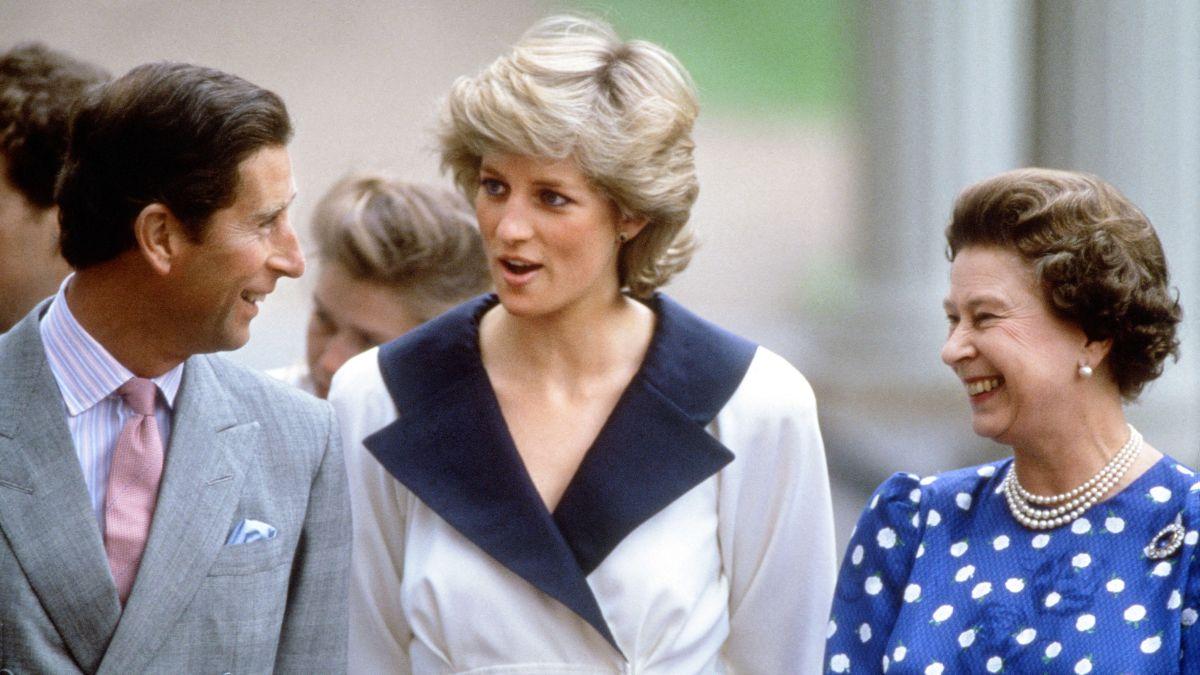
Despite the early lesson in royal restraint, Princess Diana ultimately redefined modern fashion, blending aristocratic polish with an unprecedented level of approachability. She transcended the initial confines placed upon her public image, evolving into a global style icon whose influence endures to this day. Diana skillfully utilized fashion as a powerful form of communication, a silent language that conveyed empathy, independence, and unwavering confidence.
She elevated numerous designers, turning their creations into international trends. Her embrace of relaxed tailoring, bold colors, and strategic accessorizing demonstrated a sartorial intelligence that resonated with women across the globe. Her style choices mirrored her personal growth and her increasing comfort in her own skin, even as her personal life within the monarchy became increasingly turbulent. Through her fashion, Diana humanized power, making the Royal Family seem more accessible while maintaining an undeniable aura of elegance. Her evolving wardrobe became a narrative of her journey, proving that fashion could be a tool for connection and influence, transcending cultures, eras, and media platforms worldwide. The 1984 incident, though initially a source of contention, ultimately became a foundational moment in her journey to becoming one of the most celebrated and influential figures of the 20th century, forever remembered for her unique blend of grace, glamour, and profound human connection.