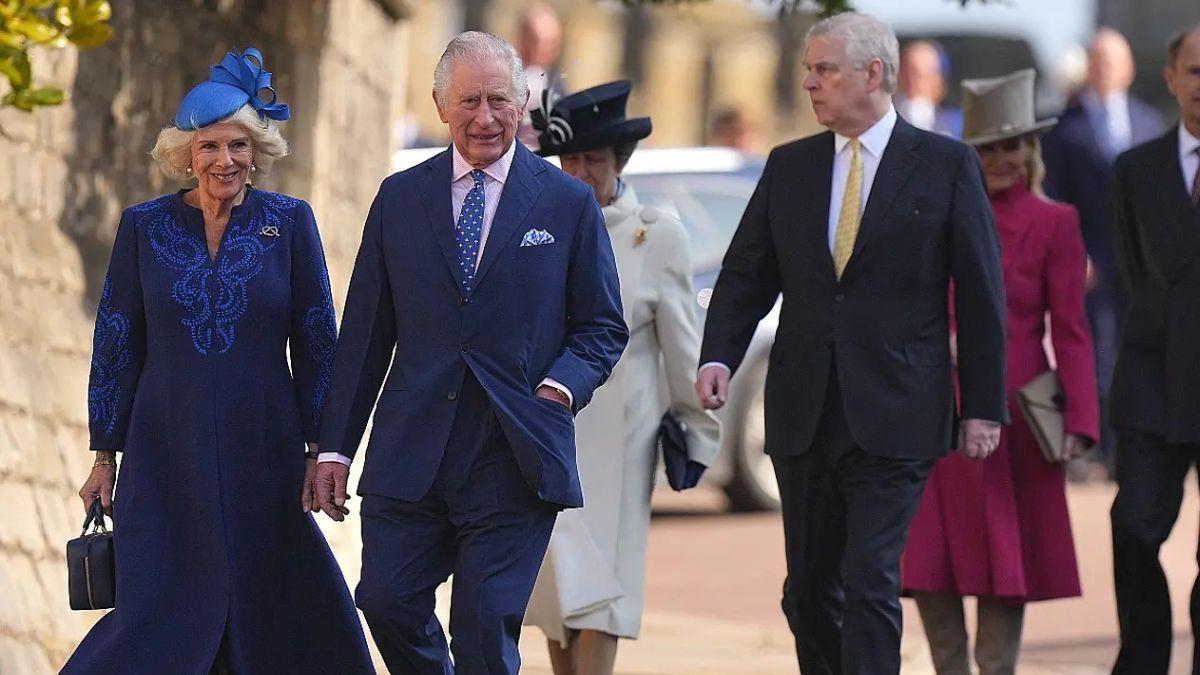
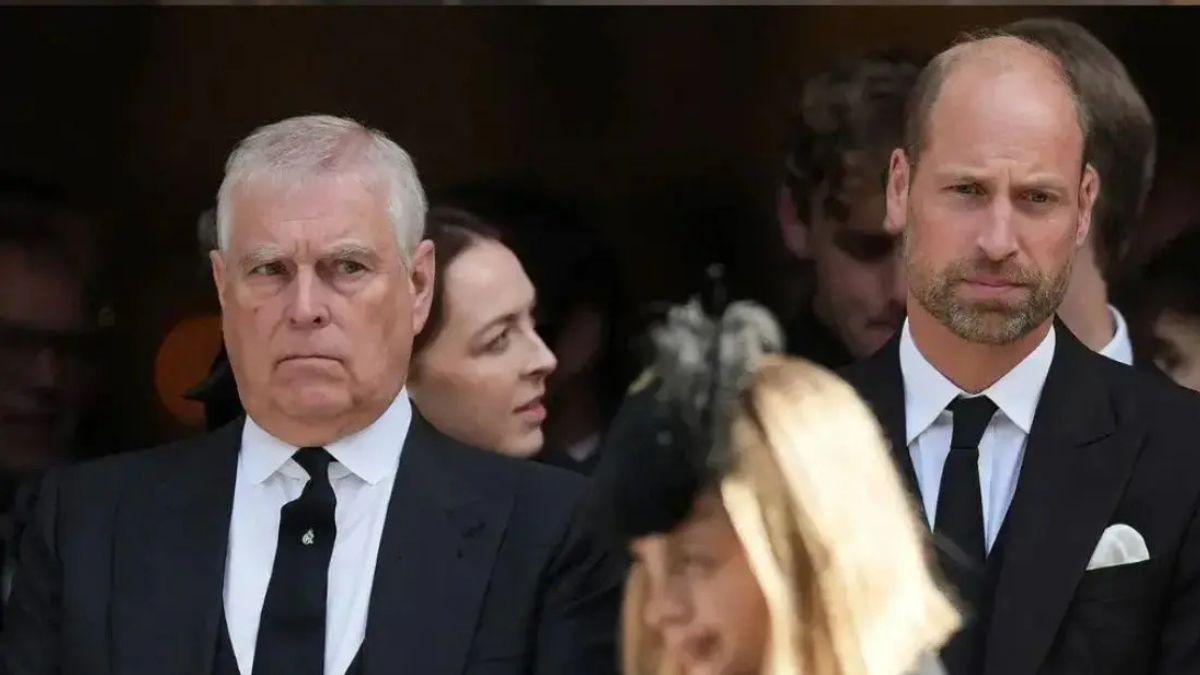
Prince William, the heir to the British throne, has faced significant criticism from some segments of the public, particularly Gen Z audiences, who have labeled him as "out of touch" following his recent media appearances. This perception emerged during a period of intense public scrutiny surrounding his uncle, Ex-Prince Andrew, whose reported arrest and ongoing connections to the disgraced financier Jeffrey Epstein continue to cast a shadow over the Royal Family. The juxtaposition of William’s focus on mental health advocacy with the escalating royal scandals has ignited a debate about the monarchy’s relevance and responsiveness in modern times.
The controversy gained traction after the Prince of Wales participated in an interview with Radio 1, a prominent British radio station often aimed at a younger demographic. During the conversation, Prince William exclusively addressed topics related to mental health, a cause he has championed for many years. However, this focused approach did not resonate universally, particularly with those expecting a broader acknowledgment of the challenging circumstances facing the House of Windsor. Critics argued that his avoidance of any mention of the unfolding drama involving his uncle signaled a detachment from the pressing issues captivating public attention.
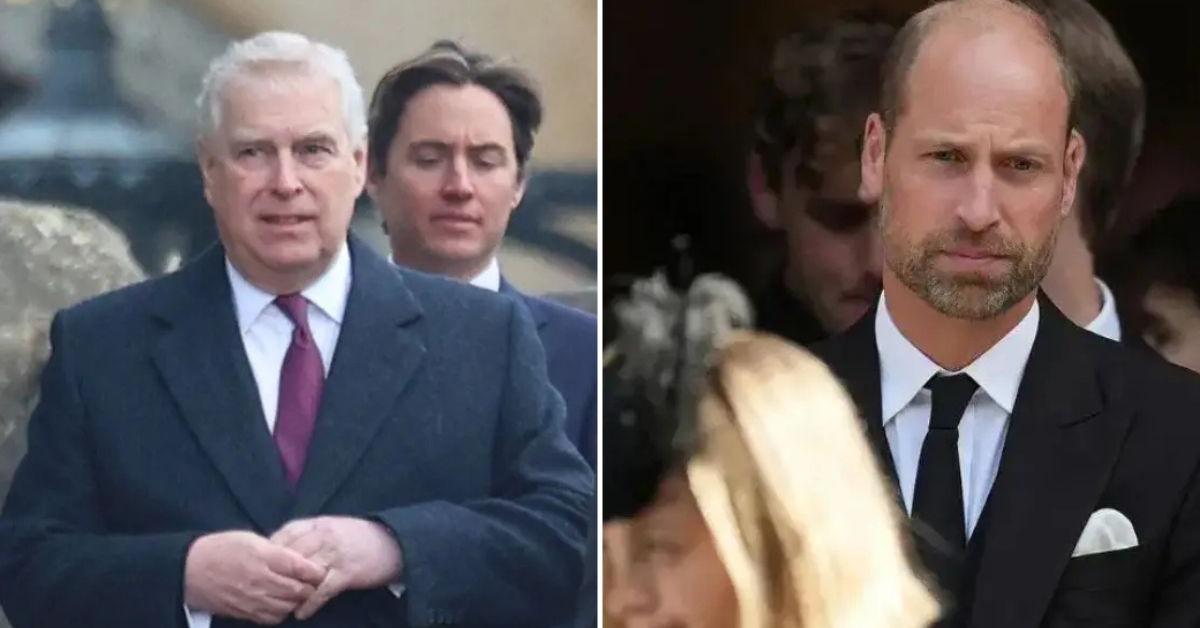
Social media platforms quickly became a forum for these criticisms, reflecting a growing sentiment among some royal watchers. One user on X (formerly Twitter) remarked on the perceived disparity, stating, "Kate [Middleton] and William on vacation and Charles attending a fashion show while Prince Andrew was being interrogated is not a flex. They’re just showing the world how out of touch they are." This comment underscored a desire for greater transparency and accountability from the senior royals, especially when a significant scandal involving a prominent family member dominates headlines. Another individual echoed this sentiment, questioning the choice of platform for William’s interview, noting, "Prince William makes a surprise visit on radio 1. Nobody listens to that program anymore its dropped low in ratings but for only people in London. Another out of touch royalty." These reactions highlight the challenging landscape of public engagement for the British monarchy, where traditional methods of communication may not connect with younger Gen Z audiences.
The Shadow of Prince Andrew’s Scandals
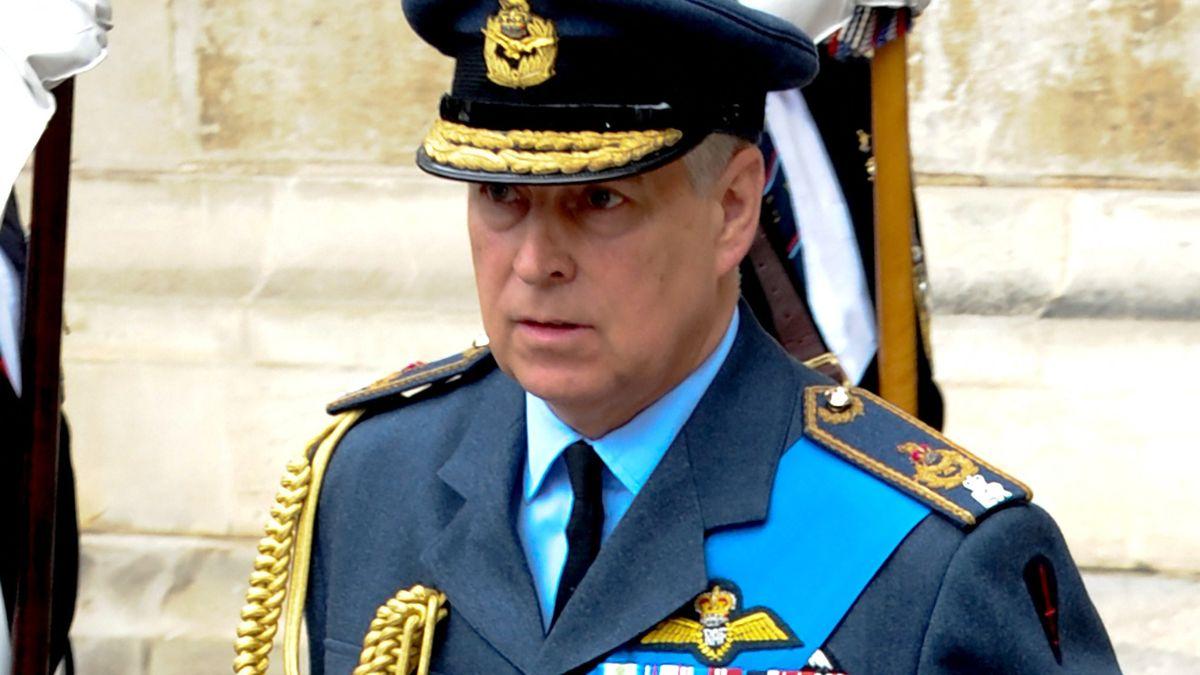
The backdrop to Prince William’s perceived misstep is the continuing legal and reputational crisis engulfing his uncle, Ex-Prince Andrew. The Duke of York’s association with Jeffrey Epstein, a convicted s*x offender, has led to his withdrawal from public life and the forfeiture of his military titles and royal patronages. The original article mentions Ex-Prince Andrew’s arrest on February 19, a development that would undoubtedly escalate public and media attention on the Royal Family. This reported legal action intensified calls for greater transparency and accountability from the institution.
The Epstein ties have been a source of immense embarrassment and damage to the royal brand for several years. Andrew’s ill-fated 2019 BBC Newsnight interview, where he attempted to defend his friendship with Epstein, backfired spectacularly and cemented his disgraced status. The subsequent civil lawsuit filed against him in the United States further amplified the scandal, ultimately leading to an out-of-court settlement and his effective removal from royal duties. For many, particularly younger generations who value authenticity and social justice, the lingering questions and the family’s perceived silence on such grave matters are deeply problematic.
Balancing Duty and Public Perception
Prince William, as the future King, faces the delicate task of balancing his official duties with the need to maintain public approval, especially among younger generations. His long-standing commitment to mental health advocacy has been a cornerstone of his public work, aiming to destigmatize conversations around psychological well-being. His interview with Radio 1 was ostensibly part of these efforts, a continuation of his established campaigning. However, the timing of such an interview, focused solely on one topic, proved contentious given the surrounding familial turmoil.

Royal expert Richard Fitzwilliams offered a contrasting view on William’s actions, emphasizing the strategic complexities involved. Speaking to Fox News, Fitzwilliams stated that it would be a "fatally flawed tactic" for Prince William to publicly address his uncle’s legal scrutiny and arrest directly. He clarified that William had already issued one statement, followed by a unified message from the Palace, regarding the situation. This suggests a deliberate strategy by the royal institution to manage the crisis through official channels rather than individual commentary, adhering to long-held protocols.
Fitzwilliams further highlighted that Prince William’s silence during this period also coincided with his official visit to Saudi Arabia. This significant diplomatic engagement, aimed at strengthening international ties and promoting key causes, was regrettably "overshadowed by the Epstein scandal." The expert warned that the crisis, particularly if new evidence such as "video or film footage found in containers owned by Epstein but reportedly not yet opened" emerges, "could last for months, perhaps even years." This indicates that the Royal Family is navigating a protracted challenge, necessitating a carefully considered and consistent approach to reputation management.
The Monarchy’s Modern Challenges
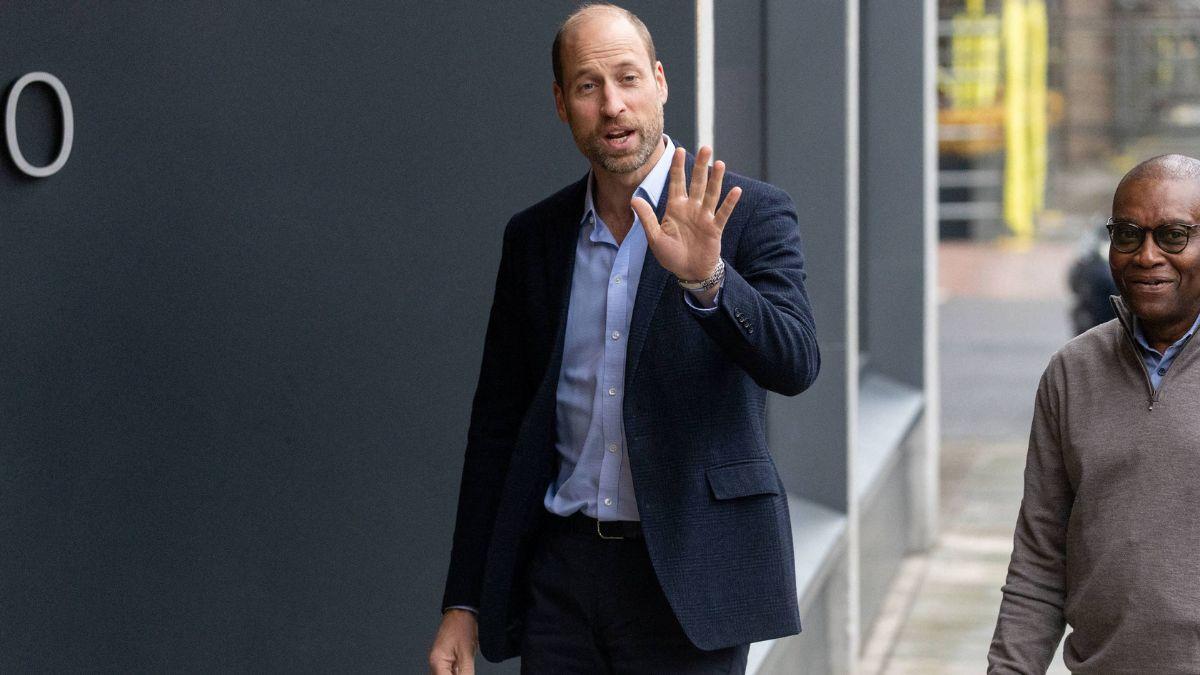
The criticisms leveled against Prince William underscore the broader challenges facing the British monarchy in the 21st century, especially in connecting with Gen Z audiences. This demographic, characterized by its digital native status, strong social consciousness, and demand for transparency, often views traditional institutions with a more critical eye. For them, the concept of inherited privilege and a perceived lack of accountability for royal family members involved in scandals can erode trust and make the institution seem irrelevant.
The power of social media criticism cannot be overstated in this context. Platforms like X provide an immediate and unfiltered avenue for public opinion, allowing individuals to voice dissent and organize collective sentiment far more rapidly than in previous eras. This direct engagement bypasses traditional media gatekeepers, placing immense pressure on public figures, including royals, to respond to perceived grievances in real-time. The Royal Family’s traditional approach of stoicism and limited commentary, while designed to maintain an aura of dignity, can sometimes be interpreted by younger audiences as evasiveness or indifference.
Compounding these challenges is the recent news of King Charles’ health, who is currently battling cancer. This development places additional pressure on Prince William, who has stepped up to undertake more duties as heir apparent. The dual crises – a health concern for the monarch and a major scandal involving a senior family member – create a complex environment for William. He must project stability and leadership while simultaneously navigating highly sensitive personal and institutional issues. The public’s expectations for his conduct are amplified, as he is increasingly seen as the face of the monarchy’s future.
Navigating a Complex Landscape
The incident highlights the inherent tension between the Royal Family’s established protocols and the evolving expectations of a globalized, digitally-connected public. While royal experts like Fitzwilliams argue for a cautious, strategic silence on legal matters, a significant portion of the public, particularly younger generations, yearns for more direct engagement and acknowledgment of difficult issues. This divergence in expectations creates a constant tightrope walk for senior royals like Prince William.
His work in mental health advocacy is undoubtedly a valuable endeavor, aligning with modern values of well-being and openness. However, the context in which this work is presented can dramatically alter its reception. The accusation of being "out of touch" suggests that effective communication for modern royalty requires more than just focusing on worthy causes; it demands a nuanced awareness of the prevailing public mood and a willingness to address, even implicitly, the broader anxieties and concerns of the populace.
Outlook for the Future King
The long-term implications of these public perceptions for Prince William and the monarchy are significant. As he prepares for his eventual role as King, his ability to connect with diverse segments of society, including the influential youth demographic, will be crucial for the institution’s continued relevance and popularity. The ongoing scrutiny of Prince Andrew and his Epstein ties will remain a critical test of the Royal Family’s capacity for accountability and adaptation.
For William, the challenge lies in demonstrating both steadfastness in his chosen causes and a genuine understanding of the public’s desire for transparency and justice, even when it involves uncomfortable family matters. His future reign will depend not only on upholding tradition but also on skillfully navigating the complexities of modern media and public sentiment, ensuring the monarchy can adapt without losing its historical gravitas. The current discussions serve as a stark reminder that even the most established institutions must continually strive to understand and respond to the voices of a changing world.