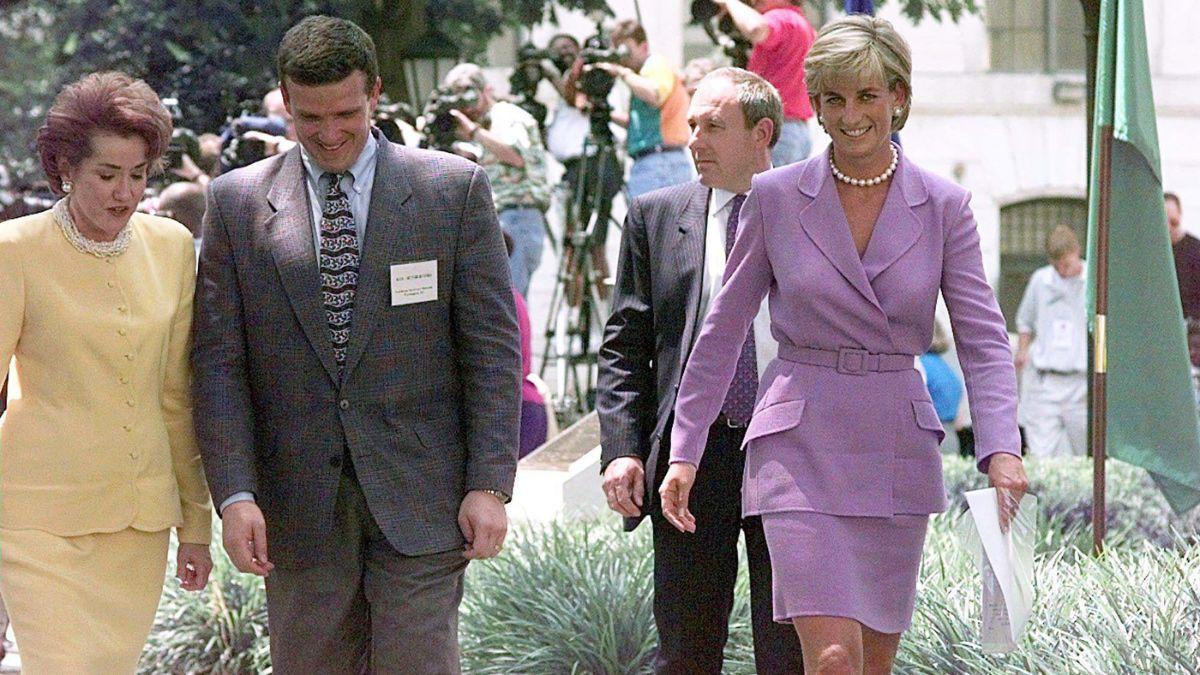
Princess Diana experienced "pronounced mood swings" throughout her turbulent marriage to Prince Charles, a pattern now being re-evaluated by mental health specialists who suggest her emotional shifts may have stemmed from untreated mood disorders rather than mere personality traits. This fresh perspective emerges as the 30th anniversary of her death in 2027 approaches, prompting a comprehensive re-examination of the late Princess of Wales’s life and challenges within the British royal family.
The relationship between Princess Diana and Prince Charles, initially heralded as a modern royal fairytale, quickly deteriorated under the immense glare of public scrutiny and deep personal incompatibilities. A significant age difference, coupled with profound emotional disparities and the relentless demands of royal life, created a volatile environment. These factors, experts now contend, likely exacerbated any underlying emotional vulnerabilities Diana may have possessed.
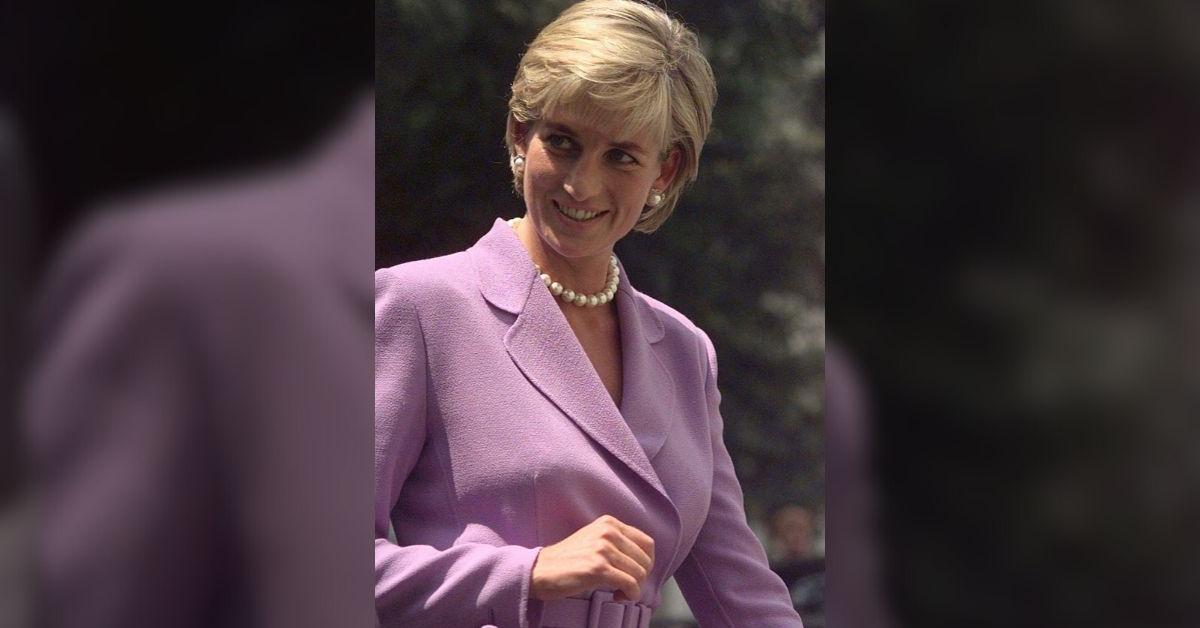
Reassessing Diana’s Emotional Landscape
Insights from those close to Diana reveal a woman capable of swift and dramatic emotional transformations. A former friend, who remained anonymous due to the sensitivity of the subject, described how Diana’s demeanor could shift rapidly from "warm, animated, and engaging one moment" to "suddenly shut down, becoming distant and icy" in response to minor incidents. This emotional intensity, the friend noted, made relationships with her particularly challenging, especially for Prince Charles.
The same source emphasized that Diana’s "pronounced mood swings" were a constant struggle for Charles. The significant age gap between them, with Diana being considerably younger, placed them in vastly different emotional stages of life, further complicating their ability to connect and understand one another. This new information adds another layer to the long-standing public narrative of their doomed union.
Clinical Perspectives on Diana’s Mood Swings
Mental health specialists, reviewing these historical descriptions and Diana’s own later admissions of emotional distress, indicate that such patterns are consistent with untreated mood disorders. They suggest that, with contemporary understanding of mental health, many clinicians would now be inclined to assess her for conditions like bipolar disorder, rather than dismissing her reactions as inherent personality flaws. This represents a significant shift from the prevalent diagnostic approaches of the 1980s and 1990s.
A source familiar with clinical perspectives noted that "more clinicians are now of the view that Diana’s extreme emotional shifts cannot be explained by circumstance alone." They added, "With today’s understanding of mental health, many specialists would be inclined to assess her for bipolar disorder rather than labeling her reactions as personality flaws." This modern reinterpretation seeks to provide a more compassionate and medically informed understanding of her struggles.
The Early Years: A Fairytale Unravels
When Princess Diana married Prince Charles in 1981, she genuinely believed in the promise of their union. She confided in biographer Andrew Morton, expressing profound love and optimism: "I remember being so in love with my husband that I couldn’t take my eyes off him. I just absolutely thought I was the luckiest girl in the world. He was going to look after me." This initial hope, however, was quickly shattered by the harsh realities of their marriage.
Royal historians agree that Diana’s optimism soon collided with the enduring presence of Camilla Parker Bowles, Charles’s long-term mistress, who is now Queen Camilla. Charles’s unwavering emotional ties to Camilla became an insurmountable barrier, contributing significantly to Diana’s emotional turmoil and the eventual breakdown of the marriage. Diana eventually came to terms with the painful reality that Camilla was Charles’s "soul mate," and that her own marriage had been, to some extent, an arranged affair.
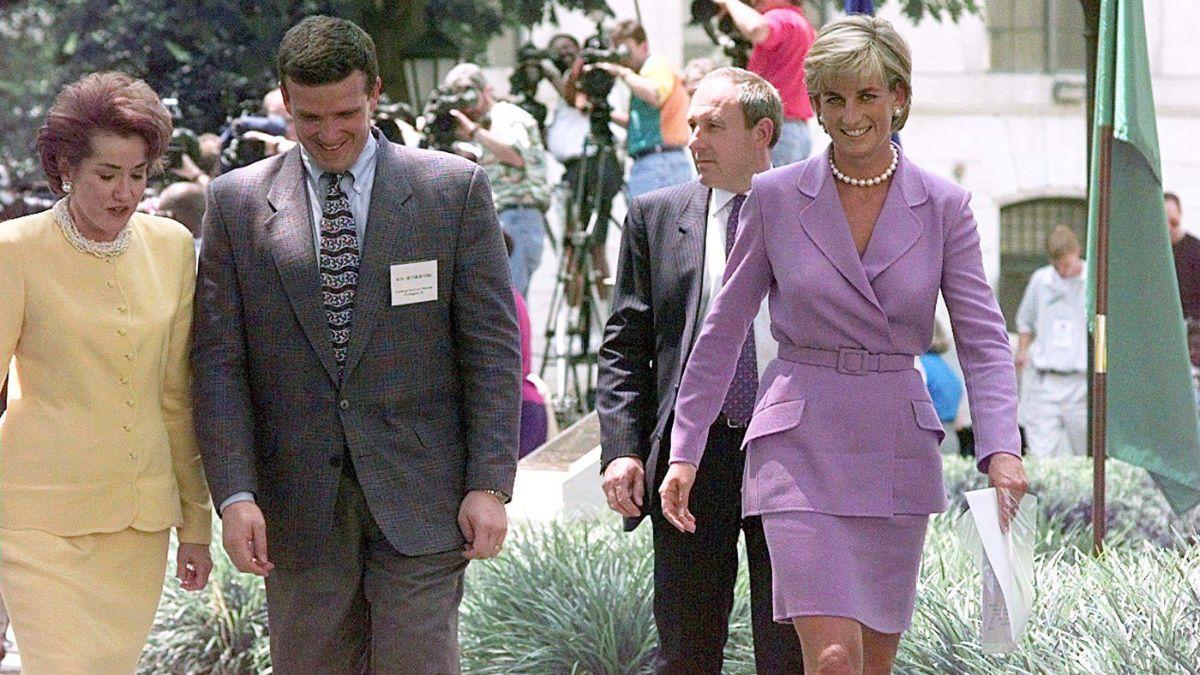
Experts have also highlighted Diana’s later reflections on the insufficient time she and Charles spent truly getting to know each other before their wedding. This lack of foundational understanding, combined with the immense pressure of their roles, set the stage for a relationship plagued by misunderstandings and emotional isolation. The public’s perception of a perfect royal romance starkly contrasted with the private anguish experienced by both individuals.
Societal Shifts in Mental Health Understanding
The ongoing reassessment of Princess Diana’s mental health is not merely an academic exercise but reflects a broader cultural evolution in how society perceives and addresses emotional distress, particularly in women. During the 1980s and 1990s, when Diana’s marriage unfolded, women’s emotional struggles were frequently minimized, pathologized as "hysteria," or attributed to character defects. Support systems and diagnostic tools for complex mood disorders were less developed and less accessible.
An insider pointed out this critical cultural shift: "During the 1980s and 1990s, women’s emotional distress was frequently downplayed or framed as a character flaw. In a modern setting, though, the same behaviors would be far more likely to trigger medical assessment and support rather than criticism." This modern lens allows for a more nuanced and empathetic understanding of historical figures like Diana, moving beyond simplistic labels.
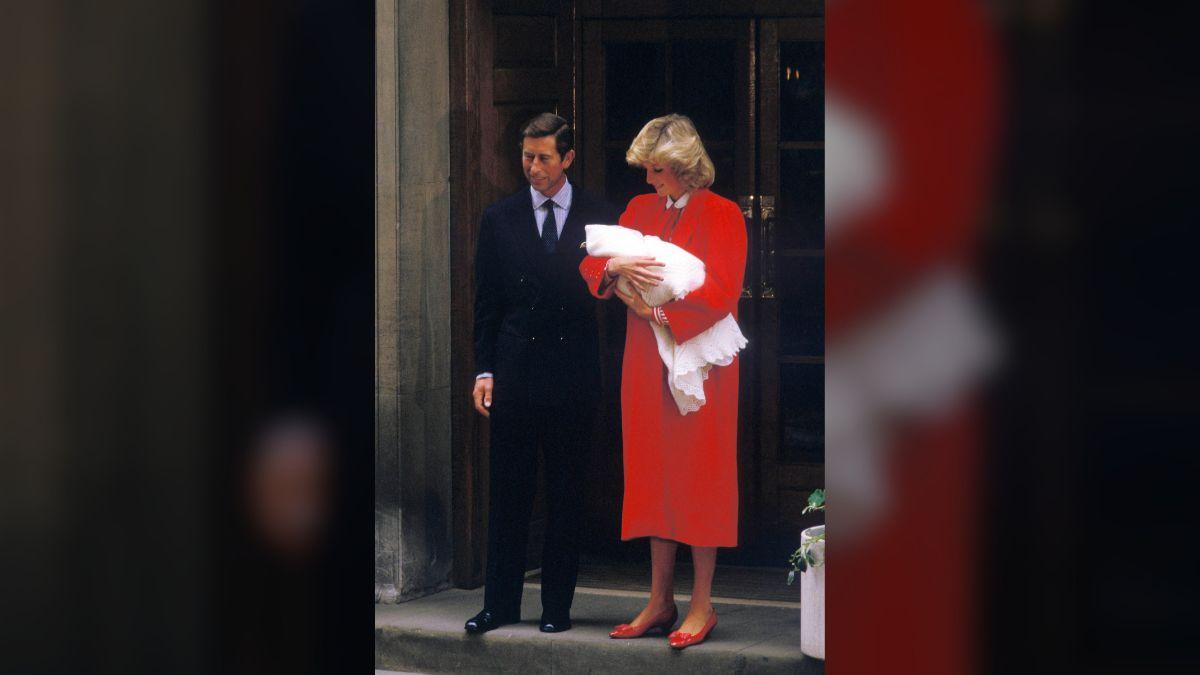
The stigma surrounding mental illness was pervasive during Diana’s time, making it incredibly difficult for individuals, especially those in the public eye, to seek or receive appropriate care. The relentless media scrutiny of Diana’s every move meant that any perceived emotional instability was amplified and often weaponized, further isolating her and preventing open dialogue about her inner struggles.
The Lingering Legacy of a Difficult Marriage
The deeply troubled relationship between Princess Diana and Prince Charles officially concluded with their separation in 1992, after 11 years of marriage, and their divorce in August 1996. Tragically, Diana died just over a year later in a Paris car crash in August 1997, leaving behind her two young sons, Prince William, now 43, and Prince Harry, now 41.
Following their divorce, Diana and Charles managed to establish a fragile understanding, particularly concerning the co-parenting of their children and their respective public duties. However, those close to the family attest that the emotional damage inflicted by the marriage persisted long after the legal separation. The profound impact on both individuals, and by extension their children, has been a subject of ongoing public and historical interest.
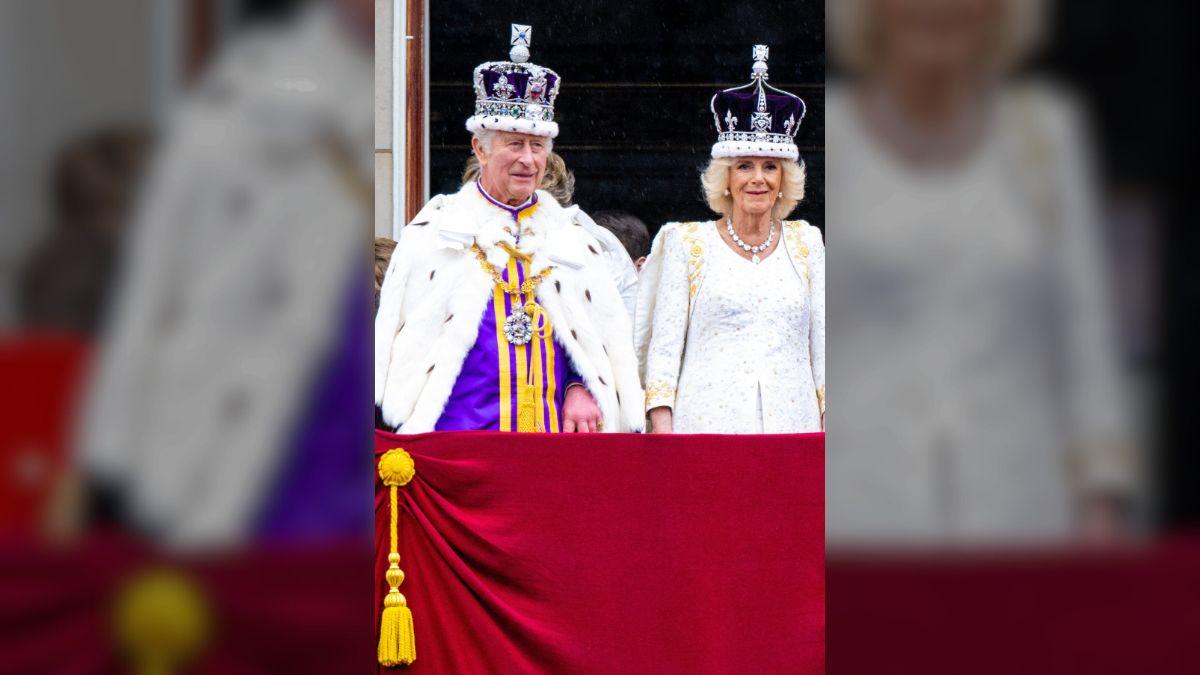
A palace source articulated the intent behind this modern re-evaluation: "Looking again at Diana’s mental health isn’t an attempt to change the past, but to better understand how alone she was and how little support existed around her." The source continued, "Behaviors once described as nightmarish may now be seen as the signs of untreated illness compounded by extreme pressure." This perspective acknowledges the systemic failures that may have contributed to Diana’s suffering.
A New Lens on a Royal Icon
The renewed focus on Princess Diana’s emotional health through a contemporary clinical lens offers a more comprehensive understanding of her experiences within the confines of the royal institution and under intense public scrutiny. This reassessment does not diminish her profound impact as the "People’s Princess" or her humanitarian work, but rather enriches the narrative of a complex figure who navigated extraordinary challenges.
By considering the possibility of untreated mood disorders, historians and mental health professionals are painting a more complete picture of Diana’s struggles, offering insights into her unpredictable emotional responses and the profound isolation she often felt. This modern understanding underscores the importance of mental health awareness and support, even for those seemingly living a fairytale existence. It allows for a more empathetic view of her life, acknowledging the immense personal cost of a public life lived without adequate emotional and psychological scaffolding.