The holy month of Ramadan officially commenced worldwide on Wednesday, February 18, 2026, following the confirmed sighting of the crescent moon by Saudi Arabia’s moon-sighting committee on Tuesday. This annual observance marks a period of profound spiritual significance for nearly two billion Muslims globally, representing close to a quarter of the world’s population. As the faithful embark on a month of fasting, prayer, reflection, and community, the commencement is often heralded with a diverse array of greetings reflecting the rich linguistic tapestry of the Muslim world.

Ramadan’s observance is rooted in the belief that it was during this month that the first verses of the Quran were revealed to the Prophet Muhammad over 1,400 years ago. This foundational event imbues Ramadan with unparalleled holiness within Islam. The practice of fasting, known as sawm, is one of the Five Pillars of Islam, alongside the declaration of faith (shahada), daily prayers (salat), charity (zakat), and the pilgrimage to Mecca (hajj) for those who are able.
The global Muslim population is substantial and geographically widespread. Indonesia, home to approximately 242 million Muslims, boasts the world’s largest Muslim populace. This is closely followed by Pakistan with around 230 million, India with 210 million, Bangladesh with 160 million, and Nigeria with an estimated 120 million adherents of Islam. These figures underscore the global reach and diverse cultural expressions of this significant religious observance.

Understanding the Significance of Ramadan
Ramadan is more than just a period of abstaining from food and drink from dawn until sunset. It is a comprehensive spiritual discipline designed to foster self-discipline, empathy for the less fortunate, and a deeper connection with the divine. The predawn meal, suhoor, provides the sustenance needed for the day’s fast, while the evening meal, iftar, marks the breaking of the fast and is often a communal affair, strengthening bonds among family and friends.

The spiritual essence of Ramadan is deeply intertwined with the revelation of the Quran. This month serves as an annual renewal of commitment to the principles and guidance contained within Islam’s holy book. The act of fasting is a tangible expression of devotion and submission to God’s will, encouraging introspection and a heightened awareness of one’s actions and intentions.
The discipline cultivated during Ramadan extends beyond the physical. Muslims are encouraged to refrain from all forms of negative behavior, including gossip, anger, and unnecessary arguments. The focus is on purifying the soul and enhancing one’s character through patience and self-control. This holistic approach aims to foster spiritual growth and a more compassionate outlook towards all of humanity.

Global Commencement and Lunar Determination
The start of Ramadan is determined by the lunar calendar, specifically by the sighting of the new crescent moon. This astronomical event, often a subject of keen anticipation, dictates the precise commencement of the fasting period. In many Muslim-majority nations, specialized committees are tasked with observing the skies for the moon’s appearance, a practice steeped in tradition and religious jurisprudence.

The announcement from Saudi Arabia on Tuesday, February 17, 2026, that the first day of fasting would be the following Wednesday, February 18, set the tone for the global observance. This method of moon sighting, while rooted in tradition, is a critical element in unifying the Muslim community in its observance of religious milestones. Variations in moon sighting across different regions can sometimes lead to slight divergences in the start and end dates of Ramadan, though efforts are consistently made towards greater global consensus.
The meticulous process of moon sighting highlights the importance of community and shared practice in Islamic tradition. It fosters a sense of collective participation in a sacred ritual that transcends national and ethnic boundaries. The reliance on visual confirmation of the moon’s crescent underscores a connection to the natural world and its celestial movements, as ordained by religious teachings.

Ramadan Greetings: A Multilingual Celebration
As the holy month begins, a universal sentiment of goodwill and shared observance is expressed through greetings. While the specific phrases may vary, the underlying message of well-wishing and spiritual solidarity remains constant. The most widely recognized greetings, originating from Arabic, are "Ramadan Mubarak" and "Ramadan Kareem."

"Ramadan Mubarak" translates to "Blessed Ramadan," conveying a wish for a spiritually rich and fulfilling month. "Ramadan Kareem" means "Generous Ramadan," acknowledging the abundance of blessings and rewards believed to be bestowed during this sacred period. These Arabic phrases have transcended linguistic barriers, becoming common parlient among Muslims worldwide, regardless of their native tongue.
Beyond spoken languages, the spirit of Ramadan greetings extends to alternative forms of communication, ensuring inclusivity for all members of the community. Sign language versions of greetings are utilized, with a common gesture across many sign languages involving placing one hand horizontally across the mouth to symbolize fasting. This practice underscores a commitment to ensuring that no one is excluded from participating in the communal expressions of the holy month.

Furthermore, efforts are made to accommodate individuals who are visually impaired. Greetings can be conveyed through Braille, allowing for tactile communication and the sharing of well wishes. This dedication to accessibility reflects the Islamic principle of compassion and the importance of ensuring that religious observances are as inclusive as possible.
A Spectrum of Greetings Across Cultures

The diversity of greetings reflects the rich cultural heritage of Muslim communities across the globe. While Arabic phrases are prevalent, many countries and regions have developed their own unique expressions to welcome Ramadan. These linguistic variations add a distinct local flavor to the global celebration.
In Assamese, a greeting might be "Rojar din Mubarak," wishing a blessed month of fasting. Bengali speakers often say "Ramadan Mubarak," echoing the common Arabic phrase. Bosnian Muslims might extend a "Ramadan Šerif Mubarek Olsun," a traditional greeting wishing a blessed Ramadan.

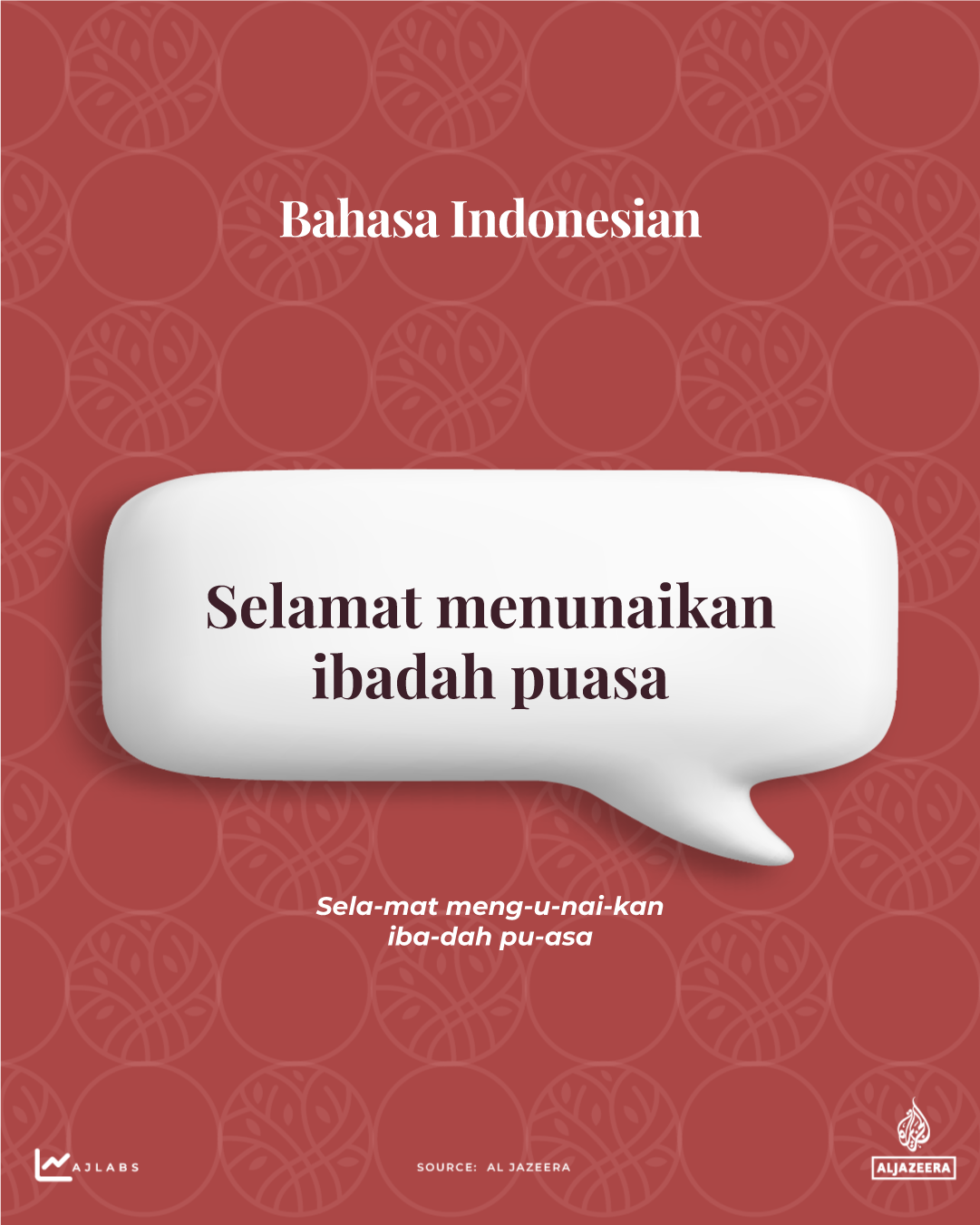
The Indonesian phrase "Selamat Menunaikan Ibadah Puasa," meaning "Happy to carry out the fasting worship," is a common way to acknowledge the commencement of the month. Similarly, in Malay, "Selamat Hari Raya Aidilfitri" is a greeting, though this is more commonly associated with the end of Ramadan, the preceding wishes for the month itself carry similar sentiment. Dhivehi, spoken in the Maldives, uses "Ramadan Dhannai," signifying a wish for a good Ramadan.
English-speaking Muslims frequently use "Ramadan Mubarak" or "Happy Ramadan." French speakers often say "Ramadan Moubarak" or "Bon Ramadan." In Hindi, "Ramadan Mubarak" is commonly used, as it is in Italian ("Ramadan Mubarak").

Mandarin Chinese greetings can include "Ramadan Kuai Le," meaning "Happy Ramadan." Nepali speakers might say "Ramadan Mubarak." Pashto, spoken in parts of Afghanistan and Pakistan, uses "Ramazan Mubarak She." Persian speakers in Iran and surrounding regions often say "Ramazan Mobarak." Somali greetings include "Ramadan Wanaagsan." Spanish speakers might use "Ramadan Mubarak." Turkish greetings often involve "Ramazan Bayramınız Mübarek Olsun," which translates to "May your Ramadan holiday be blessed," or a simpler "Ramazanınız mübarek olsun." Uzbek greetings can be "Ramazon Muborak." Urdu, widely spoken in Pakistan and India, uses "Ramazan Mubarak."
These diverse greetings are not merely linguistic variations; they represent the unique cultural expressions and traditions that surround the observance of Ramadan in different parts of the world. Each phrase carries with it the warmth, sincerity, and spiritual intent of the individual offering it.

The Broader Impact and Public Engagement
The commencement of Ramadan has a significant cultural and social impact, influencing daily routines, community interactions, and even economic activities in regions with large Muslim populations. Businesses often adjust their operating hours, and social gatherings are frequently centered around iftar meals. The month fosters a heightened sense of community solidarity and charitable giving.

Public discourse surrounding Ramadan often focuses on the spiritual aspects, the importance of fasting, and the charitable initiatives undertaken by individuals and organizations. Media coverage typically highlights the global nature of the observance, the diverse cultural practices, and the spiritual reflections associated with the holy month.
The availability of greetings in various languages and formats, including digital cards and online resources, facilitates interfaith understanding and allows non-Muslims to engage respectfully with their Muslim friends, colleagues, and neighbors. This exchange of well wishes fosters a more inclusive and harmonious society.

Looking Ahead
As the month of Ramadan unfolds, Muslims worldwide will continue to observe its tenets of fasting, prayer, and reflection. The spiritual journey undertaken during this time is a cornerstone of Islamic practice, offering an opportunity for personal growth and a renewed commitment to faith. The diverse greetings exchanged serve as a constant reminder of the global unity and shared spiritual purpose that defines this sacred month. The culmination of Ramadan will be marked by Eid al-Fitr, the festival of breaking the fast, celebrated with joyous communal prayers and festivities.