Anonymous sources within the British monarchy indicate a pervasive, if unspoken, sentiment that the imprisonment of Prince Andrew, the former Duke of York, would serve as a long-awaited resolution to the persistent embarrassment and reputational damage stemming from his association with convicted s** offender Jeffrey Epstein. This sentiment follows Andrew’s recent arrest and ongoing investigation into alleged misconduct in public office, a development that has reignited calls for the Royal Family to permanently sever ties with the embattled prince.
The Enduring Shadow of the Epstein Scandal
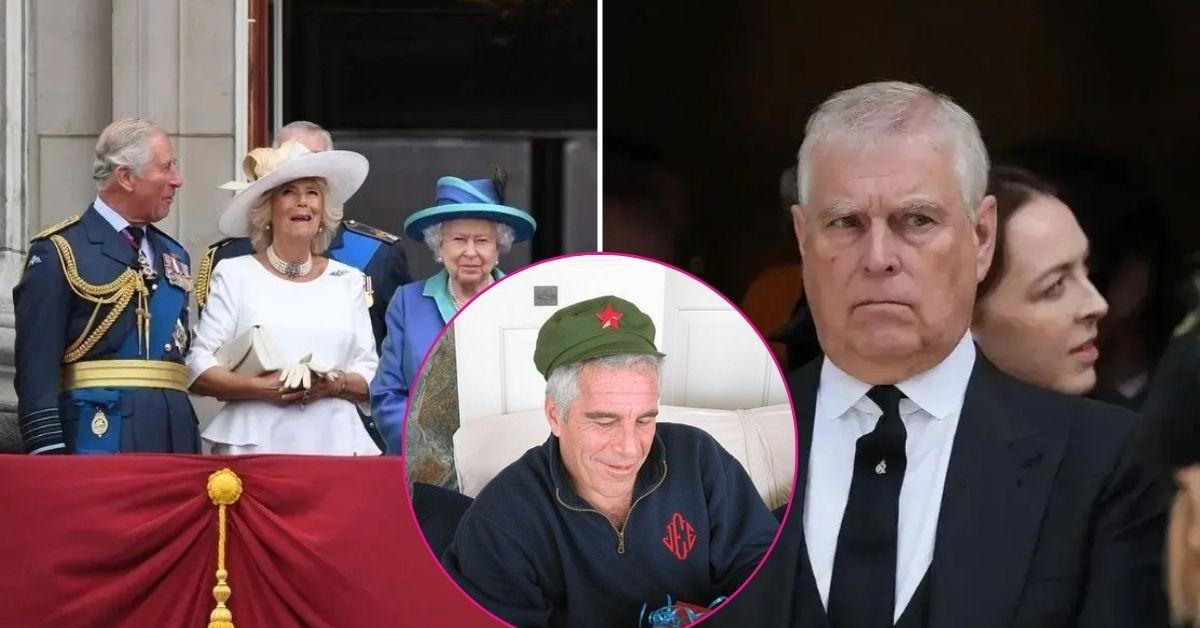
Prince Andrew, 66, has been a central figure in royal controversies for years, primarily due to his friendship with the late financier Jeffrey Epstein, who was arrested in 2019 on s trafficking charges and later died by suicide in jail. Andrew’s ties to Epstein, including allegations of sual abuse from Virginia Giuffre, which he has consistently denied, led to a civil lawsuit that was settled out of court for an undisclosed sum in 2022. The fallout from these revelations was severe: Andrew was stripped of his military titles and royal patronages by his mother, Queen Elizabeth II, and ceased using his "His Royal Highness" (HRH) style. Despite these measures, the specter of the scandal continues to haunt the monarchy, frequently resurfacing in public discourse and media reports.
The internal desire for Andrew’s incarceration, as reported by insiders, stems from a belief that only a definitive legal consequence can truly "contain the chaos" he generates. One source emphasized that if Andrew avoids conviction, he risks becoming "untouchable" within his own perception, leading to even more "emboldened, more reckless, and far more dangerous" behavior for the institution. The implication is that without external legal restraint, the Royal Family would remain perpetually vulnerable to his actions.
Prince Andrew’s Recent Arrest and Ongoing Investigation
The latest development in the saga occurred on February 19, when British authorities arrested Prince Andrew on suspicion of misconduct in public office. The specific allegation centers on claims that Andrew, while serving as a UK trade envoy in 2010, allegedly provided confidential private travel details to Jeffrey Epstein. This charge, which pertains to abusing one’s official position for private gain or to the detriment of the public, carries significant legal weight in the United Kingdom. Andrew was released approximately 11 hours after his arrest, but the investigation by British law enforcement remains active and ongoing. He has vehemently denied any wrongdoing or involvement in Epstein’s criminal activities.
This recent apprehension has brought the long-simmering tensions within the Royal Family to a head. For many within palace circles, the prospect of Prince Andrew facing legal consequences, even if it means imprisonment, is viewed as a grim but necessary step to safeguard the monarchy’s long-term reputation. The constant media scrutiny and public outrage surrounding Andrew’s past associations have created an untenable situation, particularly as the institution navigates other significant challenges.
A Royal Family’s Desperate Hope for Resolution

The sentiment among some royal insiders is stark: "Prison contains the chaos. It forces a hard stop. The family can regroup without constantly bracing for the next humiliation." This statement underscores the deep fatigue and exasperation felt by members of the Royal Family, who reportedly yearn for a permanent end to the public relations nightmare that Prince Andrew represents. His continued presence, even in a diminished capacity, is seen as an open wound that prevents the monarchy from fully moving forward and rebuilding public trust.
Another palace source candidly revealed the core of the family’s frustration: "No one wants to say it publicly. But Andrew will always embarrass them. He won’t change. Jail removes the oxygen – and the obligation to bankroll him." This highlights not only the reputational cost but also the potential financial burden Andrew’s ongoing freedom might entail. Historically, the Royal Family has provided financial support to its members, and Andrew’s disengagement from public duties means he no longer generates income through official engagements. The idea of "bankrolling" a perpetually controversial figure is likely unpalatable to those seeking to modernize and streamline the monarchy’s finances.
King Charles III’s "Slimming Down" Agenda and Prince Andrew

The timing of this renewed crisis coincides with King Charles III’s overarching vision for a "slimmer," more efficient monarchy. Since his accession, Charles has reportedly aimed to reduce the number of working royals, thereby cutting costs and presenting a more modern, less extravagant image to the public. Prince Andrew’s persistent scandals directly undermine this goal, forcing the institution to expend valuable resources – both financial and reputational – on damage control rather than forward-looking reforms.
Sources suggest that Andrew’s arrest provides "cover" for King Charles to accelerate his reform agenda. "In crisis, reform suddenly becomes very easy to sell," an insider noted, implying that the public and political appetite for decisive action against problematic royal members increases during times of scandal. This situation could empower Charles to make more stringent decisions regarding Andrew’s future, potentially solidifying his permanent exclusion from any royal capacity, especially if legal proceedings advance. The potential imprisonment of Prince Andrew would effectively remove him from the public eye and from the monarchy’s ledger, aligning with the King’s long-held strategic objectives.
The Impact on Public Perception and the Monarchy’s Future

The ongoing legal battles and public scrutiny surrounding Prince Andrew have undoubtedly taken a toll on the British monarchy’s image. For an institution that relies heavily on public approval and a sense of dignity, the association with a figure implicated in such a grave scandal is profoundly damaging. Royal expert Duncan Larcombe described the Epstein saga as "uncharted territory for the royal family," emphasizing its potential to be "hugely damaging" and a "nightmare" for King Charles. The public’s patience for royal indiscretions, particularly those involving such serious allegations, appears to be wearing thin.
This enduring crisis is particularly challenging given the current vulnerabilities of the Royal Family. King Charles III is presently undergoing treatment for cancer, and Catherine, Princess of Wales, has also been recovering from a significant health issue. These personal struggles have placed immense pressure on Prince William, who is increasingly stepping into a leading role. The added burden of Prince Andrew’s legal woes creates a complex and difficult environment for the monarchy to navigate, demanding a delicate balance between family loyalty and institutional preservation.
William and Kate’s Frustration Over Prince Andrew
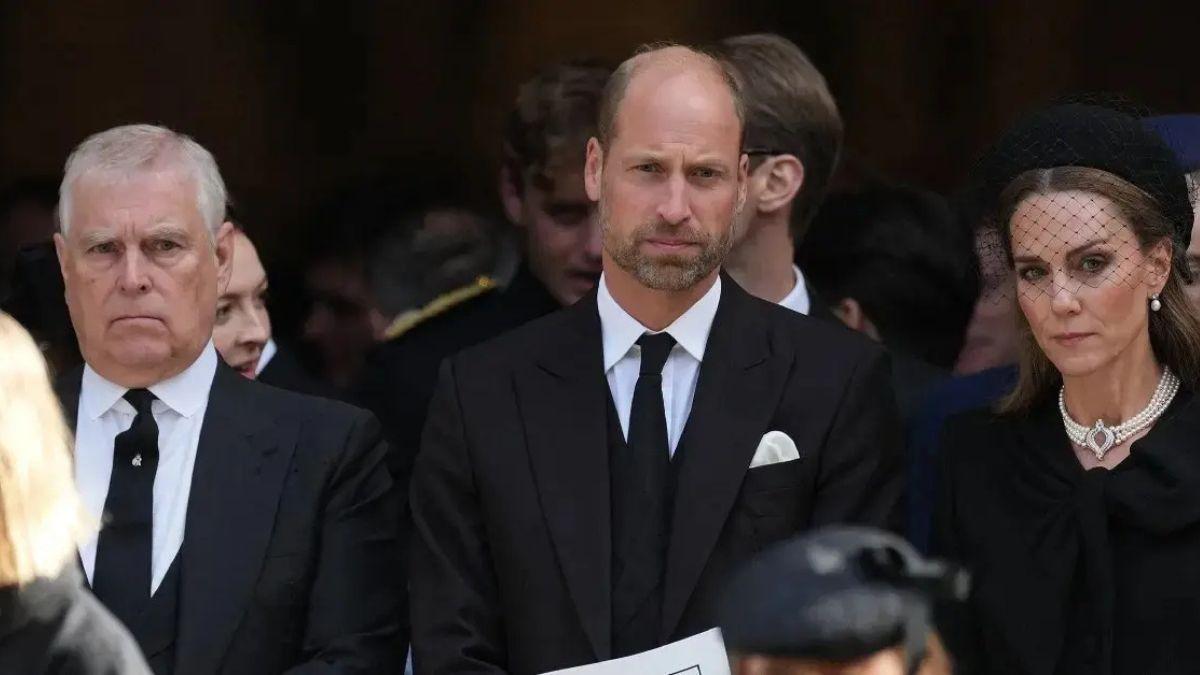
Prince William, 43, and Catherine, Princess of Wales, are reportedly growing increasingly frustrated by Prince Andrew’s continuing scandals. Insiders claim the couple is "itching to say something publicly" to distance themselves from Andrew, recognizing the severe threat he poses to the monarchy’s future stability. William is particularly concerned about the impact of Andrew’s misgivings on his father, King Charles, especially as the sovereign battles cancer. The Prince of Wales is acutely aware that the "Andrew problem" is a legacy issue that could very well extend into his own reign.
A source close to the couple articulated William’s frustration, stating that he views the situation as "a mess left by Andrew and the late Queen Elizabeth." The sentiment implies a historical context where Queen Elizabeth II, known for her steadfast protection of the monarchy and her family, might have shielded Andrew more robustly. However, the current generation, particularly William, appears to prioritize the institution’s long-term health and public standing above traditional familial protections, especially in the face of such damaging allegations. The couple’s desire to speak out is tempered only by the need for caution due to the ongoing police investigation, which requires official silence to avoid prejudicing legal proceedings.
The prospect of Prince Andrew’s potential imprisonment, therefore, represents a deeply complex and emotionally charged issue for the Royal Family. While publicly maintaining a facade of unity, privately, many within the Palace appear to view a definitive legal outcome, even a punitive one, as the only way to finally close a deeply embarrassing chapter. The ongoing investigation into Prince Andrew’s alleged misconduct in public office is not just a legal matter for him; it is seen by some as a potential, albeit drastic, solution to an intractable problem that continues to shape the future and public perception of the British monarchy.