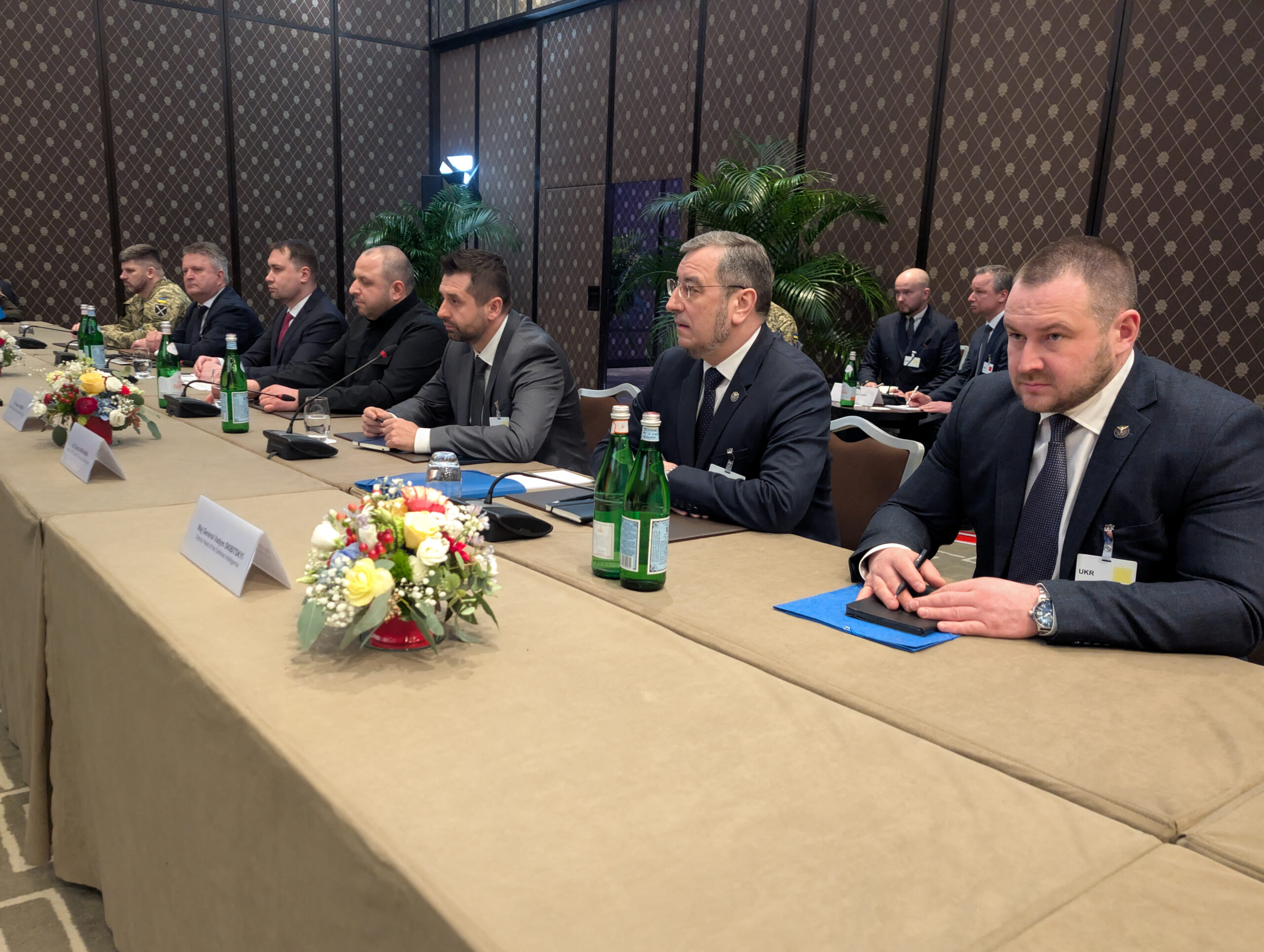
Geneva, Switzerland – A third round of high-stakes trilateral negotiations between Russia, Ukraine, and the United States commenced in Geneva on Wednesday, with U.S. special envoy Steve Witkoff signaling "meaningful progress" toward a potential resolution to the ongoing conflict. The talks, held behind closed doors, come as the four-year anniversary of Russia’s full-scale invasion of Ukraine approaches, casting a stark light on the protracted nature of the hostilities. While official statements offered a cautiously optimistic outlook, concrete details regarding the substance of discussions remained scarce, underscoring the deep-seated complexities inherent in achieving a lasting peace agreement.
The resumption of these critical discussions in the neutral territory of Geneva marks a significant diplomatic push, building upon two prior rounds of talks held in Abu Dhabi. Those earlier sessions, however, yielded limited tangible outcomes beyond facilitating prisoner-of-war and body exchanges between the warring nations. The fundamental disagreements, particularly concerning territorial concessions, continue to represent the most formidable obstacle to any comprehensive peace accord. The Kremlin’s persistent demand for control over the entire Donbas region, a territory it currently does not fully occupy, remains a non-starter for Kyiv, which is constitutionally bound to uphold its territorial integrity.
US Envoy Highlights Progress in Geneva Talks
U.S. special envoy Steve Witkoff, a key figure in the diplomatic efforts, shared a positive assessment of the initial stages of the Geneva talks via the social media platform X. He indicated that both Russian and Ukrainian delegations had agreed to brief their respective leaders and pledged to "continue working towards a deal." Witkoff specifically credited "President Trump’s success in bringing both sides of this war together" for fostering what he termed "meaningful progress," expressing pride in working under his leadership to de-escalate the violence. However, he refrained from divulging specific breakthroughs or concessions made during the discussions.
Ukraine’s chief negotiator, Rustem Umerov, echoed a sentiment of constructive engagement, expressing gratitude to the American counterparts for their "constructive engagement and readiness to work at a steady pace" through posts on X and Telegram. Umerov elaborated that following initial joint sessions, the delegations had transitioned to working in specialized groups, focusing on "practical issues and the mechanisms of possible solutions." He outlined his intention to debrief Ukrainian President Volodymyr Zelenskyy on the day’s outcomes and confirmed discussions with European partners as well.
Zelenskyy Questions Russian Commitment Amidst Attacks
Despite the diplomatic overtures in Geneva, Ukrainian President Volodymyr Zelenskyy voiced skepticism regarding Russia’s genuine commitment to a peace deal. In his nightly address, Zelenskyy pointed to significant Russian air attacks launched across Ukraine during the preceding night as evidence of Moscow’s true intentions. "This very clearly shows what Russia wants, and what it’s intent on," he stated, drawing a direct correlation between the intensified aerial bombardments and the sincerity of the ongoing peace talks.
Russian officials, however, refuted these criticisms, with Ministry of Foreign Affairs spokesperson Maria Zakharova attributing the perceived lack of progress to Kyiv and "Western Europe." Speaking to Russia’s TASS news agency, Zakharova asserted that Moscow had "proven many times" its genuine desire for peace. She emphasized the importance of "any step that could lead to, or lead down a path toward, a resolution to the situation," suggesting that external actors were hindering a genuine diplomatic breakthrough.
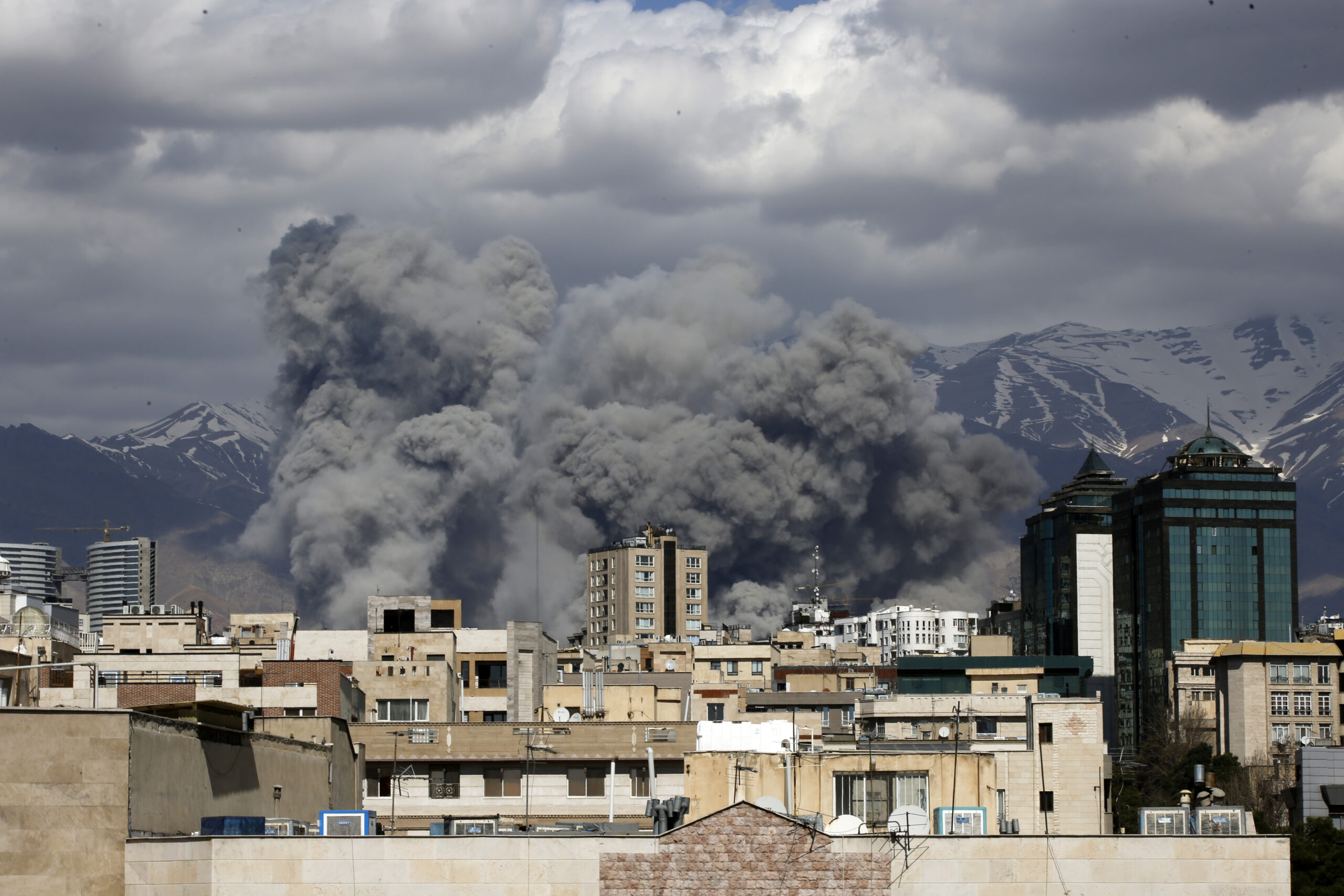
The persistent nature of the conflict, marked by ongoing military operations on both sides, casts a long shadow over the diplomatic proceedings. Hours before the Geneva talks commenced, Ukraine reported that Russia had launched a barrage of 29 missiles and 396 drones overnight, resulting in at least four fatalities and widespread power outages affecting tens of thousands in southern Ukraine. Further underscoring the grim reality on the ground, a Russian drone attack on a civilian vehicle in the Donetsk region claimed three lives just prior to Wednesday’s negotiations, according to the state’s emergency services. The Zaporizhzhia region also experienced a drone attack, leading to one fatality and six injuries.
Ukrainian Foreign Minister Andrii Sybiha characterized these attacks as stark evidence of "the extent to which Russia disregards peace efforts." Conversely, Russian authorities reported that Ukrainian shelling and drone attacks resulted in two deaths overnight on Wednesday and claimed to have successfully repelled over 150 Ukrainian drones in the preceding 24-hour period.
Geopolitical Underpinnings of the Geneva Negotiations
The core objective of the Geneva negotiations, as observed by Al Jazeera’s Kimberly Halkett from Washington, centers on achieving a negotiated settlement that upholds Ukraine’s sovereignty. This has presented a persistent challenge for the United States, which seeks to ensure Ukraine’s territorial integrity while simultaneously providing the long-term security assurances that Kyiv deems essential for its future. The delicate balancing act involves navigating the complex geopolitical landscape, where Russia’s security concerns and territorial ambitions clash directly with Ukraine’s right to self-determination and its aspirations for integration with Western alliances.
The international community, particularly European nations, has a vested interest in a swift resolution to the conflict, which has destabilized regional security and triggered a significant humanitarian crisis. The economic repercussions of the war, including disruptions to global energy and food markets, further amplify the urgency for a diplomatic breakthrough. The protracted nature of the conflict has also led to a substantial influx of refugees into neighboring European countries, placing considerable strain on their resources and social infrastructure.
Historical Context of Russia-Ukraine Relations
Understanding the current diplomatic impasse requires a deep dive into the historical trajectory of Russia-Ukraine relations, which have been fraught with tension since Ukraine’s independence from the Soviet Union in 1991. Russia has historically viewed Ukraine as part of its sphere of influence, a perspective that intensified following Ukraine’s pro-Western Maidan Revolution in 2014. This event precipitated Russia’s annexation of Crimea and its subsequent support for separatists in the Donbas region, marking the beginning of the protracted conflict.
The current negotiations in Geneva are not occurring in a vacuum. They are shaped by years of simmering animosity, territorial disputes, and diverging geopolitical orientations. Ukraine’s ambition to join NATO and the European Union has been a significant point of contention for Moscow, which perceives these moves as a direct threat to its national security. Russia, in turn, has sought to reassert its influence in its near abroad, often employing a combination of diplomatic pressure, economic leverage, and military force.
The role of the United States in these negotiations is multifaceted. As a key ally of Ukraine, Washington provides significant military and financial assistance to Kyiv. Simultaneously, its position as a global superpower allows it to engage with Russia diplomatically, aiming to de-escalate tensions and prevent a wider conflagration. The "meaningful progress" alluded to by Special Envoy Witkoff may signify shifts in diplomatic positioning or a greater willingness on both sides to explore potential compromises, even if those compromises are not yet publicly disclosed.
Potential Pathways to Peace and Lingering Obstacles
The path toward a sustainable peace agreement remains arduous, with numerous obstacles yet to be overcome. Beyond the territorial dispute, other critical issues include the status of Russian-speaking populations in Ukraine, the demilitarization of certain border regions, and the mechanisms for ensuring Ukraine’s future security. The psychological toll of the war on both populations also presents a significant challenge, as deep-seated grievances and mistrust have been cultivated over years of conflict.
For Ukraine, any peace deal must guarantee its sovereignty and territorial integrity, while also providing robust security assurances against future aggression. This often translates into demands for significant security guarantees from international partners, potentially including defense pacts or long-term military aid commitments. Russia, on the other hand, seeks to ensure its own security interests, which it argues are threatened by NATO expansion and the presence of Western military infrastructure near its borders.
The efficacy of the Geneva talks hinges on the willingness of both Moscow and Kyiv to engage in genuine compromise and to address each other’s core concerns, however divergent they may be. The involvement of the United States as a mediator is crucial, leveraging its diplomatic influence and its capacity to facilitate dialogue between the two parties. However, the ultimate success of these negotiations will depend on the political will of the leaders in Moscow and Kyiv to translate the discussions into concrete actions that lead to a cessation of hostilities and a lasting resolution.
The international community continues to monitor the developments in Geneva with a mixture of hope and apprehension. A diplomatic breakthrough could avert further bloodshed and alleviate the global economic pressures stemming from the conflict. Conversely, a failure to reach an agreement could prolong the suffering and potentially lead to further escalation, with devastating consequences for all involved and for global stability. The coming days and weeks will be critical in determining whether the talks in Geneva can indeed forge a pathway toward peace, or if the conflict will continue its grim trajectory.