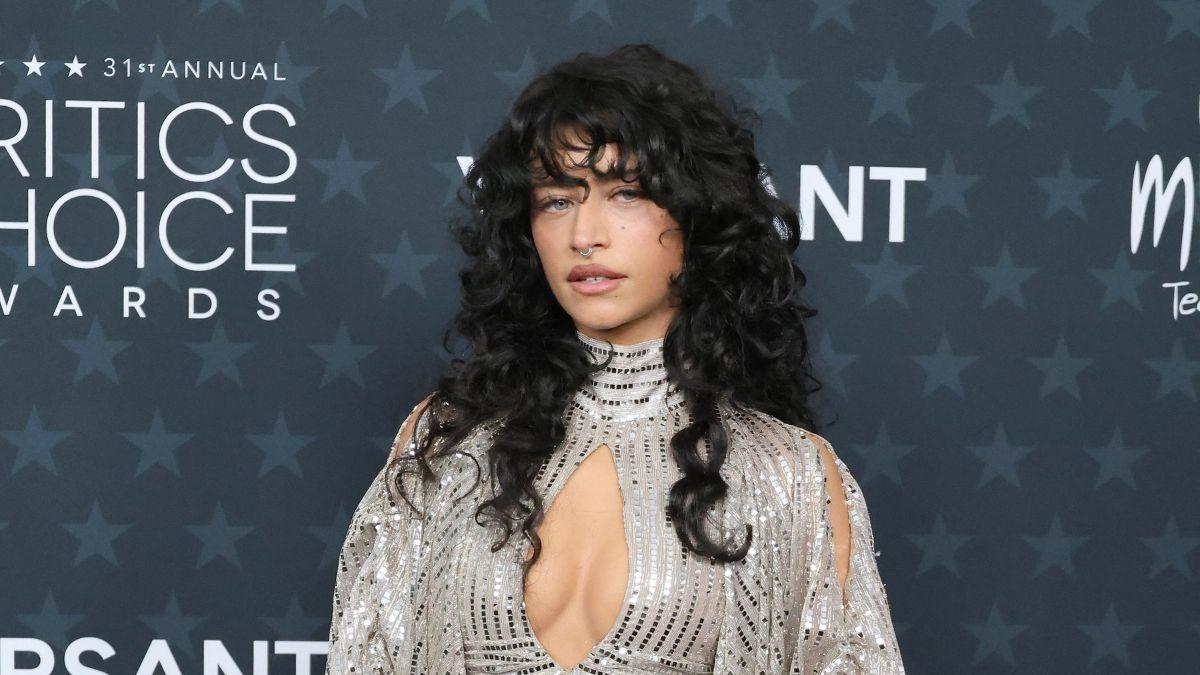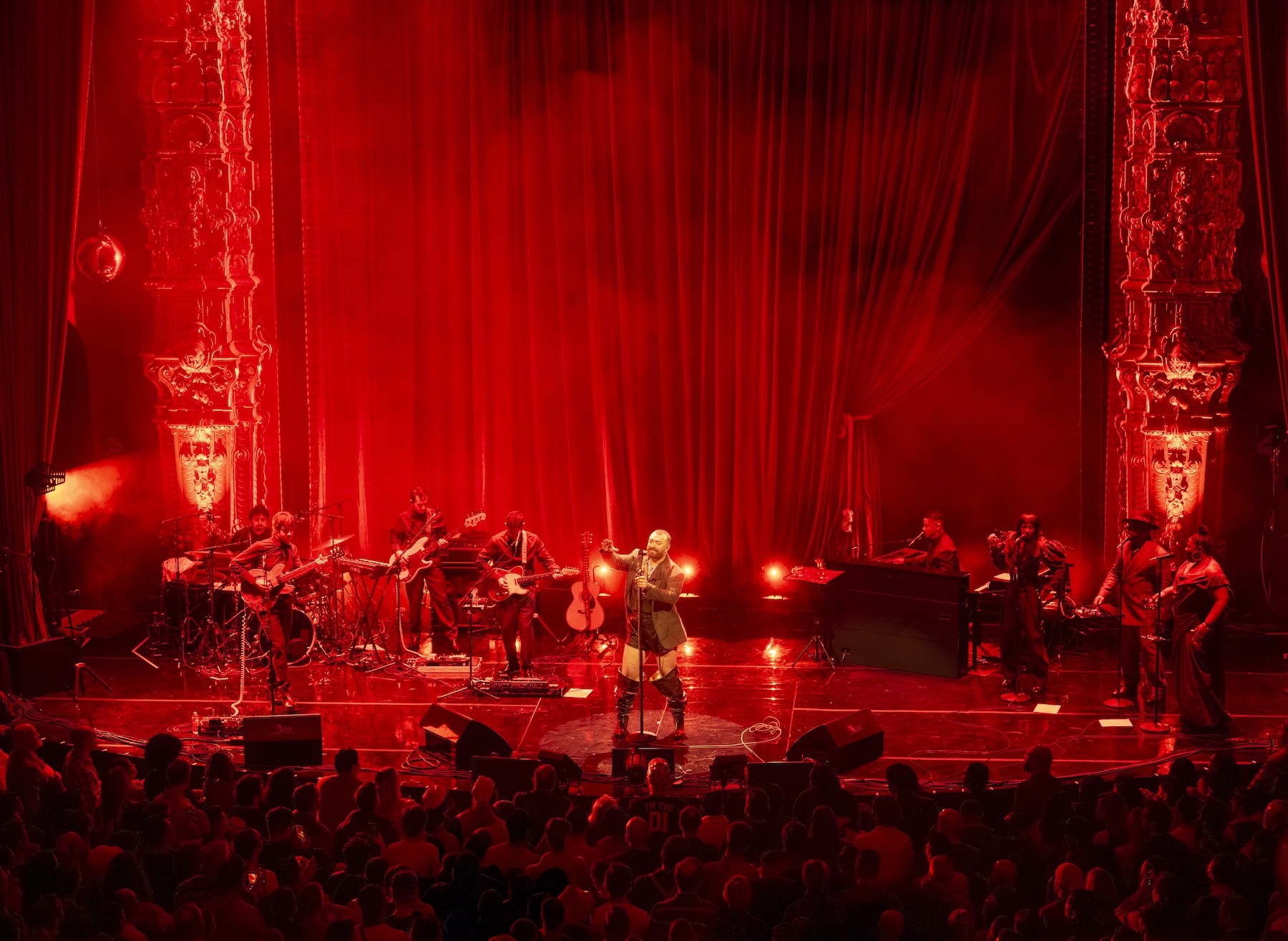
Sam Smith’s highly anticipated 20-date residency at the historic Castro Theatre in San Francisco has officially commenced, marking a pivotal moment for the century-old landmark and signaling a new era of revitalization for the city’s iconic predominantly queer neighborhood. The Grammy-winning artist’s extensive engagement is the marquee event ushering in the theatre’s grand reopening following an extensive $41 million renovation, aimed at restoring its architectural grandeur and enhancing its operational versatility.
The Castro Theatre, first established in 1922, stands as a venerable institution deeply embedded in San Francisco’s cultural and LGBTQ+ history. Its distinctive Spanish-style Baroque architecture, characterized by a meticulously gilded ceiling and ornate walls, has long captivated audiences. After closing its doors in 2024 for a comprehensive overhaul, the venue has now emerged from its transformation, boasting restored original designs and modern amenities designed to accommodate a diverse range of events.
A significant aspect of the renovation involved reimagining the theatre’s seating configuration. While retaining its classic charm, the venue now features reconfigurable seating, including 650 seats that can be removed to create ample standing room. This flexibility is particularly beneficial for contemporary music concerts like Sam Smith’s residency, allowing for a more dynamic audience experience. City officials and community leaders are hopeful that the theatre’s revival will act as a powerful catalyst for economic and cultural resurgence in the surrounding Castro district, a neighborhood that shares its name and its storied legacy with the venue.
Sam Smith’s Personal Connection to the Castro

During the second night of their sold-out residency, Sam Smith underscored the profound significance of the venue and its locale. Addressing the enthusiastic crowd, Smith articulated a deeply personal connection to the area. "Do you guys realize how special this street is?" Smith asked, later adding, "I grew up in a village in the middle of f—in’ nowhere. I was the only gay in the village and yes I was very dramatic about it as well." This candid reflection resonated strongly with an audience in a neighborhood historically recognized as a haven for the LGBTQ+ community.
Smith emphasized the unique atmosphere of the district, stating, "There is nothing like this street and nothing like the Castro and the community here." The artist also shared a long-standing personal history with the area, noting, "I’ll never forget coming here when I was 20 years old, so reopening this theater now is such an honor." This sentiment highlights the cultural weight of the Castro as a destination for queer individuals seeking community and belonging, reinforcing the idea that the residency is more than just a series of concerts; it is a cultural moment.
The current San Francisco stint follows Smith’s previous residency, "To Be Free: New York City," which took place last fall at Brooklyn’s historic Warsaw club. This pattern of engaging with historically significant venues underscores Smith’s commitment to not only performing but also embedding their art within culturally rich urban landscapes. The Castro Theatre is set to host a lineup of other notable artists this spring, including Father John Misty, José González, Santigold, and Lucy Dacus, further cementing its return as a premier live music destination. Additionally, the theatre will play a central role in celebrating the 50th anniversary of the LGBTQ-themed Frameline Film Festival this June, reinforcing its foundational ties to the queer community.
Economic Revival for a Historic Neighborhood
The impact of Sam Smith’s San Francisco residency and the Castro Theatre’s reopening extends far beyond the entertainment sector, driving significant economic revitalization for the surrounding neighborhood. Tourism officials and local businesses have already reported a noticeable increase in visitors and commercial activity in the area. This influx is a welcome development for the Castro district, which has faced various economic challenges in recent years.

Mat Schuster, executive chef and owner of Canela, a long-standing Spanish restaurant on Market Street since 2011, noted a substantial boost in business. Schuster reported that the restaurant has been "very busy" in recent weeks, directly attributing the increased patronage to Smith’s performances. Similarly, other local hotspots, including the wine bar Bar49, the San Francisco outpost of Hi Tops, and Rikki’s, a women’s sports bar named after Gay Games Federation founder Rikki Streicher, have experienced packed evenings following Smith’s concerts. These establishments, deeply woven into the fabric of the Castro’s social scene, are seeing renewed vibrancy.
San Francisco Tourism has projected that the Castro Theatre’s reopening is poised to deliver "meaningful economic gains" to the neighborhood, with some estimates suggesting the venue could draw more than 200,000 visitors annually. This anticipated surge in tourism and local spending is expected to support existing businesses, potentially foster new ones, and create employment opportunities within the district, solidifying the theatre’s role as a key economic engine.
The Castro’s Enduring Legacy and Future Aspirations
Beyond the immediate impact of the Sam Smith residency, the reopening of the Castro Theatre coincides with a broader push to honor and evolve the neighborhood’s significant cultural legacy. Local officials are actively planning for upcoming celebrations and urban development projects that reflect the district’s historical importance and future aspirations. One such initiative is the planned reimagining of the iconic Castro and Market Street intersection into The Memorial at Harvey Milk Plaza. This memorial will honor Harvey Milk, California’s first openly gay elected official, whose life and activism inspired the acclaimed 2009 Sean Penn film.
Milk’s enduring legacy is already enshrined at San Francisco International Airport, where Terminal 1 bears his name as the "Harvey Milk Terminal." The new memorial at Harvey Milk Plaza, scheduled for completion by 2028, will further cement his place in the city’s public consciousness and serve as a powerful reminder of the struggles and triumphs of the LGBTQ+ rights movement. Additionally, the annual Castro Street Fair, a community celebration founded by Harvey Milk himself in 1974, continues to thrive, taking place on the first weekend of October and drawing thousands to the vibrant streets. These initiatives collectively underscore the Castro’s unwavering commitment to its history while actively shaping its future as a beacon of queer culture and activism.

San Francisco’s Broader Cultural and Culinary Renaissance
The reopening of the Castro Theatre and the Sam Smith residency unfold amidst a period of significant cultural and economic dynamism across San Francisco. The city recently hosted the Super Bowl, drawing numerous athletes and celebrities, and further highlighting its capacity as a major event destination. This broader influx of high-profile events and new establishments contributes to a narrative of a city in robust recovery and evolution.
Among the city’s burgeoning hotspots is The Eighth Rule, NBA star Steph Curry’s new speakeasy, which gained significant traction during the Super Bowl weekend and continues to be a highly sought-after reservation. Tucked away in a discreet hallway within the Westin St. Francis hotel in Union Square, the bar offers an intimate and exclusive setting. It showcases Curry’s Gentleman’s Cut Bourbon, available either on its own or as part of a six-course omakase-style cocktail tasting, featuring inventive concoctions like a clarified coconut milk punch and a truffle-vanilla whiskey sour. Guests can also select from a comprehensive menu of bourbons, whiskeys, and other spirits.
Adjacent to The Eighth Rule is Bourbon Steak San Francisco, the latest outpost of Chef Michael Mina’s award-winning steakhouse. This establishment marks Chef Mina’s return to the Westin St. Francis, where he first opened his eponymous restaurant in 2004. Beyond its acclaimed selection of steaks, seafood, and caviar offerings—including Mina’s famous "caviar twinkee"—this particular Bourbon Steak location distinguishes itself by offering a unique family-style dining experience for six, available through advance reservations, making it the only Bourbon Steak venue to provide this communal format.
Further contributing to San Francisco’s evolving culinary landscape is the highly anticipated opening of JouJou this month. This elevated French brasserie concept comes from the acclaimed owners of the two Michelin-starred Lazy Bear. Located in the city’s Design District, JouJou is quickly positioning itself as a potential celebrity hangout, with its ornate dining room and elegant marble-topped counters providing a sophisticated backdrop for classic steak frites and high-profile sightings. Chef David Barzelay, speaking to the San Francisco Chronicle about his inspiration for JouJou, encapsulated its essence, stating, "It always feels like you’re just in a place where it’s happening."

The confluence of these cultural milestones—from Sam Smith’s landmark residency at the Castro Theatre to new high-profile dining and entertainment venues across the city—signals a vibrant period for San Francisco. These developments collectively enhance the city’s appeal as a destination for arts, culture, and hospitality, reinforcing its status as a dynamic urban center embracing both its rich history and its forward-looking aspirations. The Sam Smith San Francisco residency stands as a powerful symbol of this broader renaissance, drawing attention and investment to a community poised for renewed prominence.