Ten years after the untimely passing of beloved Star Wars actress Carrie Fisher, the harrowing details of her autopsy report have once again drawn public attention, particularly reigniting discussions surrounding her brother Todd Fisher’s profound distress over the findings’ emphasis. The resurfacing of these intimate medical records on the tenth anniversary of her death, which occurred on December 27, 2016, brings renewed focus to the complex health struggles of the iconic screen legend and the enduring grief of her family.
The Tragic Final Days of a ‘Star Wars’ Icon
Carrie Fisher, renowned globally for her portrayal of Princess Leia Organa, died at the age of 60 following a severe medical emergency. The incident unfolded on December 23, 2016, when Fisher suffered cardiac arrest aboard a commercial flight en route from London to Los Angeles, just days before Christmas. Upon the plane’s landing, paramedics swiftly transported her to a nearby hospital where she was placed under intensive medical care. Despite the best efforts of medical professionals, the actress succumbed to her condition four days later, leaving fans and the entertainment world in profound shock and mourning. Her death was announced through a heartbreaking statement released by her daughter, Billie Lourd, confirming the loss of a mother, an artist, and a cultural touchstone.
Unveiling the Carrie Fisher Autopsy Report
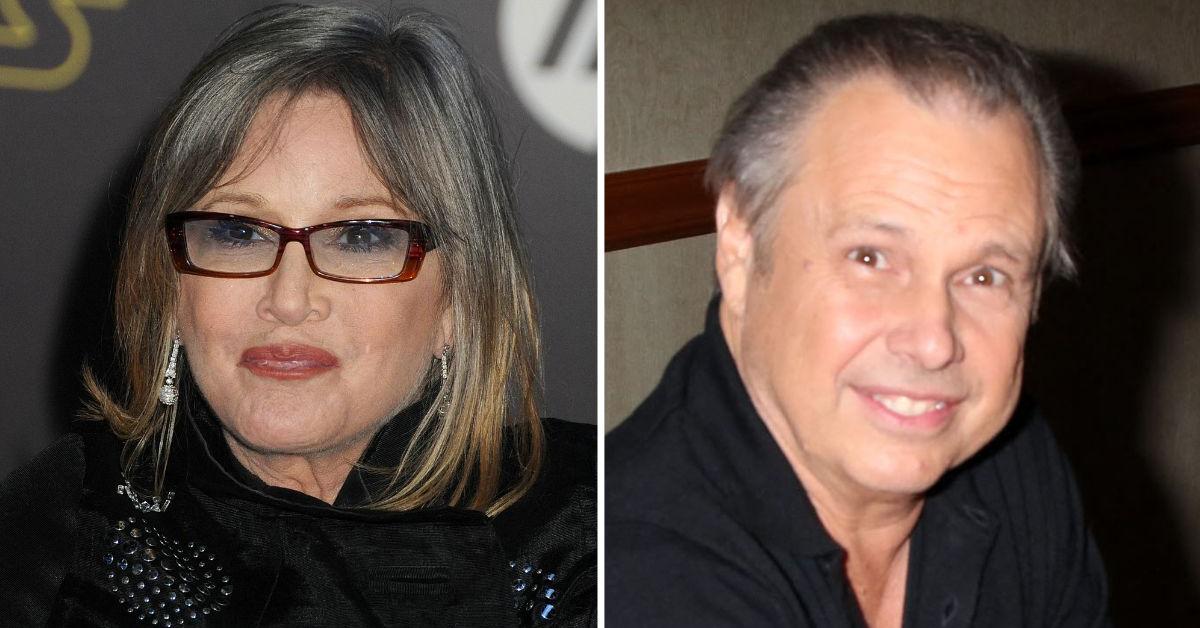
Months after her passing, in June 2017, the Los Angeles County medical examiner-coroner released the official autopsy report, providing insights into the circumstances of Fisher’s death. The report listed the primary cause as sleep apnea and other undetermined factors, while also noting heart disease and drug use as contributing conditions. However, the report stated that the precise significance of these contributing factors could not be definitively established, a nuance that would later become central to her family’s concerns.
The release of these findings, especially the toxicology report, immediately sparked intense scrutiny and widespread media coverage. Public attention gravitated toward the mention of various substances found in Fisher’s system, igniting a fresh wave of speculation about her health and lifestyle choices. This focus, while factual, proved deeply unsettling for those closest to her, particularly her brother, Todd Fisher.
Todd Fisher’s Outcry Against Autopsy Emphasis
At the time of the autopsy’s initial release, Todd Fisher openly voiced his profound disagreement with the media’s concentrated emphasis on his sister’s drug use. He argued passionately that such a singular focus distorted the broader reality of Carrie’s intricate medical history and the immense, decades-long pressures she navigated throughout her life. His poignant remarks, now echoing a decade later, highlight his family’s struggle for a more holistic understanding of her passing.
"I would tell you, from my perspective that there’s certainly no news that Carrie did drugs," Todd Fisher stated, challenging the sensationalized narrative. He emphasized that for anyone familiar with his sister’s public struggles, the presence of substances was not a revelation. He continued, "If you want to know what killed her, it’s all of it," a powerful testament to the multifaceted nature of her health challenges. Todd asserted that isolating one element, such as drug use, ignored the complex interplay of factors that ultimately contributed to her death, including her well-documented battles with mental illness and the relentless demands of fame.
The Full Scope of Carrie Fisher’s Health Battles
The toxicology findings detailed in the Carrie Fisher autopsy report indicated the presence of several substances in her system. These included trace amounts of heroin, alongside cocaine, methadone, MDMA (ecstasy), alcohol, and opiates. While the report confirmed their presence, the medical examiner explicitly noted that the role these substances played in her passing could not be conclusively determined. This crucial distinction often became lost in the immediate media fervor surrounding the toxicology results.
Todd Fisher further underscored the complexity of his sister’s health by drawing attention to the prescribed medications she took to manage her bipolar disorder. The death report listed medications such as Abilify, Lamictal, and Prozac, all critical for treating a severe mental health condition. He defended the medical efforts to manage her illness, stating, "They were doing their best to cure a mental disorder. Can you really blame them?" His comments highlighted the often-overlooked aspect of her daily struggle: the diligent management of a chronic mental illness, which often involves a delicate balance of potent pharmaceuticals. For Todd, reducing Carrie’s life and death to merely a discussion of illicit drug use was a profound disservice to her journey and the comprehensive nature of her health challenges. He candidly remarked, "Without her drugs, maybe she would have left long ago. I am not shocked that part of her health was affected by drugs."
A Legacy Defined by Candor and Wit
Beyond the tragic circumstances of her death, Carrie Fisher cultivated an extraordinary legacy marked by profound candor, sharp wit, and an unyielding commitment to authenticity. She rose to international fame as Princess Leia in the original Star Wars trilogy, a role that reshaped perceptions of female heroism in popular culture. Her portrayal of a defiant, intelligent, and capable princess became an enduring icon for generations.

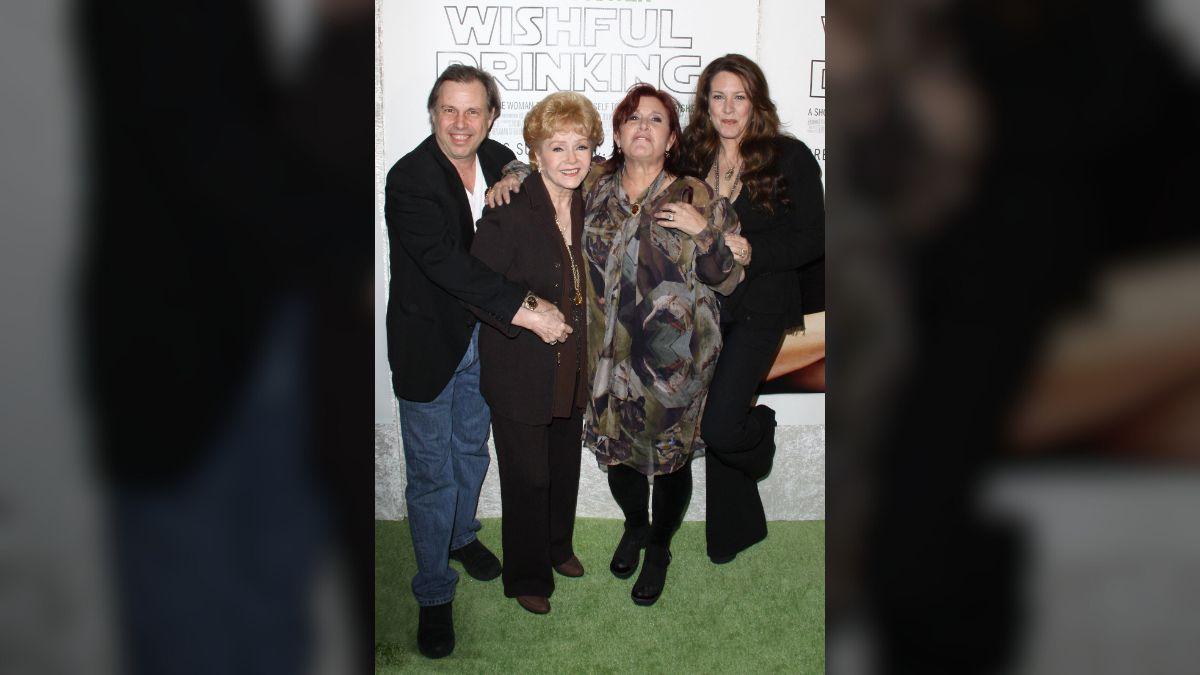
However, Fisher’s impact extended far beyond her acting career. She was a celebrated author, penning best-selling memoirs and novels, and a highly sought-after script doctor, lending her distinctive voice and incisive humor to numerous Hollywood productions. Throughout her life, Fisher was remarkably open about her struggles with bipolar disorder and addiction, using her platform to reduce the pervasive stigma surrounding these conditions. Her memoirs, particularly "Wishful Drinking," masterfully blended comedy with pain, transforming her personal battles into compelling art that resonated with millions.
One of Fisher’s most famous and characteristic pieces of humor, found in "Wishful Drinking," revolved around a conversation with Star Wars creator George Lucas regarding her costume. Lucas reportedly told her she couldn’t wear a bra under her Princess Leia costume "because there’s no underwear in space." This exchange famously inspired a darkly humorous wish for how she hoped to be remembered: "I tell my younger friends that no matter how I go, I want it reported that I drowned in moonlight, strangled by my own bra." This iconic line continues to circulate as a powerful reminder of the unique wit with which she confronted fame, illness, and ultimately, her own mortality.
Billie Lourd’s Heartbreaking Confirmation
The world received the devastating news of Carrie Fisher’s passing through a statement released on behalf of her daughter, Billie Lourd. On December 27, 2016, the statement read, "It is with a very deep sadness that Billie Lourd confirms that her beloved mother Carrie Fisher passed away at 8:55 this morning. She was loved by the world and she will be missed profoundly. Our entire family thanks you for your thoughts and prayers." The message underscored the immense personal loss experienced by her family, even as millions mourned the global icon. The public outpouring of grief and support highlighted the deep connection fans felt with Fisher, not just as Princess Leia, but as a relatable, authentic, and brave individual who shared her vulnerabilities.
Broader Implications: Addiction, Mental Health, and Hollywood Pressure
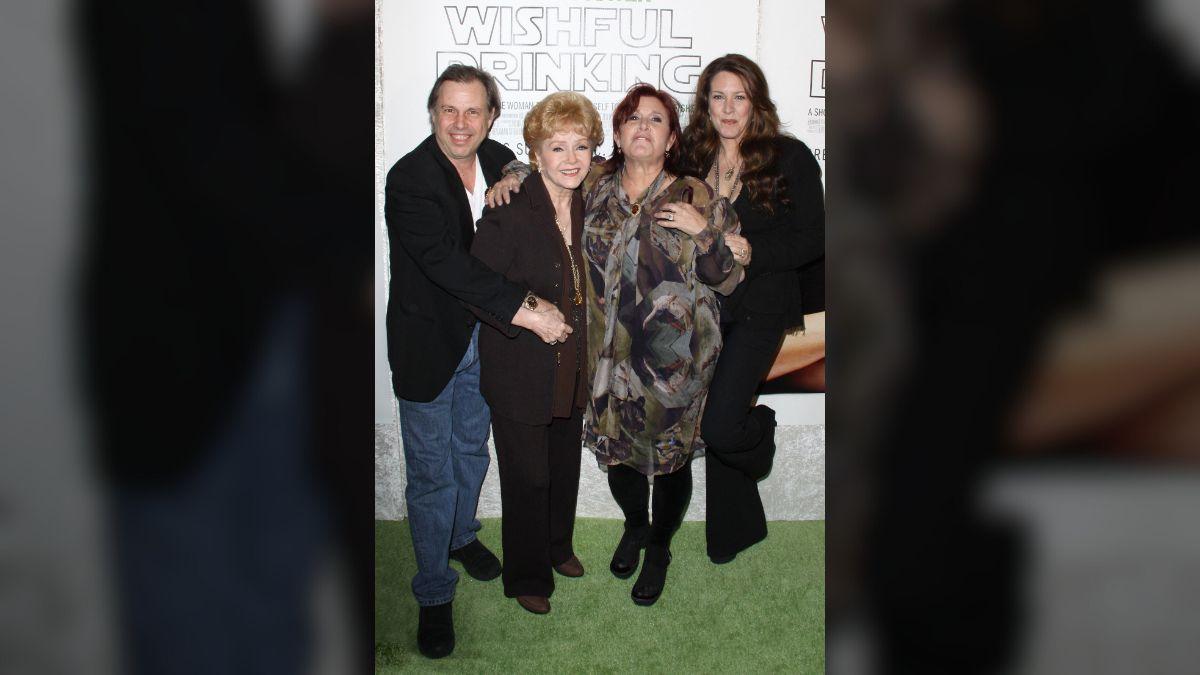
The renewed attention to Carrie Fisher’s autopsy details on the tenth anniversary of her death inevitably reopens broader conversations about addiction, mental health, and the unique pressures faced by individuals in the public eye, particularly within the entertainment industry. Fisher’s candidness throughout her life had already made her a powerful advocate for mental health awareness, and her post-mortem narrative continued to fuel this important dialogue.
Her case brought into sharp relief the complexities of co-occurring mental health and substance use disorders, demonstrating how intertwined these challenges often are. Todd Fisher’s insistence on considering "all of it" speaks to the critical need for a nuanced understanding that avoids oversimplification. In a society that frequently sensationalizes celebrity struggles, Fisher’s story served as a potent reminder of the human cost behind the headlines. It highlighted the immense pressure on actors to maintain a certain image, manage personal demons under public scrutiny, and navigate a demanding industry that often exacerbates pre-existing vulnerabilities. For many grappling with similar issues, Fisher’s openness offered solace and a sense of shared experience, solidifying her role as an accidental but influential mental health pioneer.
The Enduring Impact of a Cultural Icon
As the tenth anniversary of Carrie Fisher’s death prompts a re-examination of her autopsy and legacy, her profound impact as a cultural icon remains undiminished. Her portrayal of Princess Leia cemented her place in cinematic history, but her true enduring power lies in her courageous decision to live an authentic life in the public sphere, complete with its triumphs and profound struggles. Fisher’s unwavering honesty about her bipolar disorder and addiction broke down barriers, fostering greater empathy and understanding for millions who faced similar battles.
Her life and death continue to be subjects of public interest and analysis, not merely for the tragic circumstances, but for the lessons they impart about resilience, vulnerability, and the human spirit. Todd Fisher’s original plea for a holistic understanding of his sister’s struggles resonates more powerfully than ever, urging us to remember Carrie Fisher not just for the details of her final medical report, but for the richness of her multifaceted life, her groundbreaking work, and her indelible mark on both Hollywood and the discourse surrounding mental wellness. Her wit, wisdom, and bravery continue to inspire, ensuring that the voice of Princess Leia, the writer, and the advocate will echo for generations to come.