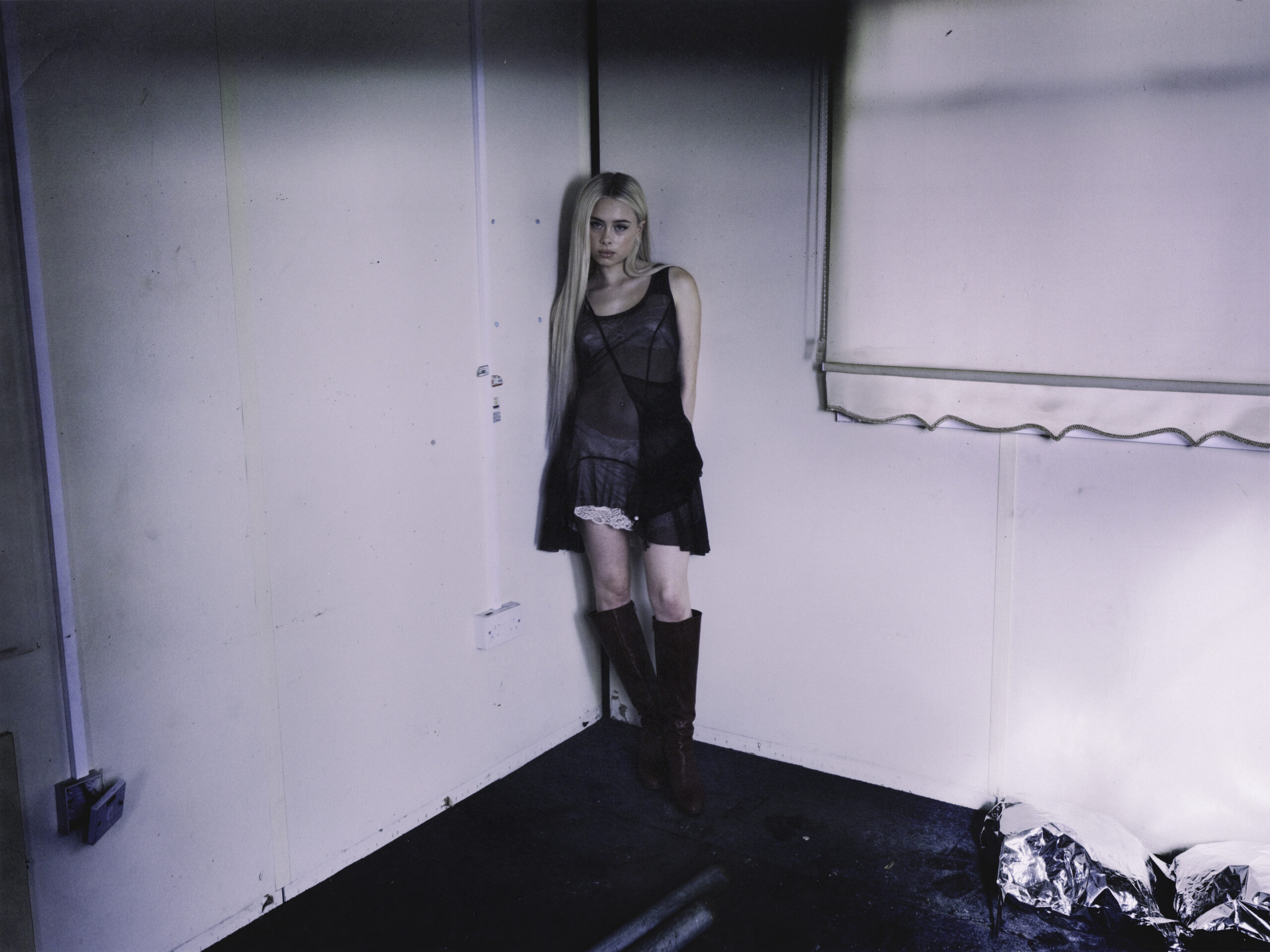
British pop singer Erin LeCount, whose latest EP Pareidolia debuted on February 27, is navigating a significant period of growth and artistic consolidation. Following a successful inaugural U.S. tour, the 23-year-old artist is gaining recognition for her distinctive sound, deeply personal songwriting, and commitment to producing her own music. LeCount recently shared insights into her creative process, the existential themes explored in Pareidolia, and her profound appreciation for the passionate community of fans, particularly teenagers, who have embraced her work and propelled songs like "Silver Spoon" into viral popularity through fan edits linked to shows such as Heated Rivalry.
LeCount’s journey into music began at a young age, sparked by a formative teacher. Her early talent led her to compete in the U.K. edition of The Voice Kids, where she finished as a runner-up in the first season after reaching the finale. Despite this early exposure, LeCount admits to experiencing significant imposter syndrome during her time on the show, largely due to a lack of formal training. This feeling of disconnect from the traditional music world would later fuel her drive for artistic autonomy.
By age 17, LeCount discovered music production, a pivotal moment that reshaped her career trajectory. This newfound passion allowed her to take full ownership of her sound and creative vision. The commitment to self-production, she explains, was born out of a desire to overcome insecurities and ensure her artistic expression remained uncompromised by external influences.
The Landscape for Female Producers
The music industry has long been criticized for its pervasive misogyny, particularly within the male-dominated field of production. LeCount directly addresses this challenge, noting the additional layer of skepticism and difficulty faced by female artists seeking control over their creative output. Her initial experiences in recording sessions, often with older male producers, left her feeling unable to fully open up or articulate her vision. This environment prompted a strong internal need to understand the technical aspects of music creation.

Her decision to delve into production was a direct response to this perceived power imbalance. She felt a profound discomfort with the idea of someone else steering her music without her complete comprehension. What began as an effort to learn the basic language of production to better communicate her desires evolved into a deep passion. LeCount describes losing hours in the "rabbit hole" of production, finding a natural affinity for the process that has since become an inherent part of her music. While she has become more comfortable with collaboration, she maintains that her most truthful and authentic work emerges when she initiates the creative process independently, free from external sway.
Music as Self-Discovery and Therapy
For LeCount, songwriting is more than just a creative outlet; it serves as a crucial method for self-awareness and processing life experiences. She describes music creation as a "flow state," particularly when switching between writing lyrics and manipulating sounds on a computer. This dynamic process often reveals subconscious thoughts and emotions that she was previously unaware of. The resulting songs act almost like therapy notes, offering an "untangling of thoughts" that allows her to understand herself and her mind more clearly.
This deeply personal approach means her music is often raw and unfiltered. She acknowledges a struggle to censor these revelations, which emerge from an almost subconscious place before being recorded. Playing her music back becomes a form of self-reflection, a unique communication not just to others but also an essential method for navigating her own internal landscape. In a fast-paced life, the quiet solitude of working at her computer becomes her primary time for deep reflection.
Unpacking Pareidolia: A Descent into Self-Examination
LeCount’s latest EP, Pareidolia, released on February 27, is a thematic exploration of a "downward spiral" or a "relapse of some sort." The title itself, Pareidolia, refers to the human tendency to perceive meaningful patterns or images in random or ambiguous stimuli, such as seeing shapes in clouds or a face on the moon. LeCount expertly weaves this concept throughout the album, using it as a metaphor for distorted perceptions and the brain’s inclination to revert to known patterns when grappling with confusion or a lack of control.

The EP charts a "slow progression of losing your perspective and beginning to see lies in yourself through a really distorted lens." LeCount explains that creating Pareidolia was a cathartic experience, allowing her to "act out all those self-destructive tendencies through the music rather than engaging with them personally." Having lived through such sequences of events numerous times, she aimed to produce something productive and reckless from those impulses.
Individual tracks on Pareidolia delve into specific facets of this internal struggle:
- "I Believe": The opening track, "I Believe," addresses profound existential questions about purpose and meaning. LeCount notes her frequent lyrical references to "God," despite her own uncertainty about faith, highlighting an ongoing theme of untangling complex spiritual and identity questions. The song serves as a "big question mark," opening a conversation about self-identity and the search for a greater purpose.
- "Don’t You See Me Trying?": Following "I Believe," this track explores feelings of being out of control and the reversion to old, self-destructive habits as a misguided attempt to regain agency. It reinforces the EP’s theme of questioning one’s place in the grand scheme of things, portraying a desperate "clutching at straws" to control what little can be controlled, even if that drive is "poisonous" or "scary."
- "Alice": Positioned as the final track, "Alice" is described as a "gut punch" that explores a complex relationship with another person who mirrors one’s own undesirable traits and shared vices. LeCount highlights the intense, often isolating bond formed when two individuals struggle with similar issues, making them both uniquely understanding and potentially detrimental to each other. The songwriting process for "Alice" was lengthy and challenging, as LeCount strived for a fair portrayal of both parties, navigating blame, love, and the pervasive influence of shared struggles. She emphasizes the universality of this difficult scenario, where one person can bring out all aspects of oneself, both good and bad, creating a confronting experience.
The Unforeseen Impact of Fan Edits and ‘Heated Rivalry’
Social media has played an indispensable role in expanding LeCount’s reach and fostering a vibrant community around her music. One striking example is the unexpected resurgence of her song "Silver Spoon," which gained a second wind through fan-made edits. Enthusiasts of the romance novel Heated Rivalry began using "Silver Spoon" in their TikTok edits, creating a viral phenomenon that introduced LeCount’s music to a vast new audience.
LeCount expresses profound gratitude for this organic connection. She notes the initial, almost "selfish" belief that her songs were specific only to her experiences, quickly dispelled by the way fans universalized "Silver Spoon" to resonate with their own lives, shows, and films. This phenomenon resonated deeply with LeCount, who discovered much of her own beloved music during the Tumblr era through fandom edits. She views these fan edits as incredibly valuable and time-intensive creative works, acknowledging that fandoms are often the primary reason people discover her music and subsequently explore her broader catalog. The comfort and importance of seeing oneself and one’s situations reflected in music and media are central to her appreciation for this fan-driven engagement.
Cultivating a Space for "Hysterical" Teens

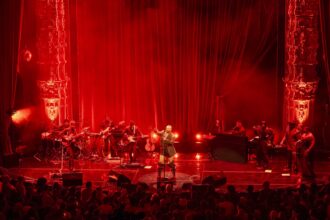
LeCount’s recent U.S. tour provided a tangible illustration of her growing fanbase, particularly among passionate teenagers and young adults. During her Valentine’s Day weekend shows at The Roxy in West Hollywood, she captivated audiences with a commanding stage presence, dressed in ethereal white to match her long, blonde hair. A unique aspect of her live performance involves her producing music onstage, at one point directing the audience to belt out a note, which she then records and transforms into the beat for her next song.
Observing her concerts, it’s clear that LeCount has cultivated a dedicated following. She describes her core demographic—teens and people in their mid-20s—as those who "ride harder or feel more intensely about things." She cherishes the opportunity to meet these "passionate, creative people" who expand on her songs, building entire worlds and friendships around the music. LeCount firmly believes in the importance of providing spaces where young women and teens are "encouraged to be that hysterical in the best way."
She highlights the collective power of built-up emotion and shared experiences, emphasizing the vital role of live shows in facilitating a release of these feelings among friends and fellow fans. LeCount reflects on her own youth, wishing she had had access to such a community and a space to express intense passion without cynicism. She recognizes that for many young people, if these emotions are not channeled through such outlets, "where else does it go?" This perspective underscores her commitment to fostering a supportive and affirming environment for her audience, believing it can combat the feelings of loneliness she often sings about.
LeCount is a vocal advocate for recognizing the cultural power of teen fans. She asserts that young women are the true "tastemakers, the dictators" of pop culture, driving trends and serving as the foundation upon which much of the music industry thrives. She argues that these influential audiences should be met with respect, appreciation, and reward for their significant contributions to shaping popular music. As Erin LeCount continues to evolve as an artist, her blend of introspective songwriting, self-produced innovation, and deep connection with her audience positions her as a distinctive and impactful voice in the contemporary music landscape.