Full Circle, the Electronic Arts-owned studio tasked with reviving the iconic Skate franchise, has confirmed a workforce reduction at its headquarters in Burnaby, British Columbia. The restructuring occurs as the studio continues development on the latest iteration of the skateboarding series, which has been one of the most anticipated titles in the publisher’s upcoming pipeline. This move aligns with a broader trend of downsizing within the global interactive entertainment industry, which has seen tens of thousands of positions eliminated over the past 18 months.
The announcement was made through a public-facing update titled "skate.’s Next Chapter," where leadership acknowledged the departure of several team members. While the company did not disclose the exact number of employees affected by the layoffs, the statement characterized those departing as "talented colleagues and friends" who were instrumental in building the foundation of the new game. The studio emphasized that the decision was part of a necessary organizational shift to ensure the long-term sustainability of the project.
Full Circle was established by Electronic Arts (EA) in 2021 specifically to handle the resurrection of the Skate brand, which had been dormant for over a decade. Based in the Vancouver area, the studio was staffed with industry veterans and new talent alike, all focused on creating a modern, live-service entry into the franchise. The timing of these layoffs has raised questions among industry analysts regarding the current state of the game’s development and its eventual trajectory toward a full commercial launch.
Broader Trends Impacting ‘Skate’ Developer Full Circle
The job cuts at Full Circle do not exist in a vacuum, as the gaming industry continues to grapple with post-pandemic market corrections and rising development costs. Just one week prior to the Full Circle announcement, Ubisoft Toronto reported the layoff of 40 employees as part of a similar restructuring effort. These consecutive hits to major Canadian development hubs highlight the volatility currently facing AAA studios across North America.
Electronic Arts, the parent company of Full Circle, has been aggressive in its efforts to streamline operations throughout 2024. Earlier this year, the publishing giant announced it would reduce its total global workforce by approximately five percent, a move that resulted in nearly 670 lost jobs. These corporate-level decisions often trickle down to individual subsidiaries, even those working on high-profile intellectual properties like Skate.
The economic climate for major game publishers has shifted significantly since the project was first greenlit. High interest rates, a saturated market for live-service titles, and the ballooning budgets required for modern high-fidelity games have forced many companies to reconsider their headcount. For Full Circle, this means navigating the final phases of development with a leaner team, even as player expectations for the new Skate remain at an all-time high.
The Legacy and Revival of the Skate Franchise
To understand the weight of the layoffs at Full Circle, one must look at the historical significance of the Skate series. When the original game debuted in 2007, it revolutionized the genre by introducing the "Flick-it" control scheme. Unlike the arcade-style, button-mashing mechanics of the Tony Hawk’s Pro Skater series, Skate utilized the analog sticks to mimic the actual foot movements of a skateboarder, offering a more grounded and realistic simulation.
The franchise saw two successful sequels, Skate 2 and Skate 3, which solidified its cult-classic status and won numerous accolades, including "Sports Game of the Year" honors. However, following the release of the third installment in 2010, the series went on an indefinite hiatus. For years, fans lobbied Electronic Arts on social media, famously flooding the comment sections of every EA post with the demand "Skate 4," until the company finally relented and announced the new project in 2020.
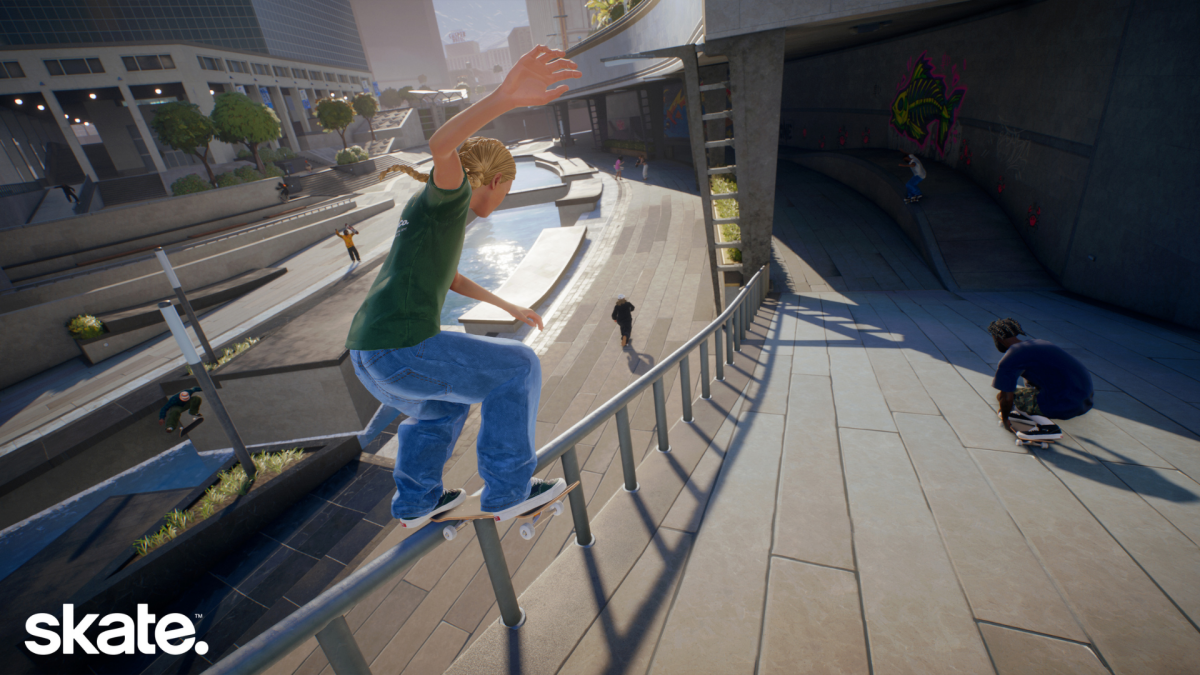
The new iteration, simply titled skate. (with a lowercase ‘s’ and a period), was designed to be a departure from the traditional release model. Instead of a boxed product with a set price, Full Circle envisioned a free-to-play, evolving platform set in the fictional city of San Vansterdam. This pivot to a live-service model was intended to keep the community engaged for years, but it also introduced a level of complexity in development that the studio is now forced to manage with a reduced staff.
Challenges Facing the ‘Skate’ Developer Full Circle During Development
The development of the new Skate has been characterized by an unusually transparent approach. Full Circle has hosted multiple "playtesting" phases, allowing tens of millions of players to explore early, unpolished versions of San Vansterdam. While this has fostered a dedicated community, it has also exposed the game to early criticism regarding its monetization and technical direction.
Early reviews from playtesters have been decidedly mixed, particularly concerning the inclusion of microtransactions. Reports of high-priced digital cosmetics, such as $25 clothing items for player avatars, have sparked debate within the community about the fairness of the free-to-play model. Additionally, the requirement for an "always-online" connection has been a point of contention for fans who preferred the single-player, offline experience of the original trilogy.
Critics have also noted a perceived "homogenization" in character designs and a departure from the gritty, counter-culture aesthetic that defined the earlier games. Despite these concerns, many players have praised the fluidity of the new movement systems and the accessibility of the free-to-play entry point. The challenge for Full Circle moving forward will be balancing these conflicting player demands while operating under the constraints of a restructured workforce.
The Shift to a Live-Service Ecosystem
The decision to make skate. a live-service title is a central component of EA’s modern business strategy. In a live-service model, the game is never truly "finished" but is instead updated continuously with new content, challenges, and social features. This requires a dedicated team to maintain servers, create new assets, and respond to player feedback in real-time.
Layoffs at this stage of development can be particularly disruptive for live-service projects. If the team responsible for long-term content creation is reduced, it could lead to slower update cycles or a lack of variety in the game’s seasonal offerings. Full Circle has maintained that the core vision for the game remains intact, but the reduction in personnel suggests a more focused, perhaps narrower, scope for the initial launch phase.
Impact on the Burnaby Gaming Sector
The layoffs at Full Circle also have local implications for the British Columbia tech sector. Burnaby and Vancouver have long been recognized as global hubs for video game development, housing major studios like EA Vancouver, Relic Entertainment, and The Coalition. When a high-profile studio like Full Circle reduces its headcount, it affects the local labor market and the broader ecosystem of specialized talent in the region.
The Vancouver area has seen a series of industry contractions over the past year, mirroring the global trend. While the city remains a premier destination for game development due to tax incentives and a deep talent pool, the recent instability at Full Circle and other local firms indicates a period of cooling for what was once a rapidly expanding sector.
Future Outlook for the New Skate Release
Despite the restructuring, Full Circle has reiterated its commitment to the project and its community of playtesters. The studio continues to gather data from its "Insider" program, using player feedback to tune the physics and social mechanics of the game. However, a definitive release date for the final version of skate. remains elusive, leading to speculation that the layoffs may be tied to a shift in the production timeline.
The gaming industry is watching closely to see how Full Circle navigates the coming months. The success or failure of the new Skate will likely be seen as a bellwether for the viability of reviving legacy franchises as free-to-play, live-service platforms. If the game succeeds, it could provide a blueprint for other dormant EA properties; if it struggles, it may lead to further questions about the sustainability of the AAA live-service model.
For the departing employees, the future involves navigating a crowded job market where many of their peers are also seeking new opportunities. The studio’s public acknowledgment of their contributions serves as a small consolation in an industry that has become increasingly ruthless in its pursuit of efficiency. As for the players, they remain in a state of cautious anticipation, hoping that the "Next Chapter" for Skate eventually delivers the experience they have been waiting over a decade to play.
The story of Full Circle is currently a reflection of the broader contradictions in modern gaming: a studio working on a beloved, high-demand product while simultaneously being subjected to the harsh realities of corporate downsizing. As the industry moves toward the end of the fiscal year, the fate of the Skate revival will depend on the remaining team’s ability to deliver a polished product that honors the franchise’s legacy while meeting the rigorous financial demands of its parent company.