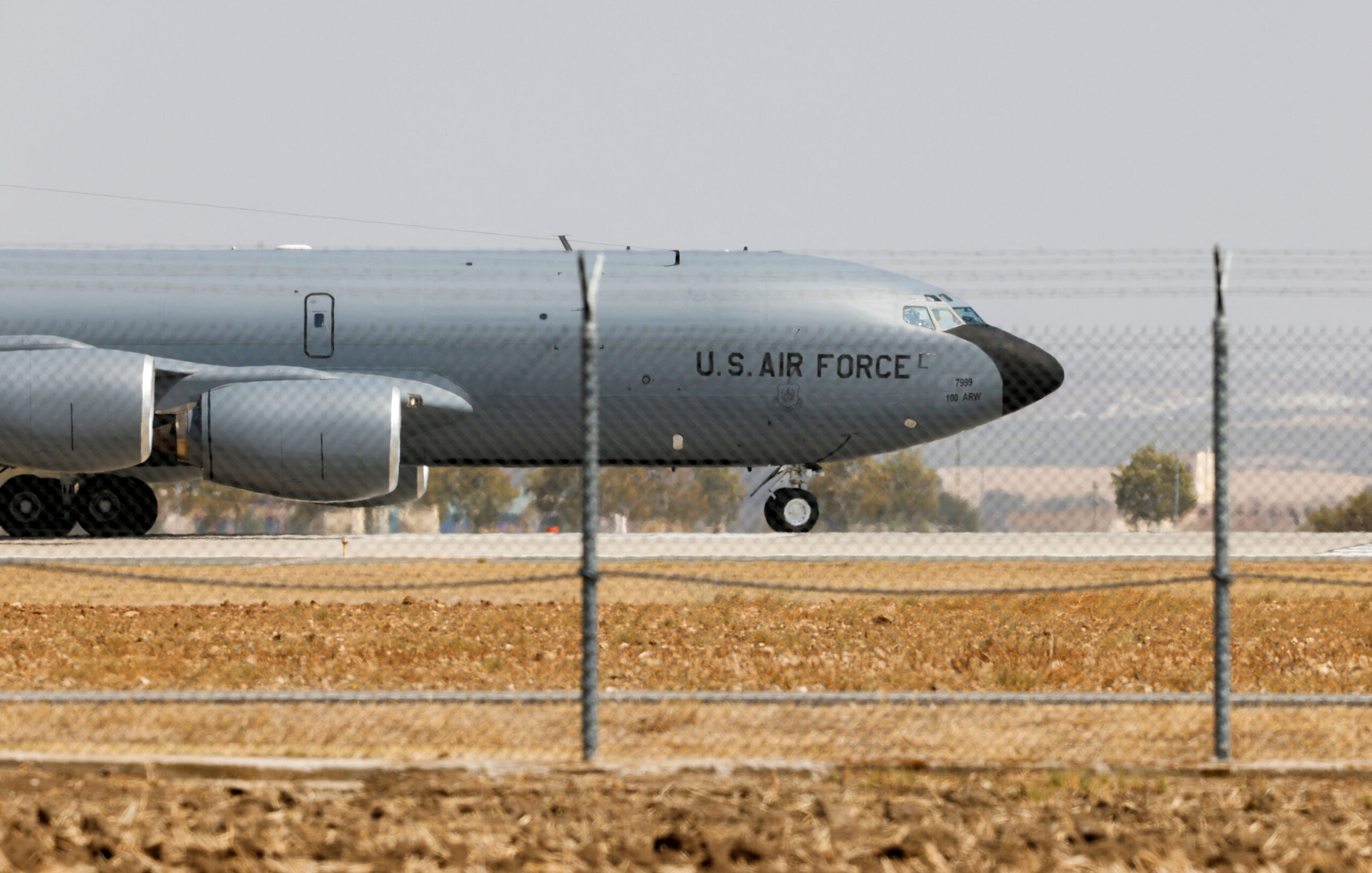
Spain has unequivocally stated that its joint military bases will not be utilized for any operations targeting Iran, a stance that starkly contrasts with the actions and approvals of several key European allies. The Spanish government’s firm position comes amid escalating international tensions and follows condemnations of recent U.S. and Israeli strikes on Iranian territory.
Madrid Draws a Line on Military Operations Against Iran
Spanish Foreign Minister Jose Manuel Albares announced on Monday that, based on all available information, the joint military facilities on Spanish soil are not being, and will not be, employed for operations against Iran. This declaration directly addresses concerns that U.S. forces might leverage these strategic locations for offensive actions in the volatile Middle East.
Prime Minister Pedro Sanchez has publicly denounced the U.S. and Israeli strikes, which commenced on Saturday, as an "unjustified" and "dangerous military intervention." He further characterized the actions as falling outside the established framework of international law, marking a significant divergence from U.S. foreign policy and that of many NATO partners.
"The Spanish government will not authorize the use of the bases for anything beyond the agreement or inconsistent with the United Nations," Albares stated, specifically referencing the Rota naval base and the Morón airbase. These facilities, while operating under a joint-use arrangement with the United States, remain firmly under Spanish sovereignty, underscoring Madrid’s ultimate control.
Defense Minister Margarita Robles reinforced this position, asserting that the bases "will not provide support, except if, in a given case, it were necessary from a humanitarian perspective." This caveat highlights a willingness to assist in purely humanitarian efforts, but a strict refusal to engage in any military offensive capacity. Spain has also officially condemned retaliatory attacks launched by Iran against countries in the Gulf region, indicating a broader disapproval of the escalating conflict.
European Allies Chart Different Courses on Iran Strikes
The Spanish stance represents a significant outlier among major European nations. While Britain initially echoed Spain’s reluctance, Prime Minister Keir Starmer later authorized the use of UK bases for operations deemed necessary for "collective self-defense." This shift in British policy occurred amidst Iranian counterattacks targeting U.S. assets and critical energy infrastructure across the Middle East.
In contrast, France and Germany have indicated their preparedness to allow the use of their bases for operations against Iran. Leaders from these nations, along with others, issued a joint statement on Sunday expressing their deep concern over what they described as "indiscriminate and disproportionate missile attacks launched by Iran against countries in the region." The statement emphasized that these attacks targeted nations not directly involved in the initial U.S. and Israeli military operations.
"We have agreed to work together with the U.S. and allies in the region on this matter," the joint statement concluded, signaling a coordinated approach among these European powers to support U.S. objectives in the ongoing crisis.
Flight Data Raises Questions About Base Usage
Despite Spain’s official declarations, flight-tracking data from FlightRadar24 has presented a complex picture. Maps released on Monday indicated that at least 15 U.S. aircraft departed from bases in southern Spain since the initiation of U.S. and Israeli attacks on Iran. At least seven of these aircraft were observed landing at Ramstein Airbase in Germany, a key U.S. military hub in Europe.
This apparent movement of aircraft from Spanish territory, even if not directly participating in offensive strikes against Iran, has fueled debate and scrutiny. The Spanish government maintains that its agreement with the U.S. on base usage is strictly limited and does not permit offensive operations against Iran. The specifics of the joint-use agreements, particularly concerning the transit of military assets, are under intense examination.
Background: The Evolving Geopolitical Landscape
The current crisis stems from a series of escalating actions and reactions between Iran, the United States, and its regional allies. For years, tensions have simmered over Iran’s nuclear program, its ballistic missile development, and its support for proxy militant groups across the Middle East. These underlying issues have periodically erupted into direct confrontations and heightened diplomatic standoffs.
The recent strikes by the U.S. and Israel against Iran are widely seen as a response to prior Iranian actions or perceived threats. The specific triggers for these retaliatory measures have not always been explicitly detailed, contributing to the ambiguity and rapid escalation of the situation. International bodies, including the United Nations, have called for de-escalation and adherence to international law.
U.S. Military Presence in Spain
The United States maintains a significant military presence in Spain through agreements that allow for the joint use of several key facilities. The Rota naval base, located in Andalusia, is a crucial hub for U.S. naval operations in the Mediterranean and Atlantic. The Morón airbase, also in southern Spain, serves as an important staging ground for U.S. Air Force operations and logistical support.
These bases are integral to U.S. military strategy in Europe and the broader Middle East, facilitating power projection, intelligence gathering, and rapid response capabilities. The agreements governing their use are subject to strict protocols and are intended to align with the defense objectives of both Spain and NATO. However, the interpretation and application of these protocols can become points of contention, especially during periods of heightened international conflict.
The Spanish Government’s Dilemma
For the Spanish government, the decision to restrict the use of its bases for operations against Iran presents a complex balancing act. On one hand, Spain has a long-standing commitment to NATO and allied cooperation. On the other hand, it has a strong tradition of pursuing an independent foreign policy, often emphasizing diplomacy and multilateralism over unilateral military action.
Prime Minister Sanchez’s government has historically sought to position Spain as a voice for peace and international law. This latest stance aligns with that broader foreign policy objective, emphasizing the need for de-escalation and adherence to U.N. mandates. The Spanish government’s commitment to international law and its condemnation of actions outside its purview underscore its desire to avoid entanglement in conflicts that it deems unjustified or disproportionate.
Implications for Transatlantic Relations
Spain’s divergence from the policies of the U.S. and several other major European powers on the use of military bases highlights potential strains within the transatlantic alliance. While NATO remains a cornerstone of European security, disagreements on specific military actions and foreign policy approaches can emerge.
The U.S. relies on its allies for logistical support and basing infrastructure to project power globally. When a key ally like Spain restricts access to such facilities, it can complicate operational planning and potentially create strategic challenges for the U.S. military. This situation underscores the ongoing debate within the alliance regarding burden-sharing, strategic autonomy, and the appropriate response to regional conflicts.
Public Opinion and Political Impact
In Spain, the government’s firm stance on the Iran operations is likely to resonate with a segment of the public that favors a cautious and diplomatic approach to international conflicts. Public opinion in Spain has historically shown a degree of skepticism towards direct military interventions, particularly those perceived as unilateral or lacking broad international consensus.
The government’s decision could also bolster its standing among certain political factions that advocate for greater Spanish autonomy in foreign policy and a stronger emphasis on multilateral institutions. Conversely, it might draw criticism from those who believe Spain should align more closely with U.S. security priorities and demonstrate unwavering support for its key allies. The coming weeks and months will likely see continued debate and scrutiny of Spain’s role in the unfolding geopolitical events.
Humanitarian Considerations and Future Scenarios
The mention of humanitarian assistance as a sole permissible reason for support from Spanish bases offers a narrow window for potential U.S. or allied cooperation. However, the practical application of such a provision in the context of a volatile military conflict remains to be seen. The specifics of what constitutes a "humanitarian perspective" in such a scenario could become a point of contention.
As the situation in the Middle East remains fluid, the long-term implications of Spain’s decision are significant. It signals a willingness to assert national interests and principles, even when they diverge from those of its most powerful allies. This independent streak in foreign policy could shape future discussions on burden-sharing, military cooperation, and the overall direction of transatlantic security. The ongoing developments will be closely watched by international observers and policymakers alike, as they navigate an increasingly complex and unpredictable global security environment.