Prime Minister Keir Starmer has cautioned that a massive cache of internal government records must undergo a rigorous security review before the public can see the evidence surrounding Peter Mandelson’s controversial appointment as U.S. Ambassador. Speaking to lawmakers and the press, Starmer warned very significant volume of material needs reviewing before Mandelson documents released, citing the complexity of tens of thousands of emails, encrypted messages, and internal memos. The Prime Minister’s statement comes amid a deepening political crisis involving allegations that Lord Mandelson misled government officials regarding the nature of his relationship with the late convicted sex offender Jeffrey Epstein.
The controversy centers on the vetting process conducted prior to Mandelson’s high-profile diplomatic posting to Washington last year. Intelligence officials and senior Labour Party members are now questioning how Mandelson secured the position despite long-standing rumors regarding his social and professional ties to Epstein. Starmer has indicated that the upcoming document release will likely demonstrate that Mandelson was not forthcoming during his background checks, potentially proving that the veteran politician lied about the extent of his contact with Epstein.
While the Prime Minister initially expressed a desire to fast-track the disclosure of these records to Parliament, he has been forced to moderate that timeline. Law enforcement officials from Scotland Yard reportedly advised the Downing Street administration that a premature release of specific documents could prejudice ongoing criminal investigations. Consequently, the government is now coordinating with the Intelligence and Security Committee (ISC) to manage a structured and legally sound disclosure process.
Vetting Procedures Under Scrutiny Following Ambassadorial Controversy
The failure of the "Developed Vetting" process—the highest level of security clearance in the United Kingdom—has become a focal point of the scandal. Critics argue that the system designed to protect the integrity of the British state failed to flag glaring red flags in Mandelson’s history. As Starmer warns very significant volume of material needs reviewing before Mandelson documents released, constitutional experts are calling for a complete overhaul of how the government screens individuals for sensitive diplomatic roles.
Peter Mandelson, a key architect of the "New Labour" movement and a former European Union Trade Commissioner, has twice resigned from the British Cabinet in past decades under clouds of controversy. His appointment as Ambassador to the United States was seen by many as a calculated risk by the Starmer administration, intended to leverage Mandelson’s extensive international network. However, the discovery of his alleged continued proximity to Epstein after the financier’s initial convictions has turned that diplomatic asset into a significant political liability.
The Intelligence and Security Committee, a cross-party body of lawmakers with access to classified data, is currently tasked with sifting through the "tens of thousands" of documents mentioned by the Prime Minister. This committee must determine which materials are relevant to the public interest and which must remain classified to protect national security or the privacy of unrelated third parties. The scale of this task suggests that the full picture of the Mandelson appointment may not emerge for several months.
Gordon Brown Condemns Systemic Failures in Senior Government Appointments
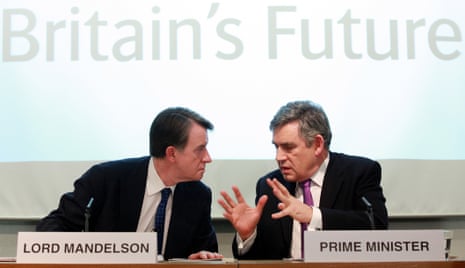
Former Prime Minister Gordon Brown has entered the fray, offering a blistering critique of the current administration’s handling of the appointment and the broader culture of government vetting. In an interview with BBC Radio 4’s Today programme, Brown described the situation as a "systemic failure" that reaches back through multiple administrations. Brown admitted that he personally "greatly regrets" his decision to bring Mandelson back into government in 2008 and elevating him to the House of Lords.
Brown’s intervention is particularly significant given his history with Mandelson. Despite their often-fractious relationship, Brown utilized Mandelson as Business Secretary during the 2008 global financial crisis. Brown now claims he was misled at the time, having been told that Mandelson’s record as an EU official was "unblemished." The former Prime Minister suggested that the current scandal is a "betrayal" of British democratic values and called for the implementation of public confirmation hearings for all senior government appointments, similar to the process used in the United States.
"There is a systemic failure to do proper vetting, to go through the proper procedures," Brown stated. He argued that the current reliance on private, internal checks allows for favoritism and the suppression of inconvenient truths. Brown’s call for a "total clean-up of the system" has resonated with backbench Labour MPs who feel the current leadership has become too insular and reliant on a small circle of advisors.
Scotland Yard Investigation Targets Market-Sensitive Information Leaks
The scandal has moved beyond political optics and into the realm of criminal law. Scotland Yard recently confirmed that investigators have searched two properties connected to Lord Mandelson. These searches are part of an ongoing probe into allegations that Mandelson may have passed market-sensitive information to Jeffrey Epstein during his tenure as Business Secretary. If proven, these claims would elevate the case from a vetting failure to a serious breach of national security and financial regulations.

The police investigation is reportedly focused on communication logs and financial records that suggest a transactional element to the relationship between the two men. While Mandelson has consistently denied any wrongdoing, the physical search of his residences marks a significant escalation in the authorities’ approach. The Prime Minister’s office has remained tight-lipped about the specifics of the police probe, emphasizing the need to let the legal process run its course without political interference.
As Starmer warns very significant volume of material needs reviewing before Mandelson documents released, the pressure on the Metropolitan Police to provide updates is mounting. The intersection of high-level diplomacy, international sex trafficking investigations, and alleged financial impropriety has created a complex web that investigators are struggling to untangle. The involvement of Epstein, whose own death in a New York jail cell sparked a global wave of conspiracy theories and calls for accountability, ensures that the Mandelson case remains under intense international scrutiny.
Internal Labour Pressure Mounts as Starmer Warns Very Significant Volume of Material Needs Reviewing
Within the halls of Westminster, the mood is increasingly grim for the Prime Minister. A growing faction of Labour MPs is openly questioning Starmer’s judgment and the influence of his inner circle. Much of the anger is directed at Morgan McSweeney, Starmer’s Chief of Staff, who is widely viewed as the primary advocate for Mandelson’s appointment to the Washington post. Calls for McSweeney’s resignation have become more frequent, with some MPs suggesting that Starmer’s own position may become untenable if he does not take decisive action.
The Prime Minister has attempted to defend his integrity by promising full transparency, but the delay in releasing the documents has led to accusations of a cover-up. Critics argue that by stating a "significant volume" of material needs review, the government is simply buying time to manage the political fallout. The Labour Party, which campaigned on a platform of "cleaning up" politics after years of Conservative scandals, now finds itself defending its own record on ethics and accountability.
Backbenchers have expressed concern that the Mandelson scandal is overshadowing the government’s domestic agenda. "We are supposed to be talking about the cost of living, the NHS, and housing," one anonymous Labour MP remarked. "Instead, we are answering questions about Jeffrey Epstein and secret emails. It’s a disaster for our brand." The internal rift threatens to weaken Starmer’s authority at a time when he needs a unified party to push through difficult legislative reforms.
The Role of the Intelligence and Security Committee in Document Disclosure
The Intelligence and Security Committee (ISC) is now the gatekeeper of the truth in the Mandelson affair. Led by Lord Beamish, the committee has been granted access to the raw data that Starmer’s team is currently processing. The ISC’s role is to act as an independent auditor of the government’s vetting procedures and to ensure that no relevant information is withheld from the public without a valid national security justification.
The volume of material is indeed staggering. Sources suggest the cache includes not only official government emails but also private WhatsApp messages and transcripts of diplomatic briefings. The ISC must determine if Mandelson used private communication channels to bypass official oversight—a common theme in modern political scandals. The committee’s final report is expected to be a landmark document that could lead to the most significant changes in UK vetting laws in a generation.
Lord Beamish has signaled that the committee will not be rushed, despite the political firestorm. In a brief statement, he noted that the integrity of the review process is paramount and that the committee would "follow the evidence wherever it leads." This methodical approach, while necessary for accuracy, ensures that the Mandelson scandal will remain a headline issue for the foreseeable future, continuing to haunt the Starmer administration as it nears its next milestone in office.
Global Implications and the Future of UK-US Relations
The fallout from the Mandelson scandal extends far beyond the borders of the United Kingdom. As the former Ambassador to the United States, Mandelson was the primary link between London and Washington. The revelation that he may have lied during his vetting process—and the nature of his alleged ties to Epstein—has caused significant embarrassment for the British Foreign Office. U.S. officials have reportedly expressed "concern" over the security implications of the breach, particularly regarding the sharing of sensitive intelligence.
The scandal also touches on the broader "Epstein network," a topic of intense interest in American politics. The possibility that a high-ranking British official was passing information to Epstein adds a new dimension to the global investigation into the financier’s activities. International observers are watching closely to see if the UK government will hold its own accountable or if the "significant volume of material" will be used to bury the most damaging revelations.
Ultimately, the resolution of the Mandelson affair will serve as a test for Keir Starmer’s leadership. By promising that the documents will be released, he has staked his reputation on a policy of transparency. However, the logistical and legal hurdles he now highlights suggest a long and painful road ahead. As the review process continues, the British public remains waiting for answers about how a man with such a controversial past was given the keys to one of the nation’s most important diplomatic offices.