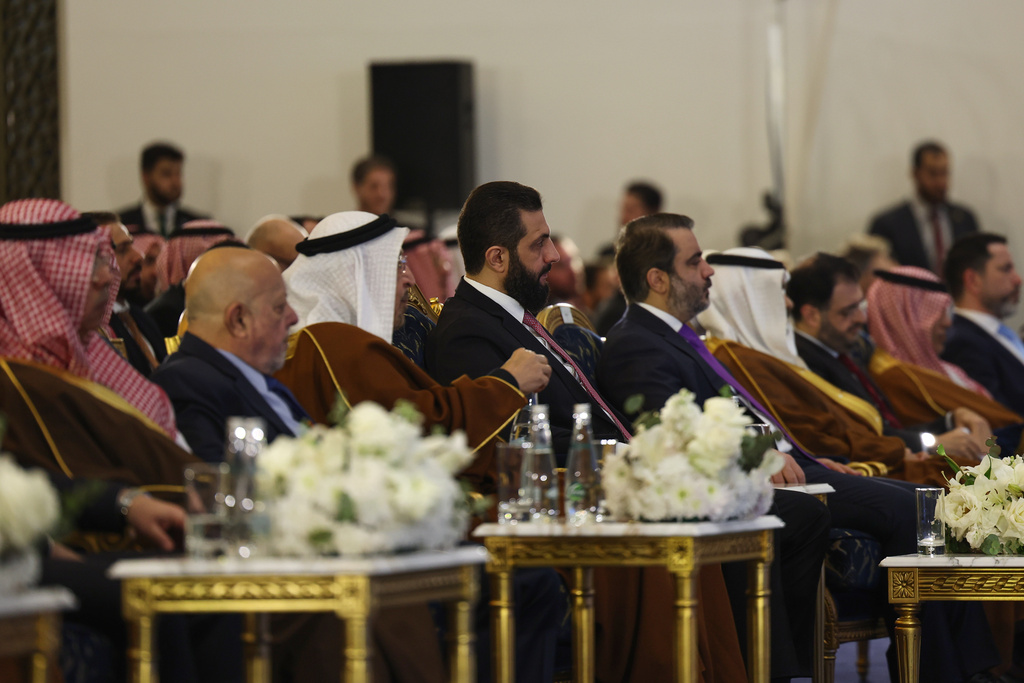
Syria and Saudi Arabia have inked a series of substantial investment agreements valued in the billions of dollars, targeting critical sectors including aviation, energy, real estate, and telecommunications, signaling a significant economic development for Damascus as it embarks on a comprehensive rebuilding effort following a protracted 14-year civil war. The landmark deals underscore a deepening economic partnership between the two nations, with Riyadh playing a pivotal role in supporting Syria’s post-conflict reconstruction.
This ambitious package represents the largest foreign investment commitment to Syria since the United States lifted sanctions on the country in December, a move that has opened new avenues for economic engagement. The agreements were announced by Talal al-Hilali, the chief of the Syrian Investment Authority, on Saturday, highlighting a strategic push to revitalize the nation’s infrastructure and economic capacity.
Saudi Arabia’s Growing Role in Syrian Reconstruction
The recent investment surge from Saudi Arabia marks a significant shift in regional dynamics and signifies Riyadh’s increasing influence in Syria’s political and economic landscape. Saudi Arabia has emerged as a key supporter of Syria’s current leadership, which assumed power after the ousting of long-time ruler Bashar al-Assad in December 2024. This sustained backing is now translating into substantial financial commitments aimed at rebuilding the war-torn nation.
Khalid al-Falih, the Saudi Minister of Investment, revealed the establishment of the Elaf fund, a new financial vehicle designed to channel private sector investment into large-scale projects. This fund is set to commit an initial $2 billion, equivalent to approximately 7.5 billion Saudi riyals, specifically for the development of two new airports in the strategic city of Aleppo. This investment in aviation infrastructure is seen as a cornerstone for facilitating trade and travel, crucial elements for economic recovery.
Revitalizing Syria’s Infrastructure and Connectivity
The investment in Syrian infrastructure extends beyond airports, with a significant focus on enhancing the nation’s telecommunications network. Abdulsalam Haykal, Syria’s Minister of Communications and Information Technology, stated that the telecommunications sector is slated to receive nearly $1 billion in investment. This funding will be directed towards laying thousands of kilometers of fiber optic cable, a critical undertaking aimed at bolstering connectivity and positioning Syria as a vital regional hub for digital communications between Asia and Europe.
The ambition to transform Syria into a regional telecommunications nexus is exemplified by the launch of a new project named SilkLink. This initiative is expected to modernize the country’s digital infrastructure, facilitating faster data transfer and improving internet access across the nation and its neighboring regions. Such advancements are vital for attracting foreign businesses and fostering domestic economic growth.
Aviation Sector Expansion and New Airline Venture
A significant component of the investment package involves the aviation sector, with a particular emphasis on improving air travel capacity and establishing new air routes. The Syrian Investment Authority announced plans for the development of a new international airport in Aleppo, a project that will be significantly funded by the Elaf fund. This development aims to transform Aleppo into a key aviation gateway for northern Syria.
In a notable move, Saudi budget carrier Flynas and the Syrian Civil Aviation Authority have signed an agreement to establish a new airline, to be named "Flynas Syria." This joint venture will be 51 percent owned by the Syrian side, with operations slated to commence in the fourth quarter of 2026. The introduction of a new airline, particularly a budget carrier, is expected to stimulate tourism and business travel, making air transport more accessible for both domestic and international travelers.
Energy and Water Security Investments
Beyond infrastructure and telecommunications, the investment agreements also encompass the crucial energy and water sectors. Syria’s Ministry of Energy has entered into a water agreement with Saudi Arabia’s ACWA Power, a prominent company known for its extensive experience in managing power generation and desalination plants across the Middle East. This partnership is expected to bolster Syria’s water security and enhance its energy production capabilities, addressing fundamental needs for its population and industrial recovery.
The focus on water and energy underscores the comprehensive approach being taken by both nations to address Syria’s most pressing challenges. Ensuring reliable access to clean water and stable energy supplies is paramount for the resumption of normal economic activities and the improvement of living standards for Syrian citizens.
A Political Signal and Economic Catalyst
Talal al-Hilali, the Syrian Investment Authority chief, emphasized the strategic importance of these agreements, stating that they target "vital sectors that impact people’s lives and form essential pillars for rebuilding the Syrian economy." This sentiment was echoed by US envoy to Syria, Tom Barrack, who commended the Saudi-Syrian deal on social media platform X. He noted that "Strategic partnerships in aviation, infrastructure, and telecommunications will contribute meaningfully to Syria’s reconstruction efforts."
However, some analysts offer a more measured perspective on the immediate economic impact. Benjamin Feve, a senior research analyst at Karam Shaar advisory, suggested that the deals hold "far more as a political signal than as an economic game changer" in the short term. This viewpoint highlights the complex geopolitical landscape surrounding Syria’s recovery and the potential for political considerations to influence the pace and effectiveness of economic development.
Navigating the Path to Economic Recovery
The Syrian government has faced scrutiny in the past year regarding its development promises, with some critics pointing to a gap between written pledges with foreign investors and the conversion of these into concrete, binding contracts. The success of these new multibillion-dollar deals will depend on the efficient translation of agreements into tangible projects and the establishment of a stable and predictable investment climate.
The scale of these Saudi-Syrian investments signals a potential turning point for Syria’s economy, offering a much-needed influx of capital and expertise. The focus on key sectors such as aviation, telecommunications, and energy suggests a strategic vision for modernization and integration into regional and global markets. The coming months and years will be critical in determining whether these ambitious plans translate into sustainable economic growth and improved living conditions for the Syrian people.
Future Outlook and Regional Implications
The deepening economic ties between Syria and Saudi Arabia have broader implications for regional stability and economic integration. As Syria rebuilds, its economic resurgence could foster greater cooperation and trade within the Middle East. The success of these initial investments may pave the way for further engagement from other regional and international players, contributing to a more comprehensive reconstruction effort.
The commitment of substantial funds by the Elaf fund and Saudi private sector investors demonstrates a growing confidence in Syria’s potential for recovery. However, the long-term viability of these projects will be contingent upon ongoing political stability, effective governance, and the sustained commitment of all stakeholders involved. The journey of rebuilding Syria’s economy is complex, but these recent investment deals represent a significant step forward, offering a glimmer of hope for a more prosperous future.