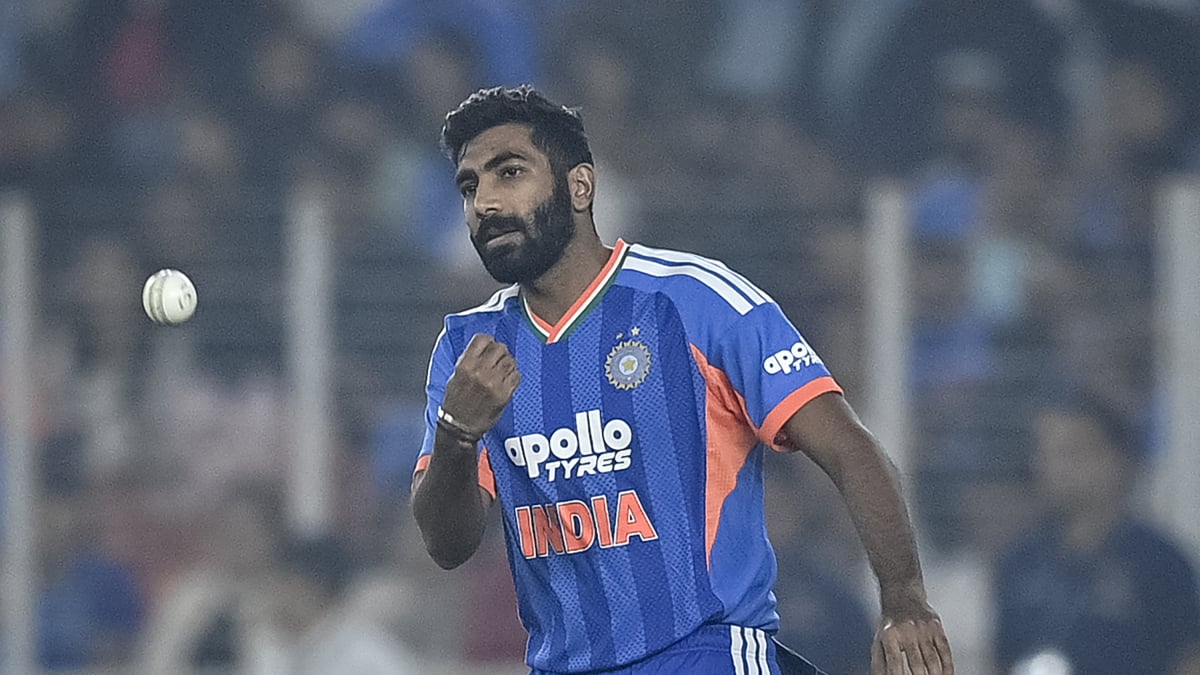
The International Cricket Council (ICC) has confirmed the schedule and broadcasting framework for the 2026 Men’s T20 World Cup, an event set to redefine the global reach of the sport’s most explosive format. Scheduled to take place from February 7 to March 8, 2026, the tournament will be co-hosted by India and Sri Lanka, marking a significant return of major ICC silverware to the cricket-obsessed subcontinent. As fans prepare for a month of high-octane competition, the focus has shifted to digital accessibility, with various platforms offering a T20 World Cup 2026 livestream to a global audience, including free-to-air options in specific territories.
The 2026 edition represents the 10th iteration of the tournament and continues the expanded format that saw 20 teams compete for the first time in 2024. This expansion is part of a broader strategy by the ICC to globalize cricket, pushing beyond its traditional strongholds into emerging markets. With 55 matches scheduled across five premier venues, the logistical scale of the event is unprecedented. Defending champions India will enter the tournament with the immense pressure of playing on home soil, seeking to become the first team to successfully defend a T20 World Cup title under the current expanded format.
Tournament Structure and Competitive Format
The 2026 T20 World Cup will utilize a multi-stage progression system designed to ensure both inclusivity for smaller nations and high-stakes drama for the elite teams. The 20 qualifying nations are divided into four groups of five teams each. During this initial group stage, a round-robin format will be employed, where every team plays four matches. This phase is critical for "Associate" nations—teams outside the traditional Test-playing elite—as it provides a rare platform to compete against the world’s best.
Following the group stage, the top two teams from each of the four groups will advance to the "Super 8" stage. At this juncture, the remaining eight teams are split into two groups of four. They will play three matches each, with the intensity ratcheting up as the field narrows. The top two performers from each Super 8 group will then secure a spot in the semi-finals. This structure ensures that by the time the knockout rounds begin, only the most consistent and resilient teams remain in contention for the trophy.
Accessing the T20 World Cup 2026 Livestream for Free
For millions of cricket enthusiasts worldwide, the cost of sports subscriptions has become a significant barrier to entry. However, the ICC has maintained its commitment to providing a free T20 World Cup 2026 livestream via its proprietary digital platform, ICC.TV. This service is designed to serve regions where traditional broadcasting rights have not been sold exclusively to cable networks, effectively acting as a direct-to-consumer bridge for the sport.
While ICC.TV offers a robust solution for free viewing, it is subject to strict geographic restrictions. In major markets like the United Kingdom, the United States, and Australia, exclusive rights are typically held by major broadcasters such as Sky Sports, Willow TV, or Fox Sports. Consequently, the free stream on ICC.TV is often "geo-blocked" in these regions to protect the commercial interests of the rights holders. Fans residing in or traveling through these restricted areas often turn to Virtual Private Networks (VPNs) to manage their digital location and access the free broadcast.
The Role of Technology in Global Sports Broadcasting
The use of a VPN has become a standard practice for international sports fans seeking to bypass regional content barriers. By masking a user’s IP address and routing their internet traffic through a server in a different country, these tools allow fans to appear as if they are browsing from a region where the T20 World Cup 2026 livestream is available for free. ExpressVPN has emerged as a leading recommendation for this purpose, cited for its high-speed servers that are capable of handling 4K video streams without the lag or buffering that can plague live sports.
Beyond simple access, the shift toward digital streaming reflects a broader transformation in the sports media industry. Traditional linear television is increasingly being supplemented—or in some cases replaced—by over-the-top (OTT) platforms. For the ICC, providing a free livestream in emerging markets is not just about charity; it is a long-term investment in the sport’s data and fan engagement metrics. By bringing fans directly onto the ICC.TV platform, the council can gather valuable insights into viewing habits, which are then used to negotiate more lucrative sponsorship and advertising deals.
India and Sri Lanka: A Dual-Hosting Powerhouse
The decision to host the tournament in India and Sri Lanka is a strategic move that leverages the deep-seated cricket culture of the South Asian region. India, as the commercial heart of the sport, offers massive stadiums and a captive audience of over a billion people. Sri Lanka, which has a storied history of producing some of the game’s most innovative players, provides a unique atmospheric contrast with its coastal venues and passionate local support.
Logistically, the tournament will be spread across five venues. While the final list of stadiums is subject to official confirmation closer to the event, iconic grounds such as the Wankhede Stadium in Mumbai, the Eden Gardens in Kolkata, and the R. Premadasa Stadium in Colombo are expected to play central roles. These venues are being upgraded with state-of-the-art lighting, improved drainage systems, and enhanced spectator facilities to meet the rigorous standards of an international world championship.
Competitive Landscape and Pre-Tournament Favorites
As the defending champions, India remains the team to beat. Their roster, bolstered by the wealth of talent discovered in the Indian Premier League (IPL), provides a depth that few other nations can match. However, the T20 format is notoriously volatile. Australia, with its aggressive batting lineup and elite fast-bowling unit, is always a threat in tournament play. Similarly, England continues to champion a high-risk, high-reward style of play that can take any game away from the opposition within the first six overs of the powerplay.
South Africa, often labeled as the "perennial underdogs," showed significant growth in recent years and will be looking to finally secure their first major ICC trophy. Meanwhile, the conditions in India and Sri Lanka are expected to favor spin-heavy attacks, which brings teams like Pakistan, New Zealand, and the host Sri Lanka into sharp focus. The ability to adapt to slow, turning tracks in the heat of the subcontinent will likely be the deciding factor in the knockout stages.
The Economic and Cultural Impact of the World Cup
The 2026 T20 World Cup is expected to generate hundreds of millions of dollars in revenue, ranging from ticket sales and hospitality to global advertising and tourism. For the host nations, the influx of international fans provides a significant boost to the local economy. Hotels, airlines, and local businesses in cities like Mumbai, Delhi, and Colombo prepare years in advance for the surge in demand that accompanies a World Cup.
Culturally, the event serves as a unifying force. In a region often divided by political tensions, cricket has historically acted as a "soft power" tool, fostering diplomatic dialogue and people-to-people connections. The sight of thousands of fans from diverse backgrounds traveling across the border between India and Sri Lanka exemplifies the unique spirit of the game. Furthermore, the inclusion of 20 teams means that the 2026 tournament will feature more "Cinderella stories" than ever before, as nations like the United States, Netherlands, and Namibia seek to pull off historic upsets against the established giants.
Technical Requirements for an Optimal Viewing Experience
For fans planning to watch the T20 World Cup 2026 livestream, technical preparation is key to ensuring an uninterrupted experience. High-definition streaming requires a stable internet connection with a minimum speed of 5 Mbps, while 4K or Ultra-HD streams generally require 25 Mbps or higher. Given the live nature of the content, many fans opt for wired Ethernet connections rather than Wi-Fi to minimize latency.
Additionally, the choice of device plays a role in the viewing experience. While mobile apps for ICC.TV and other broadcasters offer convenience, the immersive nature of a World Cup final is often better suited for large-screen smart TVs or gaming consoles. Most modern VPN services, including ExpressVPN, offer dedicated apps for routers and smart TVs, allowing users to secure their entire home network and access geo-blocked content across all their devices simultaneously.
Future Outlook: Cricket’s Path to the Olympics
The 2026 T20 World Cup is also being viewed as a critical "dress rehearsal" for cricket’s return to the Olympic Games. With the sport officially included in the program for the 2028 Los Angeles Olympics, the ICC is under pressure to prove that the T20 format is a viable global product that can appeal to a non-traditional audience. The success of the 2026 livestreaming efforts and the overall viewership numbers will be closely scrutinized by the International Olympic Committee (IOC) as they assess the sport’s commercial and cultural value.
As the tournament draws closer, the ICC is expected to release further details regarding ticket ballots, official fan zones, and additional digital features such as augmented reality (AR) scoreboards and multi-angle camera feeds for streamers. For now, the global cricket community remains focused on the February 7 kickoff, marking the start of a journey that will culminate in the crowning of a new—or perhaps a repeat—world champion in the heart of the cricket world.