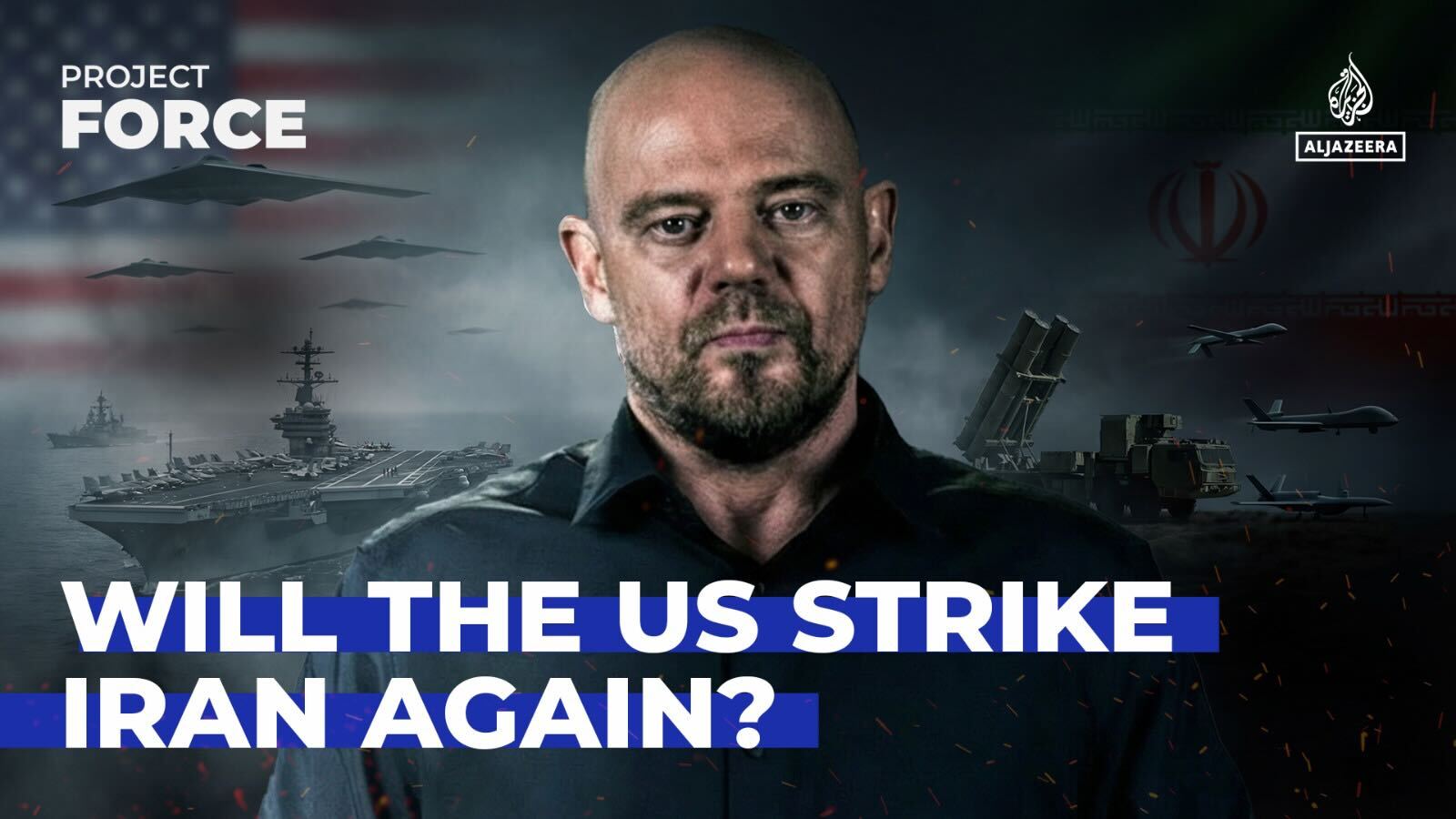
US Military Posture Amidst Iran Tensions
The deployment of these potent weapons systems is not a recent development but rather a culmination of years of strategic planning and military investment. The United States has consistently sought to maintain a qualitative military edge in the region, particularly in response to Iran’s ongoing ballistic missile program and its support for proxy groups. The current heightened alert status, however, signals a potential shift from deterrence to a more assertive posture, with Washington indicating a readiness to act if its interests or allies are threatened.
Air Power Projection: Stealth and Precision
At the forefront of the US arsenal are its advanced air assets, designed for rapid deployment and surgical strikes. The B-2 Spirit stealth bomber, capable of penetrating heavily defended airspace undetected, represents a significant deterrent. Its ability to carry a substantial payload of both conventional and nuclear weapons makes it a critical component of any US response.
Complementing the bombers are the F-22 Raptor and F-35 Lightning II stealth fighter jets. These multi-role aircraft offer unparalleled situational awareness, electronic warfare capabilities, and air-to-air and air-to-ground combat effectiveness. Their presence in regional airbases allows for swift responses to emerging threats, providing air superiority and the ability to conduct precision strikes against hardened targets.
US Air Force units stationed in bases across the Middle East and Europe are on heightened alert. These bases, including those in Qatar, Bahrain, and Saudi Arabia, serve as crucial staging grounds for rapid deployment. The logistical network supporting these air operations is extensive, ensuring that aircraft can be refueled, rearmed, and redeployed with minimal delay.
Naval Dominance: Carrier Strike Groups and Submarine Power
The US Navy plays a pivotal role in projecting power in the Persian Gulf and surrounding waters. Aircraft carrier strike groups, such as those typically deployed in the Fifth Fleet’s area of operations, are mobile airbases capable of launching a wide range of aircraft. These groups are accompanied by a screen of escort vessels, including cruisers and destroyers armed with advanced missile systems.
The presence of aircraft carriers like the USS Dwight D. Eisenhower or the USS Theodore Roosevelt in the region serves as a constant reminder of US naval might. These floating fortresses can project air power hundreds of miles inland, providing a flexible and responsive strike capability. Their deployment is often a signal of US intent and a crucial element of its regional strategy.
Furthermore, the US submarine fleet, including its Ohio-class ballistic missile submarines and attack submarines, offers a stealthy and potent option. Submarines can operate undetected for extended periods, providing intelligence, surveillance, and reconnaissance capabilities, as well as the ability to launch Tomahawk cruise missiles or other payloads. Their silent presence adds a significant layer of uncertainty for any potential adversary.
Ground and Missile Defense Capabilities
While air and naval power often dominate discussions, US ground forces and missile defense systems are also critical components of its preparedness. US Army and Marine Corps units are stationed in various countries bordering Iran, equipped with advanced armored vehicles, artillery, and sophisticated communication systems.
A key element of the US defensive strategy is its network of missile defense systems. The Terminal High Altitude Area Defense (THAAD) system, designed to intercept ballistic missiles in their terminal phase, has been deployed in strategic locations. Patriot missile batteries, capable of intercepting tactical ballistic missiles, cruise missiles, and aircraft, provide layered defense against shorter-range threats.
These defensive systems are crucial for protecting US forces, allies, and vital infrastructure in the region from Iranian ballistic missile attacks. The integration of these systems with early warning radar networks and command and control centers creates a robust shield against potential aggression.
Historical Context of US-Iran Military Engagement
The current military posture is deeply rooted in decades of complex and often adversarial relations between the United States and Iran. Following the 1979 Iranian Revolution, diplomatic ties were severed, and a pattern of mutual suspicion and confrontation emerged. Key flashpoints have included Iran’s nuclear program, its support for regional militant groups, and incidents involving maritime traffic in the Strait of Hormuz.
Throughout various administrations, the US has employed a mix of sanctions, diplomatic pressure, and military deterrence to counter what it perceives as Iran’s destabilizing activities. The Obama administration’s Joint Comprehensive Plan of Action (JCPOA), aimed at curbing Iran’s nuclear program, was a significant diplomatic effort. However, the US withdrawal from the JCPOA under the Trump administration and the subsequent reimposition of stringent sanctions marked a return to a more confrontational stance.
The frequent presence of US naval vessels in the Persian Gulf and the Strait of Hormuz has been a consistent feature of this dynamic. These deployments are often aimed at ensuring freedom of navigation and deterring any attempts by Iran to disrupt global oil supplies passing through this critical waterway.
Escalation and Deterrence Strategies
The threat of US military action against Iran is typically framed within a broader strategy of deterrence. The explicit display of overwhelming military force is intended to dissuade Iran from taking actions that would cross a red line, such as attacking US interests, allies like Israel or Saudi Arabia, or attempting to acquire nuclear weapons.
The concept of "escalate to de-escalate" is also a consideration. This refers to the idea that limited, decisive military strikes could be used to compel an adversary to de-escalate a conflict rather than provoking a full-scale war. However, such strategies carry immense risks, given the potential for miscalculation and unintended escalation.
The deployment of specific weapon systems is often tailored to address perceived Iranian capabilities. For instance, the focus on advanced air power and missile defense is a direct response to Iran’s extensive arsenal of ballistic missiles and its growing drone capabilities.
The Role of Intelligence and Surveillance
Underpinning the US military readiness is a sophisticated intelligence, surveillance, and reconnaissance (ISR) apparatus. Satellites, drones, and human intelligence networks continuously monitor Iranian military activities, providing critical real-time information to decision-makers. This ISR capability is essential for identifying threats, assessing Iranian intentions, and guiding the employment of US weapons systems.
Advanced aerial platforms, including the RQ-4 Global Hawk and MQ-9 Reaper drones, provide persistent surveillance over vast areas. These unmanned systems can gather imagery, electronic intelligence, and other critical data, offering a constant stream of information about Iranian military movements and readiness.
Cyber Warfare Capabilities
Beyond kinetic weapons, the United States also possesses significant cyber warfare capabilities that could be employed in a conflict scenario. Cyberattacks could be used to disrupt Iranian command and control systems, military communications, or critical infrastructure, potentially degrading their ability to wage war or respond to an attack.
While details of US cyber capabilities are classified, it is widely understood that the US military has invested heavily in offensive cyber operations. These capabilities offer a less visible, yet potentially highly disruptive, means of engagement.
Broader Geopolitical Implications
The military posturing by the US in relation to Iran has far-reaching geopolitical implications, impacting regional stability and global energy markets. Any direct military confrontation would inevitably draw in regional powers, potentially leading to a wider conflict that could destabilize the entire Middle East.
Allies of both the US and Iran would be forced to take sides, further fracturing the international landscape. The Strait of Hormuz, a vital chokepoint for global oil shipments, could become a theater of conflict, leading to severe disruptions in energy supplies and significant spikes in oil prices worldwide.
The economic consequences of such a conflict would be immense, not only for the involved nations but for the global economy. Increased military spending, trade disruptions, and potential damage to infrastructure would all contribute to a significant economic downturn.
International Reactions and Diplomacy
The international community closely watches the escalating tensions between the US and Iran. While some nations support US efforts to counter Iran’s regional influence, others express concern about the potential for war and advocate for de-escalation through diplomatic means.
The United Nations and various international bodies have repeatedly called for restraint and dialogue. However, the effectiveness of these calls depends on the willingness of both parties to engage in meaningful negotiations. The current military readiness of the US suggests that diplomatic solutions, while still desirable, are not currently seen as sufficient to guarantee security.
The Human Cost of Conflict
The ultimate consequence of military conflict is the human cost. A confrontation between the US and Iran would likely result in significant casualties on both sides, as well as widespread displacement and humanitarian crises. The targeting of military assets, while intended to be precise, can never entirely eliminate the risk to civilian populations.
The potential for retaliatory strikes against civilian targets, whether by Iran or by US forces in self-defense, adds another layer of tragedy to any contemplation of armed conflict. The long-term effects on populations, infrastructure, and the environment could be devastating.
Conclusion: A Tense Stalemate
The United States’ arsenal of weapons positioned in proximity to Iran represents a potent display of military power, designed to deter aggression and project influence. From stealth bombers and advanced fighter jets to carrier strike groups and sophisticated missile defense systems, the US has assembled a formidable array of capabilities. This strategic posture, honed over decades of complex relations, underscores the high stakes of the current geopolitical climate.
While the immediate focus remains on military preparedness, the long-term resolution of tensions between the US and Iran will undoubtedly hinge on a combination of sustained deterrence, robust diplomacy, and a commitment to de-escalation. The potential consequences of miscalculation are too grave to ignore, making the pursuit of a peaceful and stable future in the region a paramount concern for all involved. The readiness of these weapons serves as a stark reminder of the volatile nature of the geopolitical landscape and the critical need for careful statecraft.