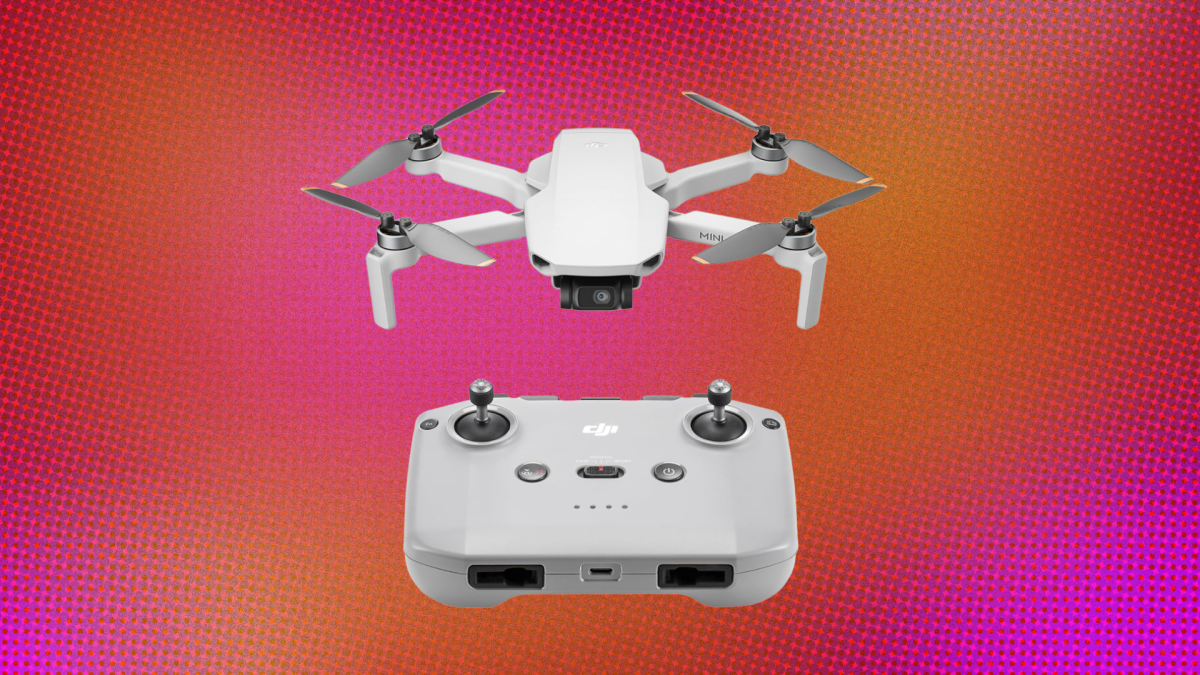
Amazon has initiated a significant price reduction on the DJI Mini 4K drone, lowering the cost of the ultra-compact unmanned aerial vehicle (UAV) from its standard retail price of $299 to $239. This $60 discount represents a 20% savings and marks one of the most competitive price points for a 4K-capable drone from the industry leader. The promotion, which began around February 14, targets both entry-level enthusiasts and experienced pilots seeking a portable backup device for high-resolution aerial photography and videography.
The DJI Mini 4K drone is specifically engineered to bridge the gap between recreational toy drones and professional-grade hardware. By offering 4K Ultra High Definition (UHD) video capabilities at a sub-$250 price point, the device challenges competitors in the budget sector who often struggle to provide stabilized footage. This sale comes at a time when consumer interest in personal drone technology remains high, despite tightening global regulations and shifting market dynamics.
Technical Specifications and Aerial Stability
At the core of the DJI Mini 4K drone is a sophisticated 3-axis mechanical gimbal. Unlike electronic image stabilization used in many budget drones, this hardware-based solution physically compensates for the drone’s movements, ensuring that video footage remains level and smooth even during complex maneuvers. The camera sensor is capable of recording UHD video, providing the clarity required for modern social media platforms and professional presentations.
The flight performance of the DJI Mini 4K drone is bolstered by high-efficiency brushless motors. These motors allow the aircraft to maintain a stable hover and navigate through wind speeds of up to 23 miles per hour, categorized as Level 5 wind resistance. Such stability is critical for capturing usable footage in coastal or mountainous regions where gusts can often destabilize lighter aircraft. Furthermore, the drone is rated to reach a maximum service ceiling of 4,000 meters above sea level, allowing for high-altitude operations in diverse geographical environments.
Regulatory Compliance and the 249-Gram Advantage
One of the most significant selling points of the DJI Mini 4K drone is its weight. The aircraft weighs less than 249 grams, a specific threshold established by the Federal Aviation Administration (FAA) and other international aviation authorities. In the United States, drones weighing under 250 grams do not require formal registration with the FAA for purely recreational use. This lack of bureaucratic overhead makes the Mini 4K an attractive option for casual users who wish to fly legally without the $5 registration fee and the associated paperwork required for heavier models like the DJI Air or Mavic series.
Despite the lack of a registration requirement, operators are still subject to the FAA’s "The Recreational UAS Safety Test" (TRUST) and must adhere to all airspace restrictions. The light weight also facilitates easier transport, as the device can be folded down to a size comparable to a large smartphone. This portability has made the "Mini" line a favorite among travelers and hikers who prioritize weight savings in their gear kits.
Beginner-Friendly Navigation and Safety Protocols
The DJI Mini 4K drone incorporates a suite of automated features designed to mitigate the risks associated with manual flight. For novice pilots, the inclusion of one-touch takeoff and landing functionality significantly reduces the likelihood of accidents during the most critical phases of flight. These automated sequences utilize downward-facing sensors to ensure the aircraft departs and arrives on flat, stable surfaces without pilot intervention.
Safety is further enhanced through the GPS-enabled Return-to-Home (RTH) feature. This system acts as a digital fail-safe, allowing the drone to autonomously navigate back to its original takeoff point if the battery runs low or if the signal between the remote controller and the aircraft is severed. The RTH system utilizes satellite positioning to calculate the most efficient path back to the operator, providing a layer of security for those flying in unfamiliar territory.
Connectivity, Range, and Signal Transmission
The operational range of the DJI Mini 4K drone is a point of significant technical interest. Under ideal conditions—defined as a completely unobstructed environment with no electronic interference, buildings, or trees—the drone is capable of maintaining a video transmission signal at distances up to 10 kilometers. However, real-world performance varies based on the environment. DJI’s technical documentation notes that in high-obstruction urban areas, the reliable connection range typically falls between 1.5 and 3 kilometers. In suburban settings with moderate obstructions, the range extends to between 3 and 6 kilometers.
This transmission system allows for a live 720p or 1080p video feed to be sent directly to the pilot’s smartphone, which is docked in the remote controller. This "First Person View" (FPV) capability is essential for framing shots and navigating around obstacles. The use of robust transmission technology ensures that the video feed remains stable even when the drone is positioned at the far edge of its operational envelope.
Intelligent Quickshots and Creative Automation
To assist users in capturing professional-grade content, the DJI Mini 4K drone includes a variety of "Intelligent Quickshots." These are pre-programmed flight patterns that allow the drone to perform complex cinematic maneuvers automatically. The "Circle" mode causes the drone to orbit a selected subject at a constant radius, while the "Helix" mode performs a spiraling ascent around the subject. Other modes, such as "Dronie" and "Rocket," provide classic aerial perspectives that would otherwise require significant pilot skill to execute manually.
These automated features are processed through the DJI Fly app, which also offers basic editing tools and templates for quick social media sharing. By offloading the technical difficulty of flight to the software, DJI has positioned the Mini 4K as a creative tool rather than just a remote-controlled aircraft. This shift in focus has been instrumental in the company’s ability to maintain a dominant share of the consumer UAV market.
Market Positioning and Industry Impact
The current sale on Amazon places the DJI Mini 4K drone in a strategic position within the broader consumer electronics market. DJI has historically dominated the drone industry, but recent years have seen increased competition from brands like Autel, Potensic, and Holy Stone. By aggressively pricing the 4K model at $239, DJI is effectively undercutting many mid-range competitors who offer similar specifications but lack the refined software ecosystem and brand recognition of the Shenzhen-based manufacturer.
The broader implications of affordable, high-quality drones extend to various sectors, including real estate, journalism, and environmental monitoring. Lowering the barrier to entry allows small business owners and independent creators to utilize aerial perspectives that were previously reserved for those with substantial budgets for helicopter charters or high-end equipment. The Mini 4K, while marketed to hobbyists, possesses the technical capability to serve basic commercial needs under the FAA’s Part 107 regulations.
Future Outlook and Consumer Considerations
As the weekend sale continues, the DJI Mini 4K drone represents a significant value proposition for those entering the hobby. While more advanced models like the DJI Mini 4 Pro offer omnidirectional obstacle sensing and vertical shooting modes, the Mini 4K focuses on the essentials: image quality, stability, and ease of use. The $239 price point is likely a reaction to seasonal inventory cycles and the upcoming release of newer hardware iterations across the industry.
Prospective buyers should note that while the drone itself is on sale, additional accessories such as extra batteries, carrying cases, and propeller guards—often sold in "Fly More" combos—remain essential for extended flight sessions. Each battery typically provides approximately 31 minutes of flight time under ideal conditions, though high winds and aggressive maneuvering can reduce this duration. As the drone market continues to evolve, the DJI Mini 4K remains a benchmark for what is possible in the sub-250-gram category, balancing regulatory convenience with high-performance aerial imaging.