Four years into Russia’s full-scale invasion of Ukraine, the brutal conflict continues to inflict immense devastation, not only on the battlefield but also across the global economic landscape. The economic war waged by the Kremlin alongside its military offensive has had a profound impact, with Ukraine bearing the brunt of the destruction. The World Bank estimates that the cost of reconstruction, should the war cease today, has ballooned to $588 billion, a figure nearly three times Ukraine’s pre-war Gross Domestic Product (GDP). This immense financial burden underscores the catastrophic consequences of the ongoing aggression.
Simultaneously, the economic confrontation between Russia and the West has evolved significantly, mirroring the shifting dynamics on the physical battlegrounds in southern and eastern Ukraine. As a grinding war of attrition persists, the trajectory of this geo-economic struggle may prove more decisive in determining the ultimate resolution of the conflict. However, the true nature of the evolving economic conditions for both Russia and the West is often obscured by a pervasive "fog of war." This opacity is exacerbated by a tendency among key actors to manipulate narratives, prioritizing propaganda and political messaging over factual reporting, making it challenging to assess the real economic pressures at play. To better understand the potential outcomes of this protracted conflict, it is crucial to deconstruct three persistent myths surrounding Russia’s current economic standing and the West’s capacity to exert further pressure.
Myth 1: Russia’s Economic Costs Are Manageable
A prevailing narrative suggests that Russia can weather the economic storm brought on by sanctions and war expenditures, regardless of the financial toll on its citizens and treasury. While the Kremlin may project an image of unwavering resolve, willing to sustain the conflict at any cost, this does not negate the profound and damaging impact on its economy. The economic war, therefore, is exacting a significant price, even if not immediately apparent to the casual observer.
The most significant blow to Russia’s economy stems from the loss of its largest pre-war energy market: Europe. Prior to the 2022 invasion, Russia was a dominant supplier of natural gas to the European Union, exporting approximately 150 billion cubic meters (bcm) annually. This figure has plummeted to a mere 38 bcm, representing a dramatic reduction in a critical revenue stream. Considering recent European gas futures prices, where each billion cubic meters is valued at over 300 million euros ($353 million), Russia is forfeiting an estimated 34 billion euros ($40 billion) annually. This financial hemorrhage is projected to intensify as EU member states continue their efforts to completely phase out Russian gas imports in the coming year, further constricting Moscow’s energy export revenues.
In addition to the loss of its European gas market, approximately $335 billion in Russian sovereign assets remain frozen globally. Despite repeated legal challenges launched by the Kremlin to undermine the sanctions regime and deter Ukraine’s allies from utilizing these assets for Kyiv’s defense, indications from recent Russian negotiation offers suggest a tacit acknowledgment that a substantial portion of these frozen funds will likely never be recovered. This represents a significant and ongoing financial drain on Russia’s reserves.
Furthermore, the Kremlin has publicly acknowledged that its domestic financial reserves, held within the National Wealth Fund, are rapidly diminishing. With withdrawals occurring at a record pace, particularly at the beginning of the year, the fund faces the prospect of depletion by year’s end, unless oil prices experience a sustained and significant upturn. This precarious financial situation highlights the strain on Russia’s ability to fund its ongoing military operations and domestic needs.
The only sector of the Russian economy demonstrating robust performance is that directly tied to military and defense production. However, this growth is increasingly unsustainable. High borrowing costs associated with financing this expansion, coupled with a declining pool of employable Russian citizens due to war losses and conscription, continue to drain the broader Russian economy. This creates a dual reality: a booming defense sector juxtaposed against a struggling general economy, revealing the unsustainable nature of Russia’s war-time economic model.
Myth 2: The U.S. Has Lost Interest in the Economic War
Another prevalent misconception is that the United States has disengaged from the economic struggle against Russia. While political figures, such as former President Donald Trump, may propose avenues for Russian-American cooperation contingent on a ceasefire and a peace settlement, the core of U.S. economic policy towards Russia—sanctions—remains firmly in place. The punitive economic measures enacted by the U.S. administration are demonstrably inflicting real pain on the Kremlin, particularly in its sole remaining major export market: oil.
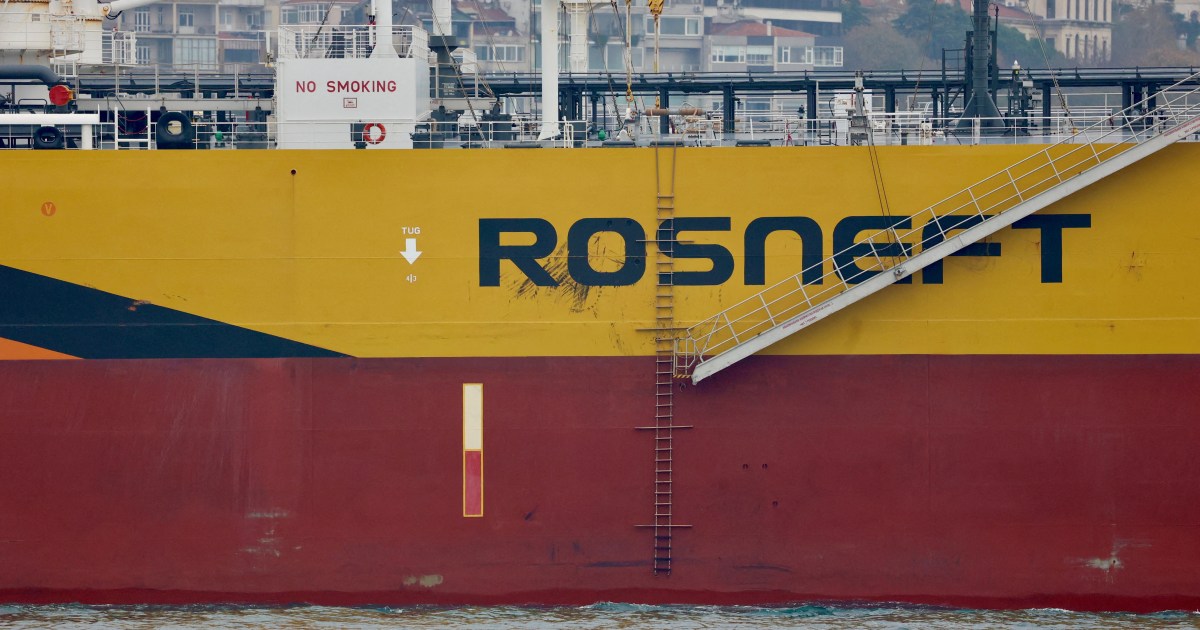
Since Washington imposed sweeping sanctions on Russia’s two largest oil companies, Rosneft and Lukoil, in October, early indicators suggest these measures are significantly disrupting the Kremlin’s capacity to sell its crude oil on global markets. These restrictions have blacklisted entities responsible for a substantial share of Russian crude exports and have deterred banks, traders, and refiners from participating in transactions, especially within the Asian market. While the Trump administration may have lagged behind Europe in imposing sanctions on Russia’s "shadow fleet" of oil tankers, it has taken a more aggressive stance on targeting Iran’s oil exports. This dual approach has resulted in a greater volume of "black market" oil circulating in the global economy, creating new challenges and opportunities for sanctions enforcement.
The consequence of these combined pressures has been a burgeoning surplus of oil seeking buyers. Tens of millions of barrels have accumulated in storage or on tankers, adrift without firm destinations, as refiners hesitate to expose themselves to potential sanctions violations. This emerging pattern indicates that sanctions are not halting Russian oil exports outright but are instead forcing a slower, more uncertain, and heavily discounted trade. Russian crude must now actively hunt for buyers, often accepting significantly reduced prices to secure sales.
Consequently, even as geopolitical risk premiums, amplified by threats to Iran’s oil sector, have pushed the benchmark Brent crude oil price above $70 per barrel, Russia has been compelled to offer discounts of up to $30 per barrel to attract buyers. This dynamic underscores the effectiveness of U.S. sanctions in limiting Russia’s revenue generation from its primary export commodity.
This pressure is not solely a U.S. initiative. Even in India, a significant purchaser of Russian oil, where Washington has openly negotiated tariff reductions in exchange for decreased Russian oil purchases, European sanctions have added considerable weight. Brussels has significantly tightened its "anti-circumvention measures" over the past year, extending its reach to target refineries in both China and India. In India, for instance, the country’s second-largest refinery, Vadinar, partially owned by Rosneft, has been under sanctions since mid-2023, further complicating Russia’s export strategy.
Europe is currently preparing its 20th sanctions package, which includes proposals for a complete ban on providing any support for the trading of Russian crude oil. However, the implementation of this package, as well as a crucial 90-billion-euro ($106 billion) loan package agreed upon by Brussels for Kyiv in December, has been delayed by internal EU disagreements. Hungary, in particular, extended its veto on the eve of the anniversary of the full-scale invasion, highlighting the persistent challenges in achieving unified action among member states.
Myth 3: Europe Must Fund Ukraine’s Reconstruction Solely From Its Own Coffers
The third significant myth that warrants dispelling is the notion that Europe must solely bear the financial burden of assisting Kyiv’s reconstruction efforts from its own budgetary resources. The European Union possesses a viable and largely untapped alternative: Russia’s frozen sovereign assets. These assets, primarily held within EU jurisdictions, represent a substantial financial reservoir that could be leveraged to support Ukraine’s recovery and deter future Russian aggression.
The 90-billion-euro loan plan, for example, was a last-minute improvisation in December, stemming from the EU’s failure to coalesce around a plan to utilize these frozen Russian assets. While negotiations faltered last year, this does not preclude their revival. The substantial share of these assets under EU control presents a compelling opportunity for Brussels to exert greater financial pressure on Moscow and provide sustained support for Ukraine.
With Russia-U.S.-Ukraine diplomatic negotiations yielding no discernible progress, and both sides bracing for continued conflict into its fifth year, the economic war is poised to persist. To achieve a genuine collapse of the Russian economy and compel Moscow to negotiate an end to the war on terms favorable to Ukraine and international stability, the West must adopt bolder measures that have thus far proven elusive. The alternative—accepting a settlement on the Kremlin’s terms—risks emboldening future aggression and undermining the global security architecture. The strategic deployment of frozen Russian assets offers a potent tool in this ongoing economic confrontation, a tool that Europe has yet to fully embrace.