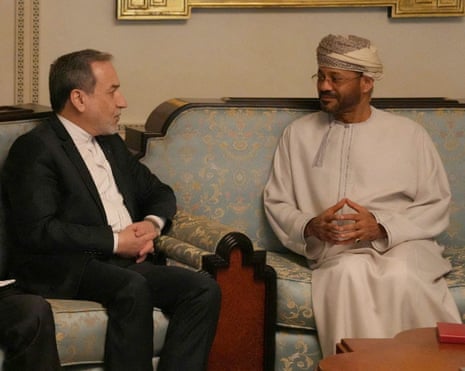
Indirect negotiations between senior American and Iranian officials commenced Friday in Muscat, Oman, representing a high-stakes diplomatic attempt to prevent a direct military confrontation in the Persian Gulf. The talks, mediated by Omani Foreign Minister Sayyid Badr Albusaidi, come as the United States maintains a massive naval presence in the region and President Donald Trump continues to issue warnings of potential strikes against Tehran’s nuclear infrastructure.
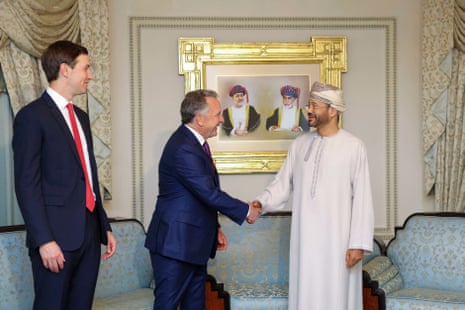
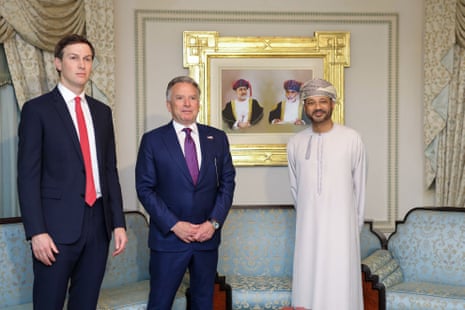
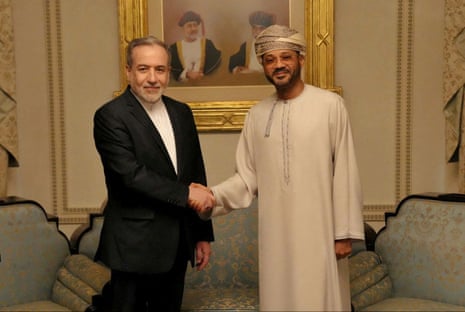
The American delegation, featuring U.S. Special Envoy Steve Witkoff and Jared Kushner, arrived at the Omani palace shortly after the departure of the Iranian team led by Foreign Minister Abbas Araghchi. While the two sides are not meeting face-to-face, the Omani mediation aims to bridge a widening chasm between Washington’s demands for a comprehensive regional overhaul and Tehran’s insistence on narrow nuclear concessions in exchange for immediate sanctions relief.

Diplomatic Maneuvers in Muscat
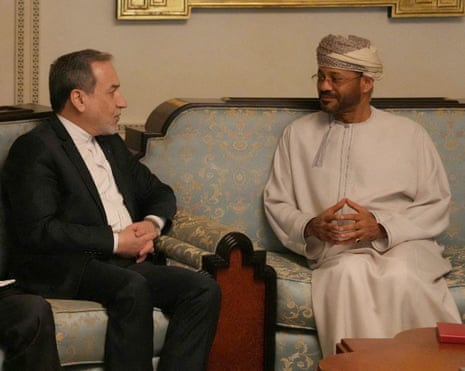
The Omani Foreign Ministry confirmed that the initial consultations focused on "preparing the appropriate conditions for resuming diplomatic and technical negotiations." The Sultanate has long served as a backchannel for the two adversaries, but the current atmosphere is notably more volatile than previous sessions. Reports from the palace indicated that the discussions are occurring in a "staggered" format, with Omani officials shuttling between separate rooms to convey proposals and counter-offers.
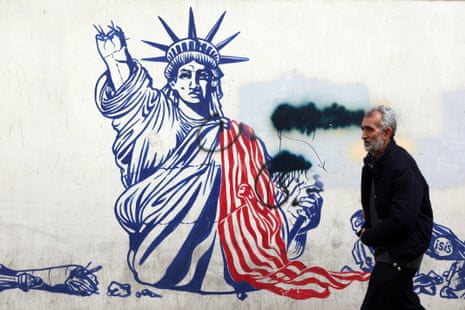
Foreign Minister Araghchi, speaking via social media prior to the start of the session, stated that Iran enters the talks with "open eyes and a steady memory." He emphasized that any durable agreement must be based on "equal standing and mutual respect," while warning that Tehran remains prepared to defend its sovereignty against what he termed "acts of adventurism." The rhetoric highlights the deep-seated mistrust that has defined the relationship since the U.S. withdrawal from the 2015 nuclear deal.
Despite the Iranian optimism for a focused dialogue, U.S. officials have signaled that the window for a purely nuclear arrangement may have closed. The Trump administration has indicated that any lifting of economic pressure must be accompanied by verifiable changes in Iran’s ballistic missile development and its support for regional proxy groups, including Hezbollah in Lebanon and the Houthis in Yemen.
Escalating Military Posture in the Persian Gulf
The backdrop to the Muscat talks is one of significant military mobilization. President Trump recently characterized the U.S. naval presence in the Middle East as an "armada" larger than any force previously deployed to the region. This task force is centered around the USS Abraham Lincoln aircraft carrier strike group, which has been patrolling the Arabian Sea and the entrance to the Persian Gulf.
Tensions reached a boiling point earlier this week when the U.S. Navy reported shooting down an Iranian Shahed-139 drone. According to Pentagon officials, the unmanned aerial vehicle approached the Abraham Lincoln in an "aggressive manner," necessitating a defensive strike. Iranian state media countered this narrative, claiming the drone was on a routine surveillance mission in international waters and accused the U.S. of provocative behavior.
The military buildup is seen by analysts as a "maximum pressure" tactic designed to force Tehran to the negotiating table in a weakened state. President Trump has publicly stated that while he believes Iran wants to make a deal, the U.S. is prepared for alternative scenarios. "If we do make a deal, that’s good," Trump told reporters last weekend. "If we don’t, we’ll see what happens."
Internal Unrest and the Survival of the Iranian State
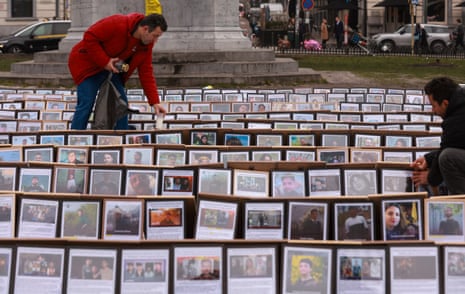
While the international community focuses on the nuclear dimensions of the crisis, the Iranian government is simultaneously grappling with unprecedented domestic instability. In January, a wave of anti-government protests swept across more than 200 cities, triggered by economic hardship and political repression. The government responded with a near-total internet blackout and a violent crackdown that human rights groups say resulted in thousands of deaths.
Reports emerging from the city of Rasht and other urban centers describe a systematic campaign to quell the uprising. Eyewitness accounts and hospital records smuggled out of the country suggest that security forces used live ammunition against unarmed crowds. Some estimates from international human rights organizations place the death toll in the tens of thousands, though the Iranian government has not released official figures.
Experts suggest that this internal pressure is the primary driver behind Tehran’s willingness to engage in the Oman-mediated talks. The Iranian economy has been hollowed out by years of U.S. and international sanctions, leading to a pauperized middle class and a volatile social environment. For the ruling clerics, securing access to frozen financial assets and resuming oil exports may be a matter of regime survival rather than mere diplomatic preference.
The Red Lines: Nuclear Enrichment vs. Regional Deterrence
The central conflict in Muscat remains the scope of the agenda. U.S. Secretary of State Marco Rubio has insisted that the talks must be "all-encompassing," covering the nuclear program, ballistic missiles, regional "terrorism" sponsorship, and the treatment of Iranian citizens. This broad approach is a significant departure from the 2015 Joint Comprehensive Plan of Action (JCPOA), which focused almost exclusively on nuclear limits.
Iran has flatly rejected this expansion. Araghchi and other top officials have maintained that the nation’s ballistic missile program is non-negotiable, viewing it as the country’s sole deterrent against potential Israeli or American strikes. "Doing so will mean not only the surrender of Iran but it will become naked in the face of future attacks," noted Fawaz Gerges, a professor of international relations at the London School of Economics.
However, there are indications that Iran may be willing to make "painful concessions" regarding its nuclear program to secure the survival of the state. These concessions could include a long-term suspension of high-level uranium enrichment or the dismantling of certain centrifuge arrays. In exchange, Tehran is seeking the immediate unfreezing of billions of dollars in assets held in foreign banks and a roadmap for the removal of primary and secondary sanctions.
The Role of International Power Brokers
The negotiations in Oman are being closely watched by global powers, particularly Russia and China. The Kremlin released a statement Friday welcoming the Muscat talks and urging both sides to exercise restraint. Russia and Iran have deepened their strategic ties over the past year, culminating in a 20-year defense and economic partnership treaty. Moscow views a stable Iran as a key component of its Middle Eastern strategy, though it remains wary of a full-scale regional war.
European leaders have also expressed a desire for a diplomatic resolution, though their influence has waned as the standoff has become a direct confrontation between Washington and Tehran. The presence of Jared Kushner in the U.S. delegation suggests that the Trump administration is prioritizing a personalized, deal-oriented approach that bypasses traditional multilateral frameworks.
Regional stakeholders, including Saudi Arabia and the United Arab Emirates, are reportedly supportive of the U.S. effort to curb Iranian influence but are anxious about the potential for a military miscalculation that could disrupt global energy markets. The Persian Gulf remains the world’s most critical transit point for oil and liquefied natural gas, and any disruption in the Strait of Hormuz would have immediate consequences for the global economy.
Economic Consequences and Global Implications
The uncertainty surrounding the talks has already caused fluctuations in global energy markets. Oil futures have remained volatile as traders weigh the possibility of a diplomatic breakthrough against the threat of military strikes on Iranian oil infrastructure. Analysts warn that a failure in Muscat could lead to a rapid escalation, including cyberattacks on regional infrastructure or maritime disruptions.
For the Iranian public, the stakes are even more personal. The value of the Iranian rial has plummeted, and inflation has made basic goods unaffordable for millions. The "painful compromises" discussed by experts would ideally lead to an influx of foreign currency and a stabilization of the domestic market, though many protesters remain skeptical that any deal with the West will result in genuine political reform at home.
The U.S. domestic political climate also plays a role in the timing of these negotiations. President Trump has frequently criticized "endless wars" while simultaneously promising to take a hard line on Iranian "aggression." Achieving a comprehensive deal that addresses nuclear concerns, missiles, and human rights would be framed as a major foreign policy victory, while a return to military action would test the American public’s appetite for another Middle Eastern conflict.
Next Steps in the Muscat Process
As the first day of indirect talks concludes, the immediate goal is to establish a framework for ongoing technical discussions. Omani officials have not indicated how long the current round will last, but the presence of high-level envoys suggests a sense of urgency. The departure of the U.S. convoy from the palace on Friday afternoon marked the end of the initial consultative phase, with both sides expected to review the proposals with their respective leaderships.
The coming days will be critical in determining whether the "maximalist positions" of both nations can be reconciled. If the U.S. continues to insist on a total overhaul of Iranian regional behavior and Tehran refuses to discuss anything beyond uranium enrichment, the talks may collapse as they did in June of last year. However, the severe economic pressure on Iran and the heavy U.S. military presence have created a new set of incentives that did not exist during previous rounds of diplomacy.
For now, the world waits to see if the quiet halls of the Muscat palace can produce a resolution that the warships in the Persian Gulf cannot. The path to a sustainable peace remains fraught with historical grievances and strategic "red lines," but the resumption of dialogue offers a narrow window of opportunity to move the region away from the brink of total war.