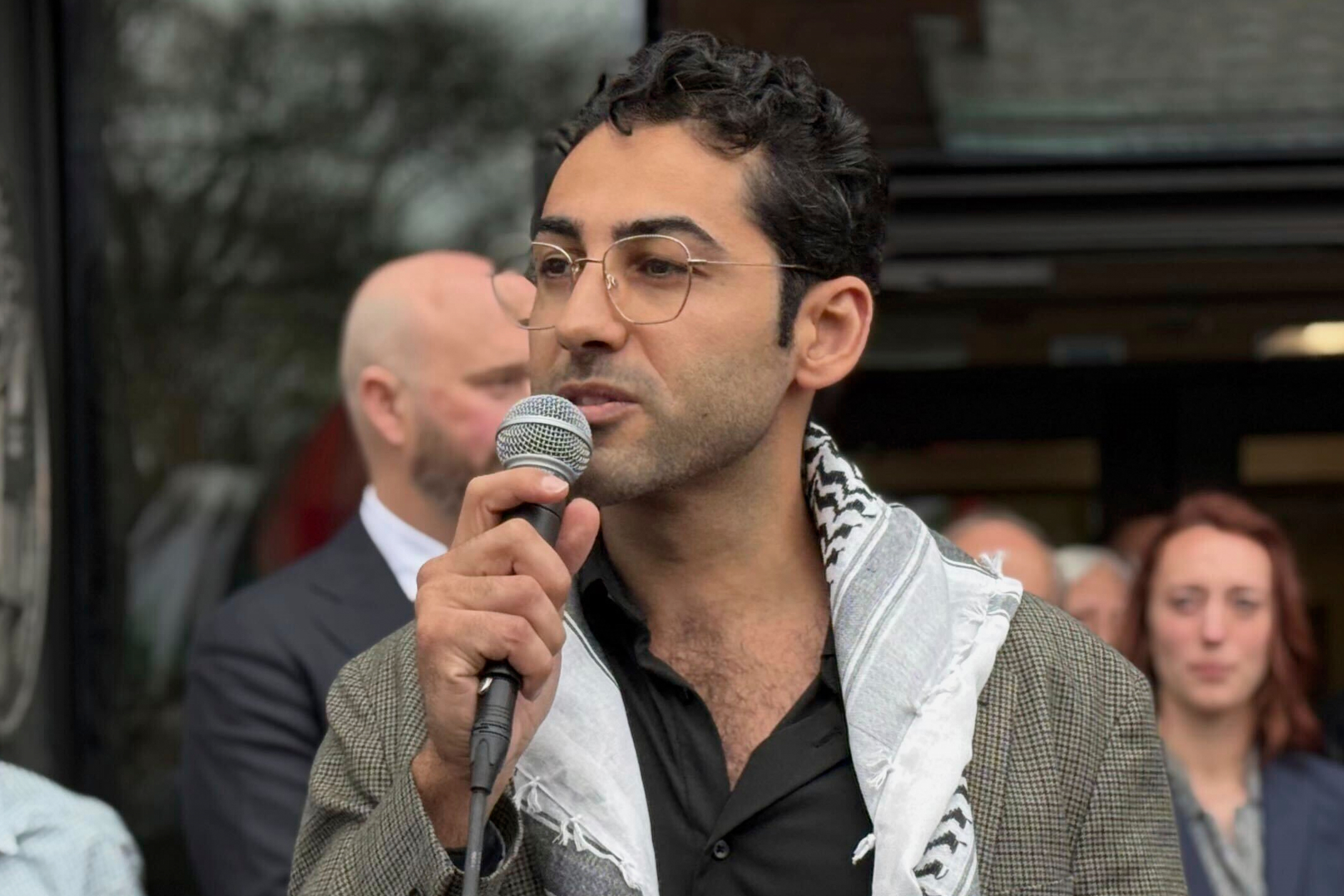
An immigration judge has delivered a significant ruling against a Trump administration effort to deport Mohsen Mahdawi, a Palestinian student activist and Columbia University student, effectively halting the deportation proceedings initiated during the former president’s tenure. The decision, formally issued on February 13 and made public through court filings this week, marks a victory for Mahdawi and his supporters who have framed the case as a critical defense of free speech and due process.
Mahdawi’s Legal Battle and Free Speech Advocacy
The case centers on Mahdawi’s activism at Columbia University, a prominent Ivy League institution that became a focal point for pro-Palestinian protests in 2024. Mahdawi, a lawful permanent resident who grew up in a Palestinian refugee camp in the occupied West Bank and has resided in Vermont for a decade, was pursuing a philosophy degree at Columbia. His involvement in organizing and advocating for Palestinian rights led to his arrest and subsequent detention by Immigration and Customs Enforcement (ICE).
The Trump administration had sought to deport Mahdawi, citing his immigration status and his participation in campus demonstrations. However, an immigration judge’s ruling has now stalled these efforts. The decision was disclosed as part of court documents filed with a federal appeals court in New York, which had been reviewing a challenge by the Trump administration to Mahdawi’s earlier release from custody.
In a statement released via the American Civil Liberties Union (ACLU), Mahdawi expressed his gratitude for the court’s decision. He characterized the ruling as a vindication of fundamental rights, stating, "I am grateful to the court for honoring the rule of law and holding the line against the government’s attempts to trample on due process." Mahdawi emphasized the broader implications, adding, "This decision is an important step towards upholding what fear tried to destroy: the right to speak for peace and justice."
Background of the Deportation Proceedings
Mahdawi’s legal troubles began to escalate in early 2024, a period marked by heightened tensions on college campuses across the United States over the ongoing conflict in Gaza. Columbia University, in particular, saw significant pro-Palestinian demonstrations. Mahdawi was a visible figure within this movement, co-founding a Palestinian student society at the university.
His arrest on April 14, 2024, occurred under circumstances his legal team and advocates describe as retaliatory. According to the ACLU, Mahdawi was apprehended at a meeting purportedly scheduled to process his citizenship application, an event they allege was a pretext for his detention. The ACLU asserted that ICE detained him "in direct retaliation for his advocacy of Palestinian rights."
Prior to Mahdawi’s arrest, another student activist, Mahmoud Khalil, who had co-founded the Palestinian student society with Mahdawi, became the first student protester to be detained by ICE in March 2024. This pattern of arrests and detentions raised concerns among civil liberties advocates about a broader crackdown on foreign-born student activists expressing pro-Palestinian sentiments.
Legal Maneuvers and Judicial Intervention
The Trump administration’s attempt to deport Mahdawi involved several legal maneuvers. Following his arrest, ICE sought to transfer Mahdawi to a detention facility in Louisiana. However, a court order successfully blocked this transfer, preventing his removal from New York while his case was pending.
Mahdawi was eventually released from custody on April 30, 2024. The release was facilitated by a ruling from US Judge Geoffrey Crawford, who criticized the Trump administration’s actions. Judge Crawford reportedly stated that the government had caused "great harm" to Mahdawi, who had not been accused of committing any criminal offense. This judicial intervention underscored the legal challenges the administration faced in its efforts to detain and deport the student activist.
The "Without Prejudice" Clause and Future Uncertainty
While the immigration judge’s recent ruling is a significant setback for the Trump administration’s deportation bid, it carries a crucial legal caveat. The ACLU noted that the court’s decision was made "without prejudice." This legal term signifies that the government retains the option to refile its case against Mahdawi.
This means that the threat of deportation has not been entirely eliminated. The Trump administration, or any subsequent administration, could potentially initiate new removal proceedings against Mahdawi, presenting new arguments or evidence. The outcome of such future actions would depend on the specific legal strategies employed and the interpretations of immigration law by the courts.
Broader Implications for Free Speech and Activism
Human rights advocates have widely condemned the Trump administration’s alleged campaign to deport foreign-born student activists as an attempt to suppress dissent and chill free speech on university campuses. Critics argue that targeting students for their political expression, particularly concerning sensitive geopolitical issues like the Israeli-Palestinian conflict, sets a dangerous precedent.
Mahdawi’s case emerged against a backdrop of increased pressure on universities to address pro-Palestinian protests. The Trump administration had publicly urged institutions to crack down on demonstrations, often linking them to anti-Semitism. In some instances, the administration initiated investigations into universities, alleging civil rights violations in response to prominent pro-Palestinian activism.
In July 2024, Columbia University reached a $200 million settlement with the Trump administration, with an additional $21 million allocated to conclude a probe into allegations of religious-based harassment. Notably, the university did not admit to any wrongdoing as part of this settlement.
Mahdawi’s Defiance and Message of Peace
Following his release from custody in April 2024, Mahdawi emerged from the courthouse to a supportive crowd, raising his hands in a gesture of peace and acknowledging the cheers of his supporters. In his remarks at the time, he directly addressed former President Trump, declaring, "I am not afraid of you."
Mahdawi also extended his message to the people of Palestine, aiming to clarify the nature of the student protest movement. He emphasized, "We are pro-peace and antiwar." His words conveyed solidarity and hope, stating, "To my people in Palestine: I feel your pain, I see your suffering, and I see freedom, and it is very soon."
The Campaign Against Pro-Palestine Advocacy
Mahdawi’s legal battle is indicative of a wider trend during the Trump administration, which sought to target visa holders and permanent residents for their advocacy related to Palestine. This approach raised significant concerns about the potential for immigration policies to be weaponized against political expression.
The administration’s efforts to police campus discourse and its actions against student activists underscore the complex intersection of immigration law, free speech rights, and foreign policy. The legal challenges faced by individuals like Mahdawi highlight the ongoing debate over the boundaries of protected speech, particularly for non-citizens residing in the United States.
Next Steps and the Future of the Case
The immigration judge’s decision to reject the deportation bid is a temporary reprieve for Mohsen Mahdawi. The "without prejudice" clause means that the legal saga is far from over. The case will likely continue to be monitored by civil liberties organizations and those invested in the rights of student activists and immigrants.
The federal appeals court in New York’s ongoing review of Mahdawi’s release from custody also remains a significant factor. The ultimate resolution of Mahdawi’s immigration status will depend on further legal proceedings and potential appeals. This ruling, however, represents a crucial moment, affirming the importance of due process and the right to express political views, even in the face of governmental pressure.