The United Nations has confirmed that the United States has remitted approximately $160 million of its substantial outstanding dues, which collectively approach $4 billion. This payment is earmarked for the UN’s regular operating budget, a crucial but increasingly precarious financial lifeline for the international organization. The transaction comes at a time of significant fiscal pressure for the UN, a situation exacerbated by the vocal skepticism and reduced financial commitments from the administration of U.S. President Donald Trump.
This partial payment underscores a complex and often contradictory relationship between the United States and the United Nations. While the U.S. remains the largest single financial contributor to the global body, its recent actions and rhetoric have cast a shadow over its long-term commitment, raising concerns among member states and UN leadership about the organization’s stability and operational capacity. The ongoing arrears represent a significant portion of the UN’s overall budget deficit, impacting its ability to fund critical global initiatives.
A Deepening Financial Chasm at the United Nations
The United Nations operates on a complex assessment system where each of its 193 member states is obligated to contribute financially based on their economic capacity. This formula ensures that wealthier nations bear a larger proportion of the costs, with the wealthiest capped at 22 percent of the regular budget, while the least developed countries might contribute as little as 0.001 percent. Despite this established framework, a persistent pattern of delayed and unpaid dues has plunged the UN into a recurring financial crisis.
This latest payment from the U.S. addresses a fraction of its total obligations. UN officials have previously indicated that the United States accounts for a staggering 95 percent of the arrears to the organization’s regular budget. This dependency on a single member state’s contributions creates inherent vulnerabilities. The shortfall has already forced the UN to implement austerity measures, including spending cuts and reductions in various services that are vital for its global operations and humanitarian efforts.
President Trump’s Shifting Stance on UN Funding
President Donald Trump has been a vocal critic of the United Nations, frequently questioning its effectiveness and value. He has often characterized the organization as bogged down by bureaucracy and failing to achieve its stated goals, particularly in conflict resolution and peacekeeping. During his tenure, his administration has pursued policies that include significant cuts to foreign aid and a withdrawal from several international agreements and organizations, further signaling a reevaluation of the U.S. role on the global stage.
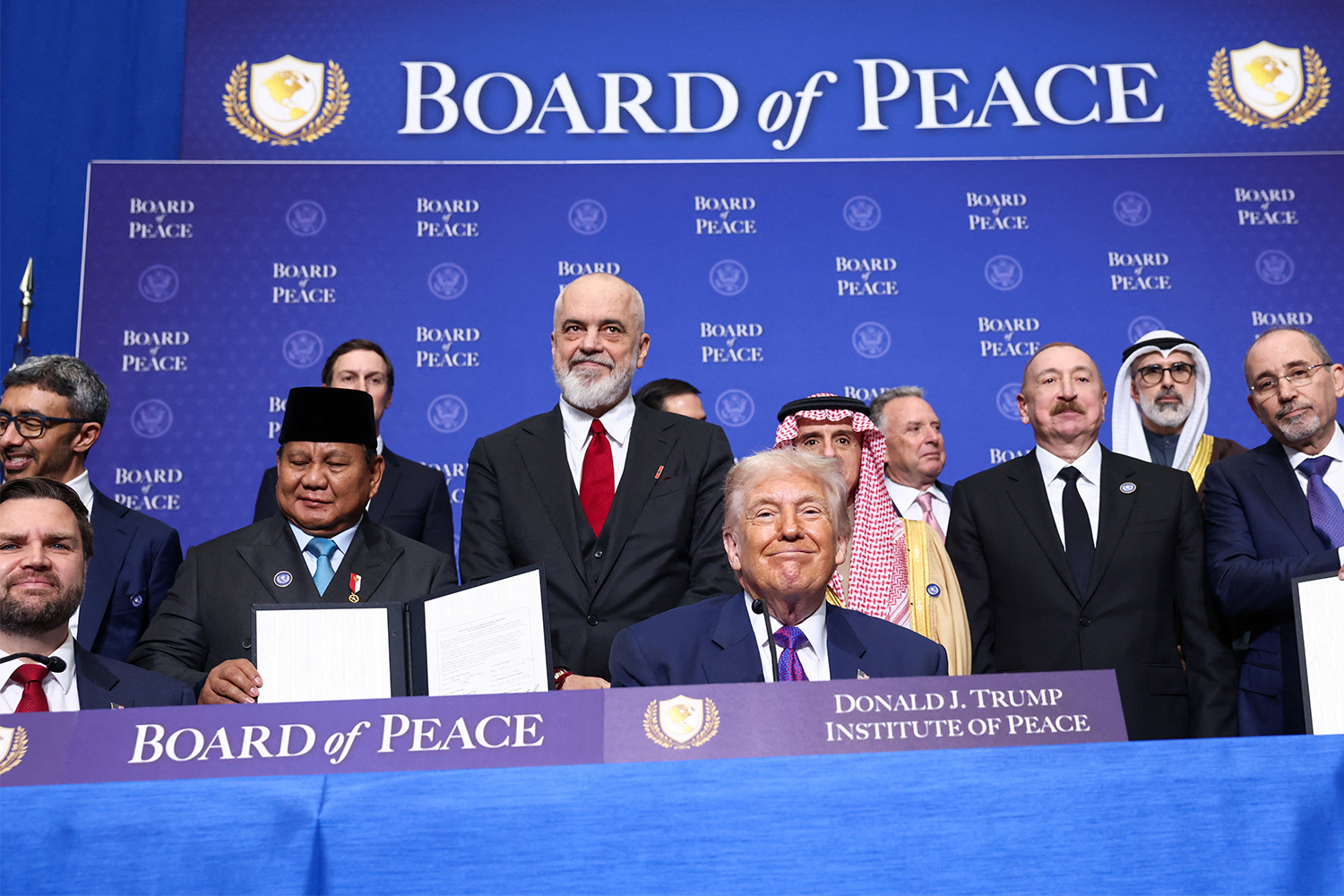
In a notable shift in tone, President Trump recently expressed a willingness to support the UN financially, stating during the inaugural meeting of his Board of Peace in Washington, D.C., that "We’re going to help them money-wise, and we’re going to make sure the United Nations is viable." He added his belief that the organization would "eventually live up to its potential," describing such an outcome as a "big day." This statement, however, came without specific details regarding the resolution of the outstanding U.S. dues, leaving many to question the concrete implications of his remarks.
The UN’s Dire Financial Warning
The precarious financial situation of the United Nations was starkly highlighted last month by UN Secretary-General Antonio Guterres. He issued a dire warning that the organization faces an "imminent financial collapse" if its financial regulations are not reformed or if all member nations fulfill their payment obligations. Guterres revealed that the UN’s regular operating budget could be depleted as early as July, a scenario that would have severe repercussions for its extensive global operations, including humanitarian aid, peacekeeping missions, and development programs.
The United States, as the world’s largest economy, holds the position of the UN’s most significant donor. However, its substantial unpaid dues have placed an immense burden on the organization’s financial stability. The arrears include approximately $2.196 billion owed to the regular budget, with $767 million specifically for the current year. An additional $1.8 billion is outstanding for the UN’s critical peacekeeping operations, which are essential for maintaining global security and stability in numerous volatile regions.
Criticism and Concerns Over “Empty Words”
President Trump’s past criticisms of the UN have been well-documented. At the UN General Assembly in September, he questioned the organization’s purpose, stating, "What is the purpose of the United Nations? All they seem to do is write a really strongly worded letter and then never follow that letter up. It’s empty words." This sentiment has been echoed by many who believe the UN has failed to deliver on its promises.
His administration’s actions have often mirrored this rhetoric. Throughout his second term, Trump has implemented substantial cuts to foreign aid and has withdrawn the U.S. from numerous international commitments. In January, his government announced its withdrawal from 31 UN programs, including the UN Democracy Fund and an agency focused on maternal and child health. These actions have led critics to dismiss his recent statements of support as "empty words," suggesting a lack of genuine commitment to strengthening the UN.
The Board of Peace: A Rival or a Complement to the UN?
President Trump’s establishment of a Board of Peace, intended to oversee the Gaza ceasefire, has also drawn scrutiny. Many observers view this initiative as a direct challenge to the UN Security Council’s long-standing role in conflict prevention and resolution. The board, chaired by Trump himself, has been described by critics as a "parallel system" that risks undermining the UN’s authority and operational effectiveness.
During the Board of Peace meeting, Trump suggested that his board would "almost be looking over the United Nations and making sure it runs properly." This framing indicates a potential desire by the U.S. administration to exert greater control and oversight over international diplomatic efforts, potentially bypassing or influencing established UN mechanisms. The creation of such bodies raises questions about the future of multilateralism and the UN’s central role in global governance.
Broader Implications for International Cooperation
The United States’ financial relationship with the UN has significant implications for global cooperation and the effectiveness of international institutions. The UN relies on consistent and substantial funding from its member states to carry out its mandate of promoting peace, security, and development worldwide. When major contributors like the U.S. fall behind on their payments, it not only creates immediate financial challenges but also erodes the predictability and reliability of the UN’s operations.
The ongoing arrears and the fluctuating commitment from the U.S. can embolden other nations to question their own financial responsibilities, creating a domino effect that further strains the UN’s resources. This financial instability can hinder the UN’s ability to respond effectively to emerging global crises, from humanitarian emergencies to climate change mitigation efforts. The organization’s capacity to mediate conflicts, provide essential services, and uphold international law is directly tied to the financial support it receives.
The UN’s Role in a Fractured World
In an increasingly interconnected yet fragmented world, the United Nations serves as a critical platform for dialogue, cooperation, and collective action. Its ability to convene nations, set international norms, and coordinate responses to complex challenges remains unparalleled. However, the effectiveness of these functions is contingent upon the commitment and contributions of its member states.
The ongoing financial uncertainties surrounding the UN, particularly concerning the contributions of its most significant financial backer, raise profound questions about the future of multilateralism. The organization’s ability to adapt to new global realities and address pressing issues like pandemics, terrorism, and economic inequality is directly linked to its financial health. The current situation highlights the urgent need for a renewed commitment from all member states to ensure the UN can continue to fulfill its vital mission in a world that increasingly needs its stabilizing influence.
The Path Forward: Dues, Diplomacy, and the UN’s Future
The United States’ partial payment of its UN dues represents a step, albeit a small one, towards addressing the organization’s financial crisis. However, the substantial remaining arrears and the backdrop of President Trump’s critical rhetoric suggest that the path towards a stable and predictable financial relationship remains complex. The UN’s ability to weather its current financial storm will depend not only on the actions of the United States but also on the collective commitment of all its member states.
The coming months will likely see continued diplomatic efforts to resolve the outstanding dues and to clarify the U.S. administration’s long-term intentions regarding its engagement with the United Nations. The international community will be closely watching to see if the recent statements of support translate into sustained financial commitment and a more collaborative approach to global governance, or if the organization will continue to grapple with the consequences of significant funding shortfalls. The future efficacy of the United Nations as a cornerstone of international peace and cooperation hinges on these critical developments.