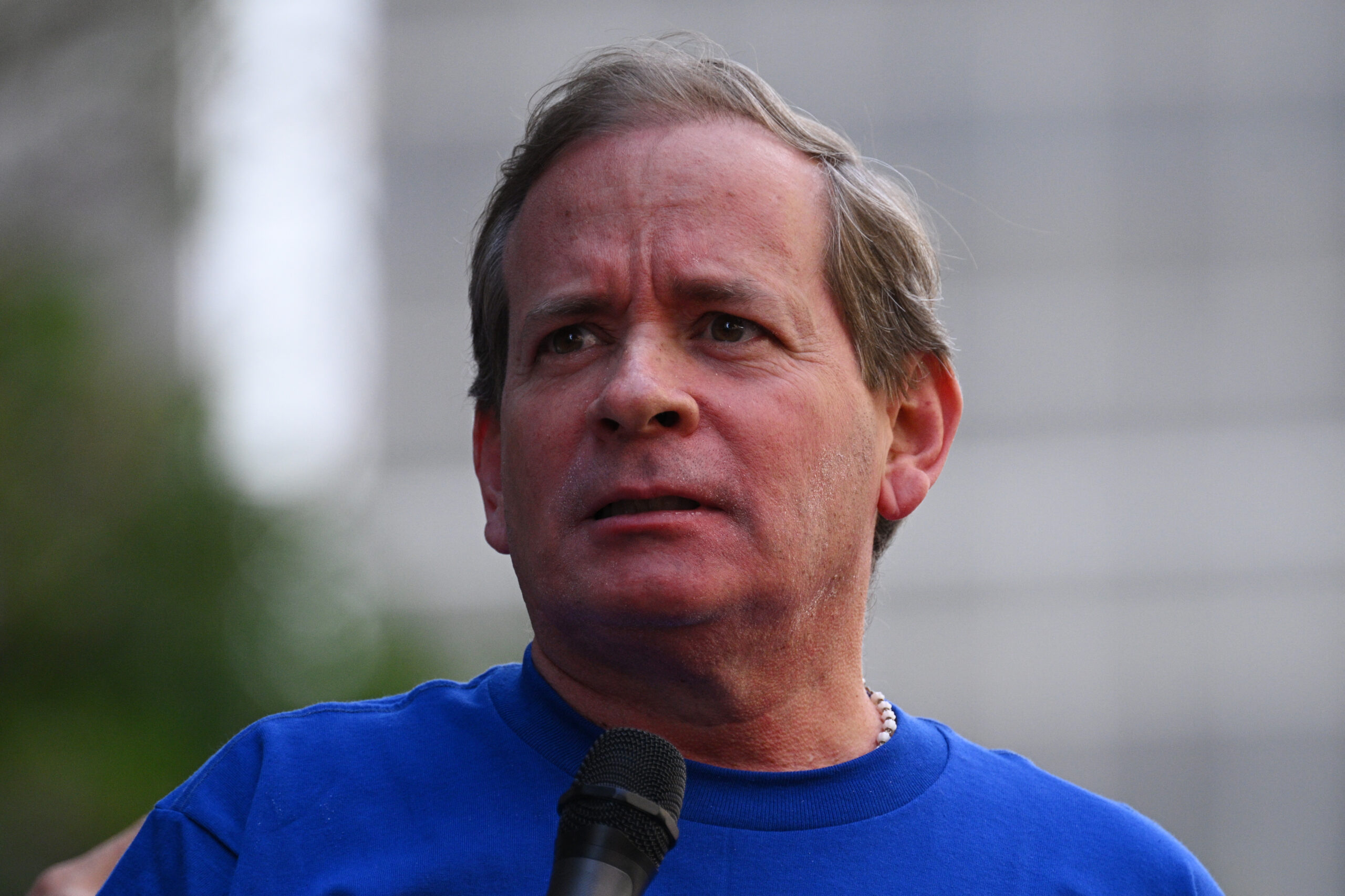
Juan Pablo Guanipa, a prominent Venezuelan opposition politician and close associate of Nobel laureate María Corina Machado, has been released from detention, his family announced Sunday, marking another significant liberation of political detainees as the government in Caracas faces mounting international pressure. The release of Guanipa, who had been held for nearly nine months, comes as part of a wave of government-ordered releases that rights organizations say have freed hundreds of individuals previously imprisoned for political reasons.
Background to Guanipa’s Detention and Release
Guanipa’s freedom on Sunday follows a period of intense scrutiny and diplomatic maneuvering surrounding political prisoners in Venezuela. He was arrested in May 2025 after spending months in hiding. Authorities accused him of leading a "terrorist" plot, allegations vehemently denied by his family and the political movement he represents. The Venezuelan government has consistently denied holding political prisoners, asserting that all detained individuals have committed criminal offenses.
The government’s recent actions, including Guanipa’s release, are seen by many observers as a response to persistent demands from the United States and other international bodies calling for the freedom of political detainees. These releases have been ongoing since January 8, when the government announced a new series of commutations and pardons. According to Foro Penal, a Venezuelan human rights group, the government has verified the release of 383 political prisoners since that announcement.
Guanipa’s Statement and Hopes for Venezuela’s Future
Emerging from detention, Guanipa expressed his readiness to engage in crucial discussions about the nation’s trajectory. "Ten months in hiding and almost nine months detained here," he stated, reflecting on his ordeal. "There’s a lot to talk about regarding the present and future of Venezuela, always with the truth front and center." His words suggest a commitment to pursuing political dialogue and reform based on transparency and factual accounts of the country’s challenging circumstances.
Guanipa’s close ties to María Corina Machado, a leading figure in the Venezuelan opposition and a recipient of the Nobel Peace Prize, underscore the political significance of his release. Machado herself celebrated Guanipa’s freedom on the social media platform X, reiterating her call for the unconditional release of all political prisoners held within Venezuela.
Broader Calls for Full Freedom and End to Persecution
The release of Guanipa is part of a larger narrative of political detentions and subsequent liberations that has defined Venezuela’s recent history. Exiled opposition leader Edmundo González Urrutia also used X to demand the "immediate release" of all political prisoners. He cautioned against interpreting these releases as a definitive end to state repression, emphasizing that true freedom requires the cessation of all restrictive measures.
"These releases are not synonymous with full and complete freedom," González Urrutia posted. "As long as legal proceedings remain open and restrictive measures, threats or surveillance remain, the persecution continues." His statement highlights the concerns of the opposition that the government may be employing selective releases as a tactic while maintaining the underlying apparatus of political control and intimidation.
For years, Venezuela’s opposition coalition and human rights organizations have contended that the government has systematically used detentions to suppress dissent and stifle political opposition. The government’s counter-narrative has consistently been that individuals are imprisoned for criminal acts, not for their political views or activities.
Government Initiatives: Amnesty Law and Detention Center Conversion
In parallel with the prisoner releases, Venezuelan interim President Delcy Rodríguez has advanced significant legislative and infrastructural proposals. She announced a proposed "amnesty law" aimed at freeing hundreds of prisoners who have been jailed for participating in political protests or for criticizing public figures. This legislation also seeks to facilitate the return of assets belonging to detained individuals and to cancel Interpol and other international measures previously issued by the government.
The proposed amnesty law passed its initial vote in the National Assembly this week and requires a second approval to become law. This legislative effort, if fully enacted, could have a substantial impact on the landscape of political detention in Venezuela.
Furthermore, Rodríguez announced plans to convert the notorious Helicoide detention center in Caracas into a center for sports and social services. Human rights groups have long denounced the Helicoide as a site of severe prisoner abuse and mistreatment. The proposed conversion signals a potential shift in how such facilities are utilized, though skepticism remains regarding the practical implementation and the true intentions behind the move.
International Pressure and Venezuela’s Shifting Geopolitics
The recent actions by the Venezuelan government, including the release of political prisoners and compliance with U.S. demands on oil deals, are occurring within a complex international context. Delcy Rodríguez assumed office following what the original data described as the "abduction and deposition" of Venezuelan leader Nicolás Maduro by the United States last month. This event, if accurate, would represent a seismic shift in Venezuelan politics and its relationship with the U.S. The subsequent prisoner releases and engagement on oil deals could be interpreted as efforts by the new interim government to stabilize its position and meet international expectations.
The ongoing pressure from the United States, a key player in the international community, has been a significant factor in pushing for reforms and the release of political detainees. The U.S. has historically imposed sanctions and diplomatic pressure on Venezuela, citing concerns over human rights abuses and the erosion of democratic processes. The compliance with U.S. demands on oil deals suggests a pragmatic approach by the new leadership to re-engage with global energy markets and potentially alleviate economic hardships within the country.
The Impact on Venezuela’s Political Landscape
The release of Juan Pablo Guanipa and the broader pattern of prisoner commutations carry significant implications for Venezuela’s fractured political landscape. For the opposition, these developments offer a glimmer of hope and an opportunity to regroup and intensify their efforts to advocate for democratic reforms. However, the continued existence of legal proceedings and restrictive measures, as highlighted by Edmundo González Urrutia, means that the struggle for full civil liberties and political freedom is far from over.
The government’s initiatives, such as the proposed amnesty law and the repurposing of the Helicoide, could be viewed as steps towards de-escalation and reconciliation. However, their effectiveness will ultimately be judged by their thorough implementation and the extent to which they lead to a genuine dismantling of repressive state mechanisms. The international community, particularly the United States, will likely continue to monitor these developments closely, assessing whether they represent substantive progress or merely tactical maneuvers.
The fate of Venezuela’s political prisoners and the broader quest for democratic governance remain central to the nation’s future. The release of figures like Juan Pablo Guanipa represents a notable development, but it is one piece in a much larger and ongoing struggle for freedom and self-determination in Venezuela. The coming months will be critical in determining whether these releases signify a genuine shift towards a more open and democratic society or are part of a continuing cycle of political maneuvering.