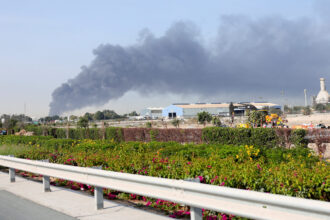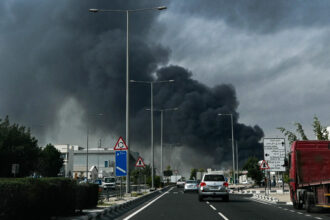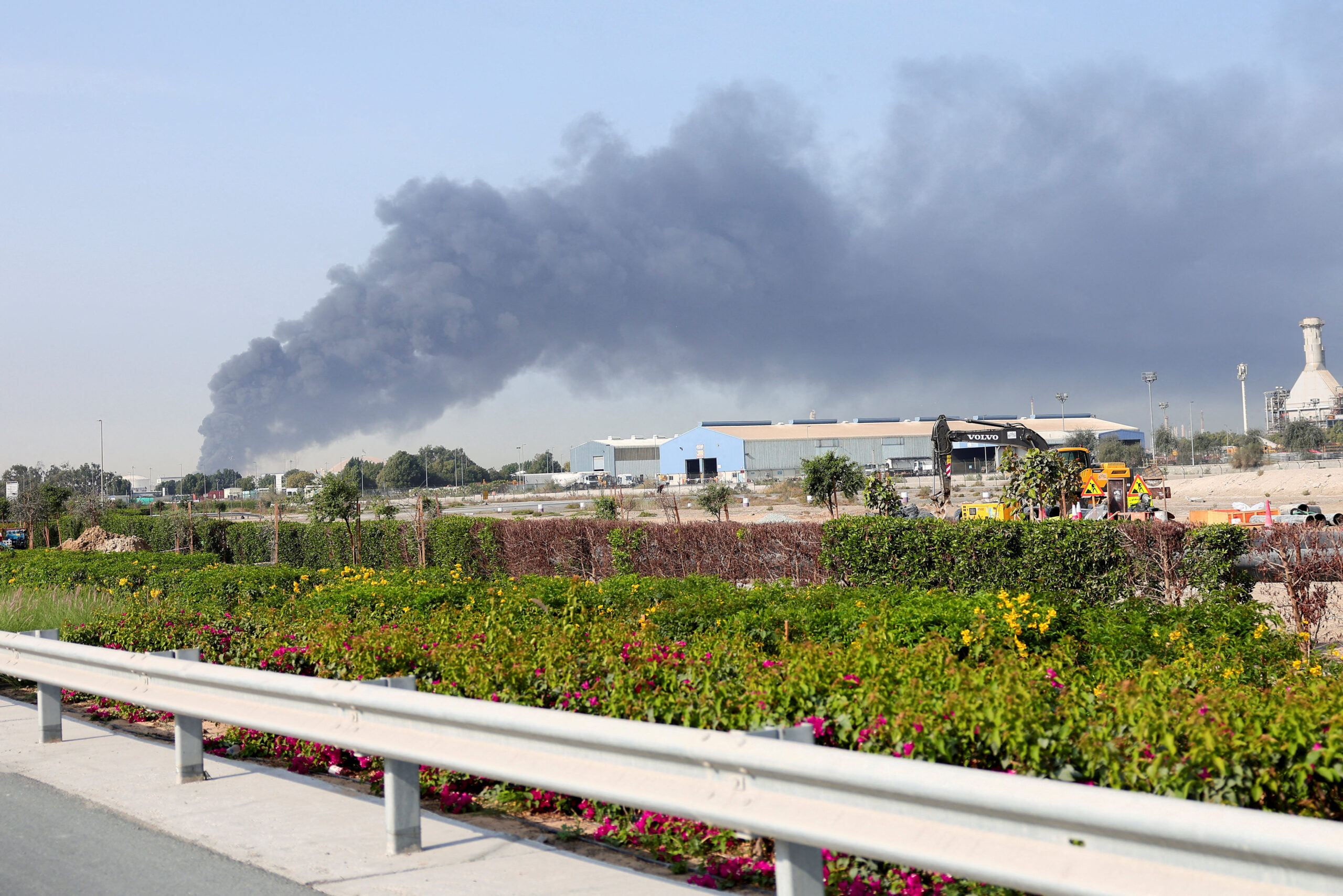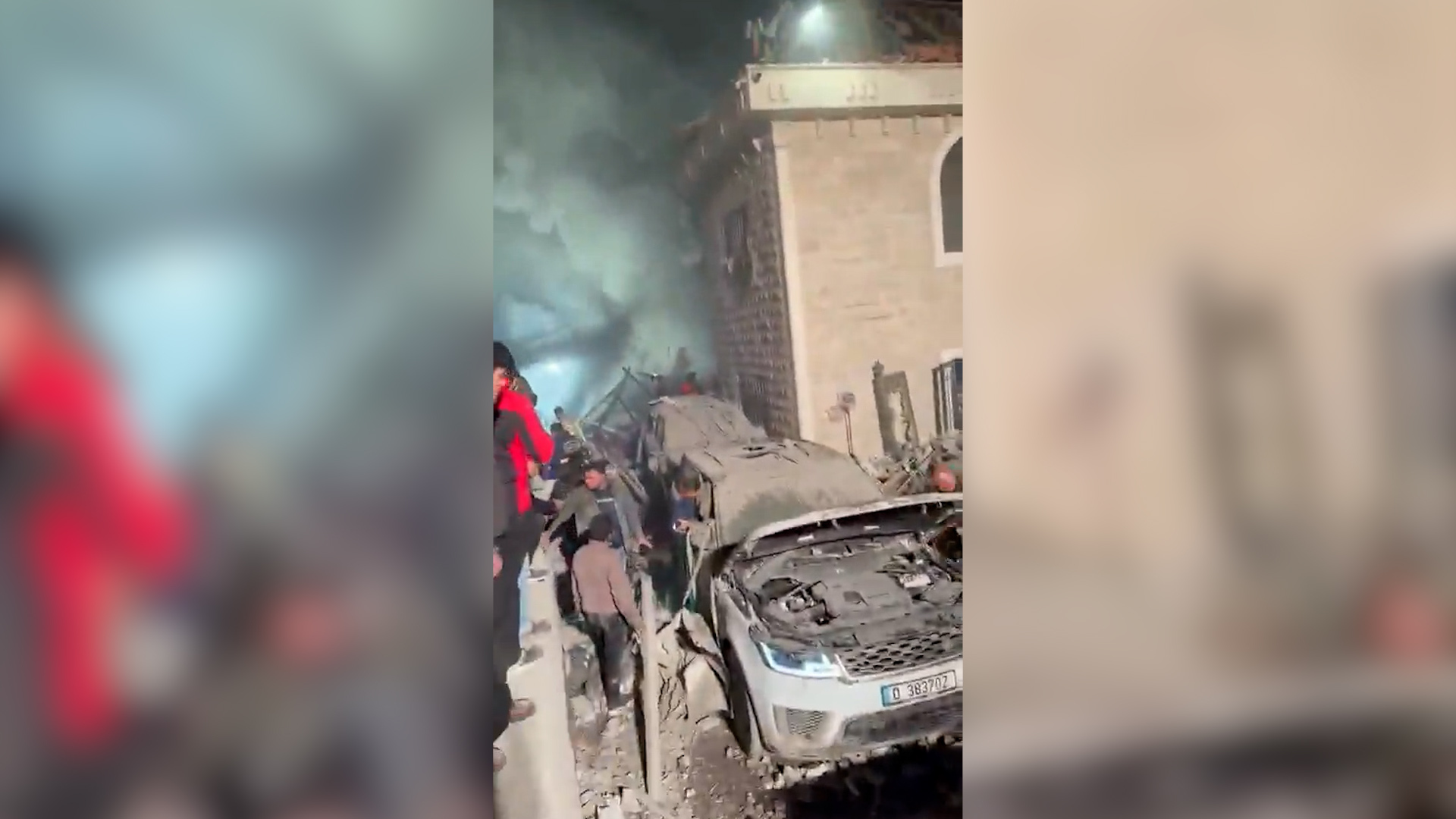
Deadly Israeli airstrikes have devastated parts of eastern Lebanon’s Bekaa Valley, with initial reports from local media indicating at least 10 individuals killed and dozens more sustaining injuries. This latest escalation follows an earlier strike on Ein el-Hilweh, the largest Palestinian refugee camp in Lebanon near Sidon, which claimed the lives of at least two people. The intensified aerial bombardments mark a significant and alarming development in the ongoing regional tensions.
Escalation in the Bekaa Valley Amidst Regional Unrest
The Bekaa Valley, a strategically vital agricultural region in eastern Lebanon, became the focal point of a series of Israeli air attacks in the early hours of February 21, 2026. Eyewitness accounts and preliminary reports from Lebanese news outlets described scenes of destruction, with buildings reduced to rubble and emergency services struggling to reach the affected areas. The precise targets and their significance remain under investigation, but the scale of the casualties suggests a deliberate and substantial military operation.
The Israeli military, in statements following the attacks, has asserted its right to respond to perceived threats originating from Lebanese territory. While specific details regarding the alleged provocations have not been fully disclosed, the operations are understood to be part of a broader strategy to counter alleged Hezbollah military infrastructure and operatives within Lebanon. This assertion sets the stage for a protracted period of heightened security concerns and potential further military exchanges.
Prior Attack on Ein el-Hilweh Camp Highlights Civilian Vulnerability
Prior to the significant strikes in the Bekaa Valley, a separate Israeli attack targeted the Ein el-Hilweh refugee camp, situated near the coastal city of Sidon. This camp, home to a large population of Palestinian refugees, has long been a sensitive area marked by internal security challenges and occasional spillover from regional conflicts. The reported deaths of at least two individuals in this earlier strike underscore the pervasive vulnerability of civilian populations caught in the crossfire of escalating hostilities.
The Ein el-Hilweh camp has a complex history, characterized by internal Palestinian factions and occasional clashes. Its status as a refuge for those displaced by decades of conflict makes any attack on its residents particularly poignant. International observers have expressed grave concerns about the potential for such incidents to further destabilize an already fragile region and exacerbate the humanitarian crisis faced by Palestinian refugees.
Humanitarian Impact and Displacement Concerns
The immediate aftermath of the Bekaa Valley attacks has been characterized by a desperate race against time to rescue survivors and provide medical aid. Hospitals in the region are reportedly overwhelmed, struggling with the influx of wounded individuals and a scarcity of essential medical supplies. The destruction of infrastructure, including homes and potentially vital community buildings, raises immediate concerns about widespread displacement and the long-term humanitarian consequences for the affected populations.
Aid organizations on the ground are mobilizing to assess the full extent of the damage and to provide much-needed assistance. However, access to some of the hardest-hit areas remains challenging due to ongoing security concerns and the sheer scale of the destruction. The long-term implications for the agricultural sector, a cornerstone of the Bekaa Valley’s economy, are also a significant worry, with potential disruptions to harvests and livelihoods.
Strategic Context of the Israeli Attacks in Lebanon
The recent Israeli attacks in Lebanon cannot be viewed in isolation but rather as part of a broader regional security dynamic. For years, Israel has expressed concerns about the growing military capabilities of Hezbollah, a powerful Lebanese Shiite political party and militant group, which it designates as a terrorist organization. Hezbollah maintains a significant arsenal of rockets and missiles, and Israel alleges that the group is increasingly using Lebanese territory as a base for operations and weapons storage.
These strikes are likely intended to degrade Hezbollah’s military infrastructure, disrupt its supply lines, and deter future attacks against Israel. The Bekaa Valley, in particular, has been identified by Israeli security officials as a key area for Hezbollah’s logistical operations and weapons manufacturing. By targeting these areas, Israel aims to create a buffer zone and diminish the immediate threat posed by the group.
Hezbollah’s Response and Regional Power Dynamics
Hezbollah, a formidable military and political force in Lebanon, has a history of retaliating against Israeli actions. While the group has not yet issued a definitive statement detailing its response to the latest attacks, past patterns suggest a measured but firm reaction is likely. This could involve rocket barrages into northern Israel or targeted strikes against Israeli military positions.
The intricate web of regional alliances and rivalries adds another layer of complexity. Iran, a key ally of Hezbollah, is closely monitoring the situation and could potentially exert influence or provide support. The United States, a staunch ally of Israel, has expressed support for Israel’s security concerns but has also called for de-escalation to prevent a wider conflict. The stability of the entire Middle East hinges on the careful management of these volatile interactions.
Historical Precedents and Lessons Learned
Lebanon and Israel have a long and fraught history of military confrontations. The most significant conflict occurred in 2006, a month-long war that resulted in widespread destruction in Lebanon and significant casualties on both sides. That war, while ending in a stalemate, left a lasting impact on the region and shaped the current strategic calculus of both nations.
The current situation echoes some of the dynamics of the 2006 conflict, with concerns about civilian casualties and the potential for a wider conflagration. However, the military capabilities of both sides have evolved significantly since then. Hezbollah is believed to possess a larger and more sophisticated arsenal, while Israel has invested heavily in its missile defense systems and offensive military technologies.
The Role of International Diplomacy
In the wake of these deadly attacks, international diplomatic efforts are crucial to prevent further escalation. The United Nations and various regional powers are likely to engage in intensive diplomatic outreach to de-escalate tensions and broker a ceasefire. The focus will be on urging restraint from all parties involved and ensuring the protection of civilian populations.
However, the effectiveness of international diplomacy is often tested in such volatile environments. The deep-seated animosities and competing strategic interests make achieving a lasting peace a monumental challenge. The international community faces the difficult task of balancing support for Israel’s security with the imperative to protect innocent lives in Lebanon and prevent a broader regional war.
Economic and Social Repercussions
Beyond the immediate human cost, the recurring cycle of conflict has profound economic and social repercussions for Lebanon. The country, already grappling with severe economic challenges and political instability, finds its infrastructure repeatedly damaged, its resources strained, and its citizens living under constant threat. The Bekaa Valley, a vital agricultural hub, faces significant disruption to its economy, impacting food security and livelihoods.
The psychological toll on the population is also immense. Years of conflict and the constant threat of violence breed fear, anxiety, and a sense of hopelessness, particularly among younger generations. The displacement of communities and the destruction of social fabric further exacerbate these issues, hindering long-term recovery and development.
The Palestinian Refugee Situation Worsens
The attack on Ein el-Hilweh camp highlights the precarious existence of Palestinian refugees in Lebanon. These communities, already living in difficult conditions and often lacking full rights, are disproportionately vulnerable to the fallout of regional conflicts. Any escalation of hostilities directly endangers their lives and further complicates their already challenging situation.
The international community has a responsibility to ensure the safety and well-being of these vulnerable populations. Humanitarian aid and protection measures are paramount, alongside sustained diplomatic efforts to address the root causes of the conflict and find durable solutions for displaced persons. The cycle of violence perpetuates their suffering, making their plight a critical aspect of the broader regional crisis.
Anticipating Future Developments and Potential Responses
The coming days will be critical in determining the trajectory of this escalating situation. The response from Hezbollah will be closely watched, as will the Israeli military’s assessment of the effectiveness of its operations. The international community’s diplomatic engagement will play a vital role in either de-escalating the conflict or inadvertently contributing to its intensification through perceived inaction or partisan stances.
The potential for a wider regional conflict remains a significant concern. Should other actors become involved or should the conflict spill over into neighboring countries, the implications for global stability would be profound. The careful navigation of these complex dynamics requires strong leadership, a commitment to de-escalation, and a renewed focus on diplomatic solutions.
The aftermath of these deadly Israeli attacks in Lebanon serves as a stark reminder of the devastating human cost of ongoing regional tensions. The destruction in the Bekaa Valley and the casualties at Ein el-Hilweh camp underscore the urgent need for a comprehensive approach that addresses security concerns while prioritizing the protection of civilian lives and the pursuit of lasting peace. The international community must redouble its efforts to foster dialogue and find pathways toward de-escalation, ensuring that the cycle of violence does not continue to claim innocent lives and destabilize an already fragile region.