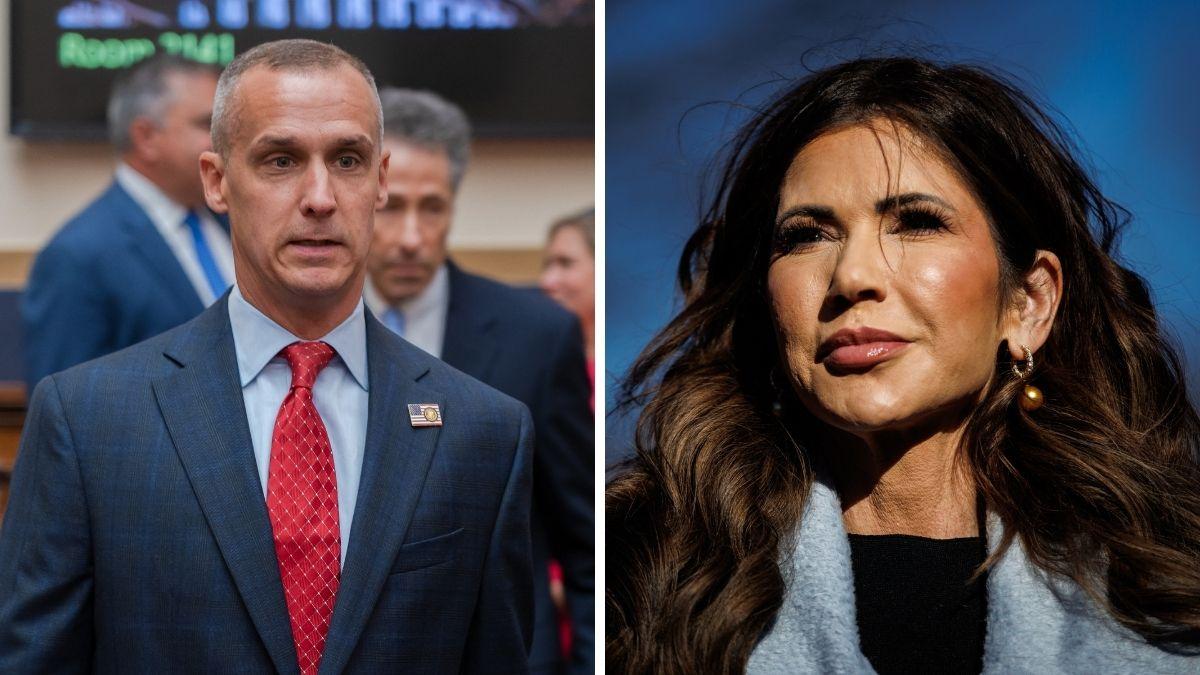
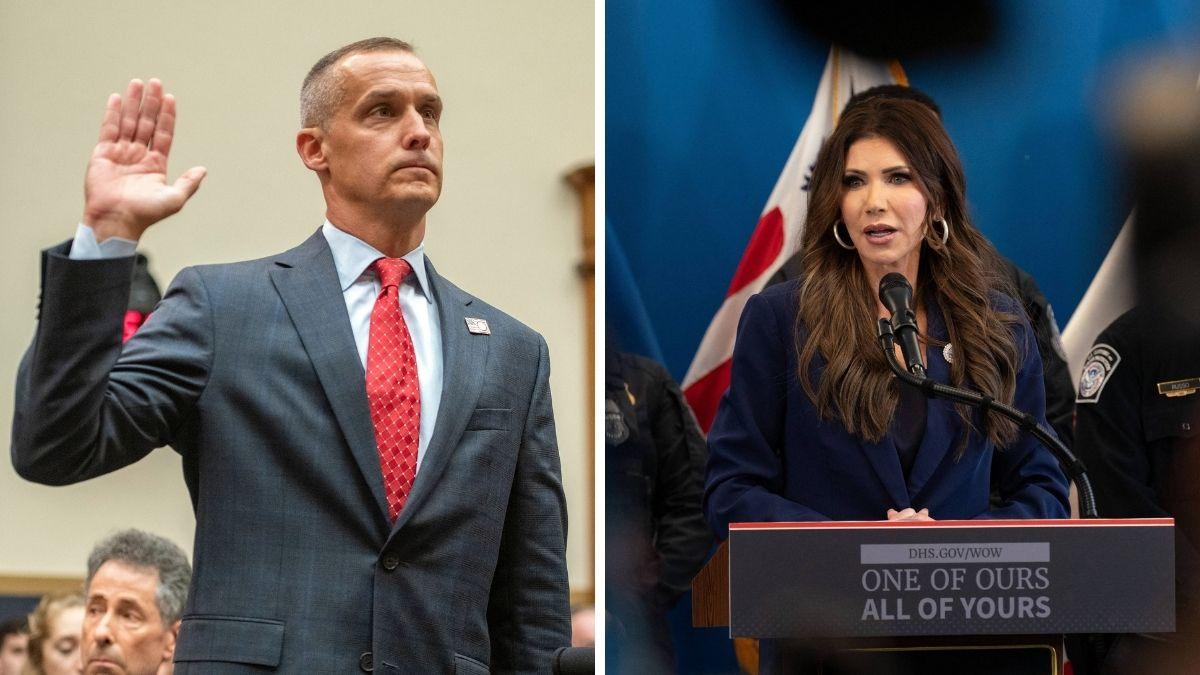
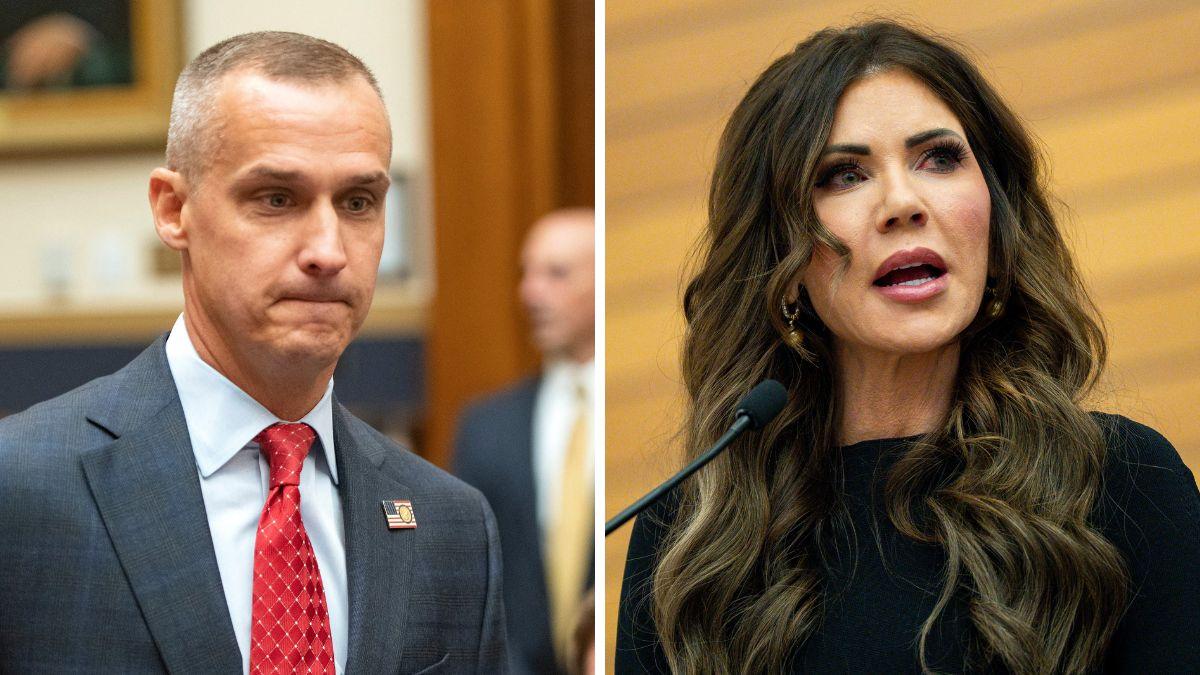
A comprehensive exposé by The Wall Street Journal has brought to light a series of explosive allegations surrounding Department of Homeland Security Secretary Kristi Noem and her close advisor Corey Lewandowski, detailing alleged abuses of power, ethical breaches, and significant internal turmoil within one of the nation’s most critical federal agencies. The report, published February 12, paints a picture of an administration fraught with controversy, raising questions about the appropriate use of government resources, the politicization of federal roles, and the integrity of leadership within the Department of Homeland Security (DHS). These Kristi Noem-Corey Lewandowski bombshell revelations have ignited a firestorm of criticism and prompted scrutiny from various political circles.
Background on Key Figures and Early Allegations
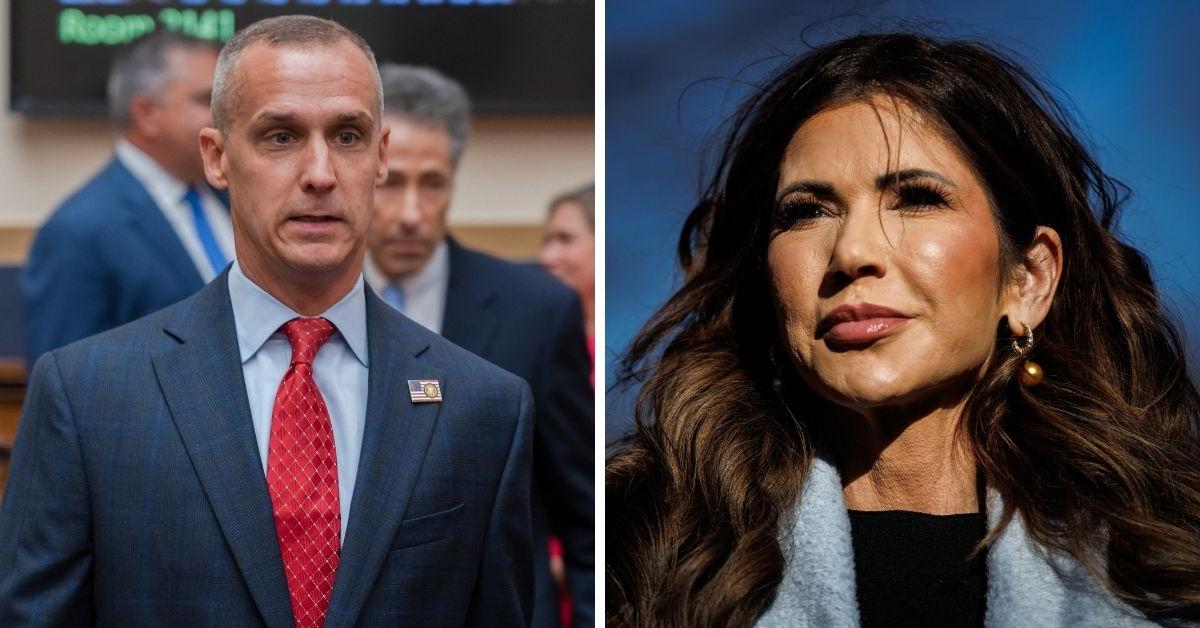
Kristi Noem, sworn in as the 8th Secretary of the Department of Homeland Security in January 2025, quickly became a prominent figure in the administration. Corey Lewandowski, a seasoned political operative with a history of working with President Donald Trump, assumed an advisory role within DHS. Speculation about a romantic relationship between Noem and Lewandowski had been circulating in Washington D.C. for some time, reportedly becoming an "open secret" within political circles. These rumors, initially confined to whispers and tabloid reports, gained significant traction with the Wall Street Journal’s detailed investigation. The article suggests that the alleged affair has not only impacted their personal reputations but has also had a tangible, disruptive effect on the operations and ethical standards of the Department of Homeland Security.
Luxury Air Travel and Questionable Use of Federal Assets
One of the most striking allegations involves the alleged misuse of a Department of Homeland Security asset for personal or questionable travel. Sources familiar with the situation claim that Secretary Noem and Mr. Lewandowski have been utilizing the department’s 737 MAX airliner for their travels. This luxury jet, currently under lease by DHS, is reportedly designated for "high-profile deportations," a critical function of immigration enforcement. The Wall Street Journal’s report highlights the significant financial implications, noting that DHS is anticipated to acquire this particular aircraft for approximately $70 million. This cost is roughly double the total expenditure planned for the seven other deportation planes the department intends to purchase. The use of such a costly asset for purposes beyond its intended critical mission raises serious questions about fiscal responsibility, transparency, and the appropriate allocation of taxpayer funds within a federal agency. Critics argue that diverting resources intended for essential operations like deportations for alleged personal use represents a significant breach of public trust and government ethics.
Internal Upheaval and Leadership Purges within DHS
The Wall Street Journal exposé further details a period of significant internal upheaval within the Department of Homeland Security following Noem and Lewandowski’s ascent to leadership. The report alleges a systematic reshaping of leadership, characterized by the firing or demotion of approximately 80 percent of senior career leaders in the field. Such a drastic overhaul of experienced personnel can severely impact institutional knowledge, operational efficiency, and overall agency stability. The article suggests this shake-up may have stemmed from a desire to consolidate power or to remove individuals who did not align with the new leadership’s directives, regardless of their professional competence or long-standing service.
An illustrative incident cited in the report involves Secretary Noem’s attempt to fire a Coast Guard pilot. According to the exposé, Noem sought to dismiss the pilot after a maintenance issue required her to switch planes, and her blanket was not transferred to the second aircraft. This seemingly trivial matter escalated into an attempt to remove a federal officer, which was only reportedly reversed when Noem and her team discovered that no alternate pilot was available to fly them home. This event underscores concerns about leadership judgment, potential abuse of authority, and a disregard for established protocols and personnel within the department. The incident reflects a climate where personal comfort allegedly outweighed professional decorum and operational realities, potentially demoralizing career staff and raising questions about the priorities of the DHS leadership.

Corey Lewandowski’s Pursuit of Law Enforcement Authority
Another alarming detail unearthed by the Wall Street Journal concerns Corey Lewandowski’s persistent efforts to obtain a law-enforcement badge and a federally issued gun. The report emphasizes that Lewandowski is not a trained law enforcement officer, making his pursuit of such authority highly irregular and ethically questionable. This bid to acquire police powers reportedly led to significant internal resistance.
The exposé describes how Lewandowski approached Tom Feeley, a former top Immigration and Customs Enforcement (ICE) official in New York, who was being considered as the new ICE director. Lewandowski allegedly asked Feeley if he would issue badges and guns to him and several other political officials. Feeley reportedly declined this request and was subsequently passed over for the top job at ICE. Undeterred, Lewandowski then sought assistance from ICE’s legal office to draft a legal justification for being issued the badge and gun. Ken Padilla, a top ICE lawyer, also refused to sign off on the request. Days later, Padilla was placed on administrative leave, eventually demoted, and transferred to the Federal Emergency Management Agency (FEMA). Padilla declined to comment on the matter. The Wall Street Journal’s investigation concludes that Lewandowski eventually managed to persuade other lawyers to approve the request, with the ICE director’s autopen reportedly used to sign the necessary paperwork. This alleged circumventing of ethical and legal barriers to grant an untrained political appointee law enforcement authority raises profound concerns about the integrity of federal agencies, the potential for abuse of power, and the pressure exerted on career professionals to comply with questionable directives.
Presidential Discomfort and Political Repercussions
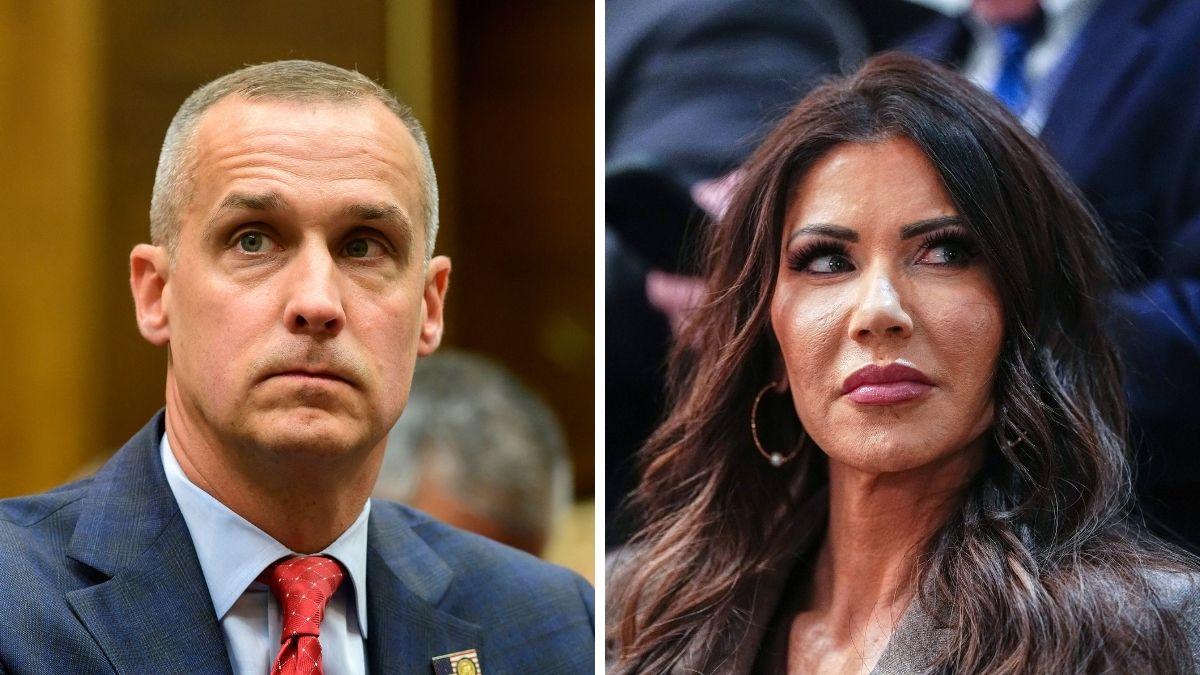
The alleged affair and the internal chaos it seemingly fueled did not escape the attention of the White House. The Wall Street Journal report indicates that President Donald Trump and his advisors grew "uncomfortable" with the relationship between Noem and Lewandowski. This discomfort reportedly had direct political consequences. Lewandowski had initially expressed a desire to formally serve as Noem’s chief of staff. However, President Trump reportedly rejected this idea specifically due to the widespread reports of a romantic relationship between the two, a concern he has continued to voice to officials. This decision highlights the administration’s awareness of the situation and its potential to become a political liability.
Furthermore, there were persistent rumors circulating that the President’s team was considering firing Secretary Noem over the affair allegations. Such reports, often amplified by major news outlets like MSNBC, pointed to a deep level of concern within the White House regarding the scandal’s impact on the administration’s image and stability. However, White House spokesperson Abigail Jackson publicly dismissed these reports, stating to The Daily Beast that they were "nothing but fake news." Despite the official denial, the mere existence of such discussions within the highest echelons of government underscores the severity of the alleged ethical breaches and the political fallout generated by the Kristi Noem-Corey Lewandowski bombshell exposé. The situation demonstrates how personal conduct, when intertwined with high-level government positions, can create significant political challenges and distract from core policy objectives.
Blurring Lines: Government Residence and Personal Proximity
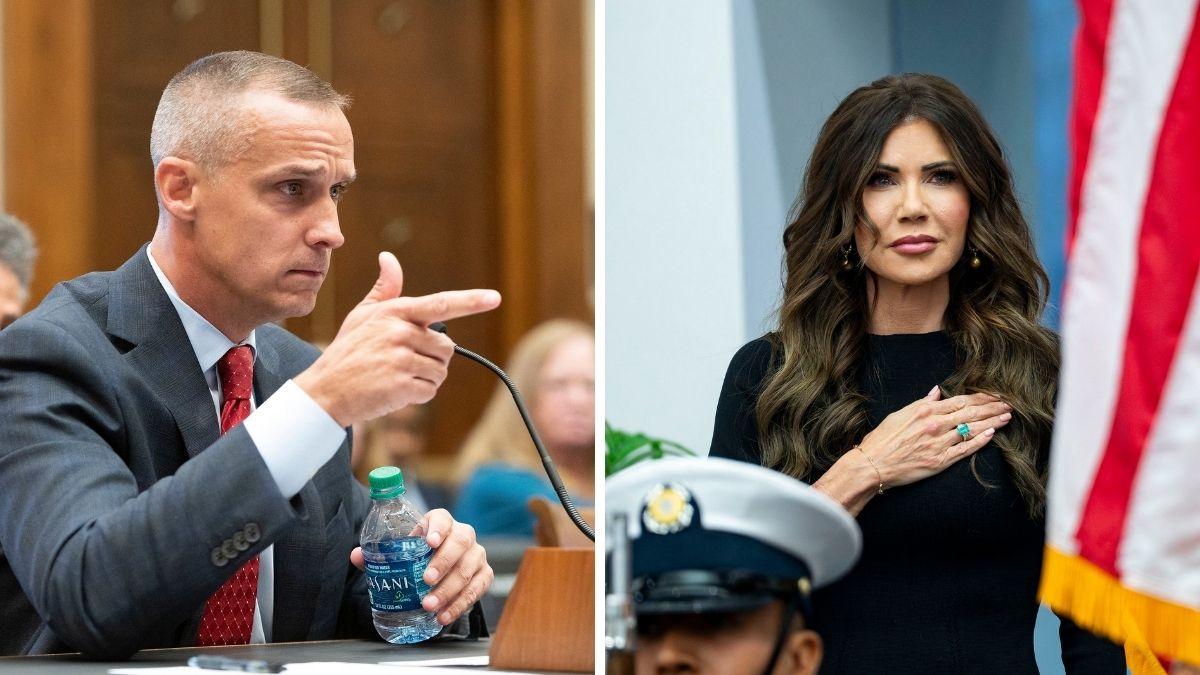
The report also delves into the blurred lines between personal lives and official duties, particularly concerning living arrangements. The alleged affair, despite public denials from both Noem and Lewandowski, reportedly became widely known after tabloid photographs captured their frequent proximity, both within and outside their professional environments. The Wall Street Journal exposé reveals that after these tabloid photos emerged, showing Lewandowski moving between his apartment and Noem’s across the street, Secretary Noem relocated. She moved into a government-owned waterfront house situated on a military base in Washington, a residence typically provided to the leader of the U.S. Coast Guard. The Coast Guard falls under Noem’s purview at DHS during peacetime. The report states that Lewandowski also spends time at this government-provided residence. A DHS spokeswoman defended the move, asserting that Noem relocated for "increased security" and that she pays rent. However, the optics of such an arrangement, especially given the existing allegations, further fuel concerns about the potential misuse of government resources and the ethical boundaries observed by high-ranking officials. It suggests a lack of discretion that could erode public trust in government accountability and the ethical conduct of public servants.
Special Government Employee Status and Conflicts of Interest
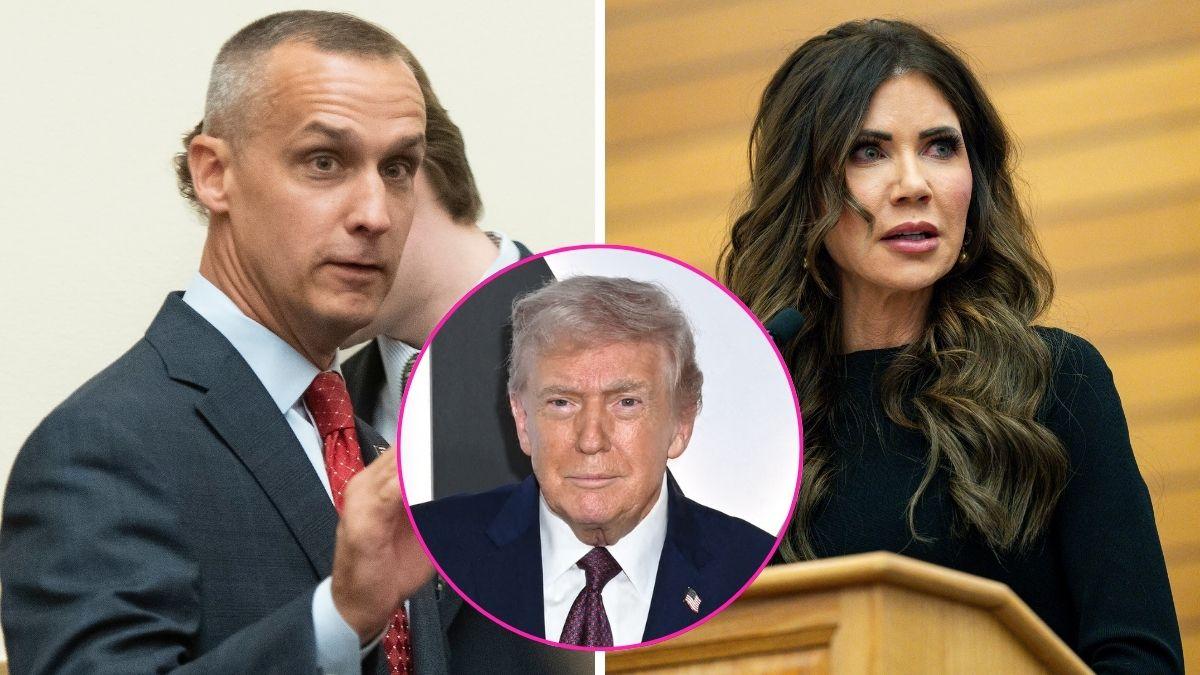
Corey Lewandowski’s role within DHS also came under intense scrutiny in the exposé. Following President Trump’s rejection of his becoming Noem’s chief of staff, Lewandowski assumed the position of a "special government employee" (SGE). This designation is typically reserved for private-sector employees who take on advisory roles in government for specific projects, without relinquishing their outside salaries and investments, and is capped at 130 days annually. The intent of the SGE status is to bring specialized expertise into government for limited durations.
However, the Wall Street Journal report alleges that Lewandowski’s use of this designation raised "alarm bells" within both the White House and DHS. In 2025, the White House Counsel’s office reportedly initiated an inquiry into Lewandowski’s potential abuse of his SGE position. Specifically, he was investigated for allegedly urging officials to "move away from continuing long-term contracts with companies toward new ones." Such actions, if true, could indicate a serious conflict of interest, as it might suggest an attempt to influence procurement processes for personal or undisclosed gain, or to benefit specific companies. This alleged behavior undermines the principles of fair competition and ethical conduct in government contracting, potentially leading to wasteful spending and a loss of public confidence in the integrity of federal procurement systems. The inquiry highlights the dangers of ill-defined roles and the potential for undue influence when ethical boundaries are perceived to be compromised.
Rivalries, Public Image, and Operational Distractions
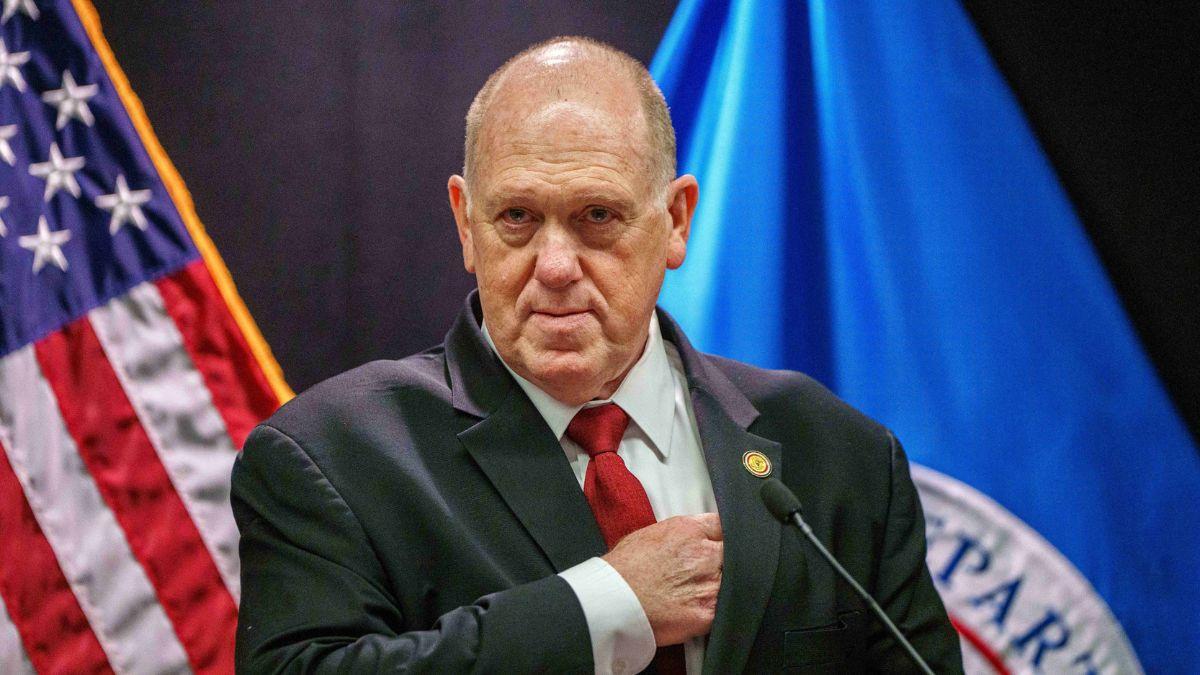
Beyond the direct allegations of an affair and resource misuse, the Wall Street Journal exposé details a competitive and image-driven environment within DHS under Noem’s leadership. The report emphasizes Secretary Noem’s intense focus on White House border czar Tom Homan. Homan had previously replaced Noem as the leader of immigration enforcement operations in Minneapolis, suggesting a professional rivalry.
According to sources familiar with the matter, Noem routinely "berated staff if she saw Homan on TV" and meticulously tracked both their public appearances to ensure she maintained a higher media profile. On at least one occasion, she reportedly asked aides to guarantee she attracted a larger crowd at a conference than Homan, who was scheduled to speak on a different day. This preoccupation with public image and personal competition, as reported, raises concerns about whether leadership’s focus remained squarely on the critical national security mission of DHS or was diverted by personal rivalries and media visibility. Such internal competition can be detrimental to collaboration, resource allocation, and the strategic direction of an agency tasked with safeguarding the nation. It suggests that personal ambition may have overshadowed the collective goal of effective public service, creating a toxic work environment and diverting valuable time and resources.
Accountability Challenges in Enforcement Operations
The allegations extend to the direct operational challenges faced by DHS, specifically within ICE. In January, ICU nurse Alex Pretti was shot and killed by federal immigration officers in Minneapolis during an ICE enforcement operation. This tragic incident became a flashpoint, further exposing alleged internal conflicts and leadership pressures.
The Wall Street Journal report, citing individuals directly involved, states that for months, Noem and Lewandowski had been demanding that ICE capture its arrests on video for social media, with an emphasis on "the more dramatic, the better." However, more than a week after Pretti’s shooting, Noem and Lewandowski allegedly berated Acting ICE Director Todd Lyons. Their criticism stemmed from videos that emerged from Minnesota showing federal officers continuing to engage with protesters. They reportedly informed Lyons that "the president hated the continued stream of videos" and assigned blame to him. They then demanded that Lyons devise a new plan for ICE to conduct "targeted enforcement," an approach that, ironically, Lyons had been advocating all along but which the pair had previously dismissed. This narrative highlights a critical breakdown in communication and strategy, where political demands for dramatic social media content allegedly overshadowed sound tactical advice from experienced law enforcement officials. The criticism of Lyons, despite his prior advocacy for the very approach now demanded, suggests a leadership style more concerned with blame and political optics than consistent, effective operational policy. This situation underscores the potential dangers of political interference in sensitive law enforcement operations and the severe consequences that can arise from inconsistent directives and a focus on public perception over proven methodology.
Broader Implications and Ongoing Scrutiny
The Wall Street Journal’s comprehensive Kristi Noem-Corey Lewandowski bombshell exposé has unveiled a litany of serious allegations that collectively paint a troubling picture of leadership, ethics, and operational integrity within the Department of Homeland Security. From the alleged misuse of luxury government aircraft and the wholesale purging of experienced career officials to the attempts to grant unauthorized law enforcement powers and the blurring of personal and official boundaries, the report suggests a pattern of conduct that could undermine public trust and the effective functioning of a vital federal agency. The presidential discomfort and internal inquiries signal that these issues are not confined to the department but resonate at the highest levels of government. As these revelations continue to unfold, the Department of Homeland Security and its leadership are expected to face intense scrutiny from Congress, watchdog groups, and the American public, demanding accountability and transparency regarding the conduct of its top officials and the safeguarding of its critical mission.